There’s a persistent idea that layers are a single haircut with a single look, something you either want or don’t. That’s backward. Layering is a technique, not a style, and where the weight comes out changes completely depending on your face shape and your hair’s actual texture.
The ten cuts below treat layering that way: as a tool pointed at a specific goal, whether that’s softening an angle, adding movement to fine hair, or letting a curl pattern finally show its shape.
Before You Book
Layers do two different jobs depending on where they’re placed: shorter, higher layers add movement and can soften angles near the face, while longer layers mainly remove weight without changing the outline much.
Texture matters as much as face shape here. The same layering strategy that flatters a round face on straight hair often needs real adjustment on curly or coily hair, since the pattern changes how and where the layers actually fall.
Long Airy Layers With Soft Movement
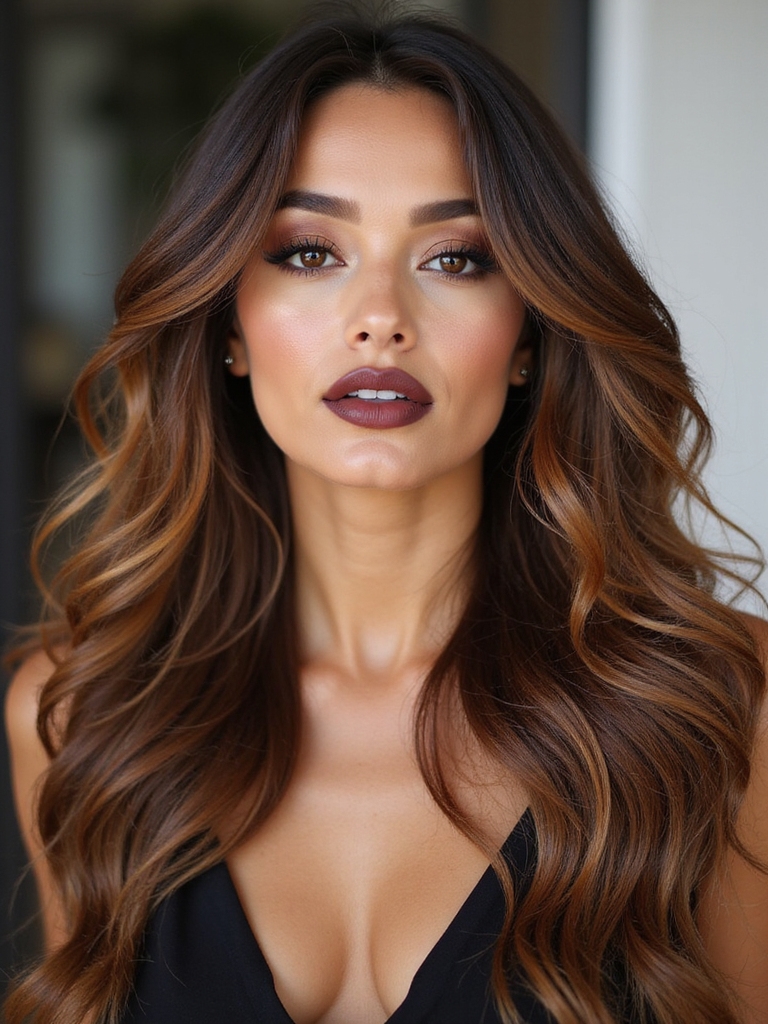
Long, airy layers remove enough weight to let hair swing without cutting much visible length, built around a vertical line that suits an oval face especially well. The layers start well below the chin, so length stays close to what it was going in, just lighter and easier to move through. Straight hair shows this version most clearly, since no natural bend competes with the layering for attention.
The catch is that this version needs more length to work with than most; cut too short and the airiness reads thin instead of light. On truly long hair, though, it moves in a way a one-length cut simply can’t.
A loose wave through the layers, from a wand or an overnight braid, brings out the movement without much daily effort. Left completely air-dried, the layers still separate on their own, just with a softer, less defined bend to them.
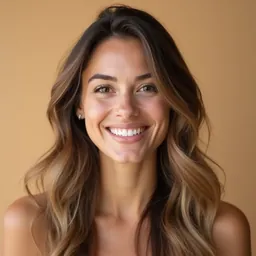
Face-Framing Curtain Layers
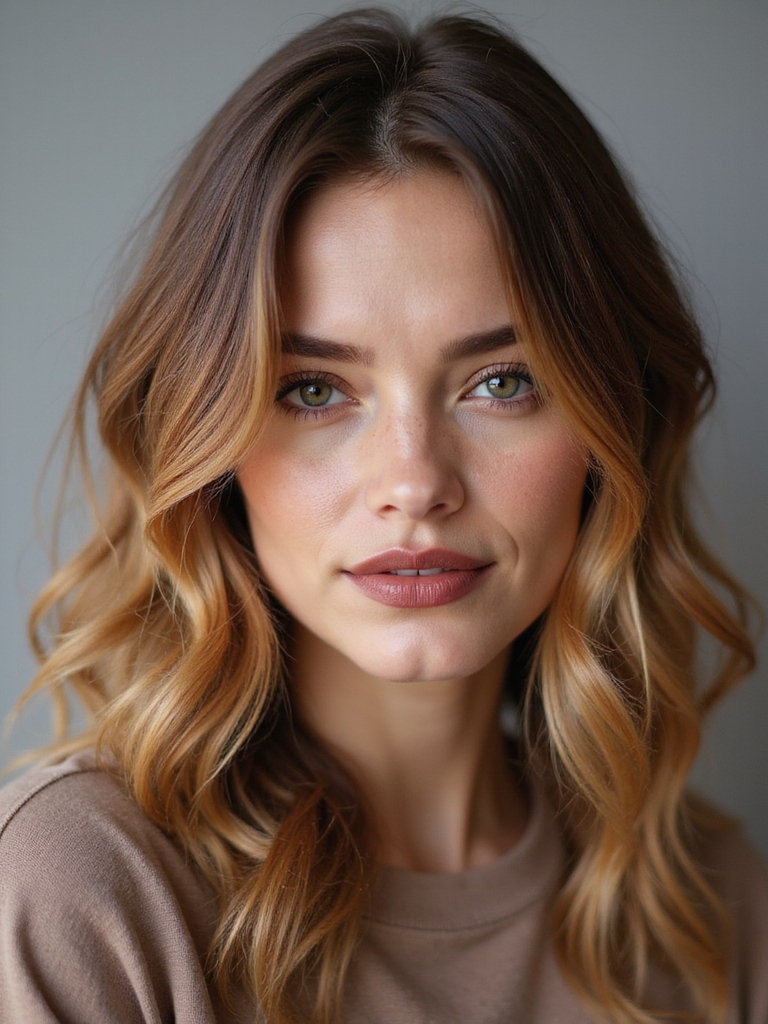
Curtain layers concentrate the shortest pieces around the cheekbones and part down the middle, softening a rounder or more angular jawline without touching the rest of the length. Because the part sits centrally, both sides frame the face evenly, and that symmetry is exactly what makes this version photograph so consistently well from either angle.
- Adjusts easily for round faces with shorter framing, or square faces with longer, noticeably softer framing pieces instead.
- Blends into a fringe if grown slightly longer, or stays a subtle frame if kept short.
- Needs its own quick trim on a shorter cycle than the rest of a cut to stay shaped.
- A texturizing spray on damp hair before air-drying keeps the framing pieces from going flat against the cheeks, especially on hair that leans oily by midday.
The Modern Layered Lob
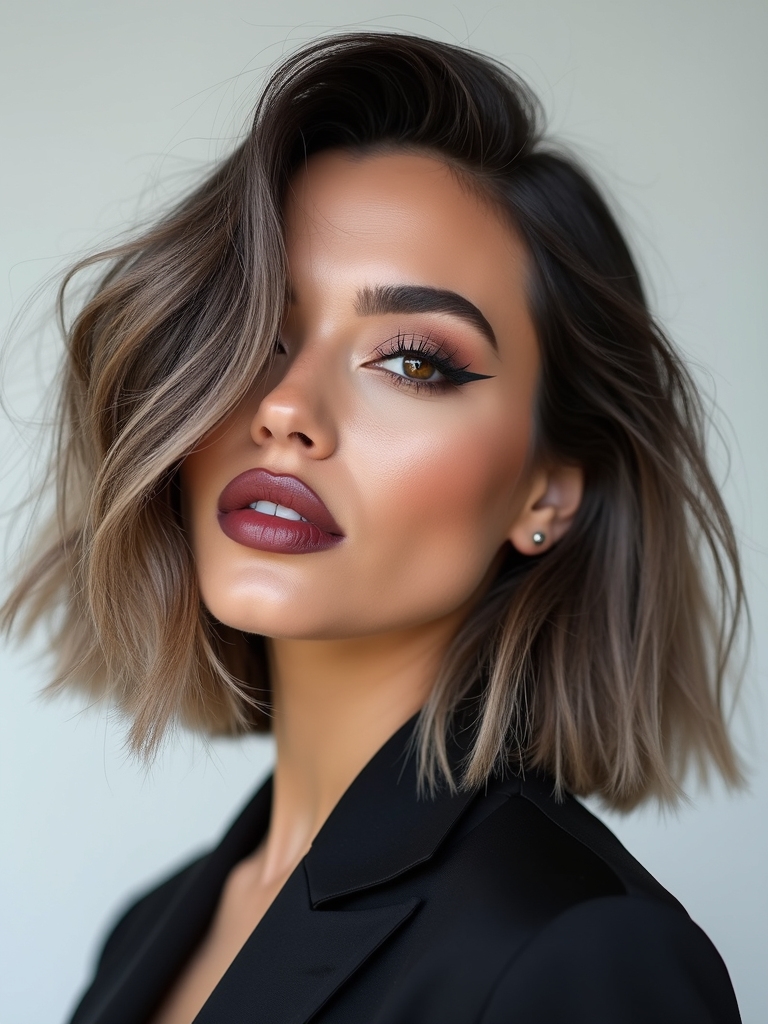
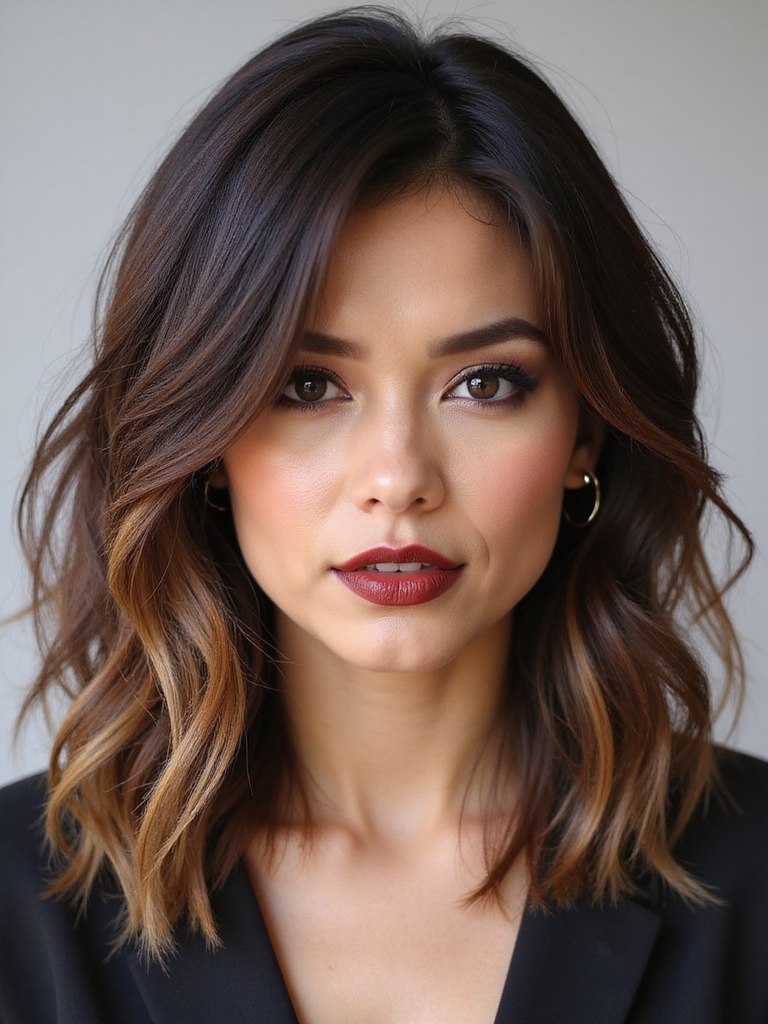
A lob with layers cut through the ends keeps the length at the collarbone while adding enough movement that it doesn’t sit as one flat, heavy shape. It’s often the recommended middle ground for anyone deciding between keeping long hair and cutting it noticeably shorter. The collarbone length also clears most necklines cleanly, and that alone keeps it a requested length year after year regardless of trend cycles.
- Works across nearly every face shape without major adjustment.
- Styles equally well smooth from a flat iron or scrunched into loose bends with a diffuser.
- A realistic option for anyone who wants low daily effort.
- Grows out gracefully into a slightly longer version of the same shape, so a missed appointment rarely turns into an emergency.
Feathered Shag With Wispy Ends
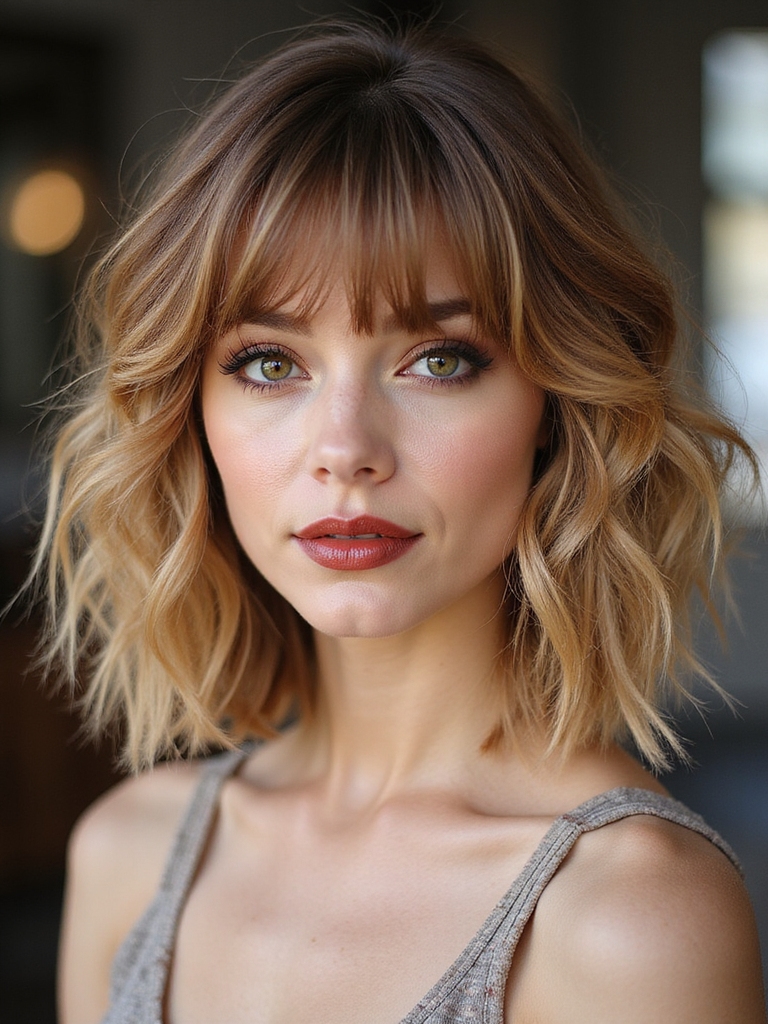
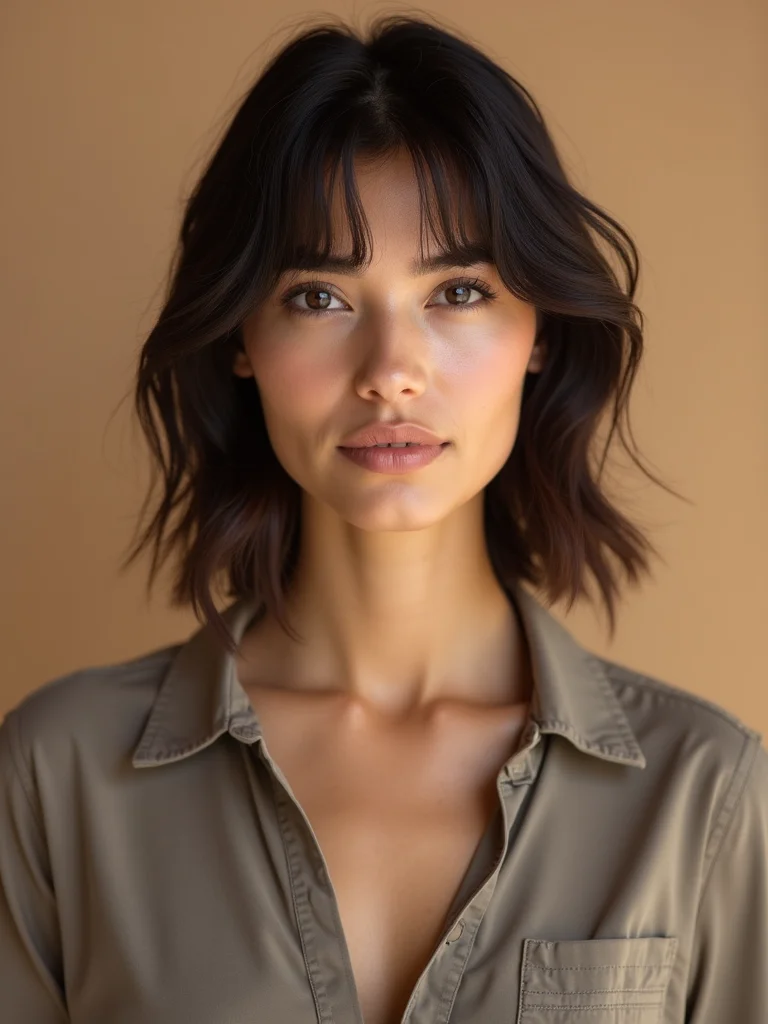
A feathered shag layers heavily through the crown and tapers the ends to fine points, building volume where fine hair often lacks it most.
Where this one struggles is on very thick hair; the same heavy layering that lifts fine hair can turn frizzy-looking on hair with too much natural bulk to begin with. Fine and medium-density hair is where this cut earns its reputation, taking on volume it wouldn’t hold otherwise. A few sections cut noticeably shorter at the crown do most of the lifting, while everything below stays relatively untouched and holds its own shape.
- Best suited to fine or medium-density hair specifically, not thicker textures.
- A volumizing mousse at the roots does most of the styling work.
- Pairs naturally well with an oval or heart-shaped face.
- Second-day hair often holds the shape noticeably better than freshly washed, squeaky-clean hair does.
Match the layer strategy to your actual hair type:
🎯My hair is fine and falls flat
Look at the feathered shag or subtle blended layers first.
🎯My hair is thick and sits heavy
Bulk-removing interior layers are the more relevant option.
Layered Pixie With Texture
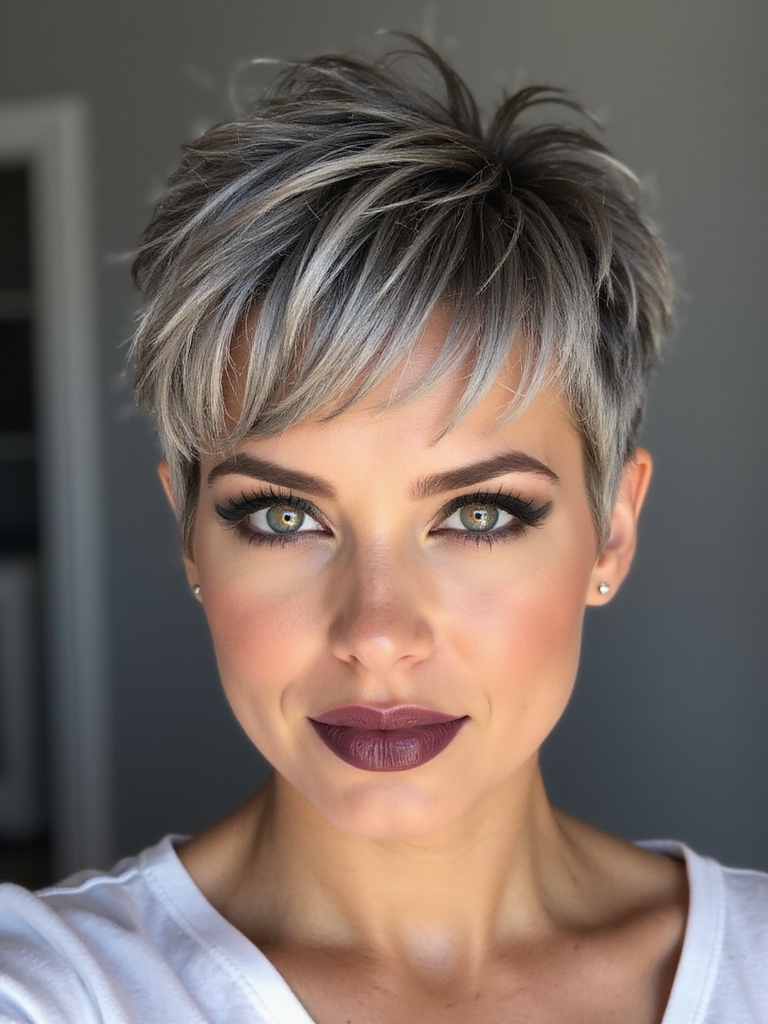
A textured pixie layers the top and sides choppily, leaving just enough length to style differently day to day rather than settling into one fixed shape. Small shifts, pushed forward, swept to a side, or left tousled, change the whole look without a single scissor cut. That flexibility tends to convince people the shortest option here isn’t as limiting as it initially sounds.
- Suits balanced, defined features especially well, since there’s no length left to soften an angle.
- Asks for more frequent shape-ups than any longer cut here, often $25 to $45 for a quick reshape between full haircuts.
- A matte paste worked through dry hair keeps the texture separated. Growing it out gracefully takes real patience, since the shortest layers pass through a distinct in-between length on the way to anything longer.
Shoulder-Grazing Layers for Medium Hair
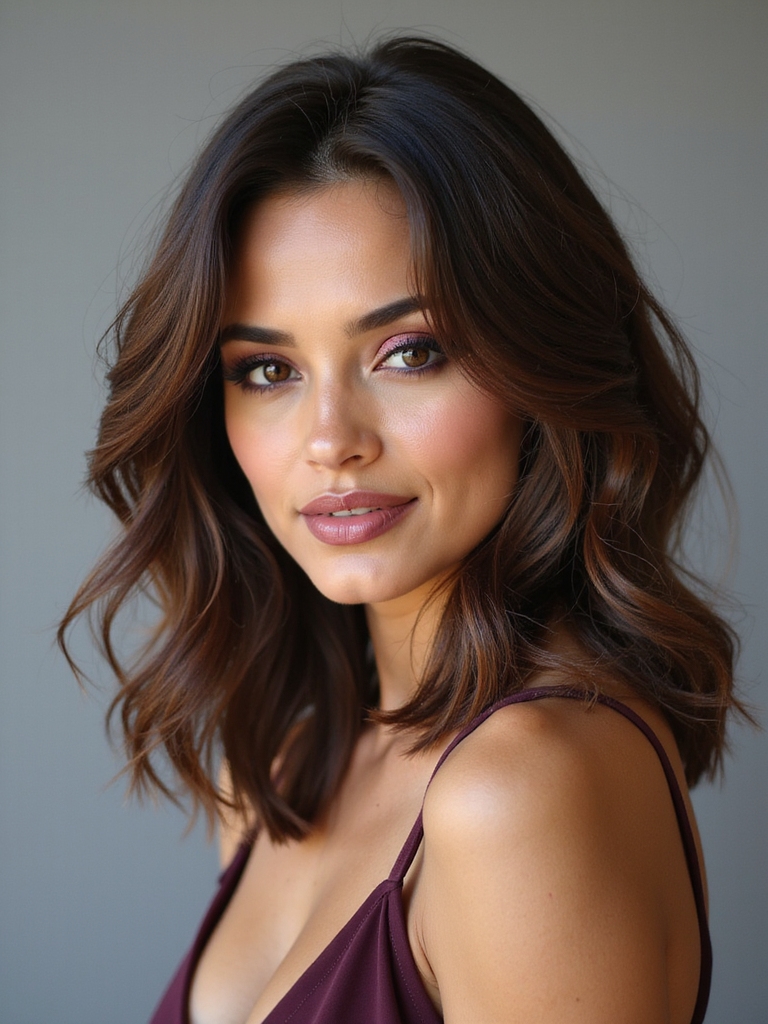
Layers cut at shoulder length sit at an unusually flexible point: long enough to pull back, short enough to feel lighter than the same length worn blunt.
- A common recommendation for anyone truly unsure which specific length to commit to long-term.
- Works with straight, wavy, and loosely curled textures alike.
- Grows out gradually, without an obvious in-between stage to manage.
- Easy to describe to a new stylist even without a specific reference photo in hand.
ℹ️Length Isn’t the Only Variable
Two women with the exact same length and face shape can need completely different layering if one has fine, straight hair and the other has thick, wavy hair. Bring both a reference photo and an honest description of your texture.
Bulk-Removing Layers for Thick Hair
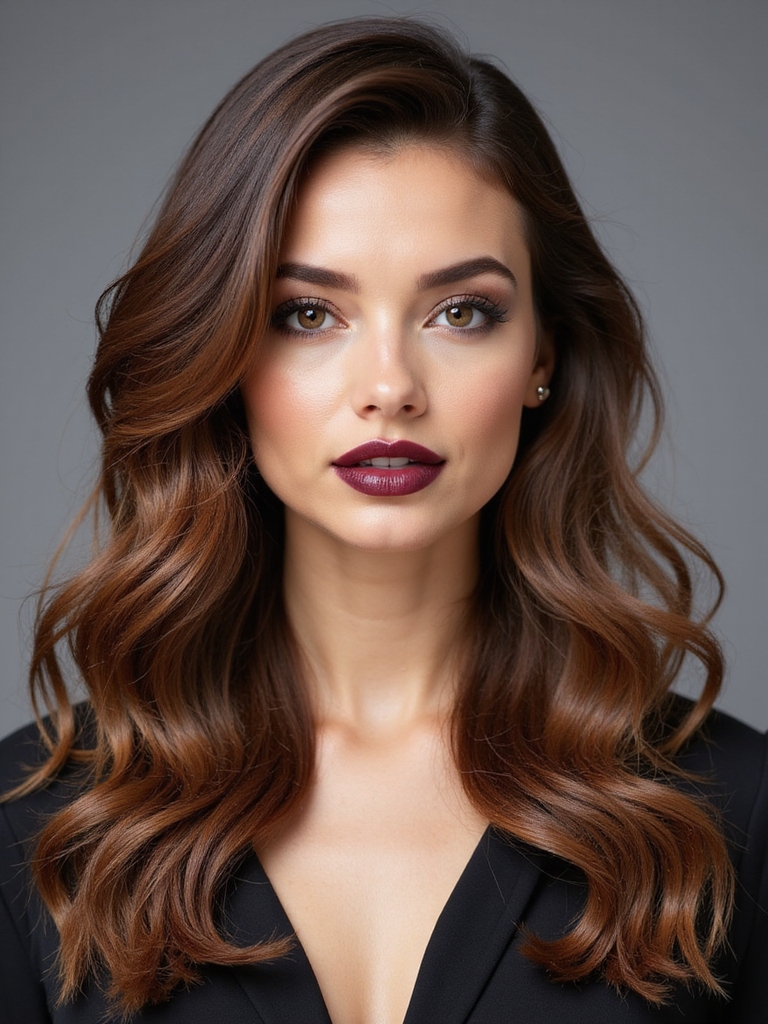
Thick hair carries a different problem than fine hair does: too much density sitting as one solid mass, without enough movement built in. The goal here is entirely about redistribution; the two get confused constantly in casual conversation about the cut.
Interior Debulking, Not Perimeter Thinning
Layers cut to remove weight from underneath the surface are what actually solve this problem correctly. Thinning shears used only at the perimeter tend to leave thick hair stringy at the ends.
Ask specifically for interior debulking and mention your hair’s density up front, since a stylist who assumes average thickness may under-cut the interior on the first pass.
A second, follow-up pass focused entirely on the underlayers is common on very dense hair, and it’s worth budgeting the extra chair time for rather than rushing the first appointment. Spreading the debulking across two visits specifically helps avoid over-thinning the interior in a single sitting.
Subtle Blended Layers for Fine Hair
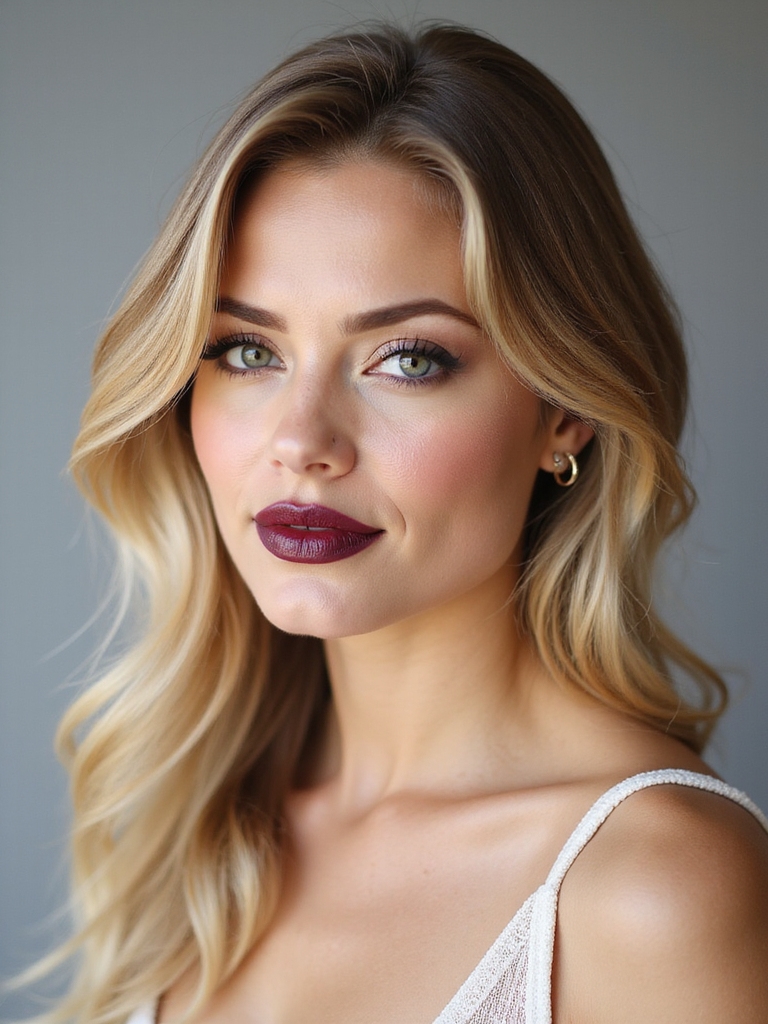
Fine hair needs the opposite approach from thick hair: minimal, carefully placed layers that fake density. A stylist working on thick hair spends most of the appointment removing bulk, while on fine hair the job flips entirely, leaving nearly all of it in and simply repositioning it.
Too many short layers on fine hair backfire noticeably, leaving it looking sparser overall than before the cut. The safest version keeps the perimeter close to blunt and layers only lightly near the crown, so the ends still look reasonably dense even as the top gains real lift.
A root-lifting mousse, applied to damp hair and dried upside down, builds volume the cut alone can’t fully provide. Heavy conditioners and oils work against this goal specifically; anything that coats the strand adds weight exactly where fine hair can least afford it.
Curly and Wavy Layers for Defined Shape
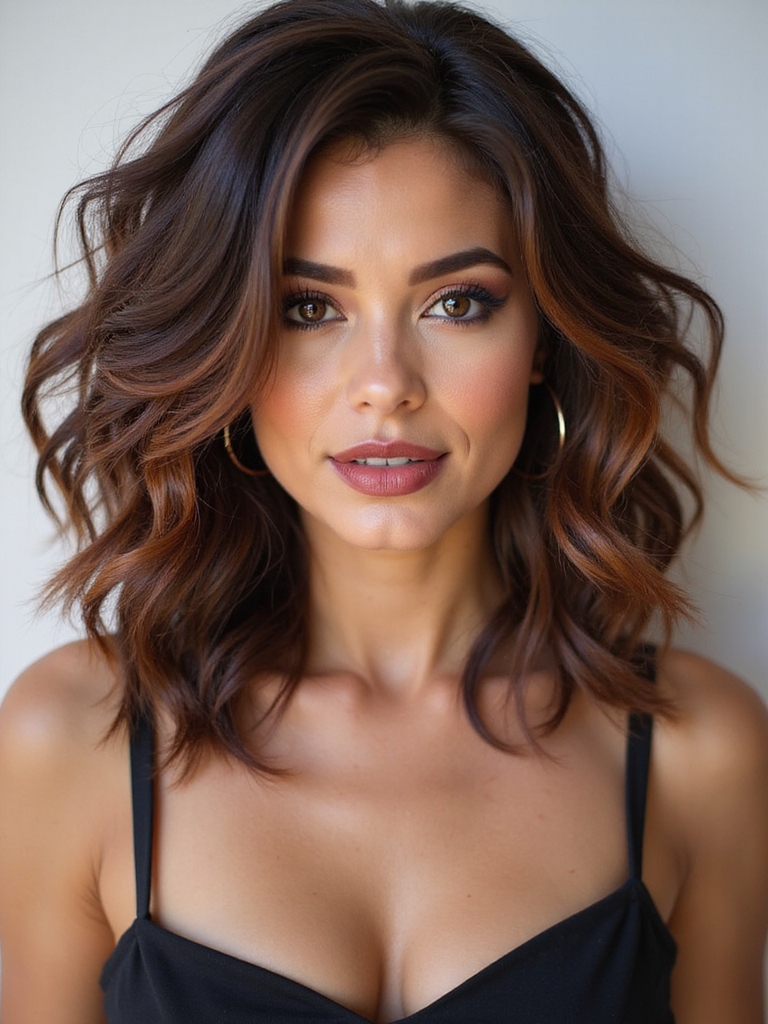
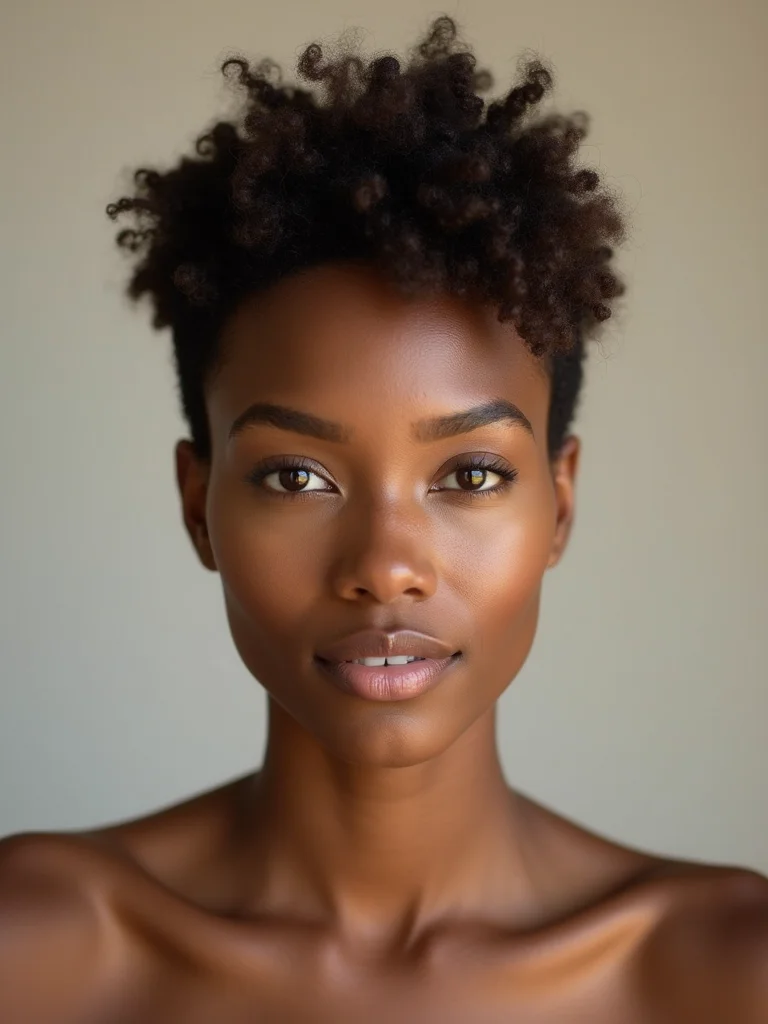
On curly and wavy hair, layers have to be shaped with the pattern already active, not on stretched or wet strands, since curls settle into a noticeably different length once fully dry.
Done this way, the layers let each curl or wave spring into its own space instead of merging into one dense, triangular mass. A stylist familiar with textured cutting will typically section the hair by curl clumps rather than straight-line partings, following where the pattern naturally wants to fall on any given day.
- Insist on a dry cut, or at minimum a check once the hair has fully dried and settled.
- A curl-defining cream, scrunched in gently rather than raked all the way through, keeps definition intact.
- Coily and tightly curled textures shrink the most, so length can look shorter than expected right after cutting. Give it a full wash-and-go cycle before judging the finished result, since the very first style rarely shows the cut at its best.
🅰️Cut Wet
Faster appointment, but curls and waves can spring up shorter than planned once dry.
🅱️Cut Dry
Slower, more precise, and the length you see is the length you actually keep.
Sleek Layered Cut With a Polished Finish
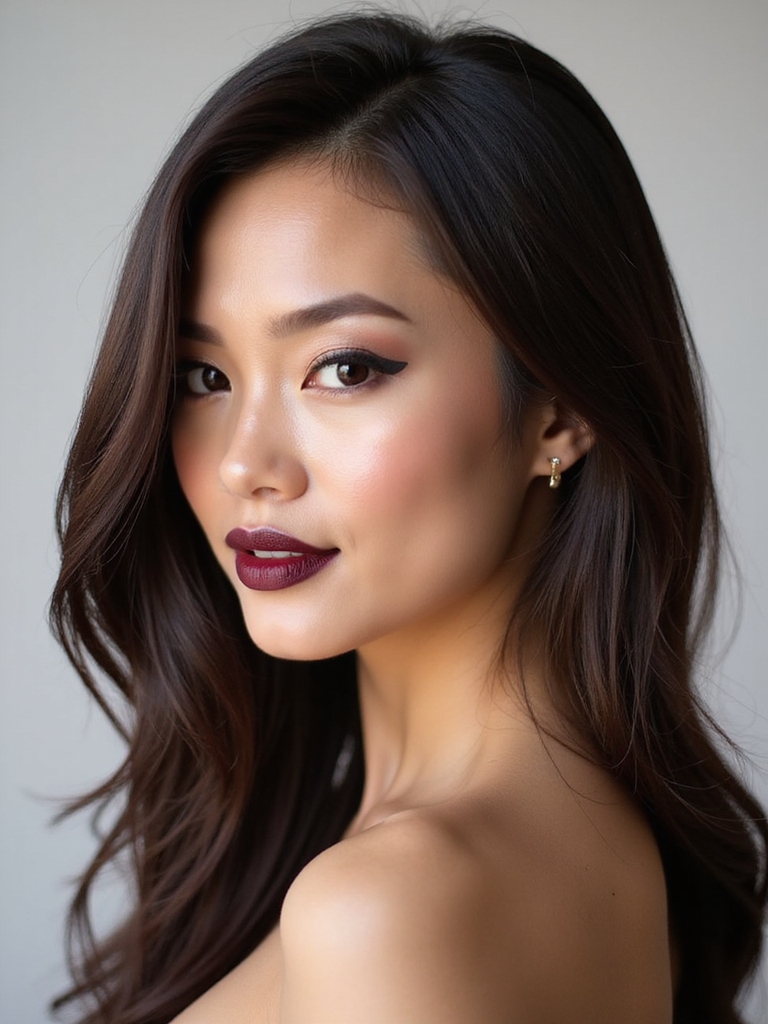
Smoothed straight with a flat iron, layers still show through as subtle movement underneath, which is what separates this from a plain, one-length blunt blowout.
The Cut That Needs the Most Styling Time
This version takes the most daily styling time of anything here, since the polish comes from the finish, not the cut itself. Expect at least fifteen minutes with a brush and dryer, longer on thicker or more textured hair.
Book this look before an event where you want a finished, camera-ready result rather than an everyday look you’ll repeat all week. It also functions as a useful benchmark: if a stylist can make your specific layering look sleek and polished, they’ve cut it correctly, since a bad layering job is far harder to hide smoothed than it is left textured.
Layered Haircuts for Women, Answered
?How do I explain what I want without a technical vocabulary?
Point to where you want it to feel lighter, describe how much time you spend styling now, and let the stylist translate that into technique. Naming a feeling or a problem works better than guessing at cutting terms you’re unsure of.
?Can I go from a blunt cut to layers without losing much length?
Usually, since layering can be added through the interior and ends without shortening the overall length much, especially on longer hair with some length to spare.
?Do layers work on hair that’s already color-treated or a bit damaged?
Generally yes, though heavier layering combined with fragile hair raises the odds of split or thinning ends. Mention your color history so your stylist can judge how aggressive to get with the cut.
The Right Layers Are the Ones Built for Your Hair
None of these ten cuts is objectively the best layered haircut; each one solves a specific combination of bone structure and strand texture that the others don’t address as well.
Bring your stylist an honest picture of both, not just a photo of hair that isn’t quite like yours, and layering starts working for you instead of against you from the very first appointment onward.
More to Explore