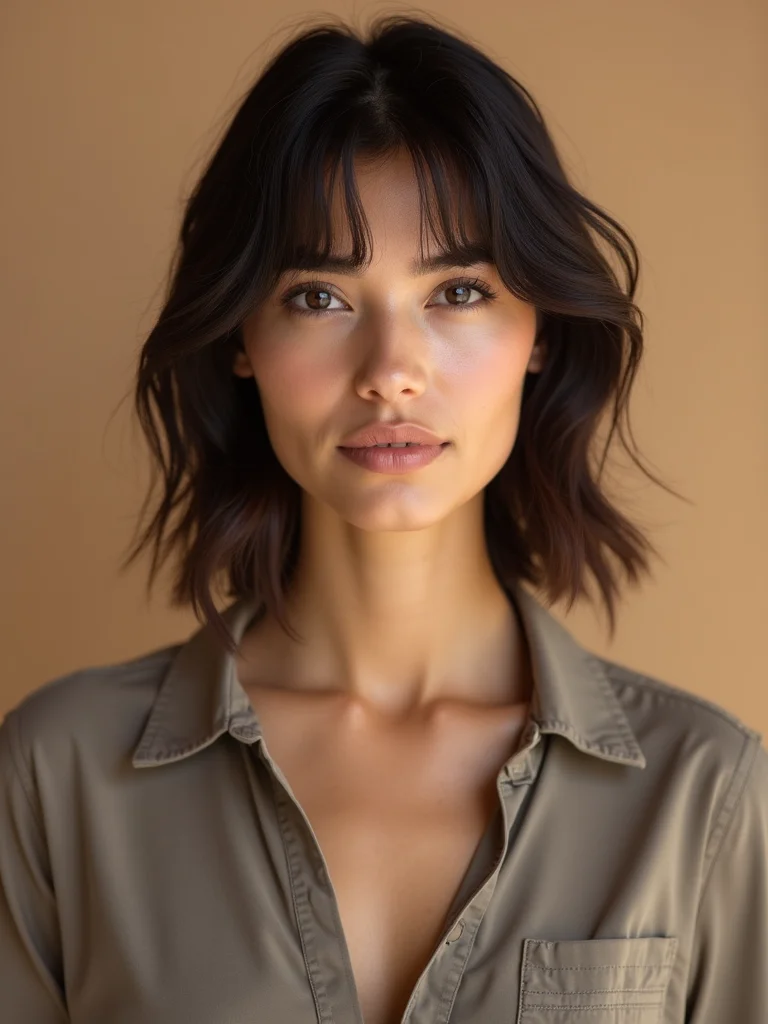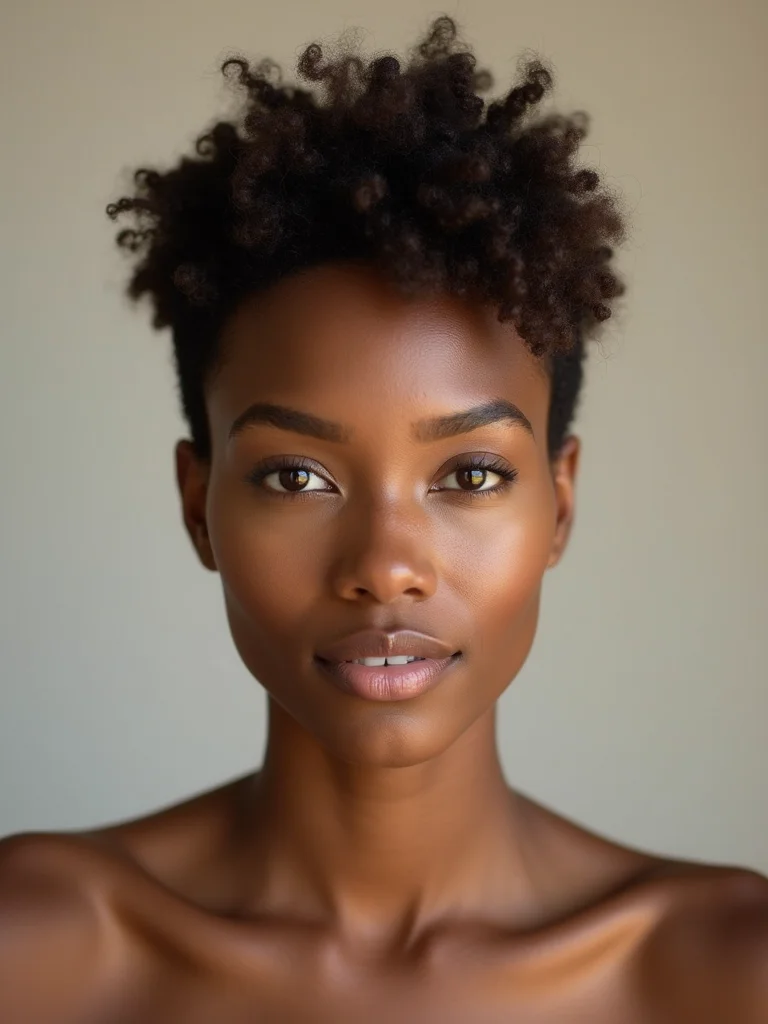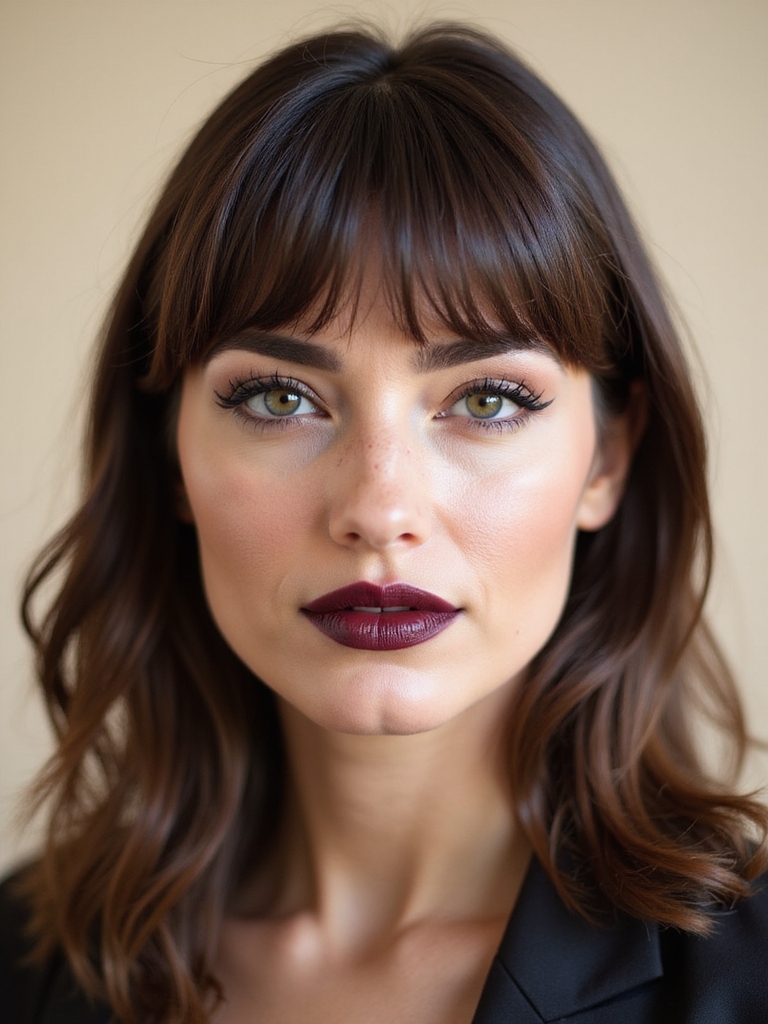
The whole myth of French bangs is that French women just wake up with them. That tousled, slightly-too-long, undone fringe that looks like it happened by accident. It did not. That casual perfection is a specific cut and a deliberate two-minute styling habit, and once you know the rules, you can have it too.
French bangs are the soft, grown-out, piece-y fringe that looks unplanned while doing real structural work at the front of the face. This guide breaks down exactly what makes them work, from the cut and the cheek-grazing length to the texture tricks and the casual styling that keeps them looking undone on purpose. Get the details right and the Parisian look follows, no accident required.
The French-Bang Rules
- French bangs are soft, piece-y, and grown out long, grazing the cheekbone, never blunt or short.
- The undone look is deliberate: a specific cut plus a quick, low-effort styling habit, not a happy accident.
- They are the most forgiving fringe to grow out, blending into your layers, which is half their Parisian appeal.
What Makes a Bang French

Before you book anything, know what you are asking for, because French bangs are a specific thing. They are longer than a classic fringe, softer than a blunt one, and cut with built-in pieces and gaps so they fall apart in a relaxed, undone way. The whole point is that they look casual, not done. It is the most-requested fringe in my chair right now, and the one new clients most often get wrong on their own.
Three details separate them from every other bang:
- Length: they graze the cheekbone or lashes, never sit high on the forehead.
- Texture: point-cut and piece-y, with deliberate gaps, not a solid line.
- Part: they fall open around a soft center or slight side split, never sit flat.
Matching French Bangs to Your Face

The beauty of French bangs is how adaptable they are, but the length and density still need tailoring to your face. The goal is always to frame and soften, so a stylist adjusts where the pieces fall to flatter your specific shape. A little customizing is what keeps the look from fighting your features.
Here is the quick map:
- Round face: keep them longer and more open to add a lengthening vertical line.
- Long face: a fuller, slightly shorter fringe shortens and balances the face.
- Square face: soft, wispy pieces round off a strong jaw beautifully.
Are French bangs right for you? Match your priority:
1I want low-maintenance and soft
French bangs are made for you; the wispy version frames the face with almost no daily styling.
2I want a bold, crisp statement
Look at a blunt or micro fringe instead; French bangs are deliberately soft and undone, not sharp.
Wispy or Full: Choosing Your Density

French bangs live on a spectrum from barely-there wispy to soft-and-full, and where you land changes the whole vibe. Wispy reads young and airy. Full reads romantic and bold. Both stay piece-y and undone, never heavy. Your hair type helps decide, since fine hair wears wispy best and thick hair carries full. To choose:
- Go wispy for a subtle, low-commitment fringe that barely changes your routine.
- Go full for a stronger, more romantic frame with more presence.
- Fine hair suits wispy; thick hair carries full without going stringy.
French Bangs by Texture

Every texture can wear French bangs, but the cut and the result shift with each. On straight hair, they fall soft and piece-y with a quick rough-dry. That is the classic Parisian version. On waves, they gain natural movement and need almost no effort. Waves are the easiest texture for this fringe by far.
Curly hair makes a beautiful French bang too, with one firm condition: the fringe has to be shaped dry, while the coils sit where they naturally land. Cut it wet and it dries up an inch or two higher than you bargained for. Shaped dry, the curls frame the face in soft, springy pieces.
Whatever your texture, the French version embraces what your hair does naturally rather than forcing it straight. That cooperation with your texture is the whole secret to the casual finish. For more textured fringe options, see the face-framing bangs guide.
💡Stylist Tip
Ask your stylist to cut French bangs while your hair is dry, or at least to check the length dry before the final snip. Wet hair stretches and dries shorter, and with a fringe meant to graze the cheekbone, that extra inch of spring-up is the difference between Parisian and too-short.
Nailing the Cheek-Grazing Length

If there is one rule that makes or breaks French bangs, it is the length. Too short and they become a regular fringe. Too long and they lose their shape. The sweet spot grazes the cheekbone or the lashes, long enough to tuck behind an ear and soft enough to fall into your face naturally, which is exactly the in-between length most chain salons cut too short out of habit.
Why Longer Is Always Safer
This length is also why they grow out so gracefully. Because they start long, a few weeks of growth just blends them into your face-framing layers with no awkward stage.
When you book, ask specifically for a cheek-grazing or lash-skimming length, and resist the urge to go shorter in the chair. Longer is always the safer call with this fringe.
The Two-Minute Styling Habit

The undone look is a habit, and a quick one. Most people skip straight to the rest of their hair and let the fringe air-dry on its own, which is exactly backward: the front section decides how the whole face reads, so it deserves the first few minutes of attention, not the last. A little side-to-side movement while it’s still damp keeps it from setting into a flat block.
Here is the whole routine:
- Section the fringe out before touching anything else, directing it side to side with fingers or a small brush.
- Break it into pieces with a fingertip of light cream or a touch of texture spray.
- Leave it imperfect; a little gap and sway is the entire French point.
French bangs are supposed to look like you did not try. What nobody mentions is that getting there takes a very specific cut and about two minutes a day.
The French-Bang Before and After

Some women see a bigger transformation than others, and it helps to know going in. The fringe changes your whole face by drawing the eye to your features, so the effect is most dramatic for certain starting points. If you are on the fence, this is who tends to fall in love fastest:
- Women with all-one-length hair, who gain instant shape and face-framing.
- Those who feel their forehead dominates; the fringe rebalances the face.
- Anyone wanting a big change without cutting their length, since only the front moves.
Your French-Bang Consultation

The fastest way to a fringe you hate is a vague consultation. French bangs vary so much that the word alone is not enough, so walk in able to describe the exact version you want. A good conversation up front is the difference between Parisian and regrettable. Adding French bangs to a cut runs about $30 to $60, and many salons trim them free between visits, so the upkeep cost is low. Bring these to your stylist:
- Two or three photos showing the length and piece-iness you want.
- The words point-cut, soft, and cheek-grazing, so the technique is clear.
- Your honest styling time, since the cut should match the effort you will give it.
ℹ️Good to Know
French bangs are the lowest-commitment fringe you can get, because they are cut long. If you decide they are not for you, they grow out in weeks into soft face-framing layers, with none of the awkward grow-out a short blunt fringe puts you through.
Trimming French Bangs at Home

French bangs grow fast, and waiting six weeks for a salon trim means weeks of fringe in your eyes. A careful at-home trim between appointments keeps them wearable, and because the look is meant to be soft and piece-y, small imperfections forgive themselves here more than with a blunt fringe.
The safe method is to trim dry, point the scissors up into the fringe, and snip tiny amounts vertically rather than straight across. This keeps the soft, piece-y edge and avoids the dreaded too-short straight line.
That said, only ever trim a little, and leave the shape to your stylist. Many salons trim bangs free between cuts, so a quick visit is often the smarter call than risking it yourself.
The Products for an Undone Finish

French bangs need almost nothing, and overloading them ruins the look faster than anything else on this list. A heavy product turns the soft, piece-y fringe into a flat, greasy strip, the opposite of the casual look this cut is going for. Less holds up better here than anywhere else.
Why Less Product Wins
The short list is a light texture spray for piece-y separation, a tiny amount of cream for smoothing flyaways, and a dry shampoo to revive the fringe between washes, since the front gets oily first.
Skip oils, heavy creams, and strong-hold gels entirely on French bangs. The whole point is movement, and anything that weighs the fringe down takes that movement away.
Heatless Movement

You do not need hot tools for French bangs, which is part of their charm and kinder to your hair. Setting the damp fringe on a small velcro roller for a few minutes while you get ready, or simply finger-drying it side to side, builds soft movement with no heat at all. No heat needed. The fringe practically styles itself once it is cut right.
This heatless approach also suits the casual finish better than a precise blow-dry, since a little natural unevenness reads more French than a perfectly smooth fringe. It is the lazy-morning method, and it happens to look the best.
From Blunt Fringe to French Bangs

If you already have a blunt, heavy fringe and want the softer French look, you do not have to start over. A stylist can soften an existing fringe by point-cutting texture into it and letting the sides grow longer, transitioning a hard line into soft, grown-out pieces over a couple of trims. No big chop required, and few fringe changes are this straightforward.
To make the switch:
- Ask your stylist to point-cut and texturize the existing blunt line.
- Grow the outer corners longer to create the cheek-grazing sweep.
- Resist trimming the bulk shorter; the softening comes from texture, not length.
Growing Them Out in Style

Growing out French bangs is the easiest grow-out in hair, which is a big part of why they are so loved. Because they start long and soft, every week of growth simply lengthens the sweep until it melts into your face-framing layers, with no eye-poking middle stage to fight through. You can stop and start whenever you like.
If you want them gone faster, a center part and a tuck behind the ears hides the length cleanly, and a blending trim at the salon smooths the transition. The fringe quietly becomes a long, pretty face-framing piece, and most women barely notice the grow-out happening.
Pairing French Bangs With Your Cut

French bangs flatter almost any length, but they sing with certain cuts. On a French bob or a lob, they complete the chic, undone Parisian look the cut is going for. On long layers, they add a face-framing softness that keeps long hair from hanging flat.
The Cuts That Sing With a Soft Fringe
The common thread is movement. French bangs pair best with cuts that already have texture or layering, since a soft fringe over stiff, blunt length can look mismatched. Layers and a soft fringe speak the same language.
If you are pairing them with a bob, see the French bob with bangs guide. For the lighter face-framing fringes alongside them, the curtain bangs guide covers the close cousins.
French Bangs Through the Seasons

French bangs shift a little with the weather, and a few small adjustments keep them looking their best year-round. Humidity, sweat, and dry indoor heat all hit the fringe first, since it sits against your skin, so the routine bends with the season. A few quick swaps:
- In humidity, a touch of smoothing cream keeps the fringe from puffing.
- In summer heat, a quick dry shampoo refresh handles the sweat at your hairline.
- In dry winter air, a light mist of water revives the shape without a wash.
Who It Suits Best
Few fringes wear as universally as French bangs, though a handful of textures get the most out of them. They suit anyone after a soft, low-maintenance fringe that frames the face without a fussy daily routine, and they flatter nearly every face shape once the length is tailored to it. Fine and wavy hair wears them with almost no effort, while thick and curly hair gets a fuller, romantic version with a dry cut.
The one person they do not suit is the woman who wants a crisp, blunt, high-impact fringe; that is a different bang entirely, and a beautiful one, just not this. If your dream is undone, soft, and a little Parisian, French bangs are exactly the fringe to ask for. For the bolder, fuller end of the spectrum, see the full fringe styles.
Undone on Purpose
The real lesson of French bangs is that the casual look is the most deliberate one of all. The cheek-grazing length, the point-cut pieces, the two-minute side-to-side dry, all of it is engineered to look like a happy accident. Once you know the rules, the Parisian fringe stops being a mystery and starts being a choice you can make in any salon chair.
If you have wanted that soft, undone fringe but feared the commitment, this is your nudge. It is the lowest-risk, easiest-to-grow-out bang there is, and worn right, it brings a little Parisian ease to whatever cut you already love.
Hand-Picked for You