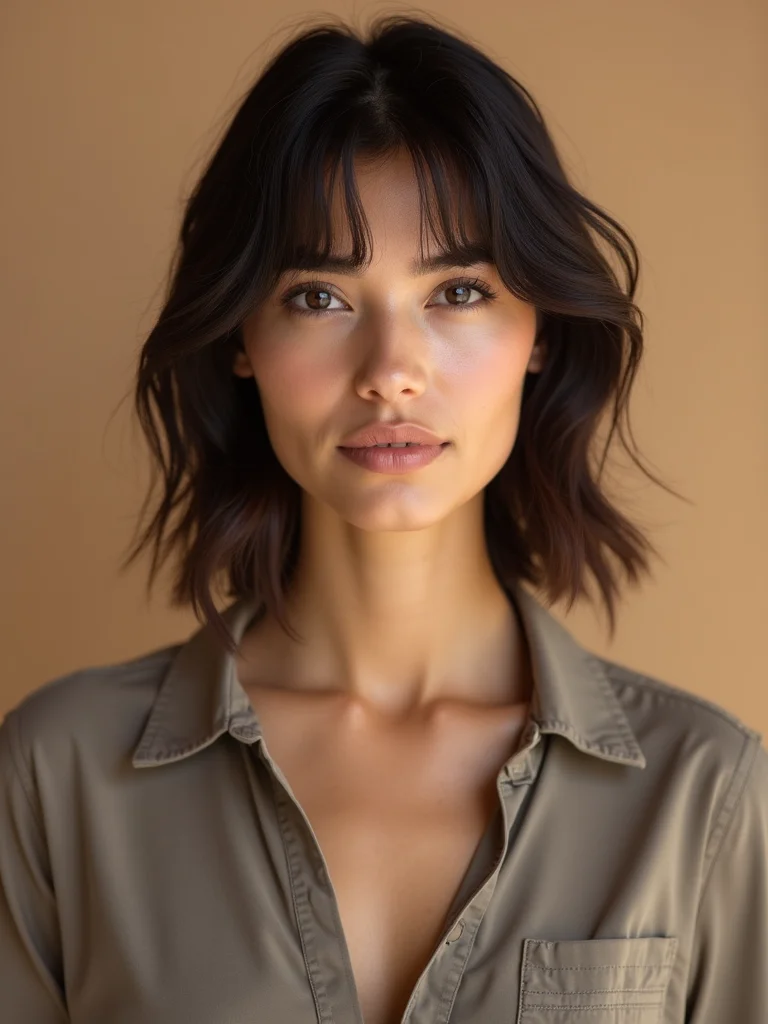
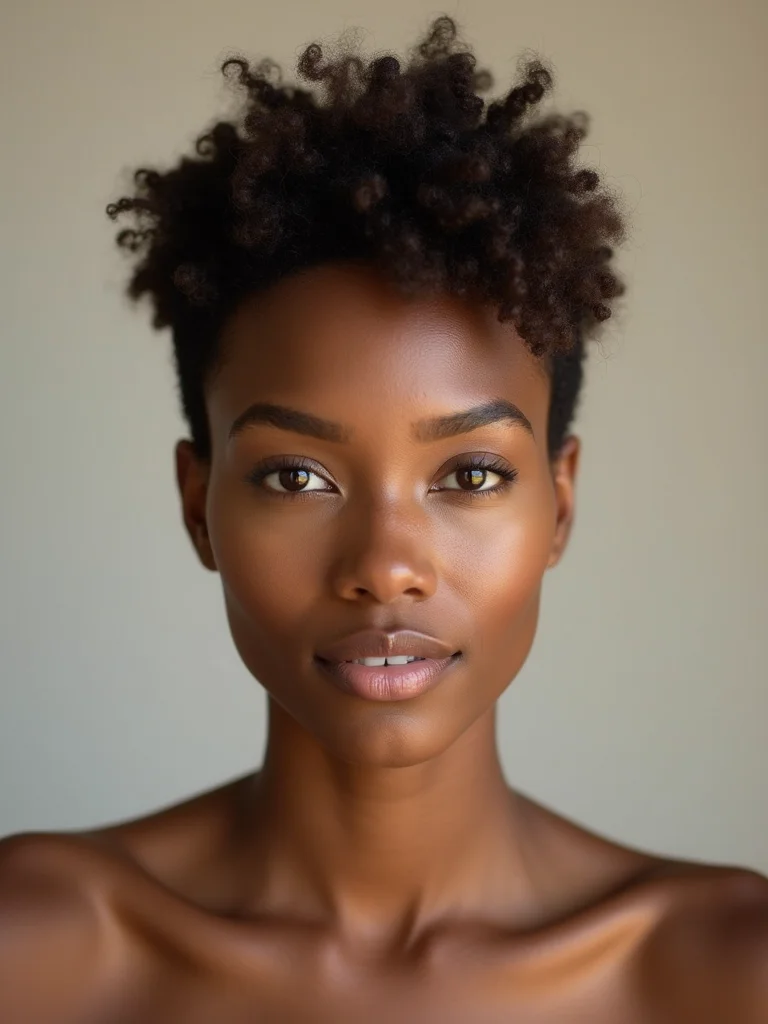
A long pixie sits in an odd middle ground: short enough to feel like a real change, long enough to still tuck behind an ear or sweep to one side. That in-between quality is exactly what separates it from a classic pixie, which crops close everywhere and leaves almost nothing to style.
Sixteen variations follow here, from soft and textured to sharp and sculpted, each built around how much length stays on top and how much edge gets added at the sides. None of them behave identically once they grow in, and the differences below matter more than a single reference photo ever could.
Before You Choose a Length
- Length retained on top is what separates a long pixie from a classic crop, and it’s the main lever for softening or sharpening the shape.
- Texture, waves, and curls all wear a long pixie differently, so the right variation depends on natural hair pattern as much as face shape.
- Upkeep concentrates at the perimeter — the back and sides grow out fastest, even while the top needs very little daily styling.
Softly Textured Long Pixie

Texture is what keeps a long pixie from reading severe. Layers cut through the top separate into piecey sections rather than lying flat, softening the whole shape into something easy and unstudied.
Stylists often recommend this version first to anyone new to short hair, since it forgives minor growth between visits and needs almost no technical styling.
Fine or medium hair takes to this texture especially well, holding the separation without extra product weighing it down.
Asymmetrical Long Pixie With a Fringe

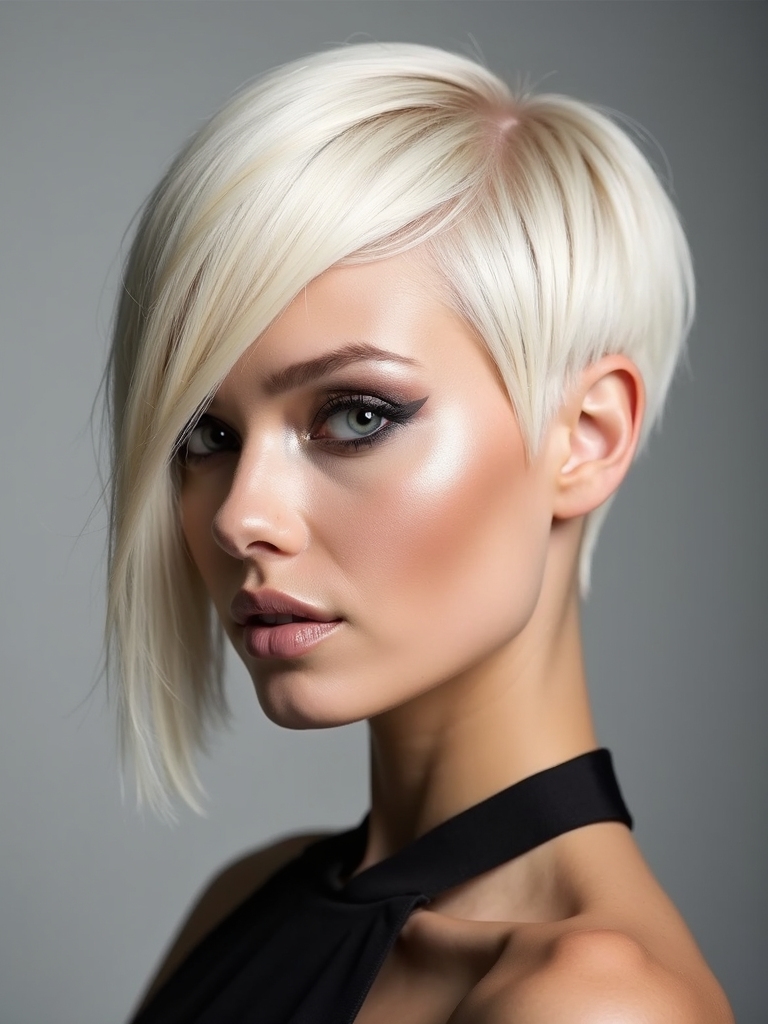
Cutting one side longer than the other turns a long pixie into a deliberately graphic shape, and a fringe swept across the face extends that diagonal line further. The combination reads as confident rather than accidental, part of why it photographs well from most angles.
- The longer side can be worn tucked or left loose for two distinct looks from one cut.
- A choppy, textured fringe edge suits this version better than a blunt one.
- Regrowth on the shorter side shows first, so that side alone often needs a trim between full visits.
Tousled Grown-Out Airy Layers

The grow-out stage between a pixie and a longer cut has a reputation for looking unfinished, but roughed-up, airy layers change that. Worked with a texturizing spray and scrunched rather than smoothed, the in-between length reads as an intentional style instead of a phase to get through.
- Rough-dry the layers with a texturizing spray instead of smoothing them down.
- Scrunch rather than comb, letting some pieces sit unevenly on purpose.
- A light matte product on just the ends keeps flyaways from turning frizzy instead of tousled.
A few ideas about growing out a pixie deserve a second look.
❌ Myth: Myth: Growing out a pixie means an awkward stage with no good options.
✅ Reality: Airy, roughed-up layers turn the in-between length into a style of its own rather than something to just survive.
❌ Myth: Myth: Texture spray only works on second-day hair.
✅ Reality: It works just as well right after a wash, since the goal is separation and grip, not extra oil.
Sleek Tucked-Under Pixie
Blow-dried smooth and tucked behind the ears or under at the ends, a long pixie shifts from playful to polished. The line stays clean and the shape reads more grown-up, a natural choice for work settings or evenings where the cut needs to look considered rather than casual.
- A smoothing cream applied before blow-drying keeps flyaways down without stiffening the finish.
- A flat iron run over the ends locks the tuck in place through a full day.
- Humidity is the main threat to this version, more than to any other variation here.
Voluminous Feathered Crown

Lifting the crown gives a long pixie a slightly retro silhouette with real presence at the root. Feathered layers through the top are cut to stand up rather than lie flat, while the sides stay closer to the head, balancing the extra height.
Most pros map this shape to rounder or longer face types, where the added height at the crown works with the proportions instead of against them. A volumizing product at the root and a round brush during blow-drying build most of the lift.
👍Where This Version Wins
- +Adds real height and presence without extra length.
- +Works well on hair that tends to fall flat by midday.
- +Balances proportions on longer face shapes.
👎Where It Asks More
- –Needs a round brush during drying, not just a finger-style.
- –Volume fades faster on very fine hair without product.
- –Less suited to already-rounder face shapes.
Curly Long Pixie With Ringlets
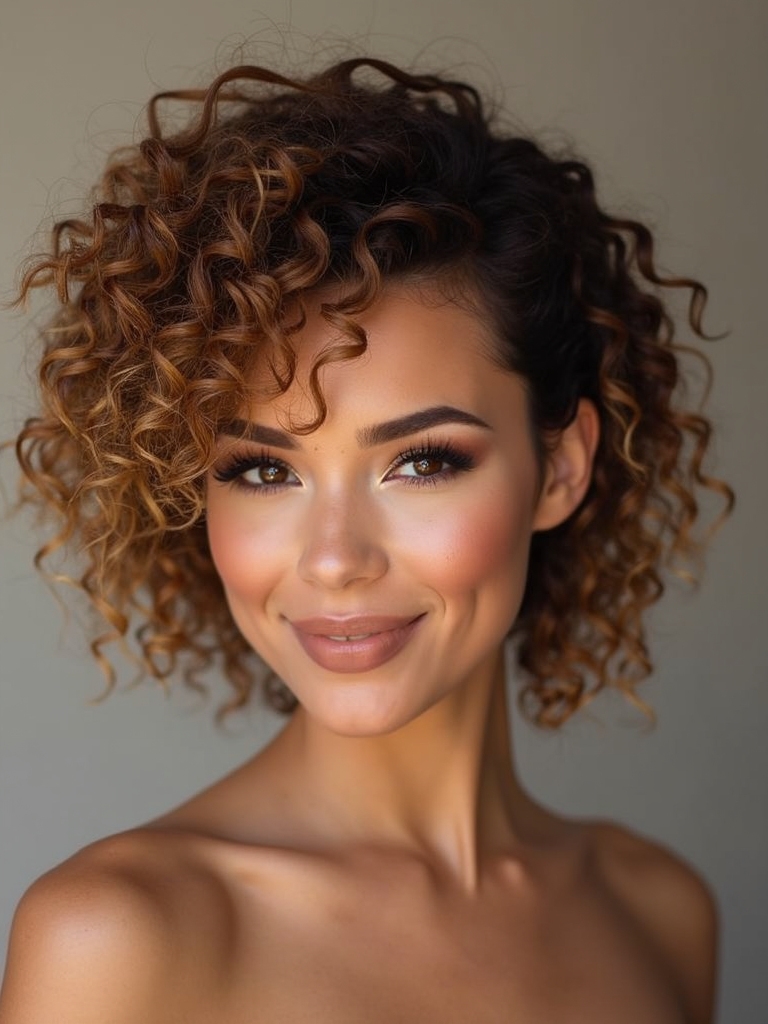
Curl pattern changes how a long pixie behaves more than almost any other factor. Extra length on top gives coils room to form a full ringlet instead of drawing up into a tight, close curl, which is why this cut tends to suit curly hair better than a cropped version would.
Cutting to the curl pattern rather than to a fixed length matters here — layers placed with the curl in mind let ringlets stack and bounce instead of clumping into one dense shape. A curl cream scrunched through damp hair defines the shape without weighing it down.
Shaggy Textured Long Pixie

Borrowing structure from a shag, this version piles choppy, piecey layers through the crown and fringe for a looser, rock-leaning finish. Layers cut throughout rather than just at the ends give it constant movement and a slightly undone edge.
Rubbing a matte-finish product between the palms before scrunching it through breaks up the layers without gluing them flat, and this is one of the few pixie variations where a messier finish actually reads better than a neat one.
💡Texture Note
A little dry shampoo at the root before styling gives paste something to grip, which helps piecey texture hold through a full day.
Long Pixie-Bob With Layers

Somewhere between a pixie and a bob, this version keeps the back cropped short while letting the front grow into real length, closer to a very short layered bob up front. Layers blend the two lengths together so the cut moves as one shape.
- A lower-commitment entry point for anyone unsure about going fully short.
- Grows out into a bob shape with minimal awkward stages.
- The front length gives more to work with on days that call for a simple style.
Side-Part Long Pixie With an Undercut
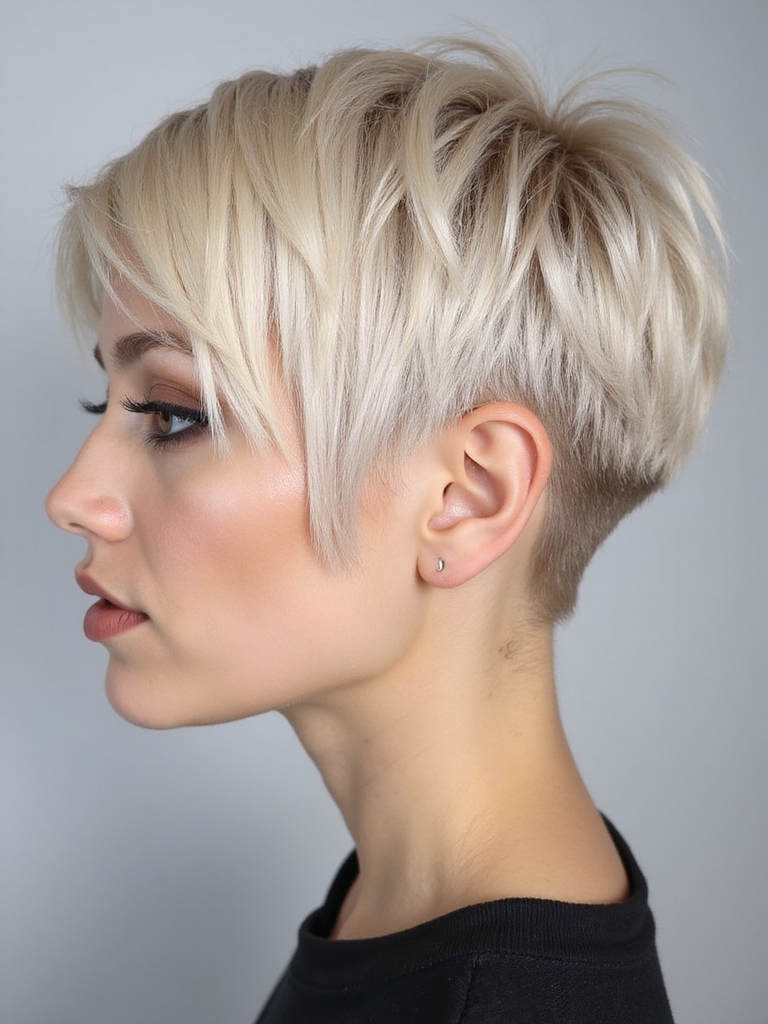
A deep side part paired with a hidden undercut gives a long pixie real structural edge. Removing weight underneath lets the top sit sleek and lift slightly at the part, while the part itself sweeps the remaining length dramatically across for an asymmetric line.
- The undercut stays hidden until the hair is swept back or pinned.
- Debulking underneath is what allows the top to sit flat instead of puffy.
- Growing an undercut back out takes real patience, so it suits committed short-hair wearers more than the curious.
Choppy Layered Long Pixie
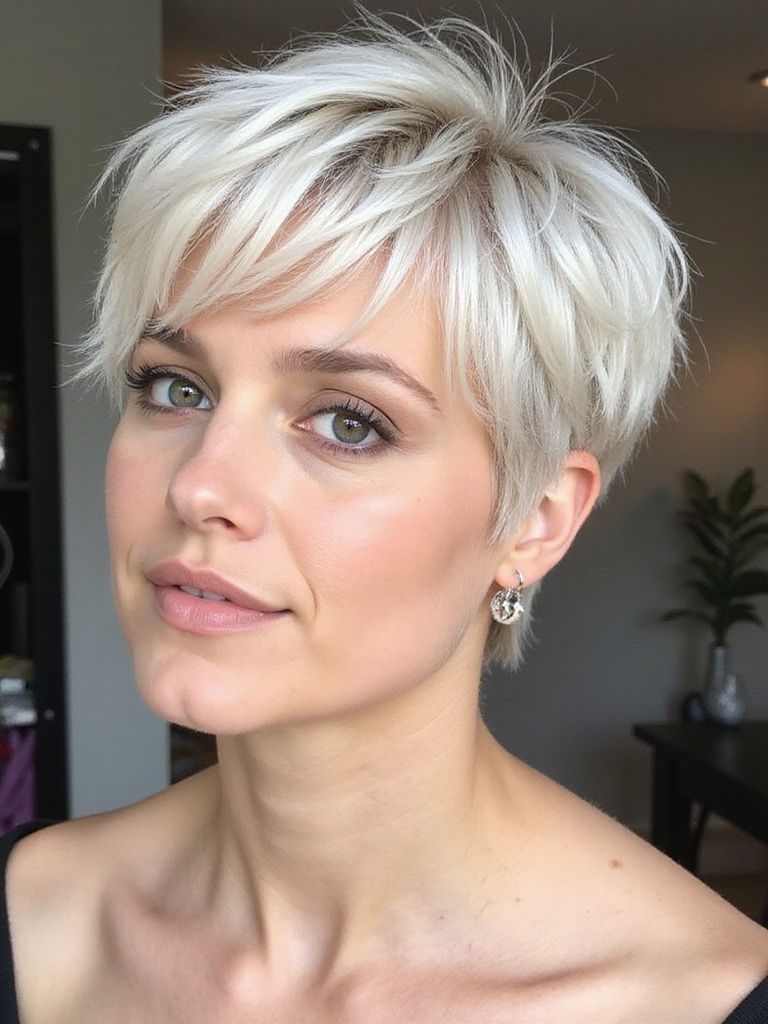
Point-cut layers scattered irregularly through the top build a sharp, broken-up texture rather than a smooth, blended one. The effect looks bolder and more textured than most variations here, and straight or slightly wavy hair shows the individual pieces most clearly.
Working a small dab of matte clay into just the ends defines each piece; anything glossy or heavy flattens the very separation the cut is built around.
- Straight and loosely wavy textures show the choppy pieces most distinctly.
- Product choice matters more here than on smoother variations.
- A dry, matte finish photographs sharper than a shiny one.
Tousled Wavy Long Pixie

Natural wave and a long pixie pair naturally, since the extra length on top gives the bend somewhere to go instead of getting cut away entirely.
The texture largely styles itself here — a salt or texture spray scrunched into damp hair plays up the movement, and air-drying keeps the whole look relaxed rather than engineered.
Wavy or loosely curly hair benefits most from this version, since straighter textures need a curling wand or diffuser to fake the same effect.
Glossy Long Pixie With a Fringe
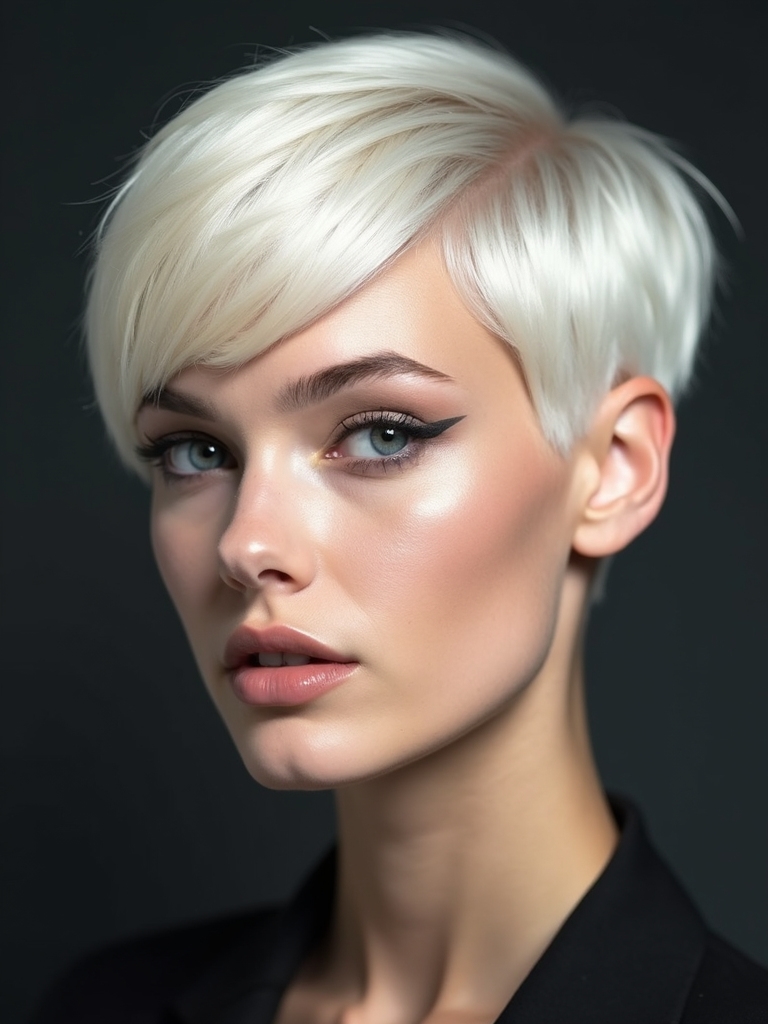
Smoothed to a high shine and paired with a soft fringe, a long pixie can look considerably more expensive than the effort behind it suggests.
Keeping the Shine Without the Grease
Blow-drying the top and fringe glass-smooth, then adding a shine-boosting serum, gets most of the effect. The fringe itself softens the forehead and keeps all that polish from feeling too severe.
A single drop of serum smoothed over dry hair typically finishes the look, since more product just weighs the shine down into greasiness.
Side-Shaved Pixie With Volume

Shaving one side down to the skin while keeping the top long and full creates the boldest contrast on this list. All the visual weight shifts toward the voluminous side, building a dramatic, asymmetric silhouette.
The shaved side needs its own upkeep on a separate schedule entirely; most pros suggest a clipper touch-up on roughly a three-week rhythm to keep the line crisp.
Volume on top comes from a paste applied at the root plus lift during drying, balanced deliberately against the bare, close-shaved side.
Layered Long Pixie for Lift
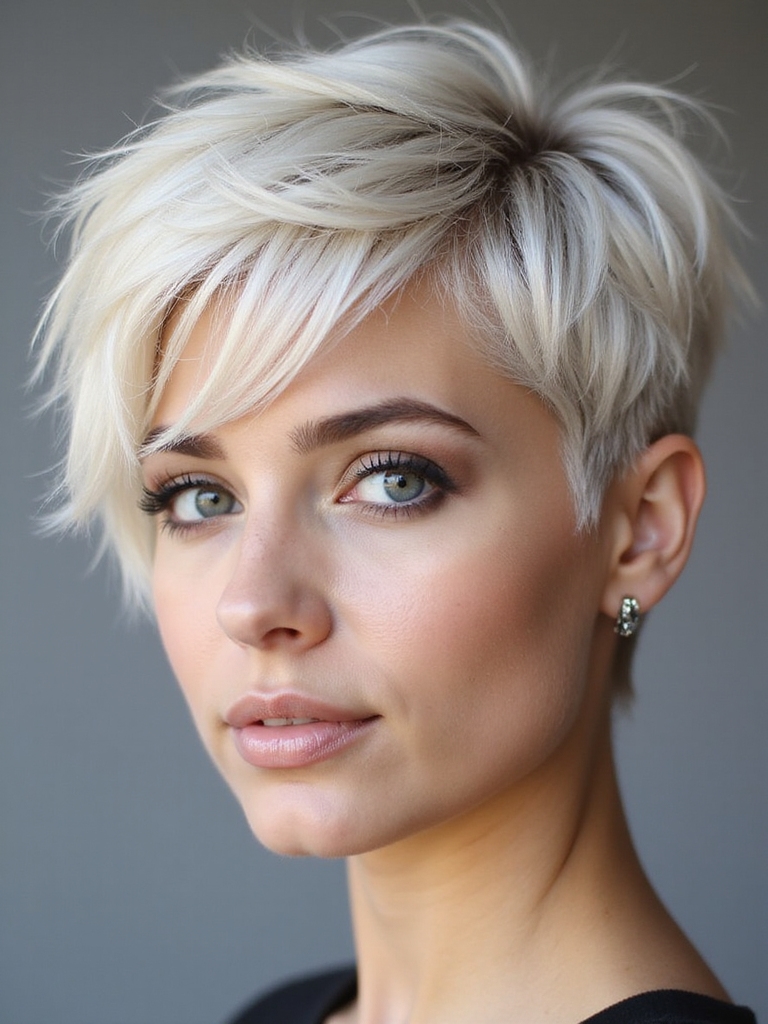
Soft layers cut through a long pixie build natural lift without leaning on much product. The layering alone lifts the crown and adds bounce, giving the cut shape and body on its own.
Hair that tends to fall flat by midday benefits most from this structural approach, since the lift is built into the cut rather than added and re-added through the day.
A light volumizing spray at the roots extends the lift further, but the layering itself does most of the actual work.
Quick gut-check before committing to this version:
1Does your hair fall flat by early afternoon without help?
Structural layering like this is built to counter exactly that.
2Are you willing to skip heavy conditioners on the top section?
Rich conditioners and oils weigh down the same lift the layers create.
Long Pixie With Curtain Bangs

Curtain bangs added to a long pixie soften the whole shape and frame the face from both sides. The center-parted fringe sweeps away and blends into the longer top, keeping the front open rather than cropped.
This pairing flatters an unusually wide range of face shapes, since the fringe can be styled fuller for more coverage or swept back for a cleaner line depending on the day.
Keeping the bangs long enough to tuck into the top means they grow out gracefully instead of needing a separate, more frequent trim.
Sculpted Angled Long Pixie

The most architectural version on this list, a sculpted, angled long pixie is built on clean, deliberate lines with almost no reliance on texture or movement. The cut angles longer toward the front and stays close and precise at the back and sides.
Because the shape does most of the work, it needs relatively little daily styling once cut well. Working a dime-sized amount of pomade through only the top holds the lines in place, and precision at the initial cut matters more here than with almost any other variation.
What to Expect
Short hair trades length for upkeep, and a long pixie is no exception. The back and sides grow out fastest since they’re cut closest, so most wearers land on a shape-up roughly every five weeks to keep the line sharp; a salon visit for that trim is typically priced around $40, separate from a full restyle.
Styling itself asks far less: most versions here take only a few minutes of product and fingers, well under the time a longer blowout demands. Anyone hesitant about going this short might start with the pixie-bob variation instead, which offers more length to retreat to while still testing shorter hair overall.
Long Pixie Questions, Answered
?What makes a long pixie different from a regular pixie cut?
A classic pixie crops everything close to the head, while a long pixie keeps meaningful length through the top and fringe. That extra length gives it more styling range and a softer, less severe finish overall.
?Can a long pixie work on curly or wavy hair?
Yes — curl and wave patterns actually give this cut more to work with, since the retained length lets coils form a full ringlet or lets waves bend naturally instead of getting cut away too short to show.
?How soon after the first cut does a long pixie need a follow-up visit?
Most people book their first follow-up around the five-week mark, since the perimeter grows out faster than the length on top. After that, the cut usually settles into a steady, predictable rhythm.
The Long Pixie Rewards a Little Commitment
A long pixie proves short hair doesn’t have to mean severe, holding onto enough length on top to stay feminine, styleable, and surprisingly varied across sixteen very different moods.
Bring a clear sense of how much length you want on top and how much edge you’re after into the next consultation, and let a stylist experienced with short cuts shape the rest.
Don’t Miss These