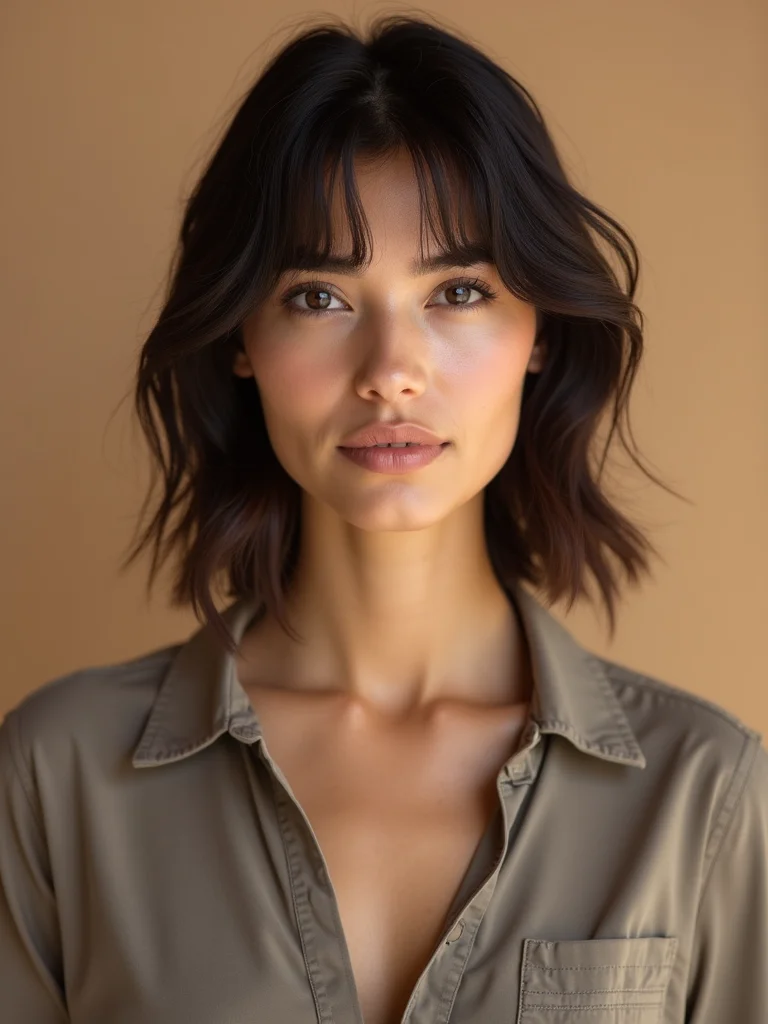
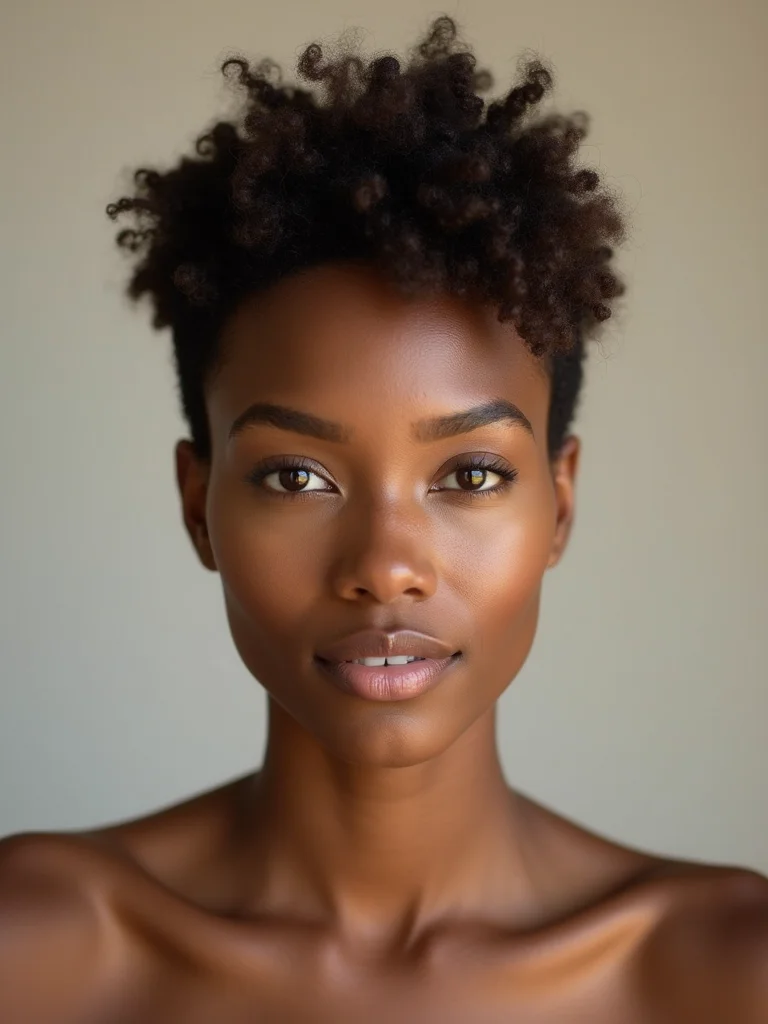
A woman walks into a salon holding up a photo of a stranger’s bob and asks for that exact cut. Ten minutes later, the same length looks like an entirely different haircut on her, not because the stylist changed anything, but because her face is a different shape and her hair is a different texture.
That gap between the photo and the mirror is where most bob regret starts. Matched correctly to face shape and hair type, a bob flatters almost on autopilot; matched to a photo alone, it’s a coin flip. Below is the version built for the face and texture actually in the chair.
The Fast Face-Shape Match
- Oval and longer faces can wear almost any bob; round, square, heart, and diamond faces flatter more from a specific length and angle.
- Fine hair holds a blunt or stacked bob best; thick hair needs internal layers so the same shape doesn’t turn boxy.
- Most bobs need a shaping visit every five or six weeks to keep the line sharp, longer if the cut is soft or grown-out.
Start With Your Face Shape, Not the Photo
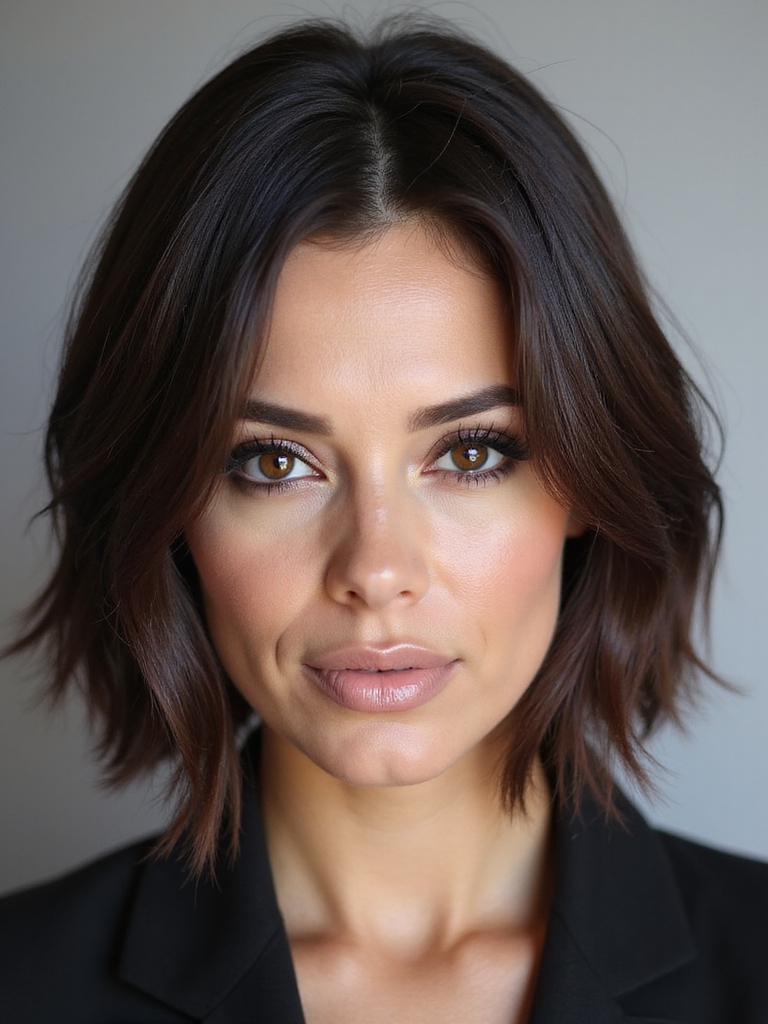
Before choosing a length or an angle, work out which face shape is actually being cut for, because that single fact decides more about a bob than any trend does. Stand in front of a mirror with hair pulled back, and notice where the face is widest: cheekbones, jaw, or forehead.
Most people land somewhere between two categories, and that’s fine; this is a rough read, not a full diagnosis. A bob chosen for the actual shape underneath tends to look intentional; a bob chosen because it looked good on someone else usually looks slightly off, even when the cut itself is done well.
- Round or square: width at the cheeks or jaw is close to the width at the forehead
- Oval or long: the face reads noticeably longer than it is wide
- Heart or diamond: the forehead or cheekbones are the widest point, tapering toward a narrow chin

The Classic Neck-Grazing Chin Bob
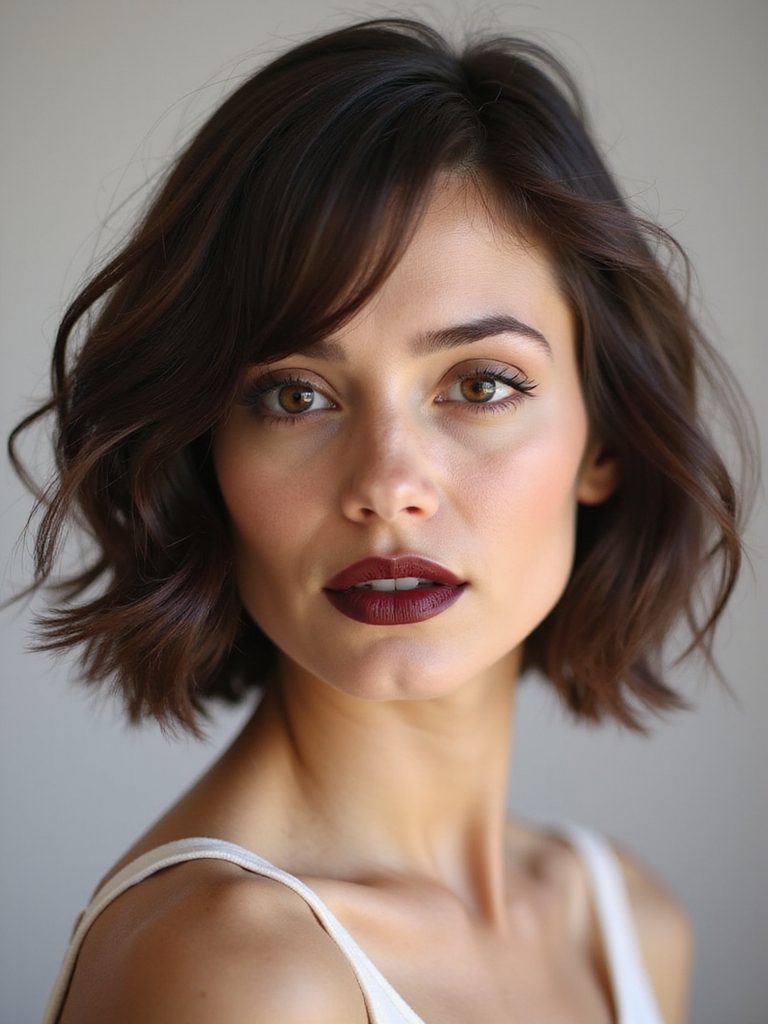
The chin-length bob is the reference point every other version gets compared to. Landing right at the jaw, blunt or with the faintest layering, it looks polished without trying hard, and it has stayed in rotation for close to a century of hairstyling. On an oval or longer face, it adds width at the jaw without help from bangs or layers.
Round faces can still wear it, with one small adjustment: a shifted part or a slight forward angle keeps the blunt line from squaring off the cheeks. Skip it if the goal is low-effort hair. A one-length chin bob shows every irregular grow-out day within a few weeks, so it suits someone willing to keep it on schedule.
- Best on oval and longer face shapes without adjustment
- Round faces should ask for a slight angle or a shifted part
- Needs a shaping visit sooner than longer bobs to stay sharp
The Lob That Suits an Oval Face
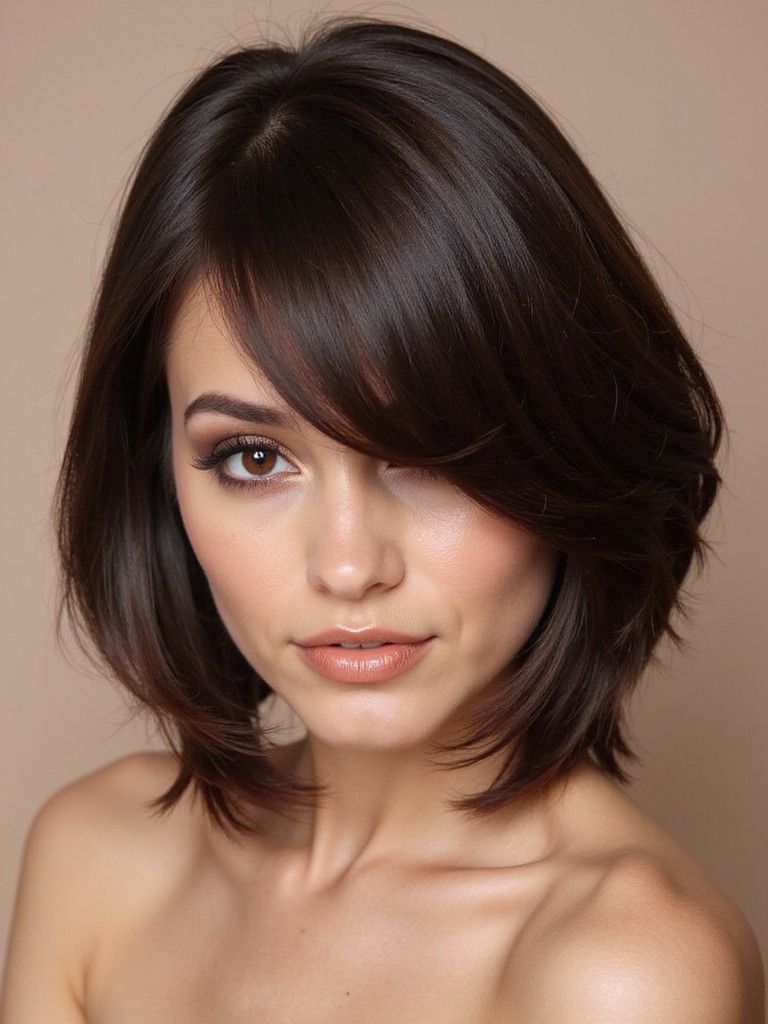
An oval face can wear almost any bob, which turns the decision into a lifestyle question more than a corrective one. The lob, grazing the collarbone, is often where stylists steer oval-faced clients who want a bob’s polish without giving up length to tie back on a bad-hair day.
A few long layers through the ends keep it from looking like one heavy block, and the extra length forgives a missed trim better than a shorter version would. Push it shorter or blunter any time a change is wanted. Oval faces rarely lose the flattering effect either way.
The Inverted Bob Built for Round Faces
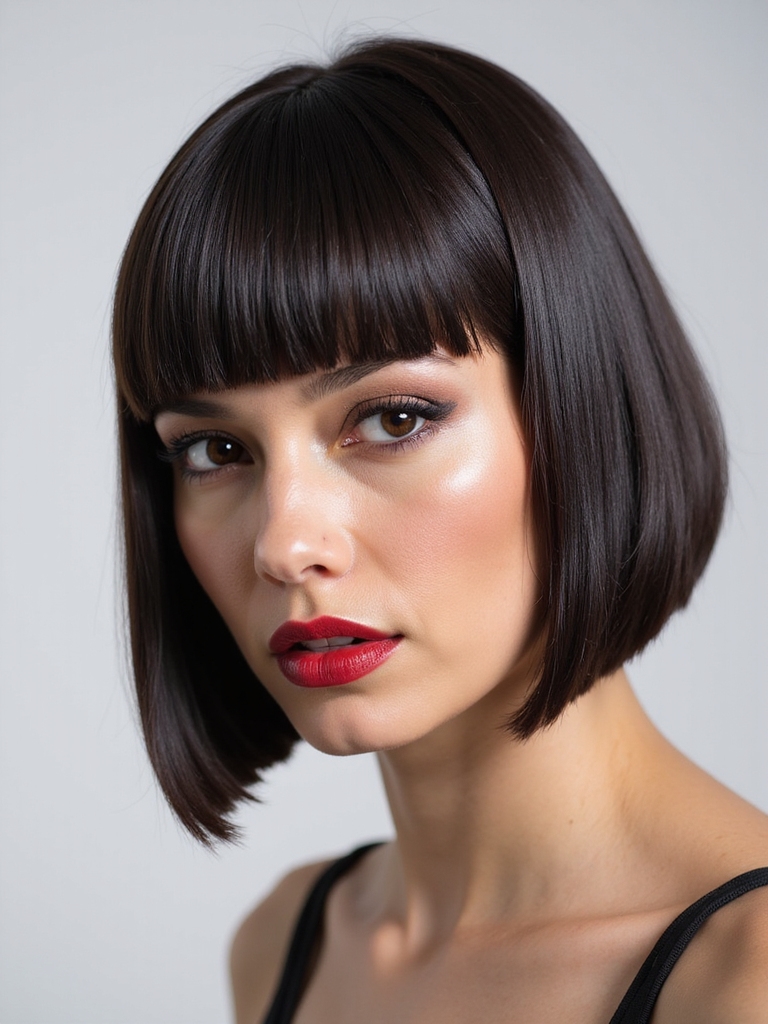
A round face is best served by a bob that adds length and angle instead of width, and the inverted shape does exactly that. Stacked shorter at the back with longer pieces angling toward the chin, it draws the eye downward and slims the face as it goes.
Front pieces should land below the chin for the full elongating effect. A one-length cut with no stacking is the one thing to avoid here. The angle does the real work. Without it, the width comes right back.
Length that falls below the jawline does more to slim a round face than any amount of layering above it.
Softening a Square Jaw With Face-Framing Layers
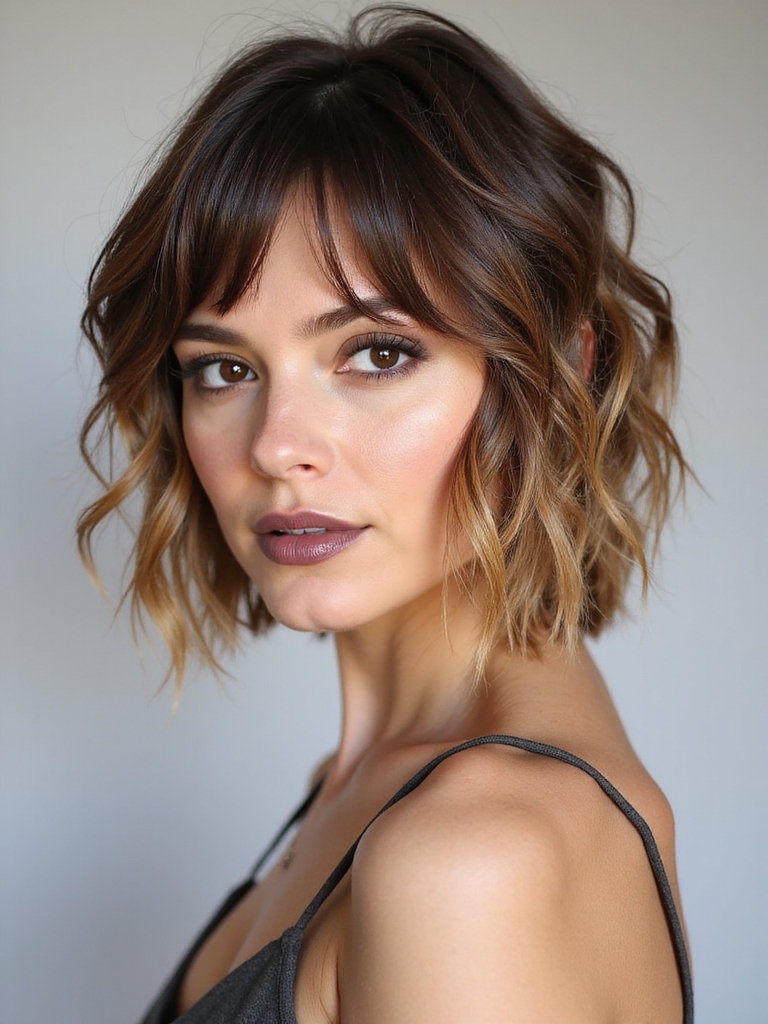
A square face carries a strong, defined jawline. The job of a bob here is to soften those corners. An off-center part paired with layers that curve inward at the jaw takes the edge off those straight lines, without erasing the bone structure underneath.
- Choose an asymmetrical or off-center part over a middle part
- Ask for face-framing layers that curve inward at the jaw
- Keep the length a touch past the jaw
The Layered, Wavy Bob for Heart-Shaped Faces
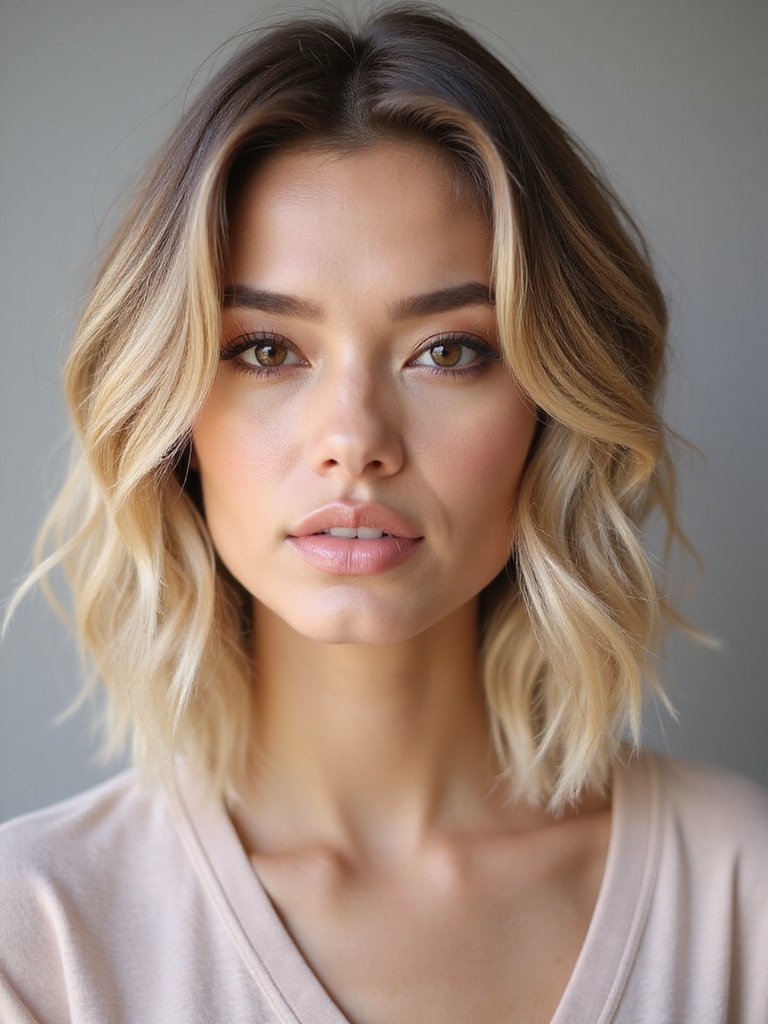
A heart-shaped face carries more width up near the brow and narrows quickly toward the chin, so the fix is building a little presence back in at the jaw and below.
A layered bob with movement gathered around the jawline does that quietly. Waves or loose bends through the ends add visual width exactly where the face needs it, while the length staying at or below the chin keeps the proportions balanced.
Curtain bangs are worth considering here too, since they soften a wider forehead without adding bulk anywhere else. A flat, straight-across fringe is the one thing to be cautious with: it can make the widest part of the face look even wider.
A quick way to tell if a face leans heart-shaped:
1Is the forehead clearly the widest point of the face?
That’s a heart-shape signal on its own.
2Does the chin come to a narrow point rather than a rounded one?
Combined with a wide forehead, that confirms it.
Textured Coils That Balance a Diamond Face
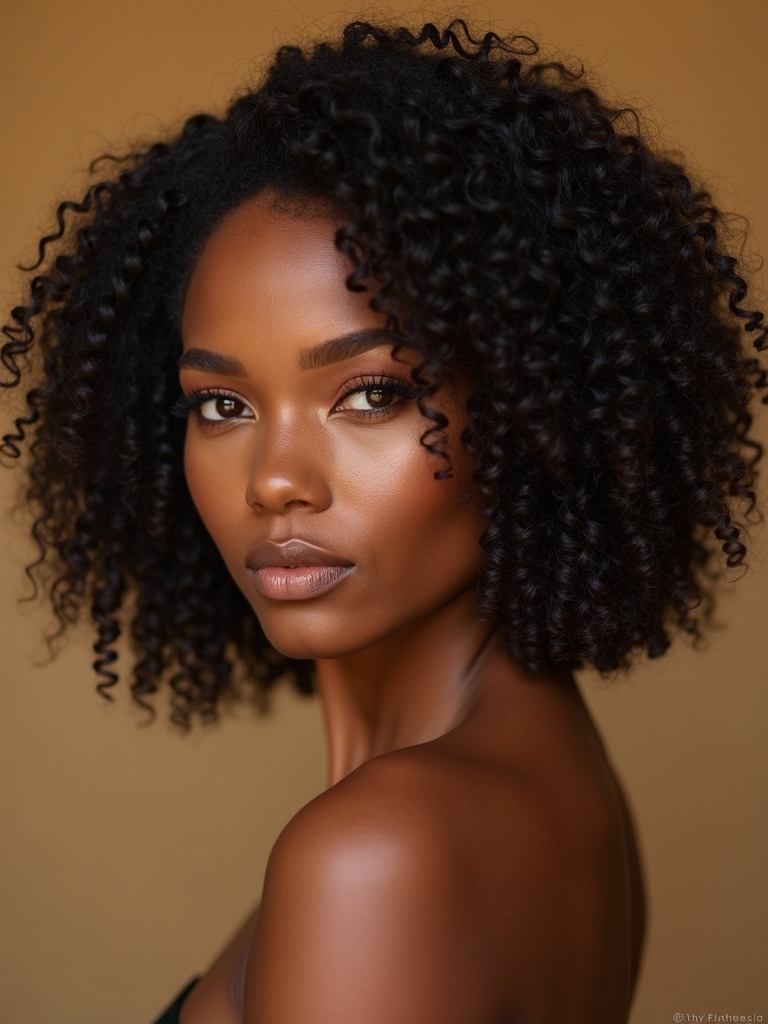
A diamond face leads with the cheekbones and narrows at both the forehead and the chin, so a bob here should add a little width at the top and bottom without piling more fullness at the cheeks.
Soft texture and a bit of fullness through the ends, cut to sit near the jaw, does that balancing work, while keeping the sides close through the cheekbone stops the face from looking wider than it is. A chin-grazing length with piecey, textured ends, and a soft fringe if bangs are wanted, frames the cheekbones cleanly.
The Asymmetrical Bob as a Statement
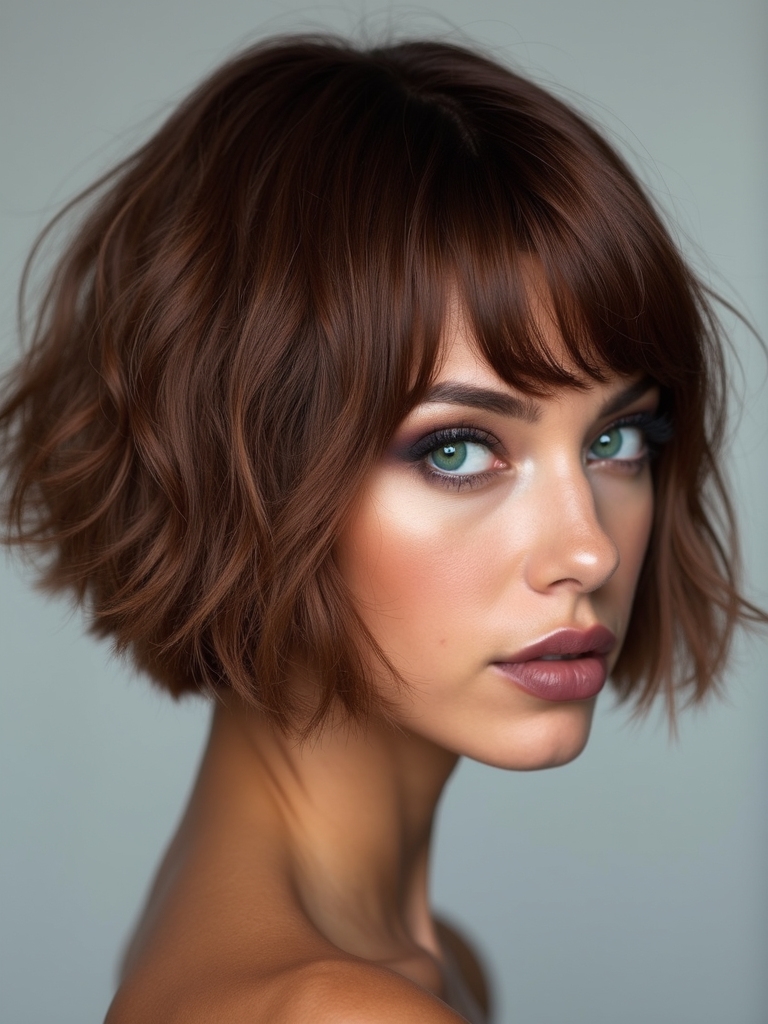
When the goal shifts from correction to personality, an asymmetrical bob cut deliberately longer on one side is the boldest version of the flattering-bob idea. The uneven line draws the eye on a diagonal, which has a slimming effect on nearly every face shape.
Keeping the Asymmetry Sharp
The length difference between the two sides can be subtle, sometimes just an inch is enough to look intentional, or dramatic, with one side above the jaw and the other well past it. The shorter side tends to need attention more often, since it grows out of its sharp line faster than the longer side does.
This isn’t a set-and-forget cut. The asymmetry only looks deliberate when the shorter side stays crisp, which means booking trims on a schedule before the difference has a chance to blur.
A couple of ideas about asymmetrical bobs worth clearing up:
❌ Myth: Myth: it only works with straight, sleek hair.
✅ Reality: Reality: wavy and curly textures wear it well too, and the uneven line just looks a little softer.
❌ Myth: Myth: growing it out ruins the whole cut.
✅ Reality: Reality: a stylist can rebalance the two lengths gradually instead of cutting straight back to even.
Why a Micro Bob Is a Hair-Type Decision

Face shape decides the silhouette; hair texture decides whether that silhouette actually behaves once it’s cut. A micro bob, cropped close and short, is a clear example: the same length behaves completely differently depending on what the hair itself is doing.
- Fine, straight hair: holds the shape cleanly with almost no daily effort
- Thick or coarse hair: needs internal thinning to avoid sitting heavy
- Curly or coily hair: cut dry, in its own pattern, since it springs up shorter once it dries
The Collarbone-Length Lob and Its Trim Schedule
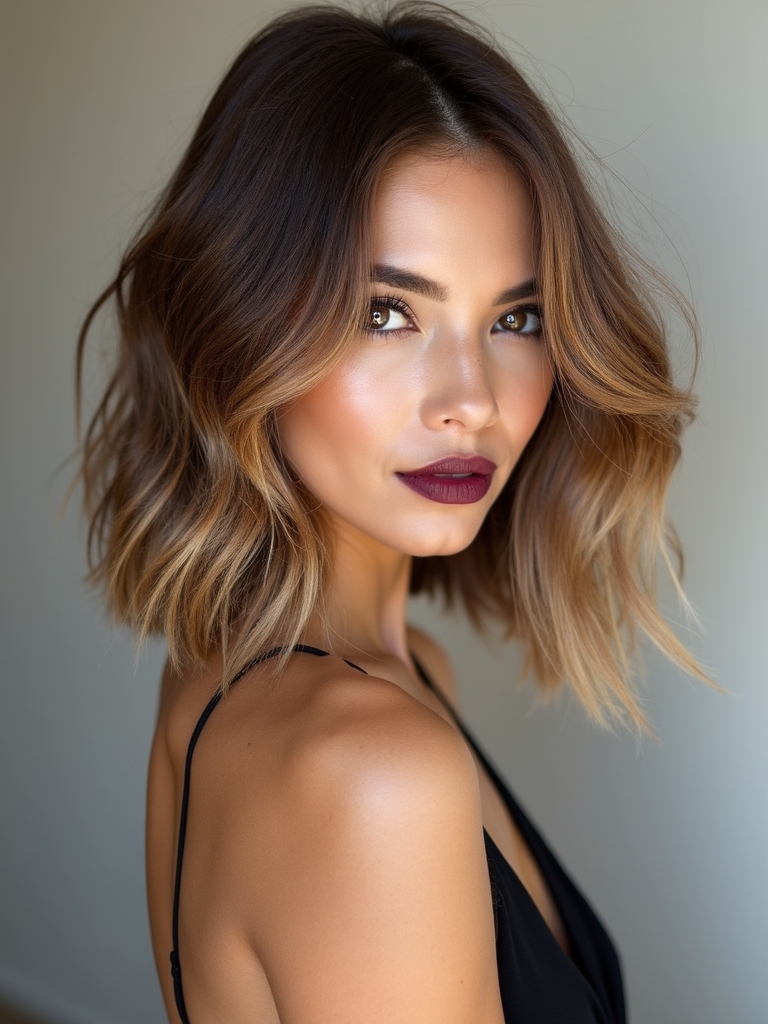
A bob is a precise shape, and it loses its line faster than longer hair does, so the upkeep is worth knowing before committing to one. Most bobs need a shaping visit every five or six weeks to hold their edge; a longer, softer lob like the collarbone-length version here can often stretch closer to eight.
Stacked, inverted, and angled shapes grow out fastest and lean toward the shorter end of that window. Budget for it. A full reshaping visit tends to run $25 to $60 depending on the salon, while a quick fringe or edge tidy between full visits is usually closer to $15 to $20. Anyone who can’t keep that pace is better off starting with a longer, softer bob. It forgives growth better than a sharp, short one does.
Bangs That Sharpen or Soften a Bob
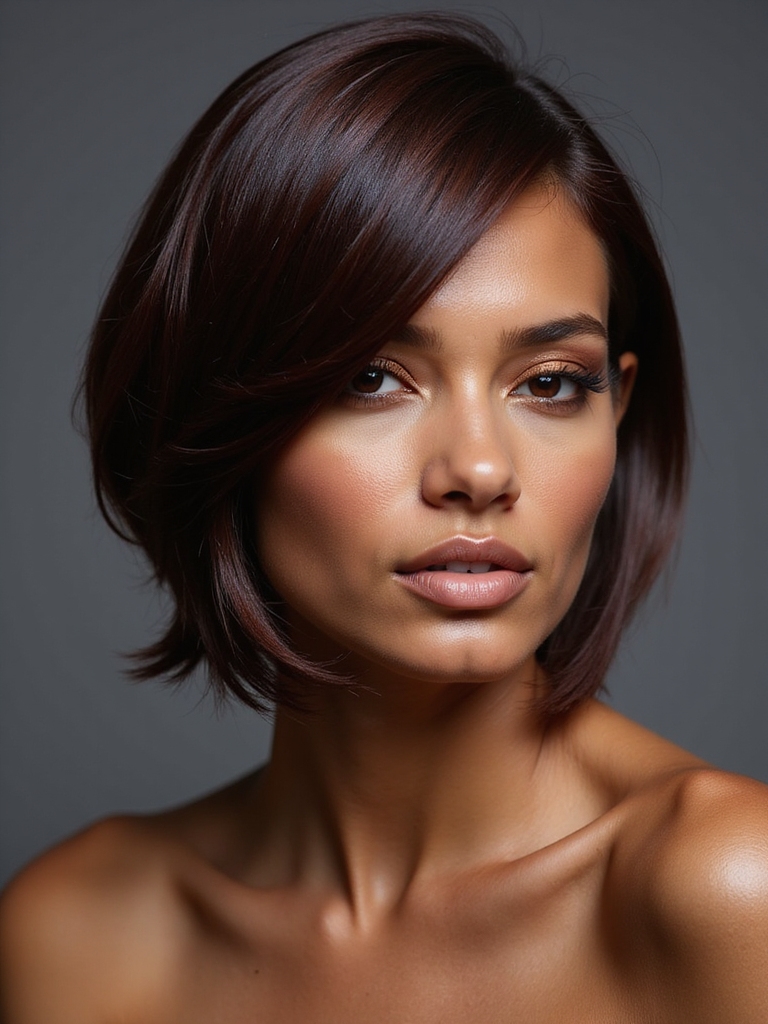
Bangs are the fastest way to fine-tune a bob without changing the length underneath, and the right style follows the same logic as the cut itself. Curtain bangs flatter nearly every face and are especially useful for balancing round or heart shapes; a blunt fringe visually shortens a long face; soft, side-swept bangs ease the hard lines of a square jaw.
The one pairing worth a second thought is heavy, straight-across bangs on a round face with a short, blunt bob: the combination can close the whole face in. When unsure, softer and slightly longer is the safer bet, and it grows out into the cut gracefully.
- Curtain bangs work broadly, especially on round or heart faces
- A blunt fringe shortens the look of a long face
- Avoid heavy, straight bangs on a round face paired with a short bob
💡Fringe Reality Check
Bangs need their own touch-up between full haircuts, usually inside a month, or they grow past the eyes before the rest of the bob needs any attention at all.
Color Placement That Reshapes a Bob
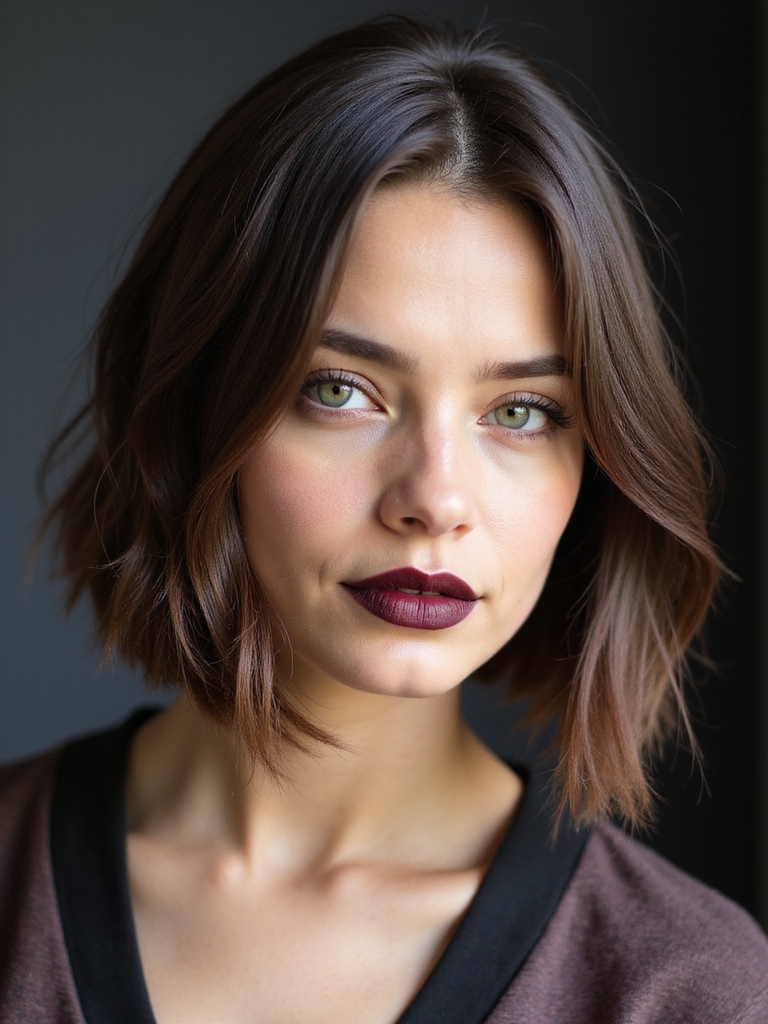
Color is the quiet partner to a good bob, and smart placement can do some of the shaping work the cut is already doing. Face-framing highlights or a brighter piece near the front pull the eye inward and narrow a rounder face, while keeping the roots a shade deeper adds weight where it’s wanted.
Color follows the cut. On a stacked or inverted bob, a soft lowlight underneath makes the back look fuller than it is, and balayage swept toward the front pieces underlines the angle of the cut. The boldest color belongs wherever the eye is meant to land; everywhere else, let it sit quieter.
- Face-framing color narrows a rounder face
- A soft underneath lowlight adds the illusion of fullness on stacked or inverted shapes
- Balayage toward the front pieces emphasizes an angled cut
Bob Cuts for Fine Versus Thick Hair
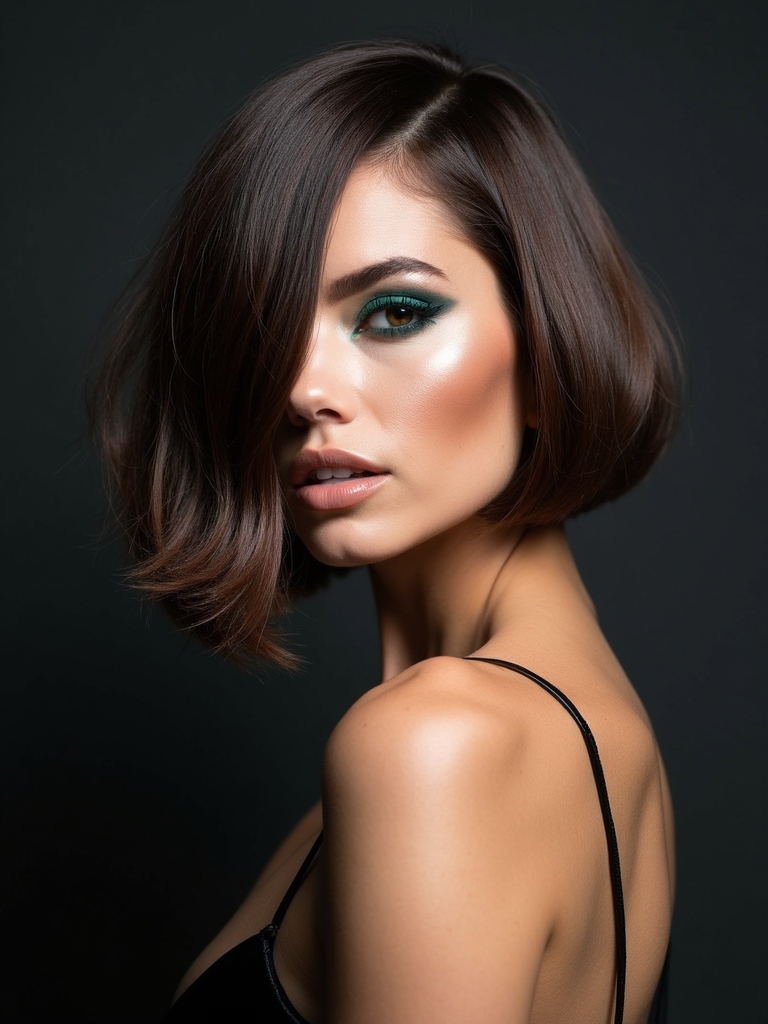
Texture pulls a bob in two nearly opposite directions, so the fix depends on which side of that line the hair falls on. Fine hair does best in a blunt or stacked bob that keeps as much weight as possible; heavy thinning is the one thing to avoid, since it only makes fine hair look thinner.
Thick hair needs the opposite treatment: internal layering to remove bulk, or the same shape turns into a triangle. Wavy hair generally wants to be cut slightly longer than the target length to allow for the natural spring once it dries, and curly hair should always be cut dry, in its own pattern, for the same reason.
- Fine hair: blunt or stacked, minimal thinning
- Thick hair: internal layers to remove bulk
- Wavy or curly hair: cut longer than the target length, and cut curls dry
Adjusting a Bob Through the Seasons
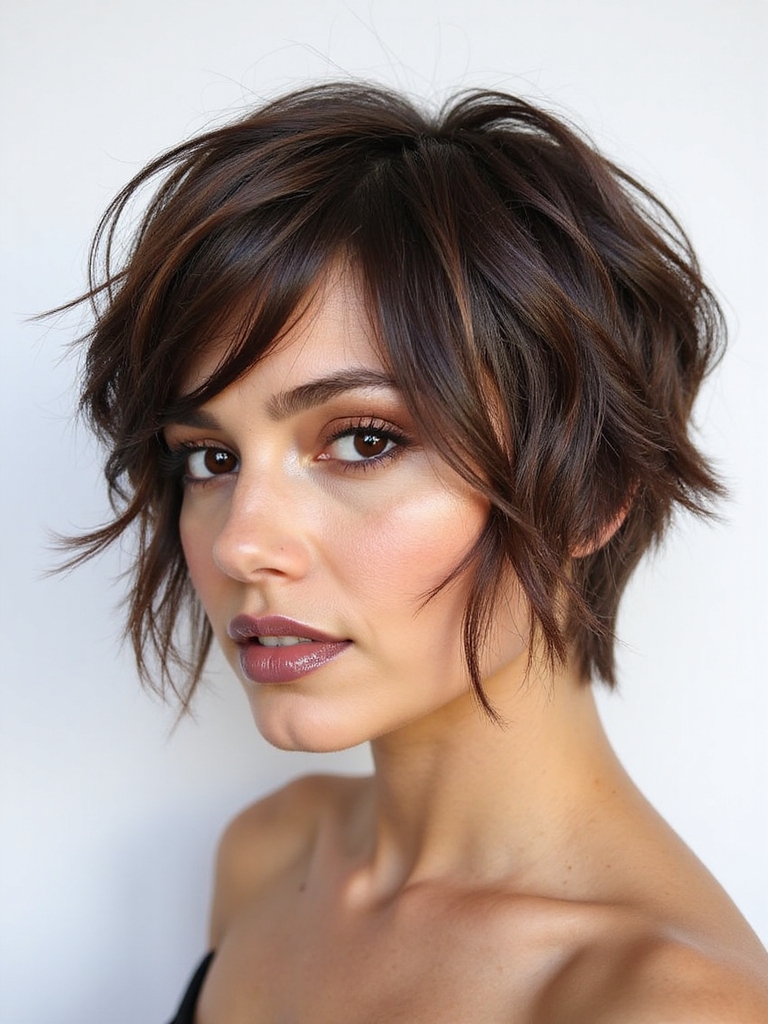
One of the quieter advantages of a bob is how easily it shifts through the year without needing a new cut, just a new finish. Humid summer air pushes most bobs toward looser, air-dried texture or a piece pinned back off the neck, while dry winter air rewards a sleeker, flat-ironed finish with a light shine product to fight static.
Right now, the softer, slightly undone version of the bob is the one showing up most on salon mood boards, less polished than the sleek styles of a few years back. The cut itself never changes. Only the styling routine shifts with the season.
Salon Precision, At-Home Styling
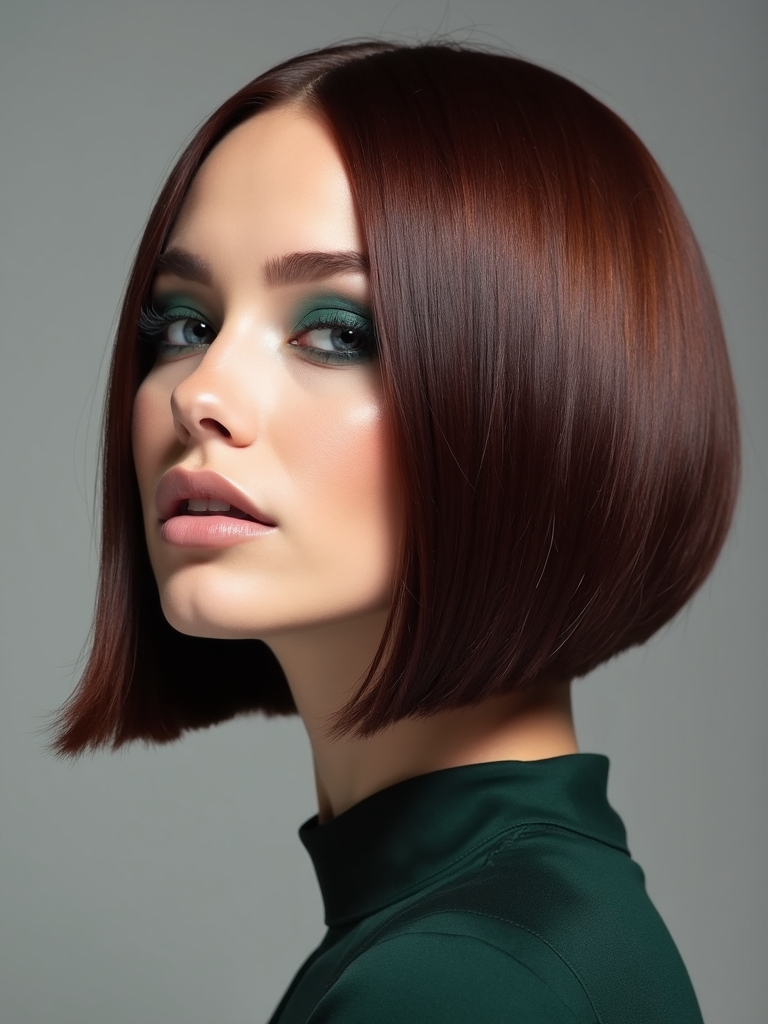
The honest division of labor with a bob is this: the cut belongs in a salon, and the styling belongs to whoever’s wearing it. The precision that makes a bob flattering, the angle, the weight distribution, the face-framing, is hard to replicate without professional tools and the right mirror angle. This isn’t the cut to attempt with kitchen scissors.
Styling it day to day is far more forgiving than the cut itself. A bob is short enough that a quick round-brush blow-dry or a couple of passes with a flat iron usually covers the whole routine, and a light dry-shampoo pass along the part line stretches a fresh style by another day or two.
- Leave the cutting and reshaping to a professional every five to eight weeks
- A round brush or flat iron covers most day-to-day styling
- A dry-shampoo touch-up near the part stretches a style between wash days
What People Actually Ask About Bob Cuts
?Can a bob work with naturally curly hair?
Yes, but it has to be cut differently. Curly bobs are shaped dry, curl by curl, because hair coils up shorter once it’s released from wet, stretched-out lengths. A stylist who skips that step usually leaves the cut too short, since a length that looks right wet can shrink by an inch or more once it’s fully dry.
?What’s the actual difference between a bob and a lob?
Length, mostly. A classic bob typically sits at or above the jaw, while a lob, or long bob, grazes the collarbone or goes slightly past it. The lob keeps most of a bob’s polish while staying long enough to pull back into a low ponytail on days a full style isn’t happening.
?Does an asymmetrical bob need bangs to look finished?
No. The uneven length is already the statement, and bangs can compete with that line rather than support it. Most asymmetrical bobs look more deliberate left bang-free, with the diagonal doing all the work on its own.
?How much length is actually lost going from long hair to a bob?
Usually somewhere between six inches and a foot, depending on how long the hair was to start and how short the target bob is. Going straight from waist-length to a chin bob in one visit is a big jump; some stylists suggest an in-between shoulder-length cut first if the change feels risky.
?Will a bob change how a hair color looks?
It can, especially with balayage or highlights placed for longer hair. Color meant to catch the light near the ends of long layers can end up sitting in the wrong spot once several inches come off, so flag any existing color to the stylist before the cut, not after.
Bring Your Face, Not Just a Photo
A bob earns its reputation as a go-to flattering cut only when every part of it, length, angle, weight, and finish, is chosen for the face and texture underneath rather than copied from someone else’s photo. Matched that way, it tends to be the kind of bob haircut people keep coming back to for years, adjusting the details without ever really leaving it behind.
The homework is simple: know the face shape, know the hair texture, and bring both, not just a photo, into the next appointment. Whichever version comes out of that conversation, it will be built for the person actually wearing it.
Don’t Miss These