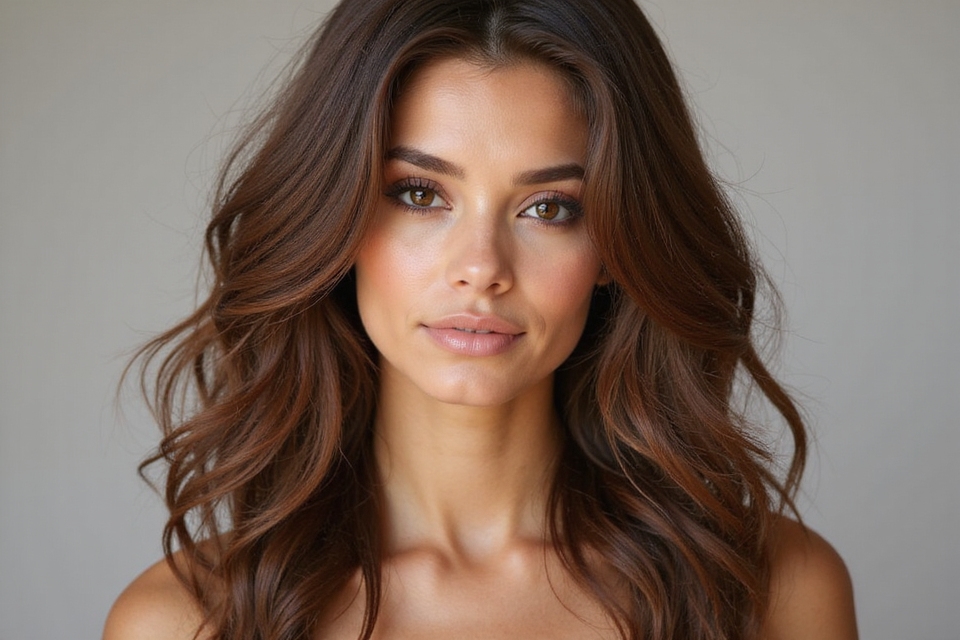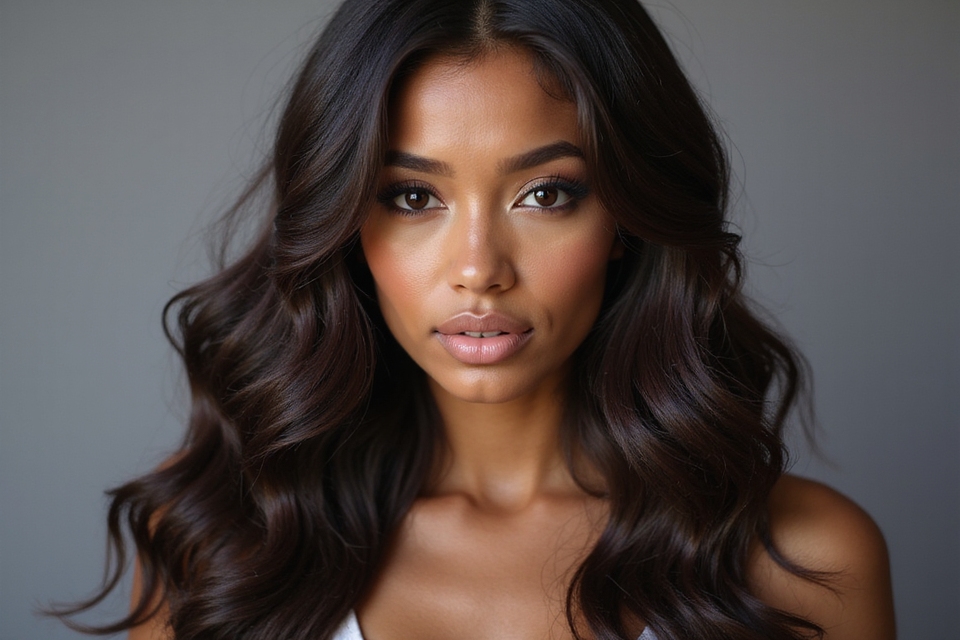
Ever felt like your black hair looks a little flat in photos, one solid block with nowhere for the light to land? Lowlights are the quiet fix. Instead of lifting your hair lighter, they weave in tones a shade or two deeper and richer than your base, so the color gains movement and depth without a dramatic change.
This is the low-commitment, low-damage end of color, since going darker or richer asks far less of the hair than lightening ever does. Below is everything worth knowing about lowlights on black hair: how they differ from highlights, which shades work, who they suit, the price, and how to keep the tone rich. If you want dimension without the upkeep of blonde, this is your lane.
Lowlights on Black Hair, In Brief
| The idea | What it gives you | Good to know |
|---|---|---|
| Tones deeper/richer than your base | Depth and movement, not a lighter look | Far gentler on hair than lightening |
| Woven through the hair | A subtle, dimensional finish that catches light | Reads natural, so grow-out is soft |
| Rich browns, espresso, blue-black, warm chocolate | Shade chosen to your undertone and skin | Usually $80 to $150 at a salon |
What Lowlights Actually Do
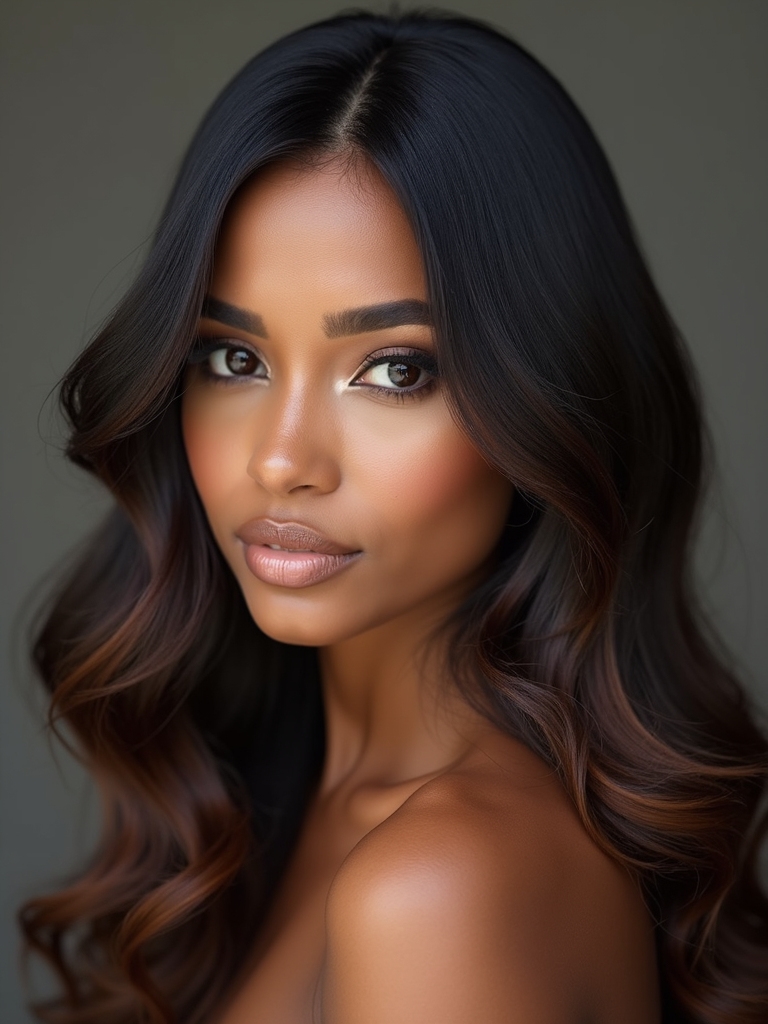
A lowlight does the inverse of a highlight. A colorist weaves in tones a step or two deeper and richer than your natural base, so the hair looks dimensional and full of shadow. On black hair, that might mean espresso, cool blue-black, or a warm chocolate threaded through.
The effect is subtle by design. The aim is shadow and depth, so light travels through the hair in layers and finds texture to land on. It’s the difference between a wall of black and black with real movement in it. One reads flat; the other catches light.
Because it only deepens the hair, a lowlight barely stresses it. That’s the whole appeal on dark hair: dimension you can actually see, at a fraction of the toll lightening takes on the strand.
Why Lowlights Flatter Black Hair
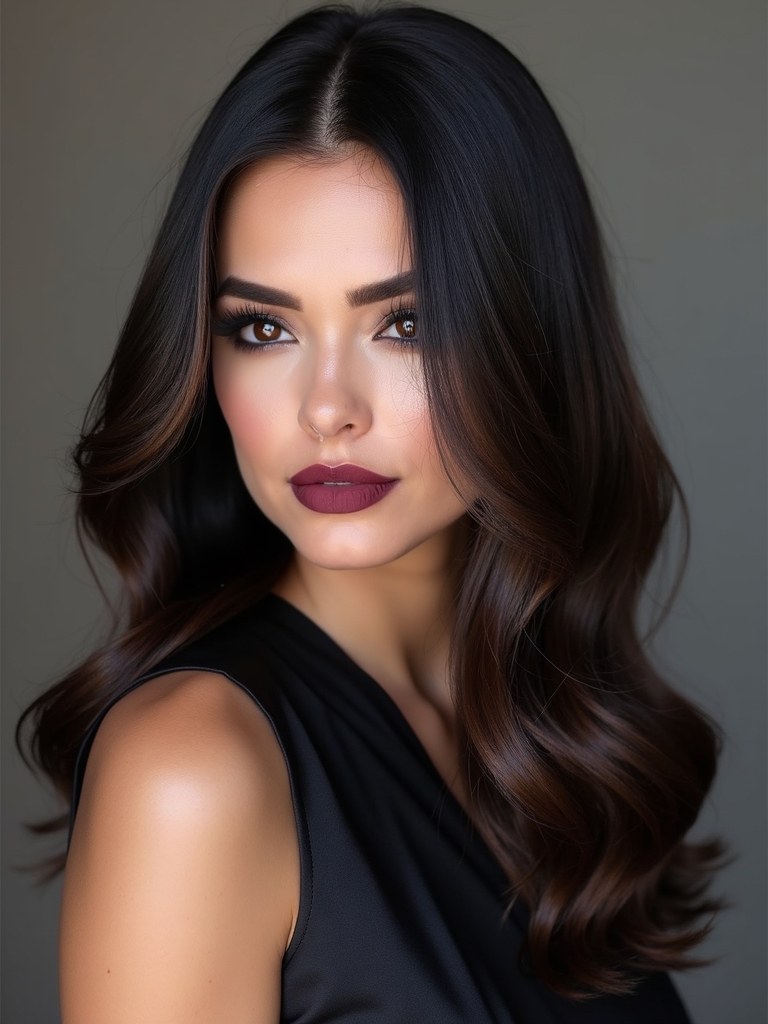
Solid black hair is striking, but it can photograph as one dense shape with no visible texture. Lowlights solve that by giving the eye somewhere to travel, so your layers, curls, or waves suddenly show up. The dimension makes the hair look thicker and more expensive too. That is the quiet trick of it.
The benefits stack up fast for anyone who wants change without commitment:
- Depth and movement that makes flat black hair look fuller and richer.
- Minimal damage, since deepening asks far less of the hair than lifting.
- Soft grow-out, because the tones sit close to your natural base.
Picking the Right Lowlight Shade
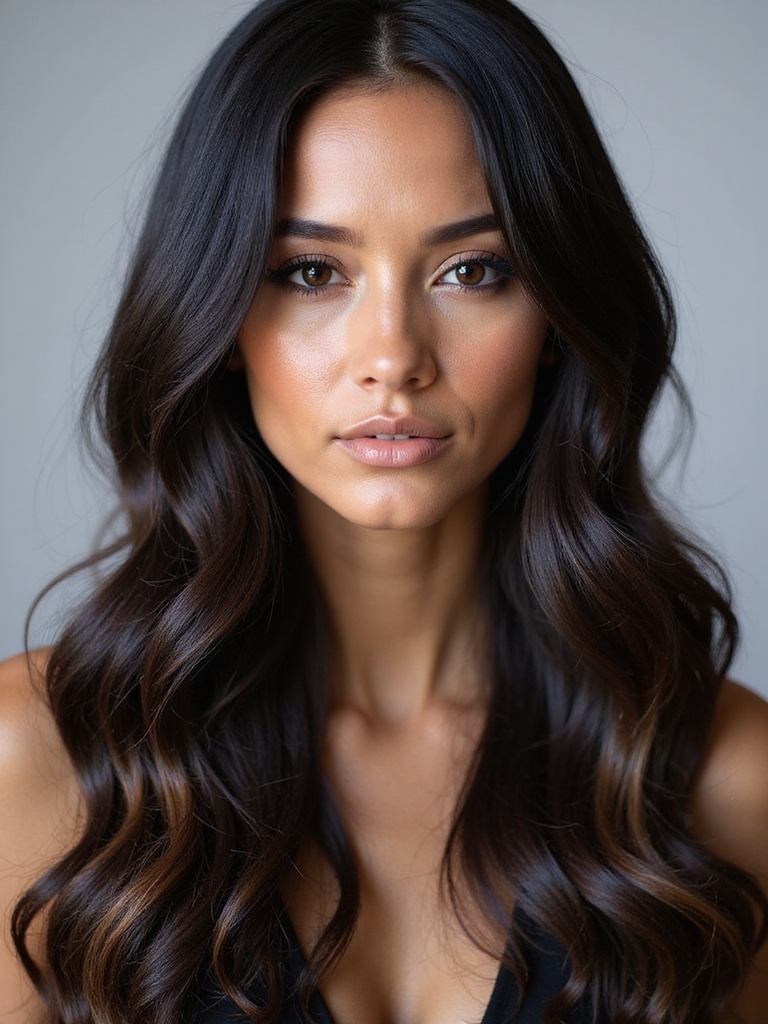
The shade is everything with lowlights, since the goal is a tone that lands as a natural shadow, soft enough to pass for your own. The right pick sits close to your base but carries a different quality of richness, so it deepens without announcing itself.
A few reliable directions, depending on the look you want:
- Espresso and dark chocolate add warmth and richness to a soft black.
- Cool blue-black intensifies a jet-black base for a glossy, deep finish.
- Warm auburn or mahogany hints read subtle in dim light, bold in sun.
Lowlights or Highlights
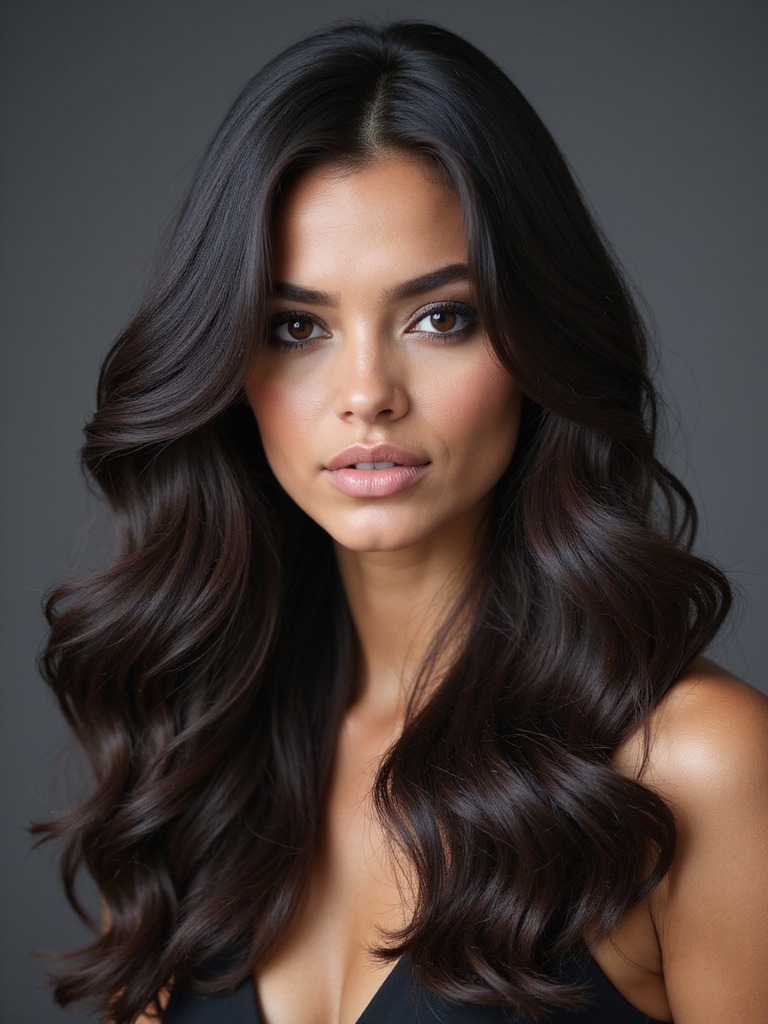
The two are mirror images. Highlights lift sections lighter to brighten and lift the whole look; lowlights deepen sections to add shadow and richness. On black hair, highlights mean bleaching, which is where the damage and upkeep come in, while lowlights leave the lift out entirely.
Which One You Actually Want
That makes lowlights the gentler, lower-maintenance choice for dark hair, and often the more natural-looking one. Highlights announce a change; lowlights just make your existing color richer and more dimensional.
Plenty of people combine the two for full dimension, but if you love your dark base and only want depth, lowlights alone are the move. For the bright, high-contrast route instead, see the black and blonde guide.
Depth That Still Looks Natural
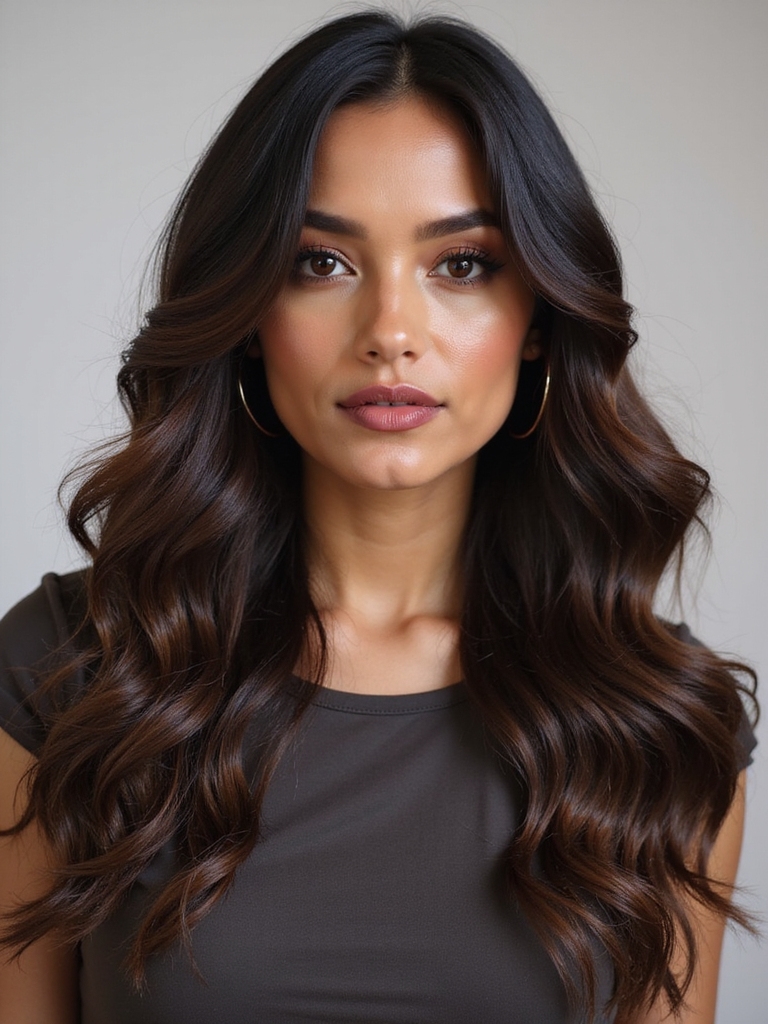
The best lowlights are the ones nobody clocks as color. People notice your hair looks rich and full and photographs beautifully. They just can’t say why. That is exactly the point. It looks like your hair, only better.
That natural quality comes from placement and restraint. A skilled colorist scatters the deeper tones the way real dimension falls, heavier underneath and around the nape, lighter and finer up top, so nothing looks striped or planned.
This subtlety is why lowlights suit people who want their color to feel grown-up and low-key. If your taste runs to quiet luxury, the subtle kind of color, this is the story for you.
Lowlights for Every Hair Type
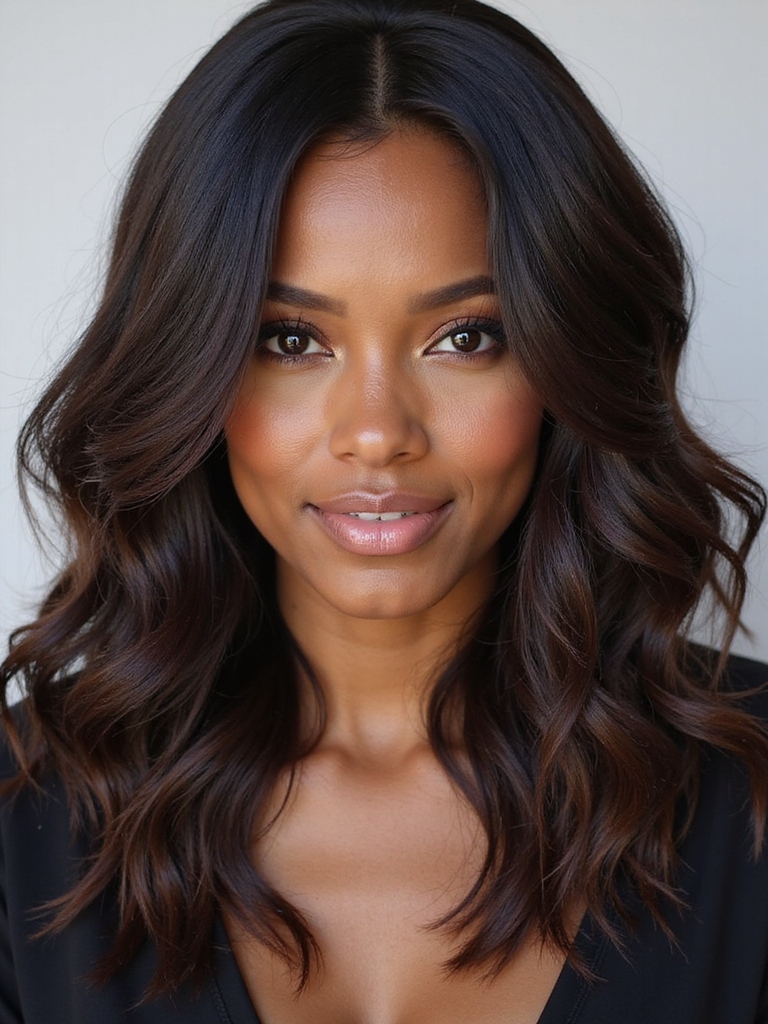
Lowlights work across every texture, but they show up a little differently on each. On straight hair, the deeper tones read as smooth ribbons of shadow; on waves and curls, they pool in the bends and turns, which amplifies the dimension even more.
That means textured and curly black hair often gets the most drama from lowlights, since every coil gives the color another surface to catch. Whatever your texture, the shade and placement get tailored to how your hair falls, so the depth lands where it flatters most.
Lowlights on Curly Black Hair
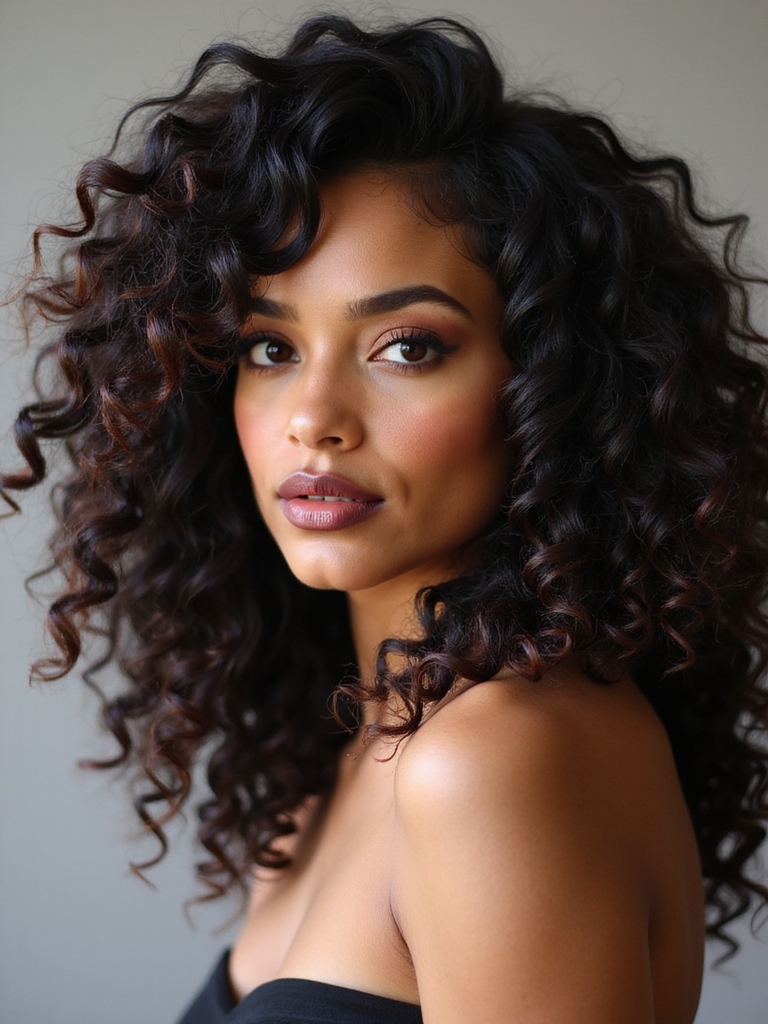
Curly and coily black hair may be the best canvas of all for lowlights, since the deeper tones sink into the coils and make every curl pop with dimension. The one rule is choosing a colorist who understands textured hair and colors it accordingly. How to keep it healthy:
- See a colorist experienced with textured hair, and ask them to protect your scalp and edges from harsh product, since curls color unevenly if rushed.
- Keep the curls deeply moisturized, since any color, even deepening, wants hydration.
- A wash-and-go shows the dimension best, letting each coil catch the deeper tone.
The worry that keeps curly-haired clients from booking lowlights at all:
❌ Myth: Myth: color always damages curly hair.
✅ Reality: Lightening can dry curls, but a lowlight adds a deeper tone, so it deposits color with minimal stress on the coil.
❌ Myth: Myth: lowlights won’t show up on dark curly hair.
✅ Reality: They show up beautifully, since the deeper tones pool in the bends of each coil and amplify the dimension more than on straight hair.
How Lowlights Are Applied
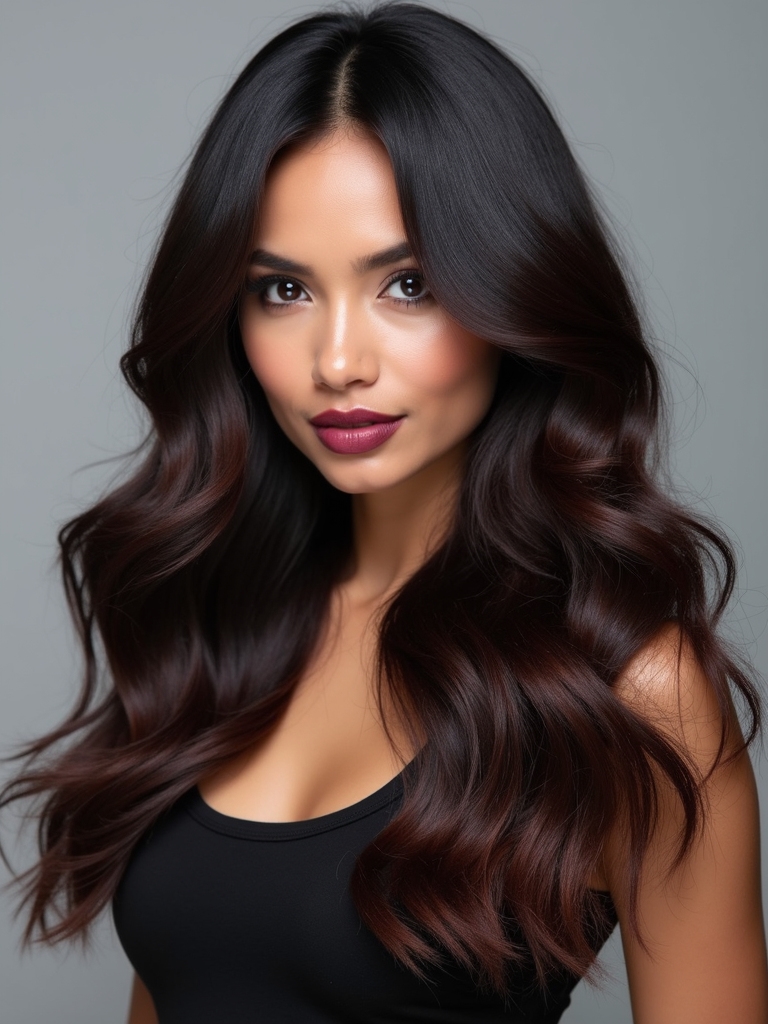
There’s more than one way to place lowlights, and the technique shapes how bold or soft the result reads. Your colorist picks based on the effect you want and how your hair falls. The common methods:
- Foils give precise, defined placement for a controlled, even result.
- Balayage hand-paints the tones for the softest, most natural blend.
- A shadow root or gloss deepens overall without individual sections, the subtlest option.
Lowlights on Straight Black Hair
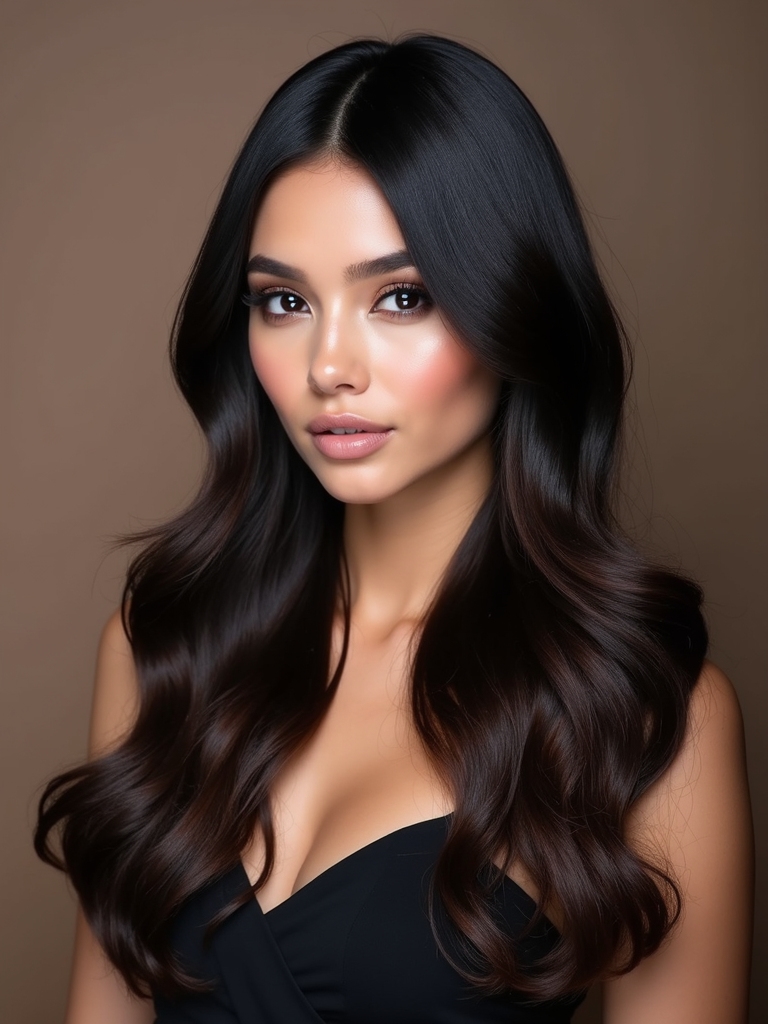
On sleek, straight black hair, lowlights read as smooth vertical ribbons of shadow that add depth without disturbing the polish. The effect is quietly luxurious, the kind of dimension you see on an expensive blow-out that makes you wonder what they did.
Because straight hair shows placement so clearly, precision matters here, and foils often win for their clean, even result. The deeper tones break up that solid wall of black into something with layers and light.
Finish with a gloss and the whole thing gleams. On straight hair especially, shine is what sells the dimension, so keep the hair glossy and the lowlights do the rest.
Matching Lowlights to Your Skin
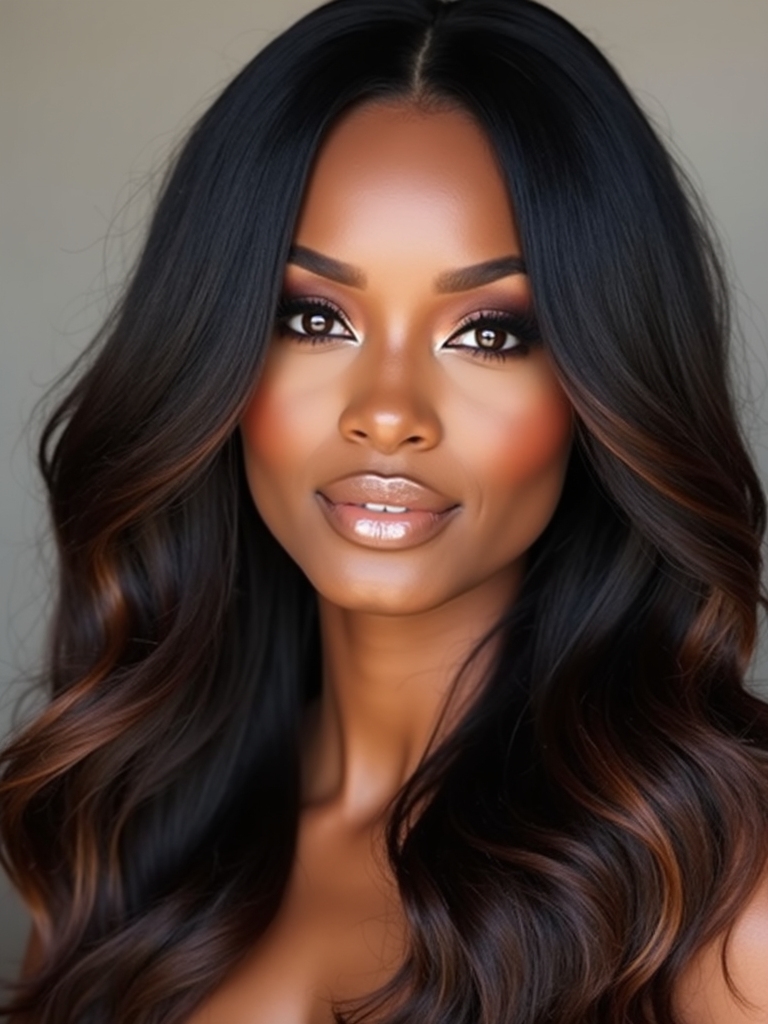
Your skin’s undertone helps decide which lowlight flatters most. Cool complexions tend to glow next to cool depth, a blue-black or an ashy espresso, while warm complexions come alive next to warm richness, chocolate, mahogany, or a touch of auburn.
This is worth a real conversation at your consultation, since the right undertone match is what makes the color read as if it grew that way. When the depth and your skin agree, the whole face looks brighter, and that’s the quiet magic of a well-chosen lowlight.
Lowlights and Hair Health
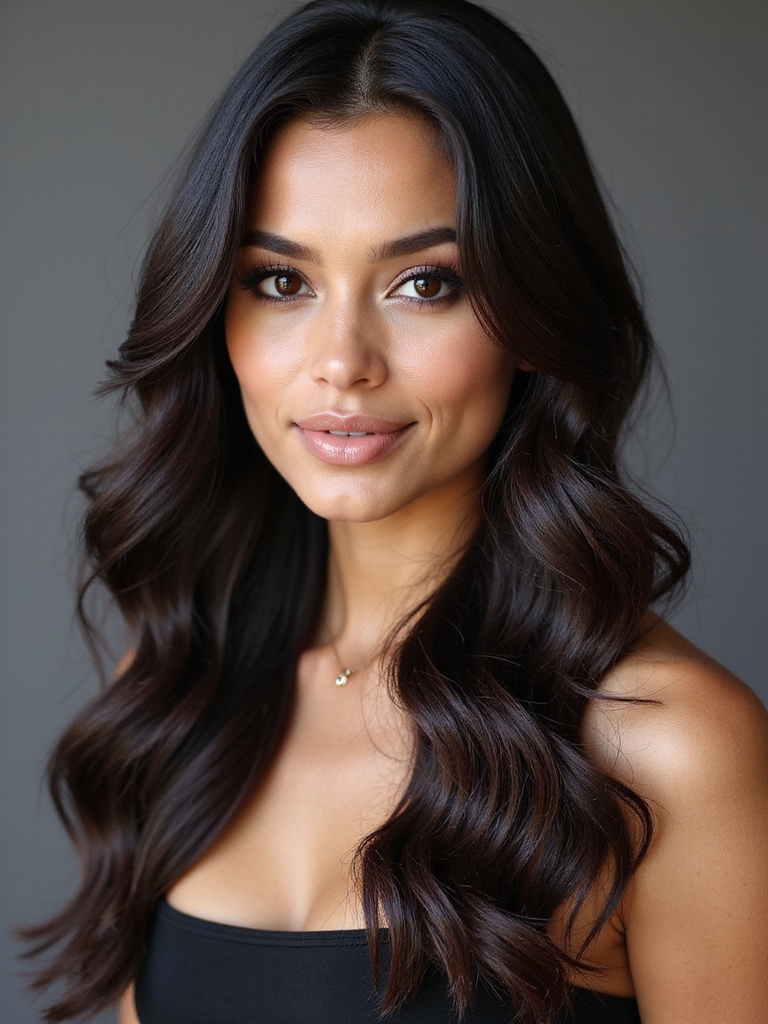
Here’s the part that makes lowlights such a smart entry into color: deepening the hair barely touches its integrity. Lightening has to break down the hair’s structure to lift pigment out, which is where dryness and damage come from, but adding a deeper tone mostly deposits color onto the surface.
That said, any color service is still a service, so a good conditioning routine keeps the tone rich and the hair strong. A lowlight spares you the fragile, thirsty ends that heavy bleaching can leave, which is a big reason it’s the go-to for anyone protective of their hair’s health.
Warm or cool depth? Match it to your undertone.
🎯Cool complexion
Blue-black or ashy espresso looks crisp and glossy against cool skin.
🎯Warm complexion
Chocolate, mahogany, or a hint of auburn glows next to warm skin.
Lowlights Through the Seasons
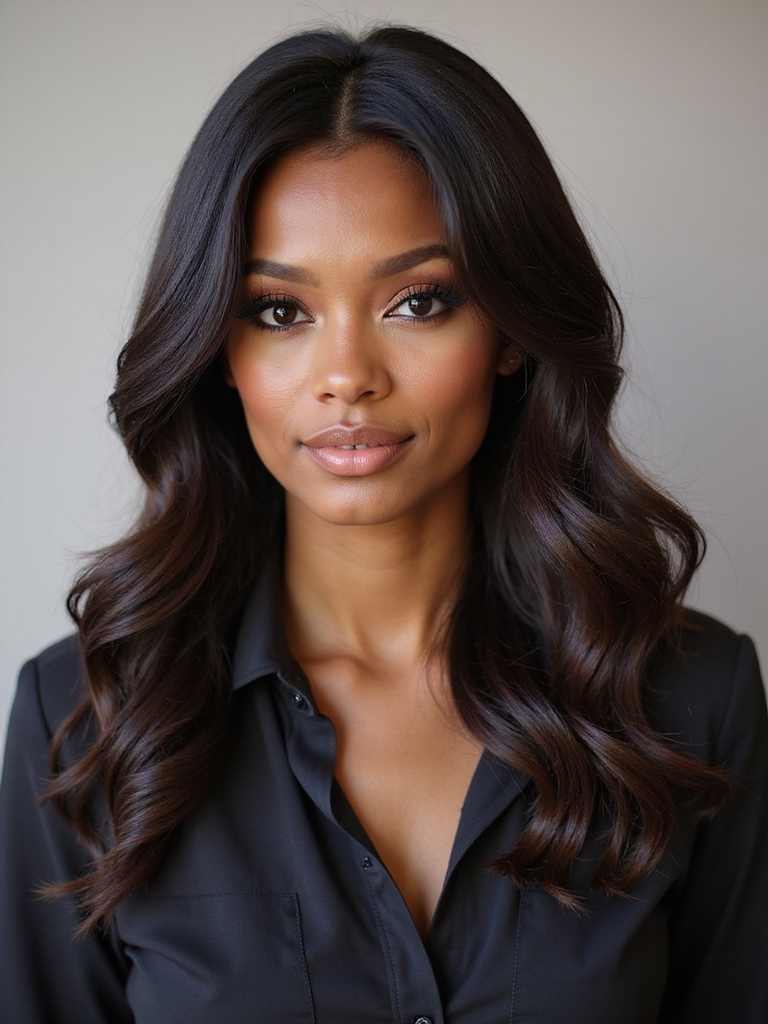
Lowlights are a lovely way to shift your look with the calendar without a big commitment. In the cooler months, richer, warmer tones like chocolate and mahogany add cozy depth; in summer, a cooler espresso or blue-black keeps things sleek and sharp.
Because the change is subtle and grows out softly, you can adjust it season to season without ever dealing with an awkward line or heavy regrowth. It’s a low-stakes way to keep your color feeling fresh.
Right now the trend leans toward warm, glossy depth, a worn-in richness where the hair looks healthy and expensive, never obviously colored. A warm lowlight and a good gloss capture that mood perfectly.
Caring for Lowlit Hair
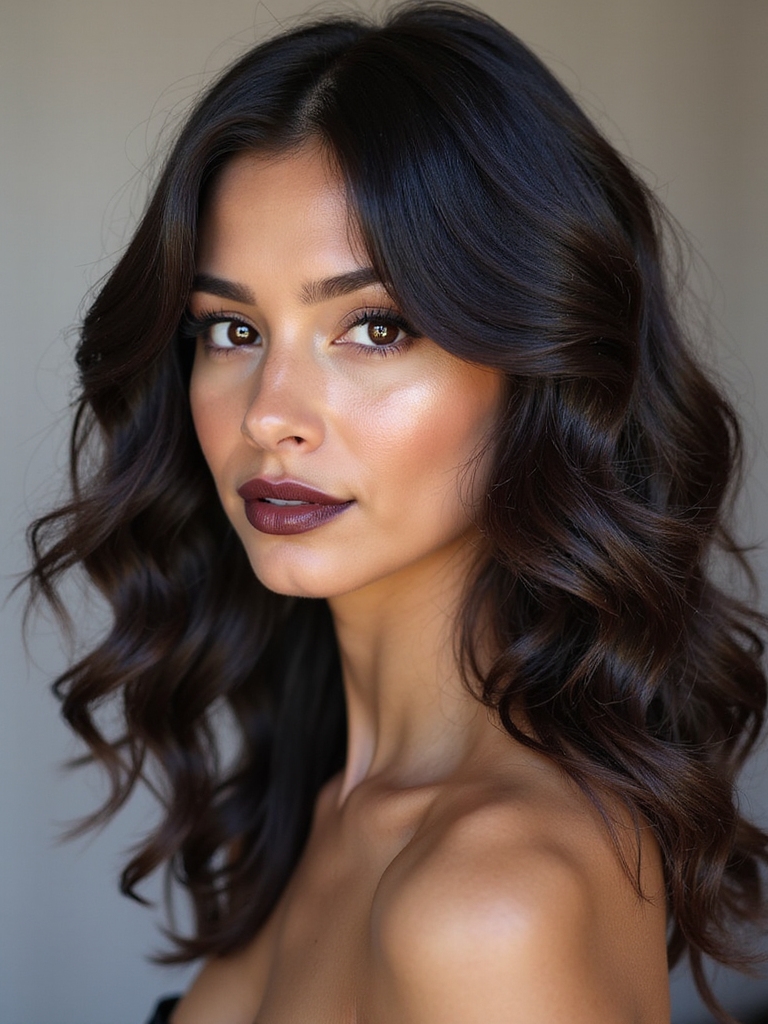
Lowlights are low-maintenance by nature, but a little care keeps the tone from fading dull. Since the color sits close to your base, upkeep is more about richness than root touch-ups. What keeps it looking fresh:
- Wash with color-safe, sulfate-free products to hold the depth longer.
- Add a gloss every couple of months to refresh the shine and tone.
- Deep-condition regularly, since rich, healthy hair shows dimension best.
ℹ️Why Lowlights Are Gentle
Lightening has to break open the hair’s structure to pull pigment out, which is where dryness and breakage come from. Lowlights work the other way, depositing a deeper tone mostly onto the surface, so the hair keeps its integrity. That’s why they’re the go-to color move for anyone who wants dimension but is protective of their hair’s health, especially on textured hair that already runs dry.
What Lowlights Cost
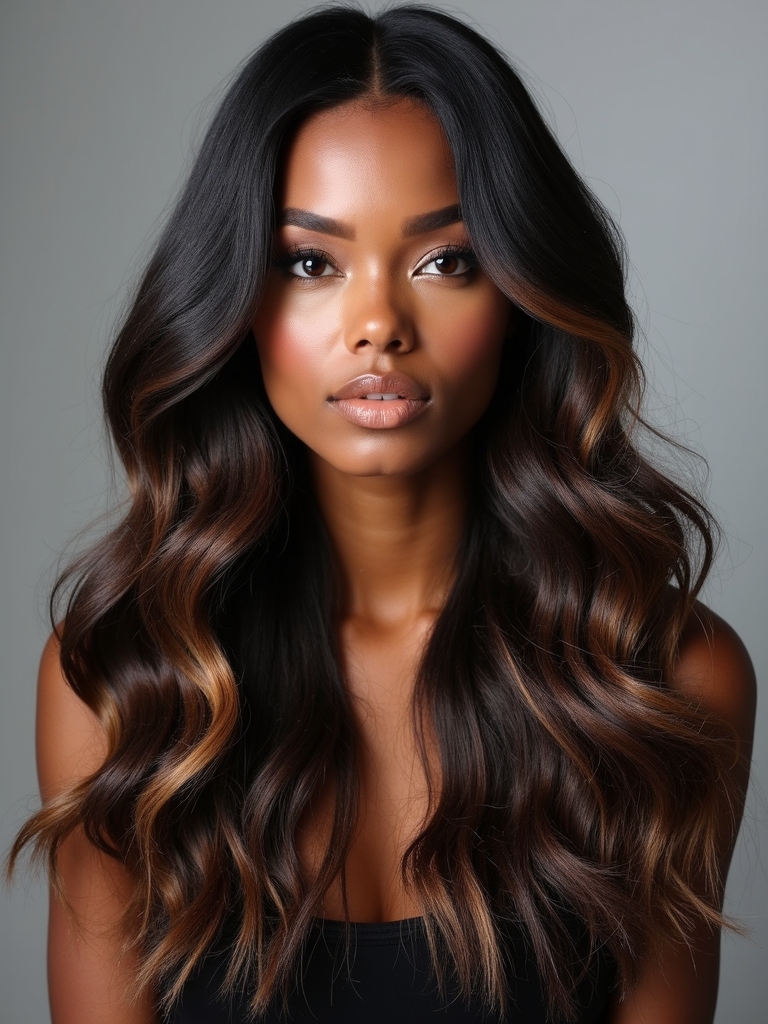
Lowlights are one of the more affordable color services, precisely because they leave out the lengthy lifting and toning that highlights demand. Most partial lowlight services land in a reasonable range, and the low upkeep keeps the long-term cost down too.
What moves the price:
- A partial set runs about $80 to $150 and takes roughly two hours in the chair; a full head costs more.
- Balayage placement usually costs more than basic foils.
- Long or very thick hair adds time, and time is what you’re paying for.
Salon or DIY
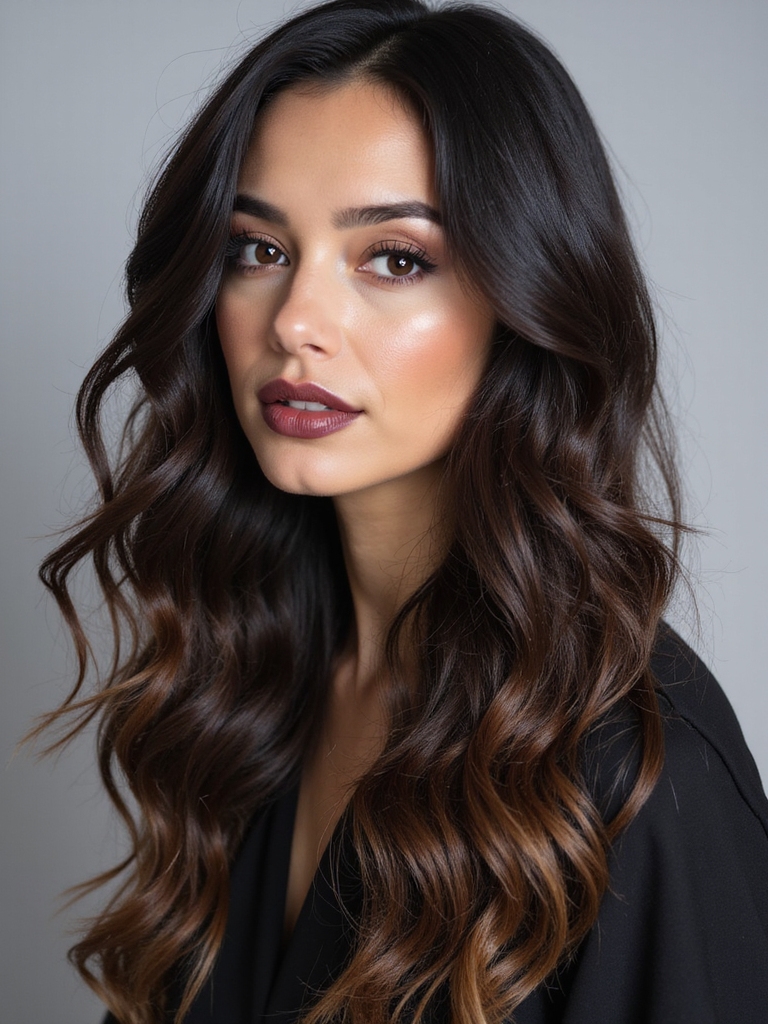
Lowlights are more forgiving than highlights to attempt at home, since there’s no bleach involved, but placement is still an art. A box kit can deepen your overall tone reasonably well, but weaving in dimensional lowlights that look natural is surprisingly hard to do on yourself. Weigh it honestly:
- DIY suits an all-over deepening or a gloss, where placement barely matters.
- A salon wins for real woven dimension, since placement is the whole skill.
- On curly or textured hair, lean salon, since even coverage is trickier at home.
Lowlight Mistakes to Sidestep
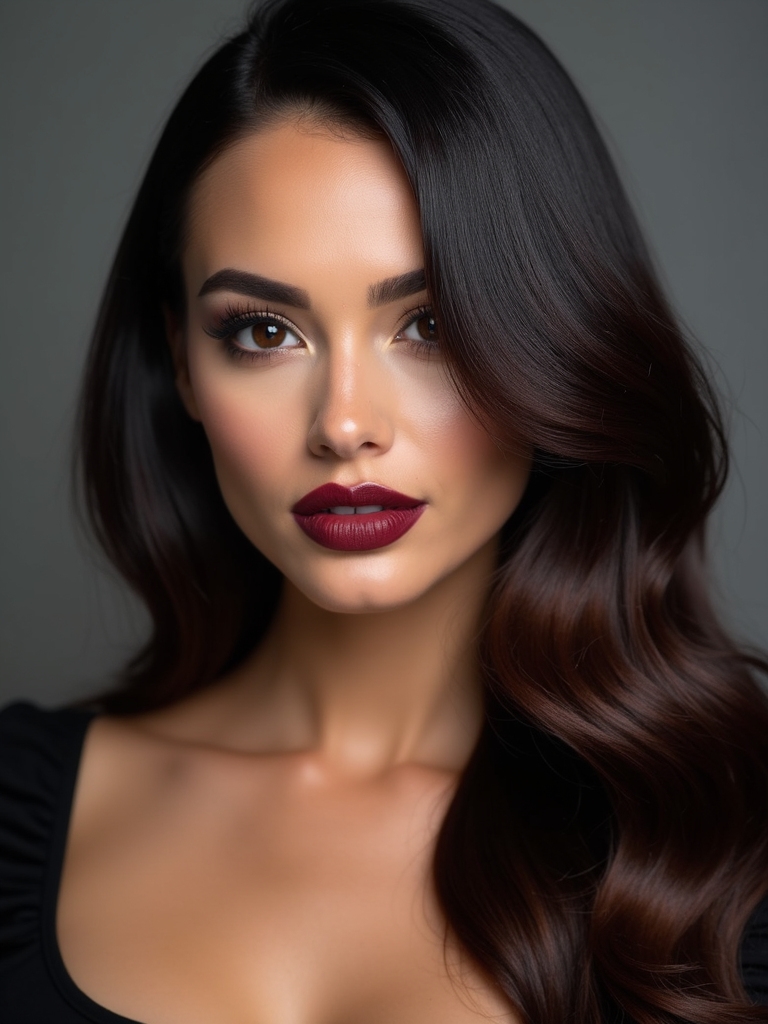
Lowlights are forgiving, but a couple of missteps can turn subtle depth into something muddy or heavy. The most common is going too dark or too heavy, which erases the dimension you were after and just comes across as a flat, darker block.
Keep the effect working with a few guardrails:
- Don’t overload the hair; restraint is what keeps it dimensional, not solid.
- Steer clear of a lowlight too far from your base, since a big jump looks striped and obvious.
- Match the undertone to your skin, or warm depth on a cool complexion falls flat.
💡Keep It Within Two Shades
The single trick to natural-looking lowlights is restraint on the shade. Keep the deeper tone within a step or two of your base color, and it settles into a soft shadow the eye accepts as real dimension. Go too dark or too far from your base, and the sections stop looking like depth and start looking like obvious stripes. When in doubt, ask your colorist for subtler than you think you want, since you can always deepen further next time.
Lowlight Looks Worth Saving
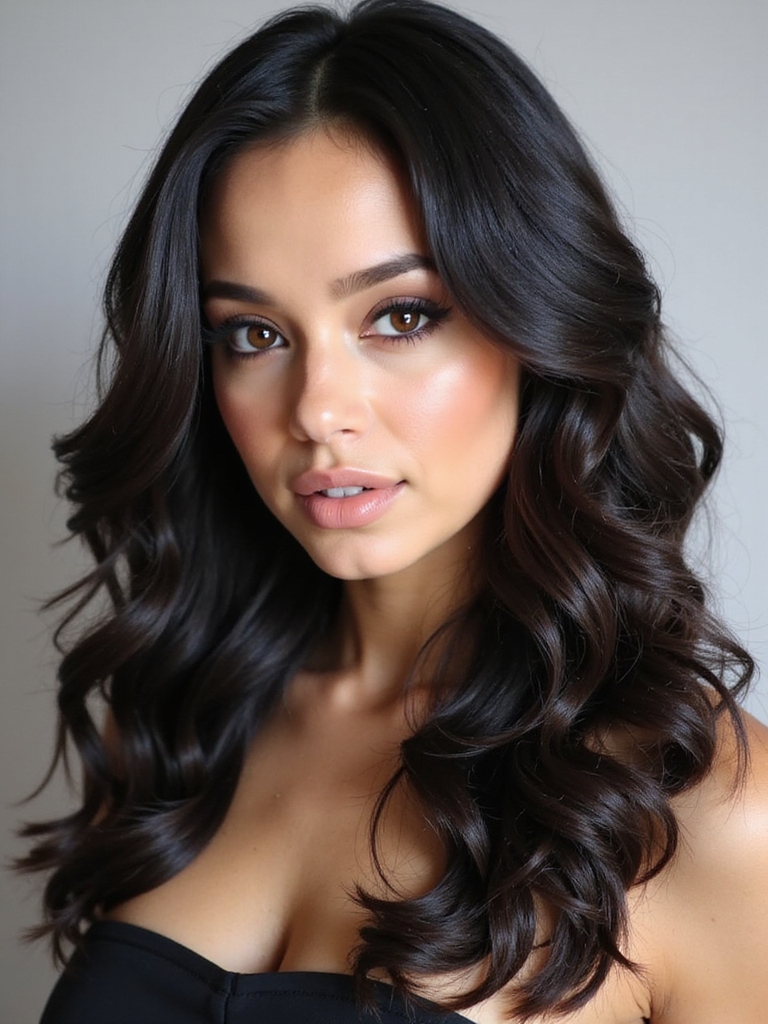
If you’re gathering inspiration, a few dimensional looks translate beautifully to black hair and give your colorist a clear direction. Each one leans on rich, dark depth. A few to screenshot:
- Espresso-on-black for a rich, warm depth that glows in the sun.
- Blue-black with a high gloss for a sleek, editorial shine.
- Soft mahogany woven through curls for texture that catches the light.
How to Get the Look
Getting lowlights right starts at the consultation, not the color bowl. Bring photos of the depth you want, be clear that your goal is dimension, not a lighter or darker overall shade, and talk undertones honestly, since a warm or cool mismatch is the difference between rich and muddy.
Ask your colorist to place the tones the way natural dimension falls, heavier underneath and finer up top, and to keep the shade within a step or two of your base so it registers as a soft, believable shadow.
The whole effect depends on that restraint, since a deeper tone placed the way real dimension falls is what turns a flat block of black into hair with visible layers and light. On curly or textured hair, make sure the person coloring you cuts and colors curls regularly, since even placement on coils takes real know-how.
Once you’ve got it, keeping it is refreshingly simple, which is the whole reason lowlights are such a smart color choice for black hair. Wash with color-safe, sulfate-free products, deep-condition to keep the hair rich and healthy, and book a professional gloss every so often to keep the shine from going flat.
Since the color fades down softly with no obvious line at the roots, you can push salon visits well apart and still look put-together. For the wider picture of keeping dark hair healthy, see the black hair care guide. That’s the payoff of lowlights: real depth and dimension, at a fraction of what lightening costs your hair.
Lowlight Questions, Answered
?Will lowlights damage my black hair?
Far less than highlights, since a lowlight adds depth to the hair without lifting it. Lightening has to break down the hair’s structure to pull pigment out, which causes dryness and breakage, but adding a deeper tone mostly deposits color onto the surface with minimal stress. A color-safe, moisturizing routine keeps the hair rich and healthy, and you avoid the fragile ends that heavy bleaching can leave.
?How much do lowlights cost on black hair?
A partial lowlight service usually runs about $80 to $150, with a full head costing more, and balayage placement typically pricing above basic foils. Long or very thick hair adds time and cost. The upside is low upkeep: since the color grows out softly and needs no root touch-ups, the long-term cost stays lower than a high-maintenance blonde, with just an occasional gloss to keep it looking fresh.
?Can I get lowlights on curly or coily hair?
Absolutely, and curls may show them off best, since the deeper tones pool in each coil and amplify the dimension. The key is a colorist experienced with textured hair, since curls color unevenly if the placement is rushed. Keep the curls deeply moisturized afterward, since any color service, even a deepening one, wants hydration, and wear a wash-and-go to let each coil catch the tone.
?How often do lowlights need redoing?
Much less often than highlights, which is a big part of their appeal. Because the tones sit close to your natural base and grow out with no harsh line, most people stretch a lowlight for several months. A quick gloss between full services keeps the shine topped up, so the real upkeep is minimal, mostly just keeping the hair conditioned and glossy.
Depth, the Easy Way
Lowlights are the quiet luxury of black-hair color: real depth and movement, a look that’s richer and more expensive without ever announcing itself, and a service your hair barely notices happened. For anyone who loves their dark base and just wants it to catch the light, there’s no smarter color move. Choose your shade to your undertone, keep it subtle, and let your hair do the rest.
More to Browse