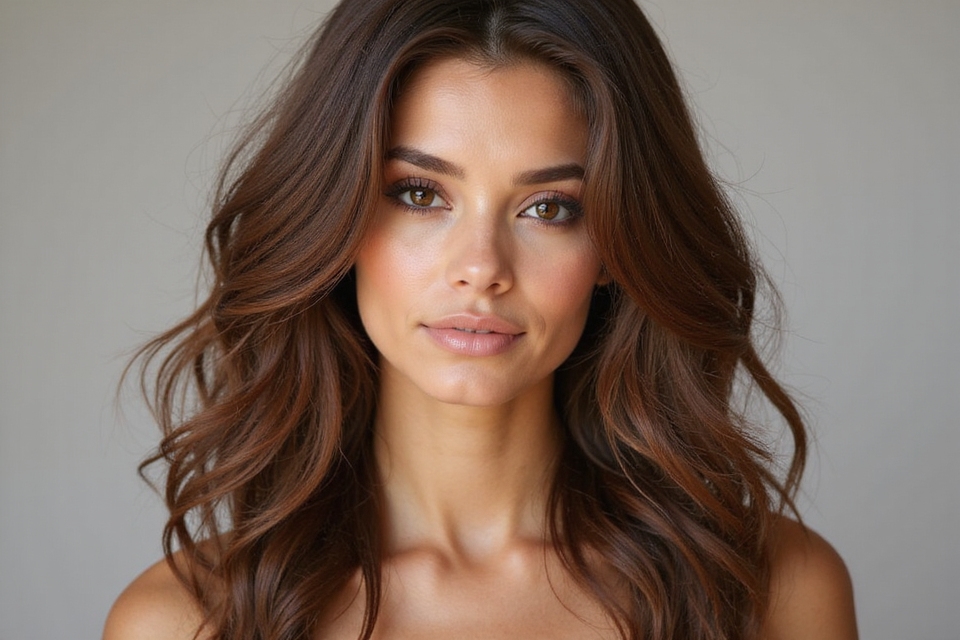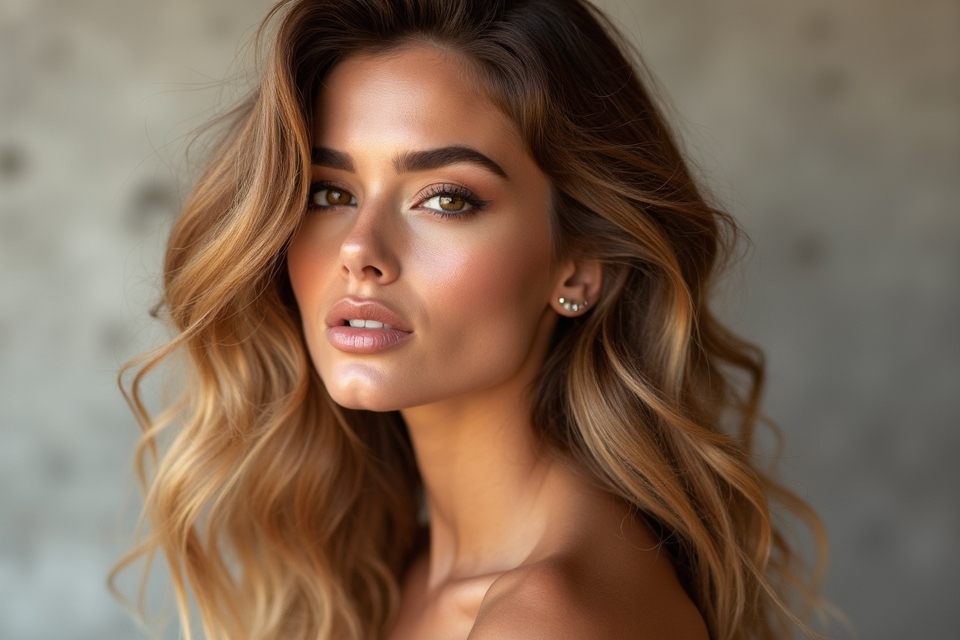
What makes golden brown the shade so many women land on after cycling through trends? It’s rare among hair colors in flattering nearly everyone, warming the face without shouting for attention, and growing out gently enough to build an actual life around.
This guide covers the full picture: which depths flatter which skin tones, how the color behaves across textures and lengths, the caramel and balayage techniques that add dimension, and the care that keeps the warmth from fading toward dull and ashy.
Golden Brown, Quickly Summarized
- Golden brown sits close to most natural bases, which is why it’s one of the lower-maintenance warm colors available.
- The warm tone fades before the brown base does, so color-safe care and an occasional gloss matter more than for cooler shades.
- Depth should match undertone: warmer skin tends to glow with caramel-forward versions, cooler skin with softer, lighter ones.
The Timeless Appeal of Golden Brown
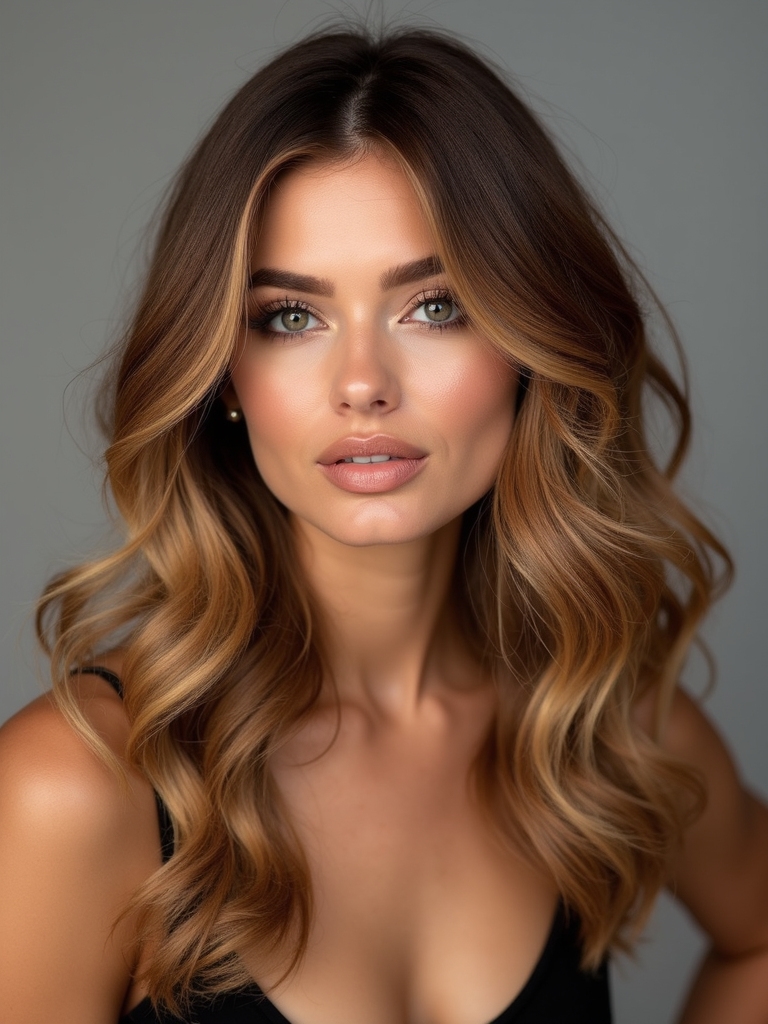
Some colors date the moment a trend turns; golden brown rarely does. It’s the warm, classic brown that has flattered women across decades without feeling stuck in a specific era, which gives it a kind of quiet staying power few bold colors manage.
The appeal traces back to the gold light woven through the brown base, catching sun and warming the whole face rather than sitting flat against it. It comes across rich and healthy without reaching for attention the way a bolder color would.
By the third or fourth touch-up, a pattern tends to repeat: golden brown rarely gets swapped out once someone commits to it, since the shade keeps feeling like an upgraded version of their own natural color.
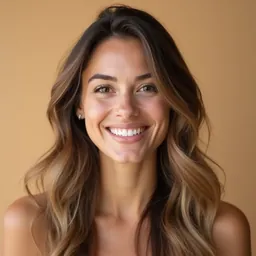
How Versatile Golden Brown Really Is
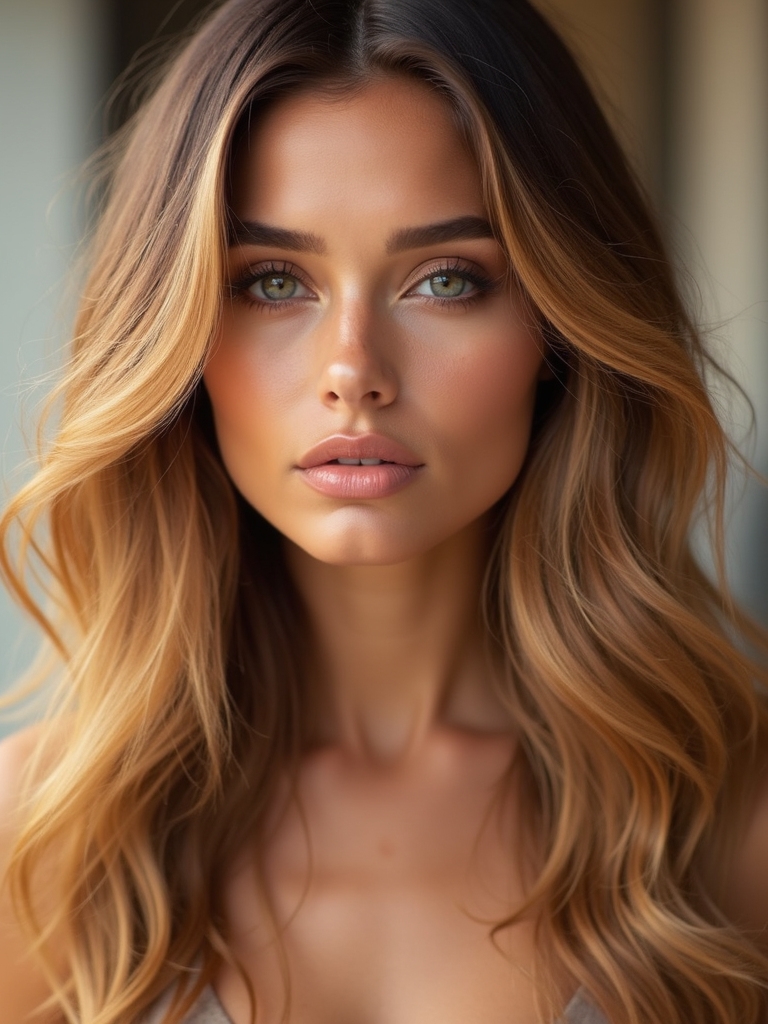
Few colors stretch across as many ages, textures, and occasions as golden brown does without missing. It functions as the warm neutral of hair color, adaptable enough to survive whatever trend promises to replace brown with something cooler or more dramatic. A few places its range shows clearly:
- It looks polished for formal settings and relaxed for casual ones, purely based on styling.
- It works applied all-over, scattered as highlights, or painted as a balayage, at any commitment level.
- It flatters a wide age range, from a first color appointment to decades of graying coverage.
Golden Brown Through Every Season
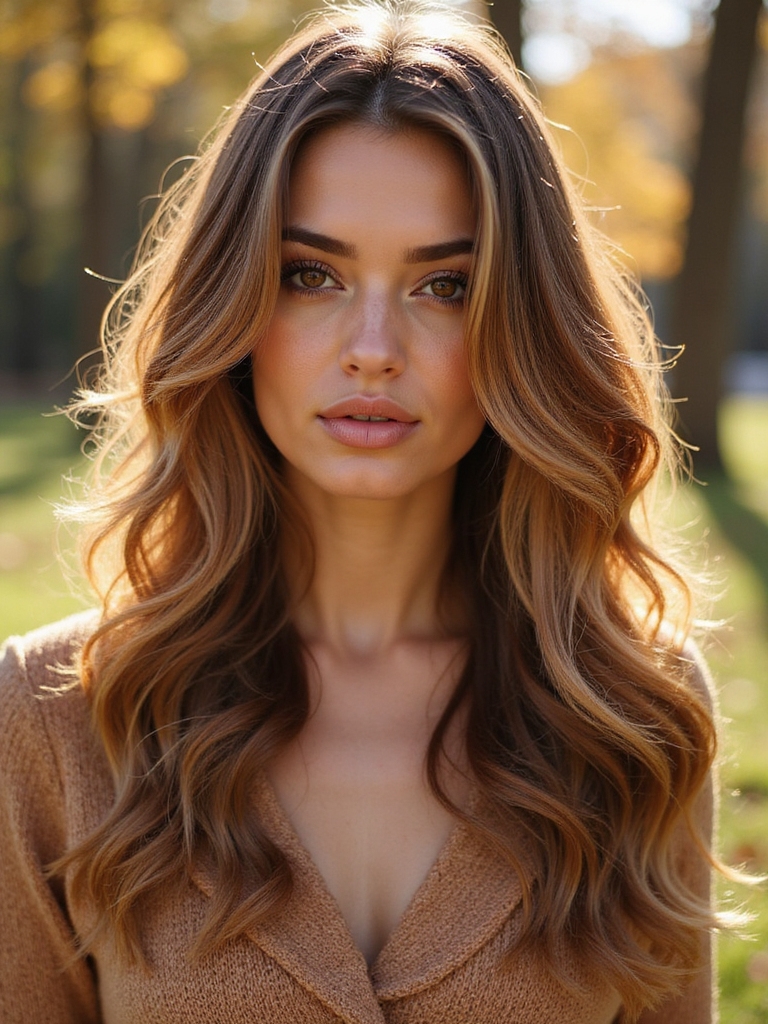
Golden brown noticeably shifts feel with the light across the calendar instead of fighting against it. Summer sun pulls the gold forward into something bright and sun-warmed, while cooler months settle the same base into a deeper, richer reading.
That flexibility comes from the base itself; a colorist can nudge the tone warmer for summer or deeper for winter with a single gloss, rather than changing the underlying color entirely.
The practical upside is real: one base shade, adjusted lightly twice a year, ends up carrying every season instead of requiring a separate color strategy for each one.
Golden Brown Across Different Textures
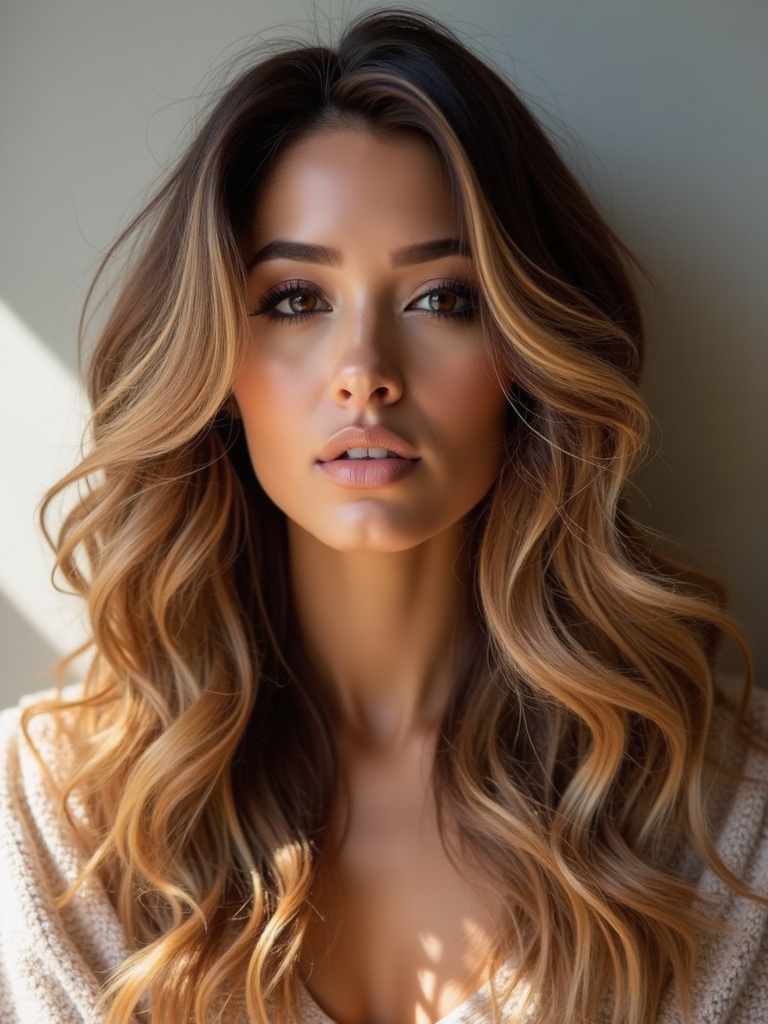
Golden brown flatters nearly every texture, though it behaves a little differently on each one. On straight strands, it turns sleek and glossy, the gold catching in one clean, continuous sweep down the length.
Why Texture Changes How the Color Reads
On waves and curls, the color gains real dimension instead, since the natural bends create their own highlights and shadows within the warm base tone as light moves across them.
On coily and tightly textured hair, golden brown tends to glow especially well, the warmth playing across each individual coil and turning density into something closer to a study in light and shadow.
Golden Brown at Different Lengths
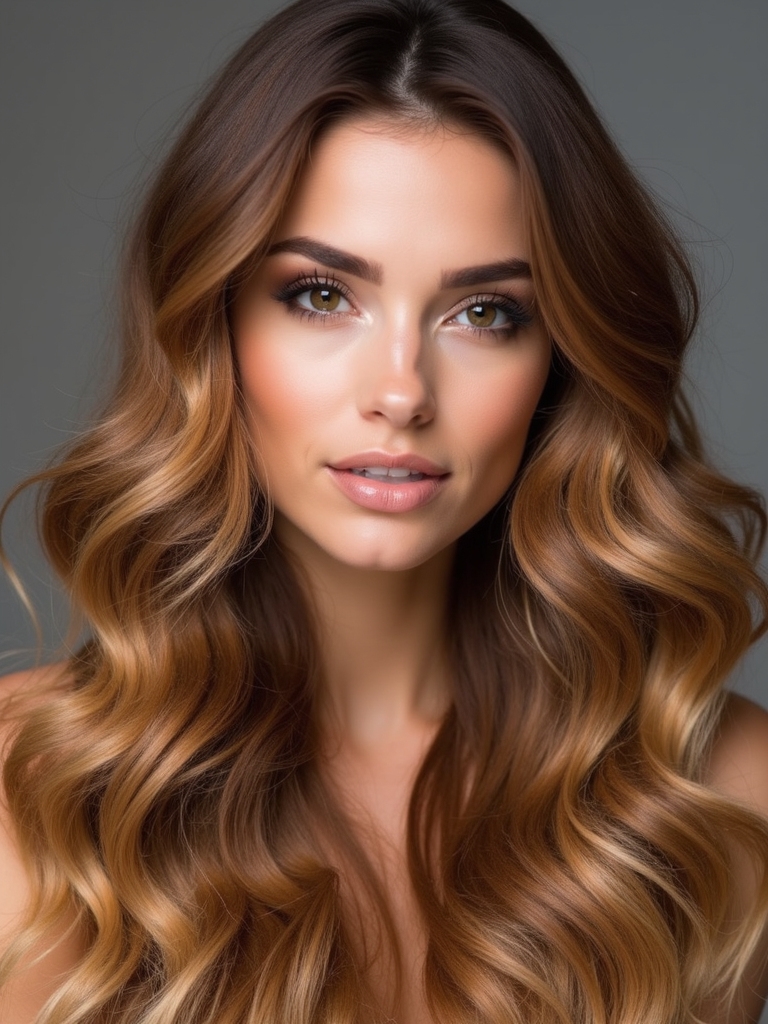
The same golden brown base sits differently depending on length, and knowing that helps place the color intentionally rather than by accident. Long hair has room to show a gradient, deeper near the root and warmer toward the ends, for real visible dimension.
Placing the Color by Length
On a bob or lob, the warm tone gleams across a cleaner line and looks polished and current. On a pixie or crop, golden brown becomes bold and immediate, since a short canvas shows every bit of the color at once.
Shorter hair also lifts faster in the chair and refreshes for less, which makes a golden brown crop a meaningfully lower-cost way to wear the same warmth long hair carries.
Matching Golden Brown to Skin Tone
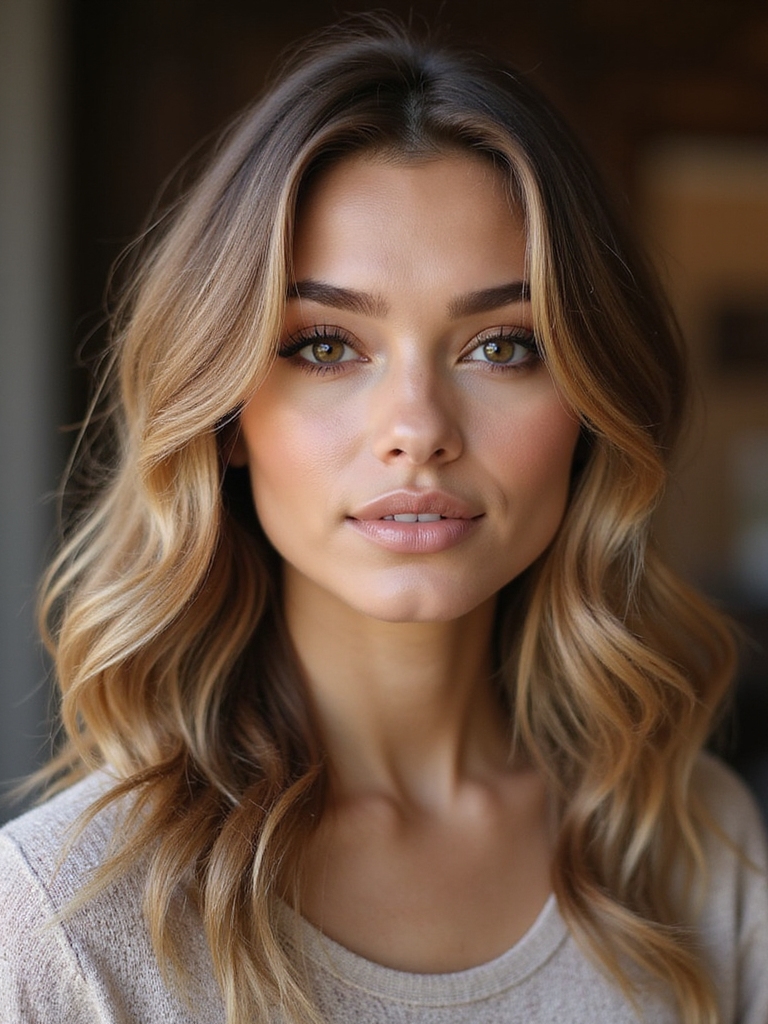
Golden brown forgives more than most colors, but the exact hue still matters against a specific complexion. The warmth flatters most skin tones broadly, though the depth and the gold level should suit undertone specifically for the strongest glow.
Why the Right Depth Changes Everything
As a general guide, warm and golden skin tends to glow with a rich, caramel-forward golden brown, while cooler and fairer skin is often better served by a softer, lighter version that doesn’t overwhelm the face.
Deeper skin tones frequently look striking in a deep, glowing bronze-brown version of the shade. Nearly everyone suits some depth of golden brown; the real skill is matching the specific one.
Depth Shifts With Length
The exact same formula can read noticeably lighter on short hair than it did on a swatch or a longer test strand, simply because there’s less hair to absorb and diffuse the color. Bring reference photos at the actual length being requested, not just the shade.
The Subtle Elegance of Caramel Highlights
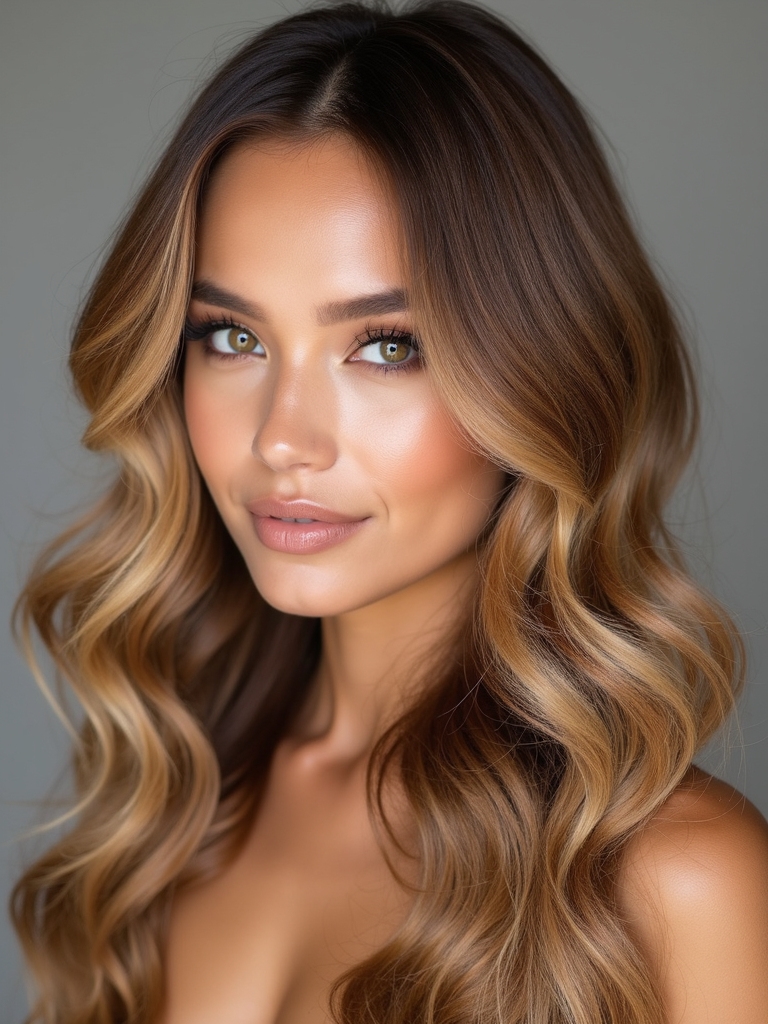
Caramel highlights offer the easiest entry point into golden brown, scattering warm gold-caramel pieces through a brown base for soft dimension rather than a full color change. They catch light and warm the face without committing the entire head to a new shade. The caramel brown hair guide covers this direction in more depth.
Because the placement is partial, the lift stays gentle and the regrowth forgiving, with no hard line demanding attention between visits. This makes caramel highlights a common recommendation for anyone nervous about full color.
Golden Brown Looks Worth Studying
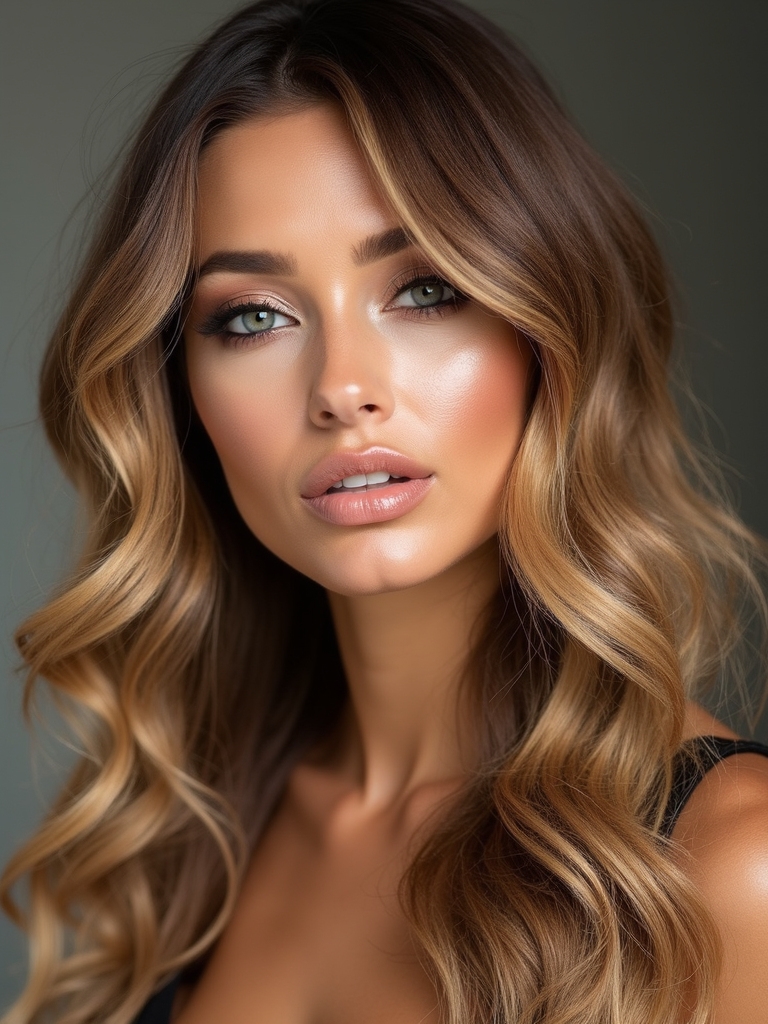
Golden brown takes several distinct forms, and seeing the range helps narrow down a personal direction before booking. From a subtle warming of natural base color to a full, glowing bronze-brown, the application matters as much as the shade choice itself.
A few directions worth weighing at the consultation:
- All-over golden brown for rich, uniform warmth running from root to tip.
- Caramel balayage for a softer, sun-warmed effect with lower ongoing upkeep.
- Face-framing gold placement for brightness around the complexion with minimal overall commitment.
Golden Brown for Office and Off-Duty
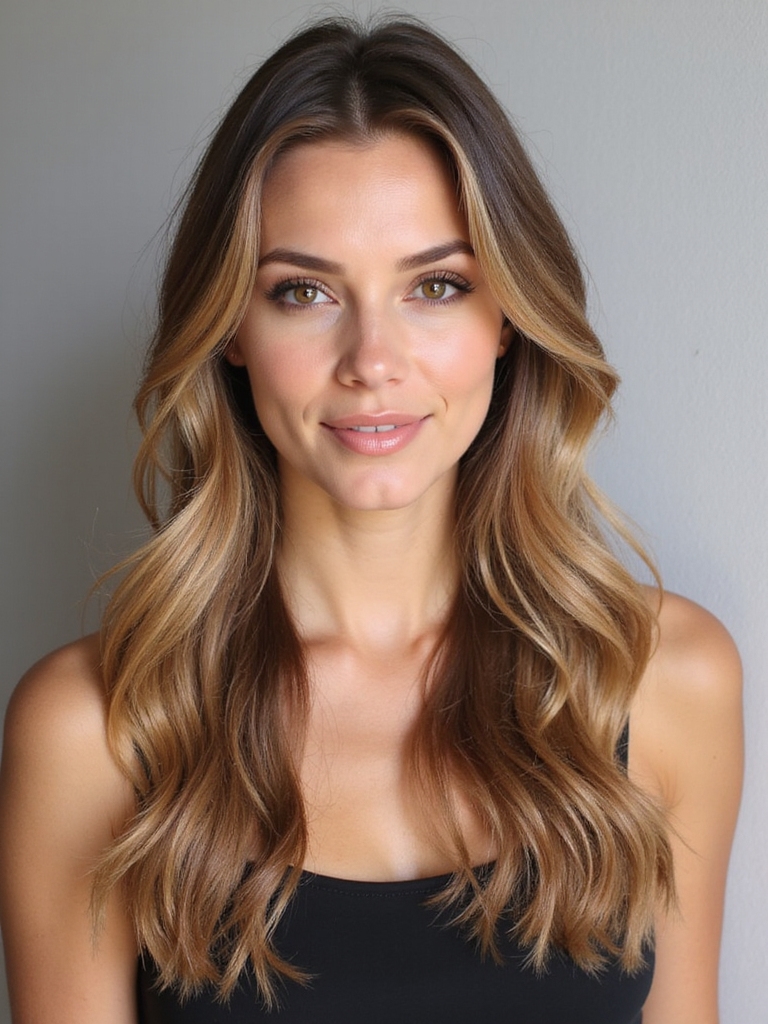
Part of golden brown’s staying power comes from working everywhere without adjustment. In a boardroom, it comes across polished and professional, warm enough to feel natural without ever tipping into flashy territory.
Off the clock, that same color glows under casual daylight and dresses up for an evening out with zero change required. One shade comfortably carries an entire week’s worth of different settings.
That range is rare in a color carrying real warmth, which is exactly why golden brown tends to be a default recommendation for anyone wanting flattering color that never lands as a risk at work.
Keeping Golden Brown Low-Maintenance
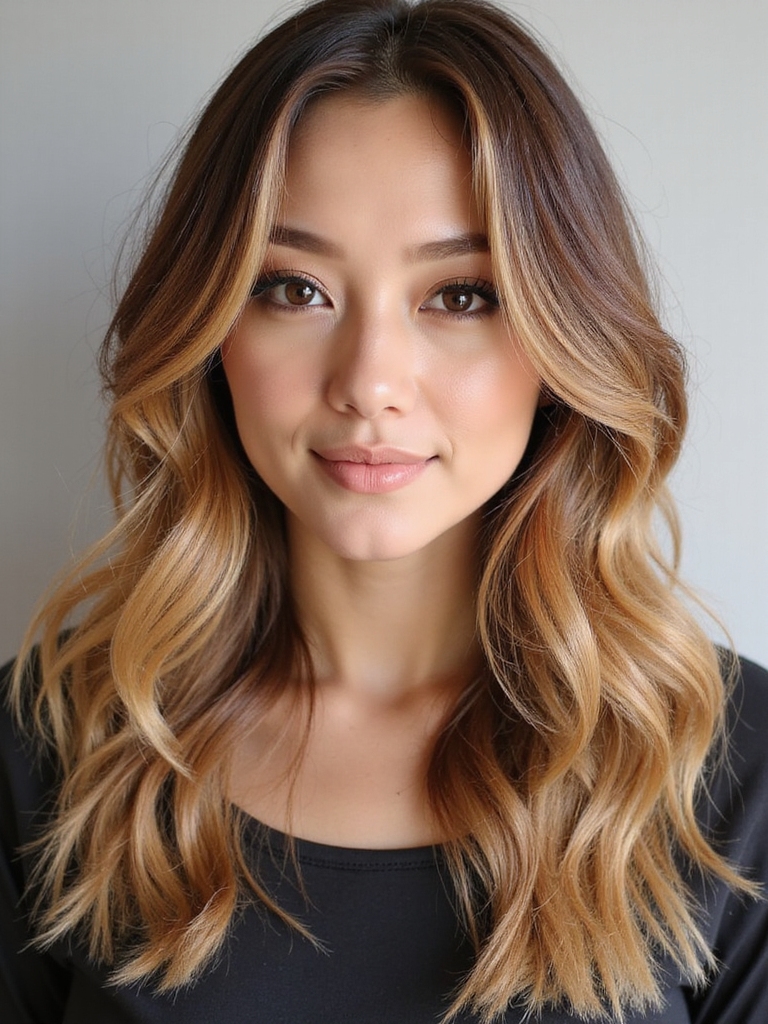
Golden brown ranks among the lower-maintenance warm colors available, though it isn’t zero-maintenance. Because it sits close to many natural bases, regrowth stays soft and the root line stays forgiving, stretching the realistic time between salon visits.
Why This Shade Asks for Less
The warmth itself does fade before the brown base does, drifting toward a flatter, cooler tone over time. A gloss roughly every ten to twelve weeks refreshes both the gold and the shine, typically for $40 to $70, well under the cost of a full color service.
Beyond that single scheduled step, a color-safe shampoo and a reasonable wash frequency cover most of what golden brown actually needs to stay looking intentional.
Transitioning Into Golden Brown
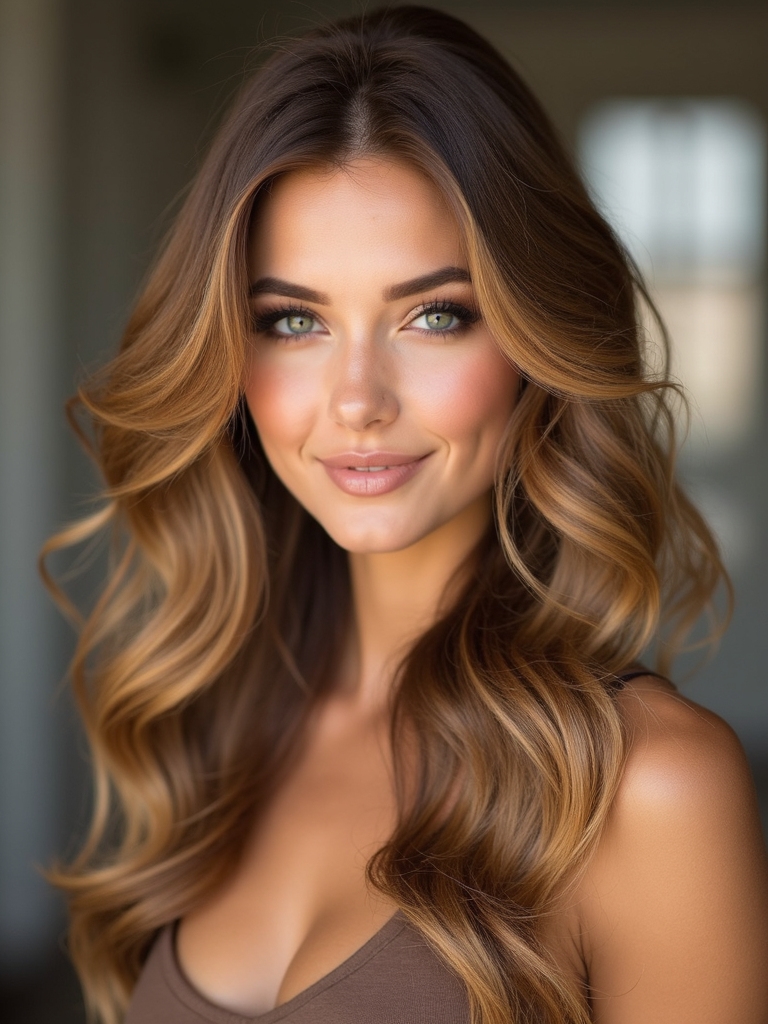
How anyone arrives at golden brown depends heavily on where they’re starting from, and most paths there are fairly gentle compared to more dramatic color changes. Knowing what a starting shade means for the process protects both hair and expectations. The rough map:
- From dark brown or black: often just a few shades of added warmth with minimal lift required.
- From blonde: golden brown takes easily, though porous, pre-lightened hair grabs pigment fast, so going slightly lighter helps.
- From a bold fashion color: frequently needs a corrective step first, best handled by a colorist rather than a box dye.
Building the Sun-Kissed Effect
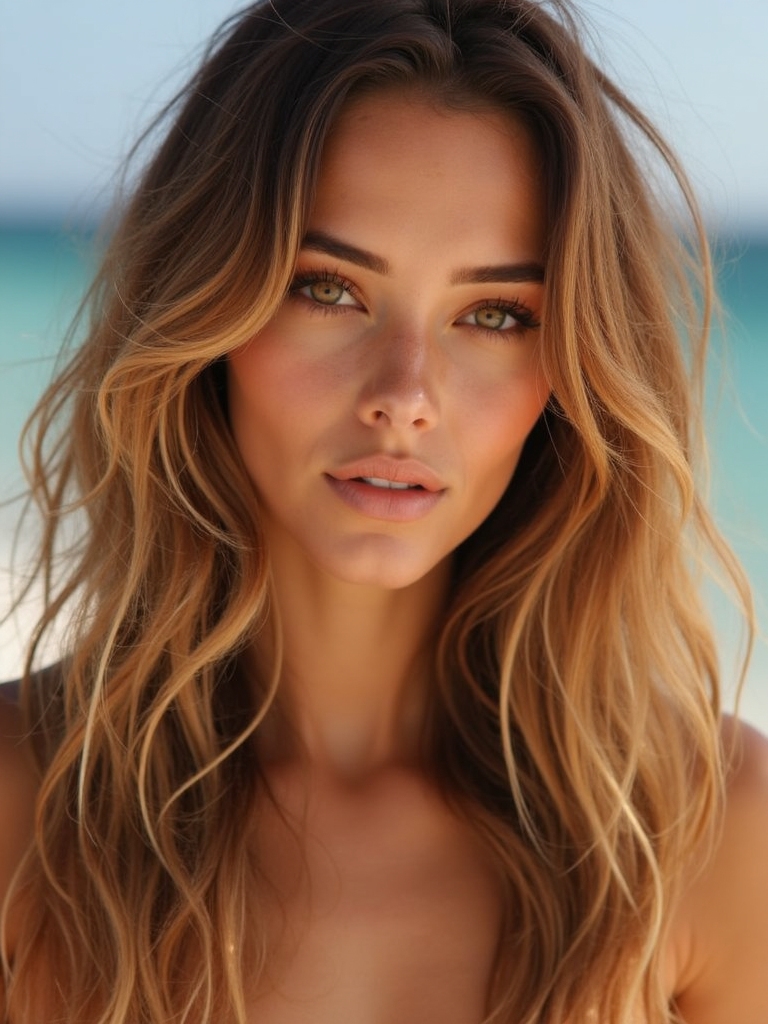
The sun-kissed version of golden brown, the kind that looks like a summer spent outdoors, tends to be the most-requested version of the shade, and it comes down almost entirely to placement. Roughly how it gets built:
- The lightest gold gets placed around the face and through the ends, mimicking where sun would naturally land.
- The root stays a shade or two deeper, so the effect grows out looking intentional rather than obvious.
- A hand-painted balayage technique typically produces the softest, most blended version of this specific look.
| Starting Color | Typical Process | Relative Effort |
|---|---|---|
| Dark brown or black | Warmth added, minimal lift | Low |
| Blonde | Direct color, careful application | Low to moderate |
| Bold fashion color | Correction likely needed first | Higher |
Golden Brown for Formal Occasions
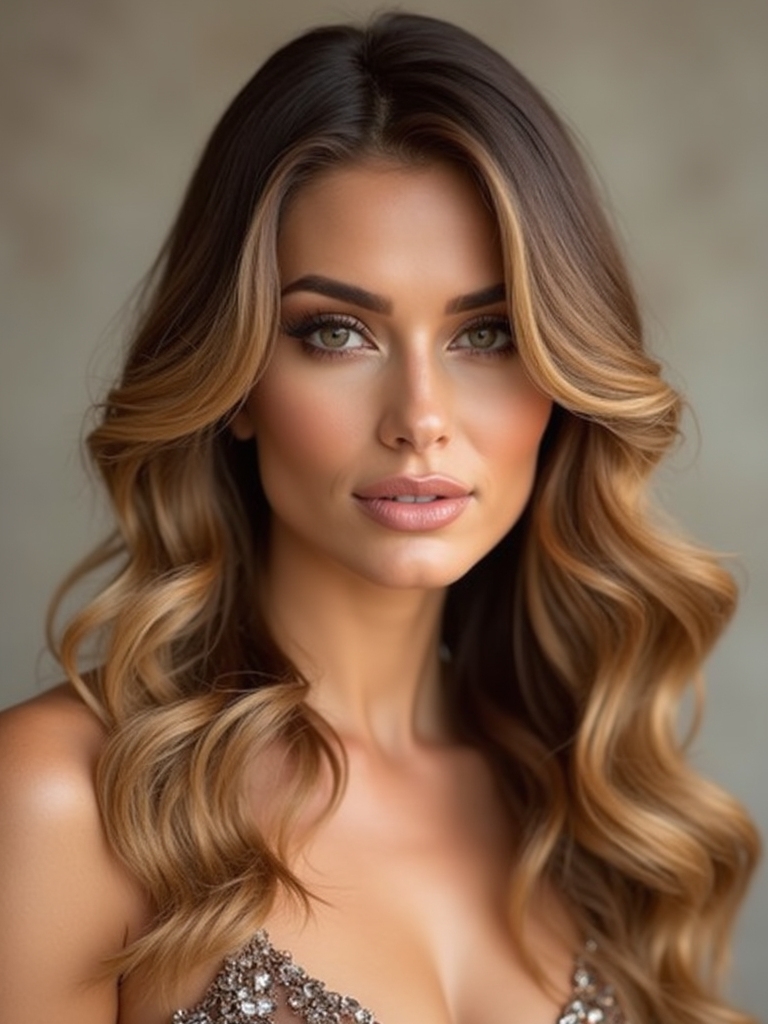
Golden brown holds up well at formal events, since the warm dimension photographs beautifully and feels elegant under evening lighting specifically. Gold catches the glow of a reception or a gala in a way flat, single-tone color simply can’t replicate.
Styled into soft waves or a polished updo, that built-in dimension makes any formal look read more expensive than the actual time spent creating it, since the color itself does part of the visual work.
It also counts as a safe formal choice in a broader sense: flattering, timeless, and unlikely to look dated in photos revisited years later.
Products That Protect the Warmth
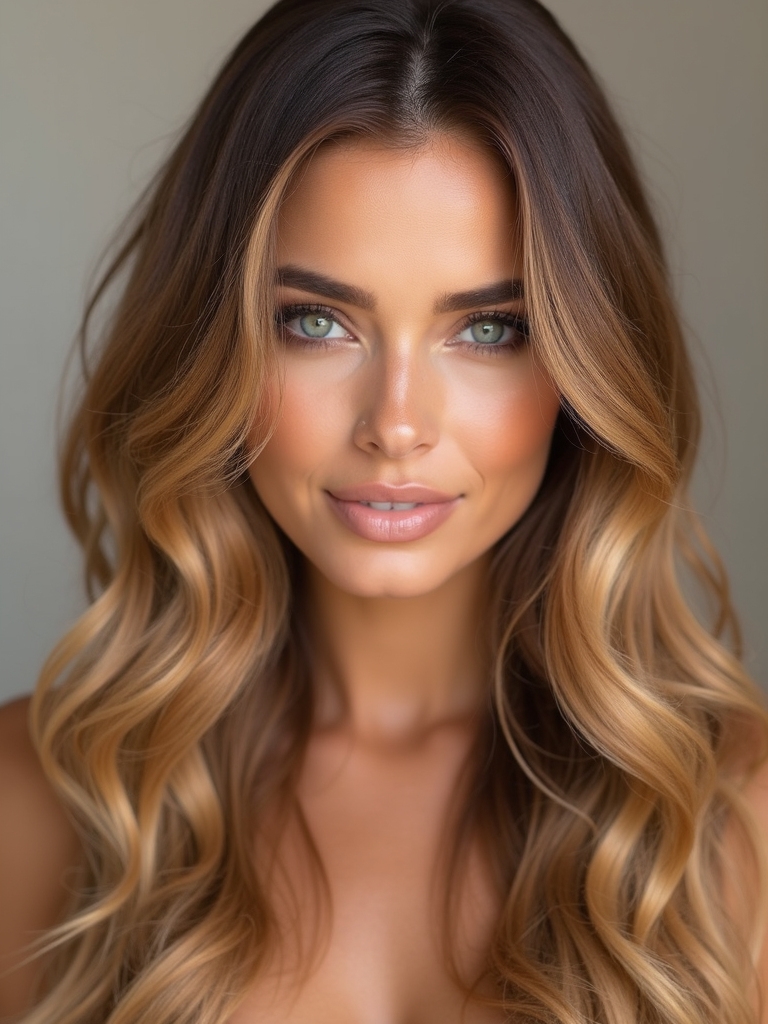
The right products keep golden brown reading rich and warm instead of drifting toward dull. Warm tones fade before the underlying brown does, which is what eventually leaves a flatter, cooler color behind if nothing counters it.
Why Warm Tones Fade First
A workable short list covers a sulfate-free, color-safe shampoo, a warm-toned or color-depositing conditioner to keep topping up the gold, and a weekly mask for added shine and softness.
Clarifying shampoo should stay an occasional tool rather than a habit, since it strips warmth quickly, and a heat protectant matters every time hot tools come out, since heat dulls gold tones faster than most others.
“For an event on a tight timeline, a gloss alone can noticeably brighten golden brown without the time commitment of a full color appointment. It’s worth asking about specifically when booking close to a big date.”
Styling That Makes Golden Brown Glow
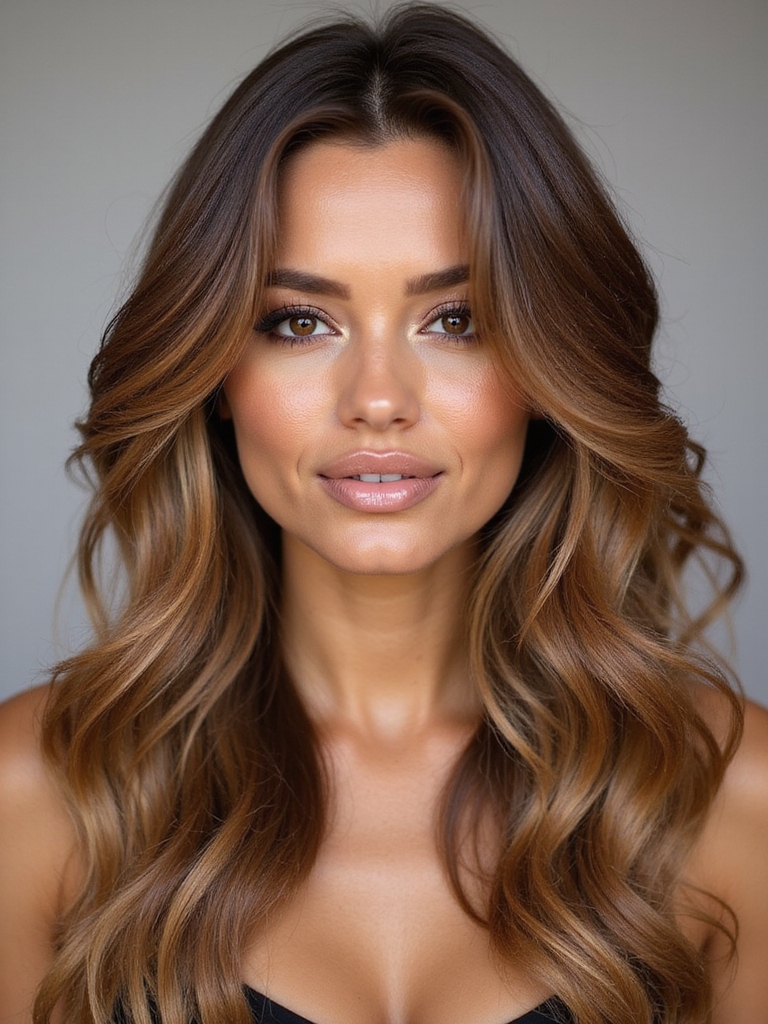
How golden brown gets styled changes how the color actually comes across day to day, since warmth and dimension show most clearly through movement and shine rather than a flat, still finish.
A handful of habits pull out the glow that makes this shade so flattering in the first place. Worth building in:
- Finish with a shine spray or a drop of oil; gloss amplifies the gold noticeably.
- Loose waves catch light and reveal dimension better than pin-straight styling does.
- A deep or center part frames the warm color directly around the face for visible impact.
Adjusting the Seasonal Shade
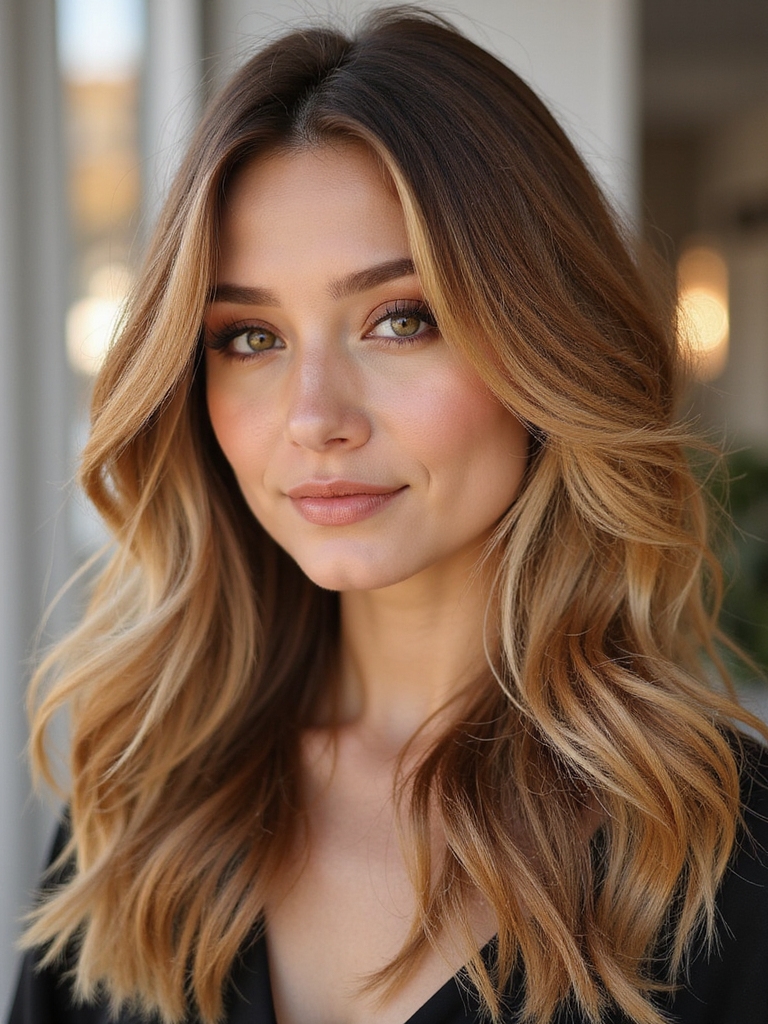
Plenty of women shift their golden brown slightly with the seasons, and it’s a reliably low-cost adjustment rather than a full re-color. Warmer months suit a brighter, lighter gold that passes for sun-kissed; cooler months suit a deeper, richer version that holds up against winter light.
Because the underlying base stays the same throughout, these shifts usually amount to a gloss or a few added highlights rather than anything dramatic, which keeps both cost and commitment relatively low year-round.
Common Myths About Golden Brown
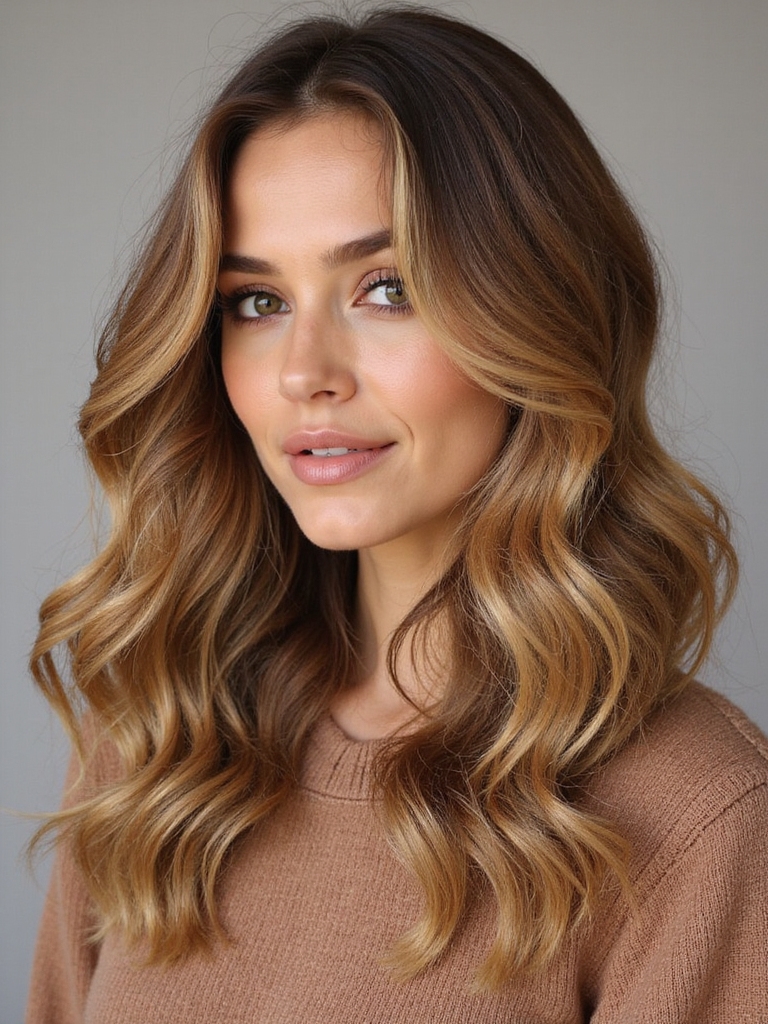
A handful of myths trail golden brown, and most fall apart under a little scrutiny. The biggest claims brown shades are inherently boring, when the gold dimension running through golden brown gives it more movement than a flat, single-tone brown ever manages.
Another myth insists it only suits warm skin tones specifically, when the right depth flatters cool and deep complexions just as well. The one myth with real substance is the maintenance concern: the warmth does fade faster than the brown base underneath it, though that’s manageable with routine care rather than a reason to avoid the color altogether.
Dimension Through Balayage and Ombre
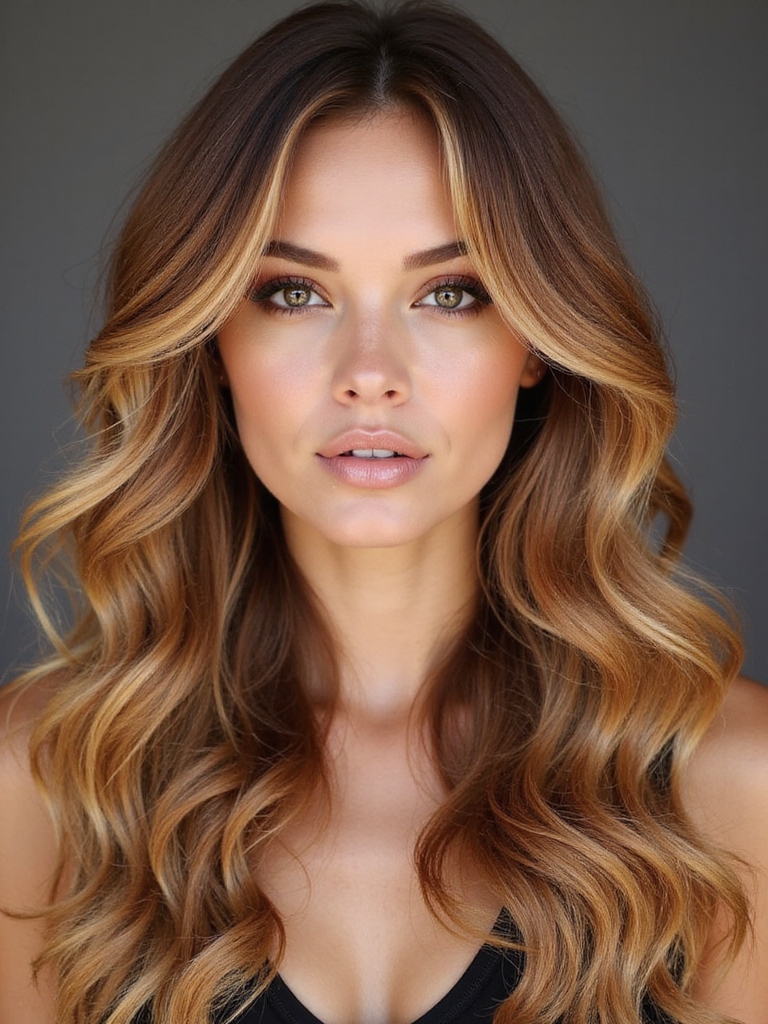
Balayage and ombre count as the two techniques most responsible for golden brown’s most dimensional, expensive-looking results. Both keep a deeper root and run warmer toward the ends, though balayage is hand-painted for a soft, scattered effect while ombre creates a more defined, visible gradient. For a deeper, redder cousin of this warmth, the chestnut brown hair guide is worth a look too.
Both approaches buy real time between salon visits too, since neither leaves a hard regrowth line demanding immediate attention. A quick way to decide between them:
- Choose balayage for a soft, natural blend with the gentlest possible grow-out.
- Choose ombre for a bolder, more clearly defined dark-to-gold gradient.
- Either way, the root stays low-maintenance, since there’s no sharp demarcation line to chase down.
📋Before Booking Golden Brown
- ✓Bring photos at the actual length being requested, not just the shade.
- ✓Ask specifically how the depth will be matched to undertone.
- ✓Confirm the realistic gloss schedule needed to keep the warmth from fading.
Keeping Colored Hair in Good Health
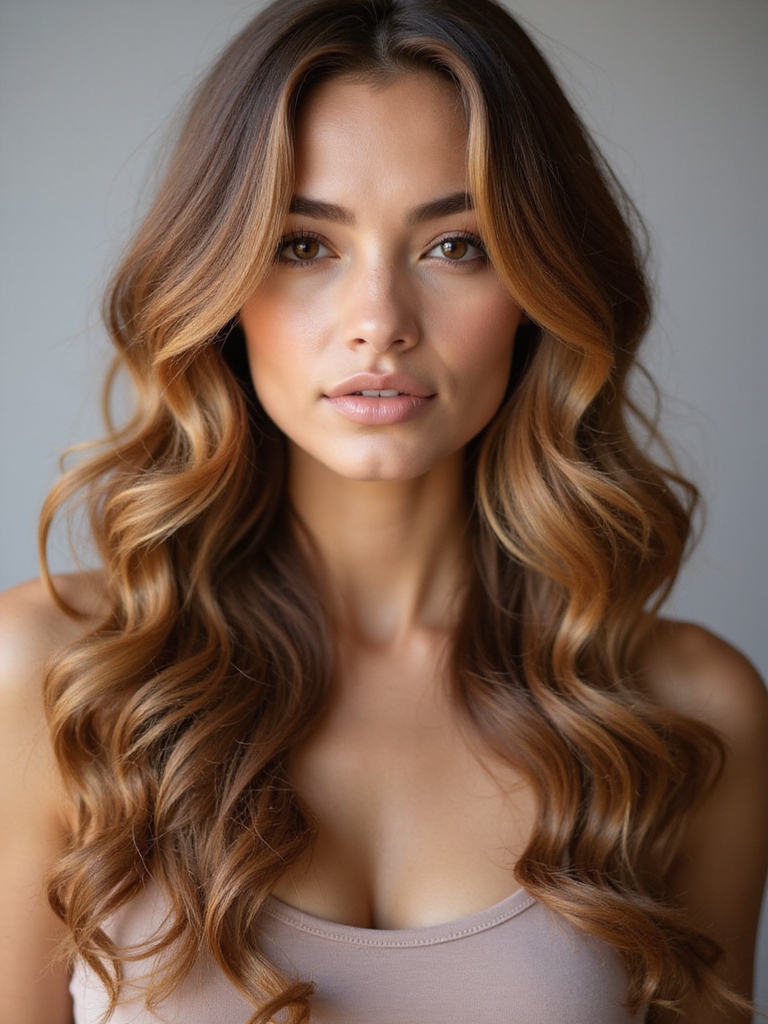
Golden brown tends to be gentler on hair than most color changes, but any color-treated hair still needs consistent care to stay healthy and shiny over time. Because the shade usually requires only modest lift, hair generally stays in better condition than it would after dramatic lightening.
A healthy strand also holds color noticeably better than a damaged one does, which makes basic upkeep worth the small time investment. The essentials:
- Deep condition weekly to keep color-treated strands soft rather than brittle.
- Limit heat styling and use a protectant consistently, since heat dulls warm tones fastest.
- Trim on a regular schedule, since healthy ends hold and reflect the gold better than split ones.
Where Golden Brown Is Headed
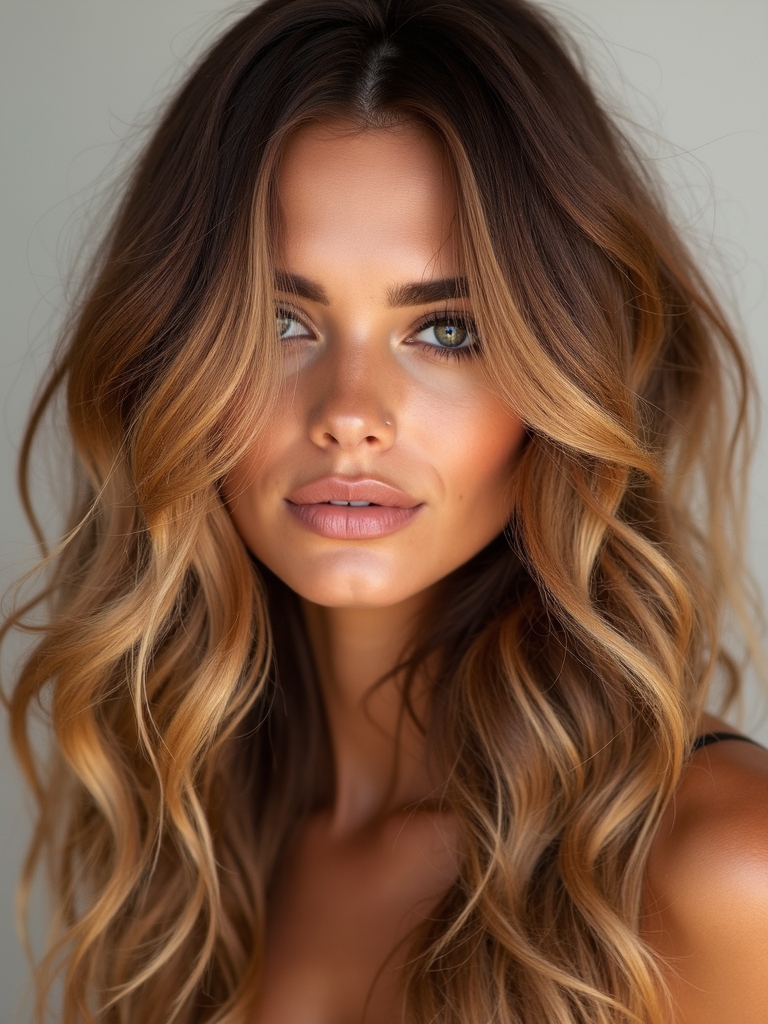
Golden brown keeps evolving in small ways even as the base shade itself stays largely timeless. Current direction leans toward glossy, expensive-looking single tones and soft, worn-in balayage rather than high-contrast chunky highlights, matching the broader warm-tone mood across hair and beauty right now, including deeper cousins like dark chocolate brown hair.
Caramel and bronze-leaning versions of golden brown feel especially current at the moment, reading rich and luminous in a way that pairs naturally with the warm-tone trend showing up everywhere else too.
The appeal of following these shifts is that a simple gloss or a small placement tweak usually covers it, rather than requiring a full overhaul. The base holds steady; only the finish moves with the moment.
Who It Suits Best
Golden brown suits an unusually wide range of people specifically because the depth and gold level can flex to match almost any undertone or starting color. It works for a first-time color appointment and for someone who’s cycled through a dozen shades already looking for something that finally feels settled.
It suits anyone wanting real warmth without the upkeep of a dramatic color change, and anyone who wants one shade to comfortably carry both office days and formal evenings without a second thought.
Golden Brown Hair Questions, Answered
?Does golden brown work on hair that’s already been colored before?
Often yes, though the existing color determines the process. Previously lightened or bleached hair can grab golden brown unevenly due to porosity, so a strand test or a consultation beforehand catches issues before the full application.
?Will golden brown wash out faster than a regular brown dye?
The warm tones do fade somewhat faster than a flat, single-process brown would, since gold pigment is more delicate than pure brown pigment. Color-safe products and an occasional gloss close most of that gap.
?Can golden brown cover gray hair effectively?
Yes, generally well, since the warmth blends naturally with the lighter, often slightly warm tone of graying hair. Heavier gray coverage may need a touch more pigment saturation than a standard application.
?Is golden brown a good choice for very fine hair?
Often better than expected. The dimension from highlights or balayage can create the visual illusion of thickness that a completely flat, single-tone color doesn’t provide as effectively.
?How does golden brown compare to bronde or honey brown?
Golden brown sits deeper and more brown-forward than bronde, which leans closer to blonde overall. Honey brown tends to run slightly more amber than golden brown’s cleaner gold undertone, though the three overlap enough that a consultation helps pin down the exact target.
The Warm Brown Worth Keeping
Golden brown earns its loyal following honestly. It flatters nearly every skin tone, works across texture and length, carries from an office to a formal event, and asks for less upkeep than most other warm colors manage.
Whether the starting point is a few caramel highlights or a full commitment to an all-over bronze-brown, matching the depth to undertone and leaning on color-safe care from day one makes the difference between a shade that fades flat and one that keeps glowing.
Worth a Look