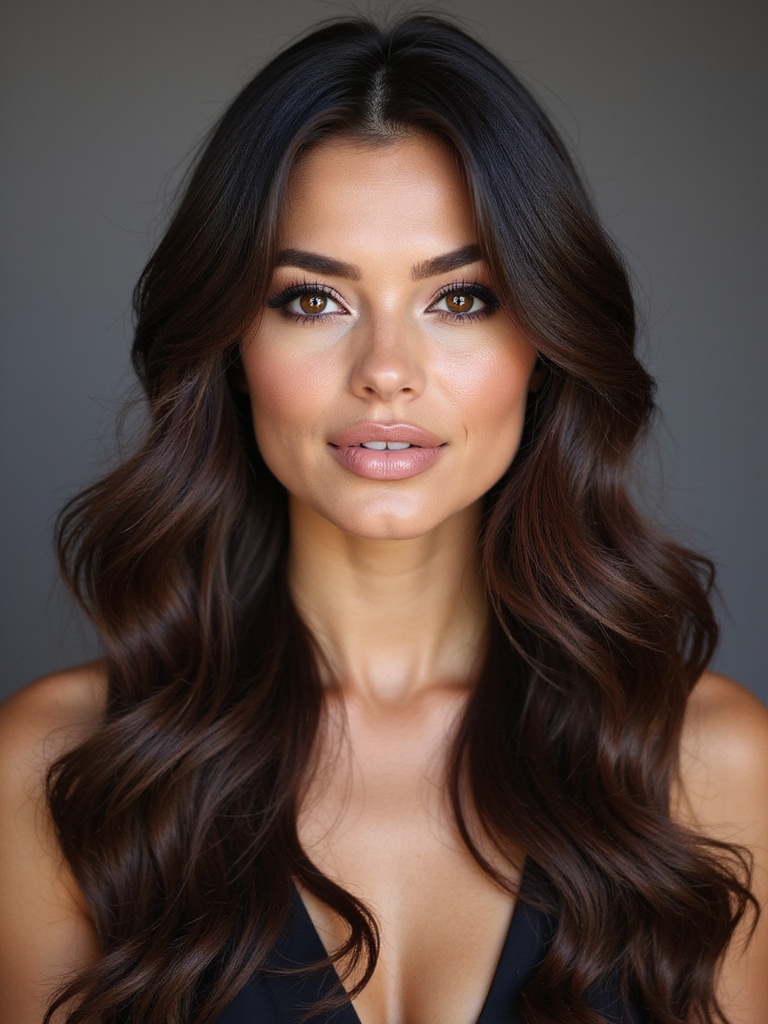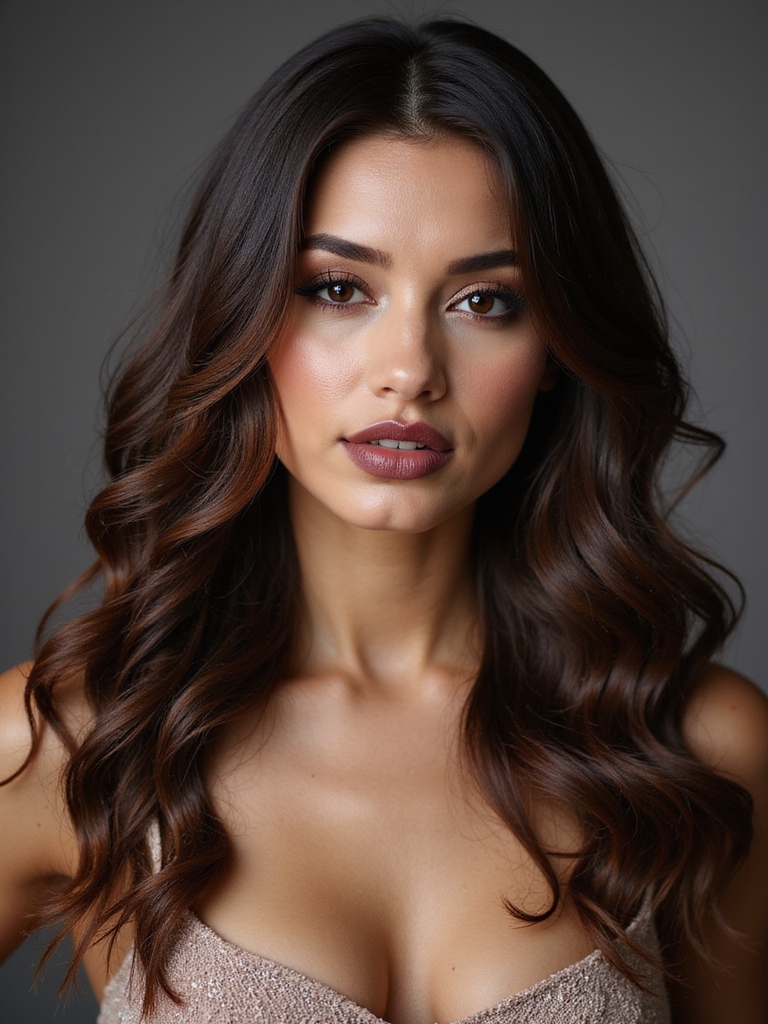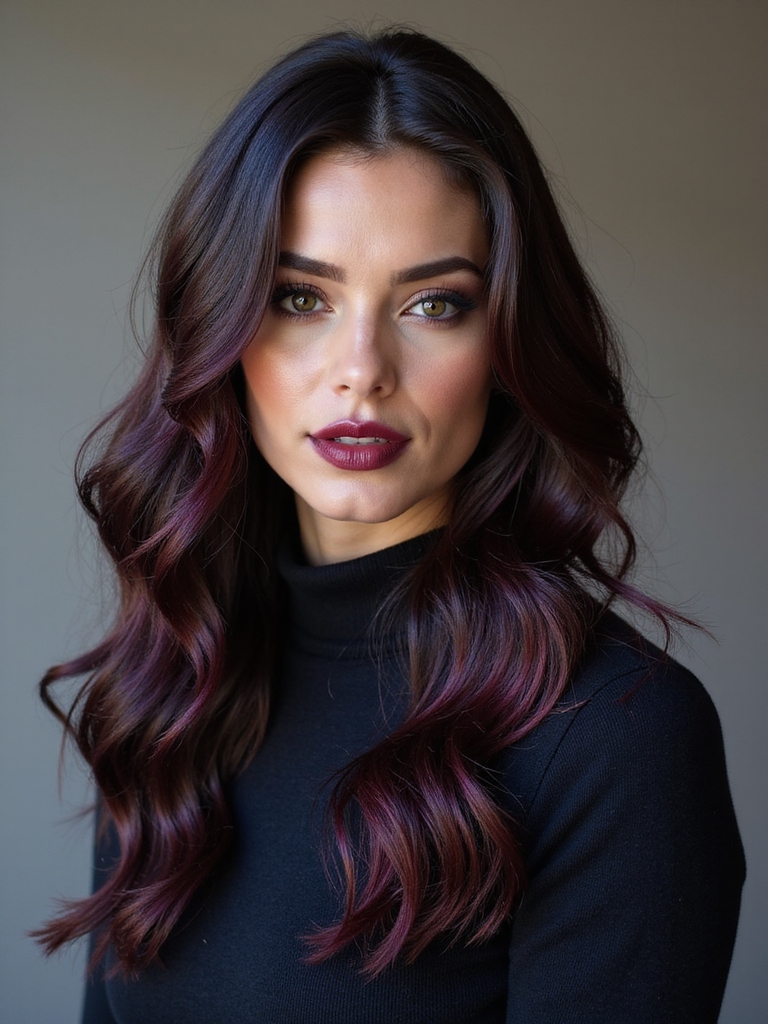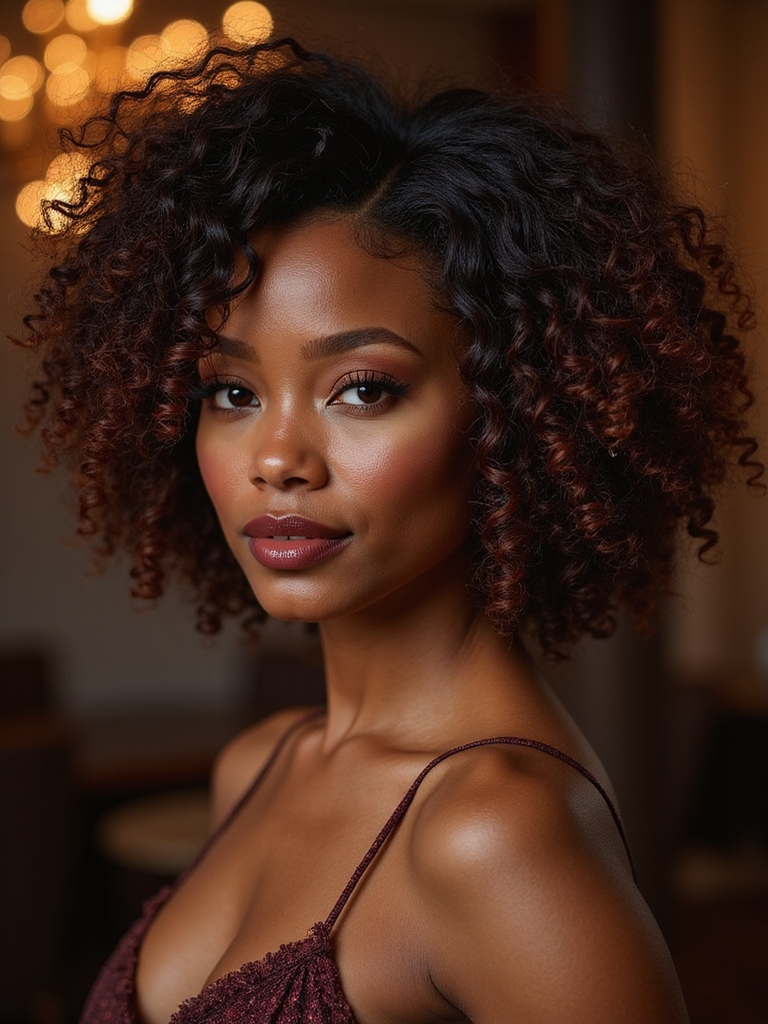
Most color advice was written for straight hair, then handed to curly clients with a shrug. On curls and coils, the same all-over dye that looks rich on straight strands can flatten your definition and leave the spiral looking dull. Color on textured hair has its own rules.
Done right, winter color makes a curl pattern look deeper and more dimensional than ever. The trick is placement that follows the way your curls fall and a care routine built around moisture, since lifted, color-treated coils get thirsty fast in cold, dry air. Here are fifteen winter shades and the curl-smart way to wear and keep each one.
Color That Works With Your Curls
The shade is only half the job on curly hair; the other half is placement and care. Richer winter tones like chocolate, auburn, and smoky mahogany add depth without flattening your texture, while babylights and balayage placed along the curl clumps brighten your face and keep the spiral popping. Match the depth of color to your curl density: tight, dense coils carry bolder saturation, while looser or sparser sections want softer, finer pieces.
Care is what keeps color-treated curls alive through winter. Lightening raises the cuticle and curls already run dry, so a bond builder during the service, sulfate-free washing, weekly moisture, and silk or satin at night are not extras here. They are the difference between coils that stay defined and springy and color that goes flat and brittle by February.
Choosing Your Winter Palette by Curl Pattern
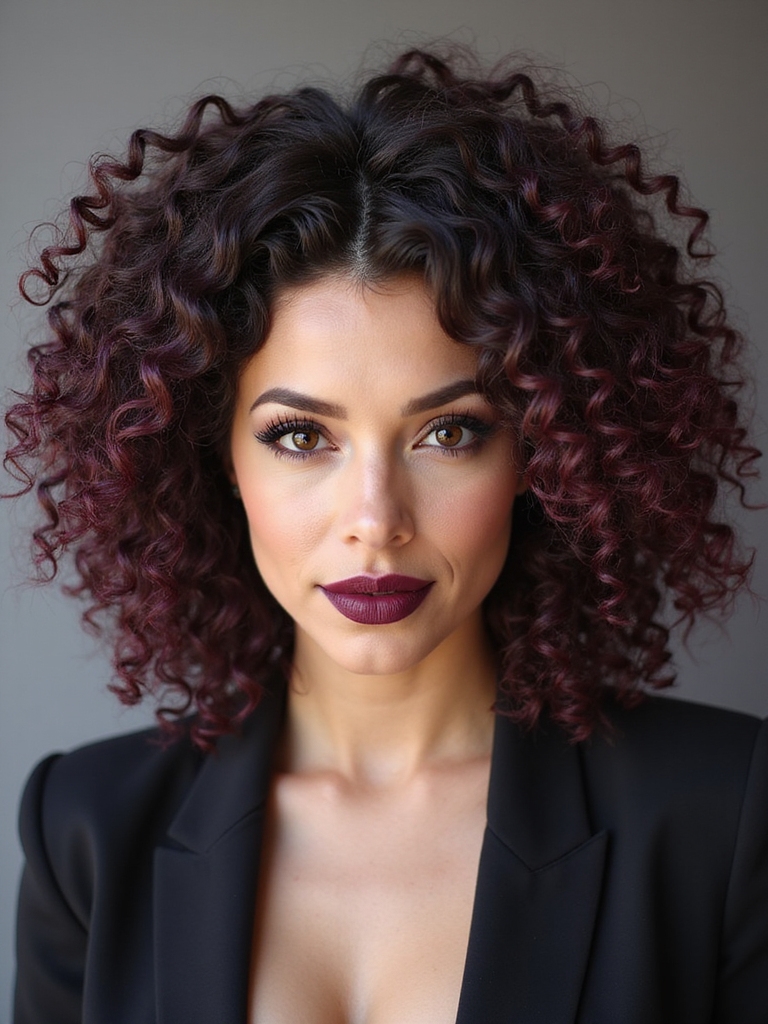
When winter comes in, deeper, moodier tones tend to flatter curls best, because they look rich in low gray light and celebrate the curl pattern as it falls. Cool espresso, muted auburn, and smoky mahogany all add shine and dimension, and the right one comes down to your skin undertone and your hair’s porosity.
I always nudge the conversation toward low-commitment techniques on curly hair. Soft balayage and root-shadowing keep your texture the star and your salon visits few, which matters when frequent lightening is hard on coils. Pick the depth first, then the placement, and the color will work with your curls the way good color should.
Deep Chocolate Brown for Defined Coils
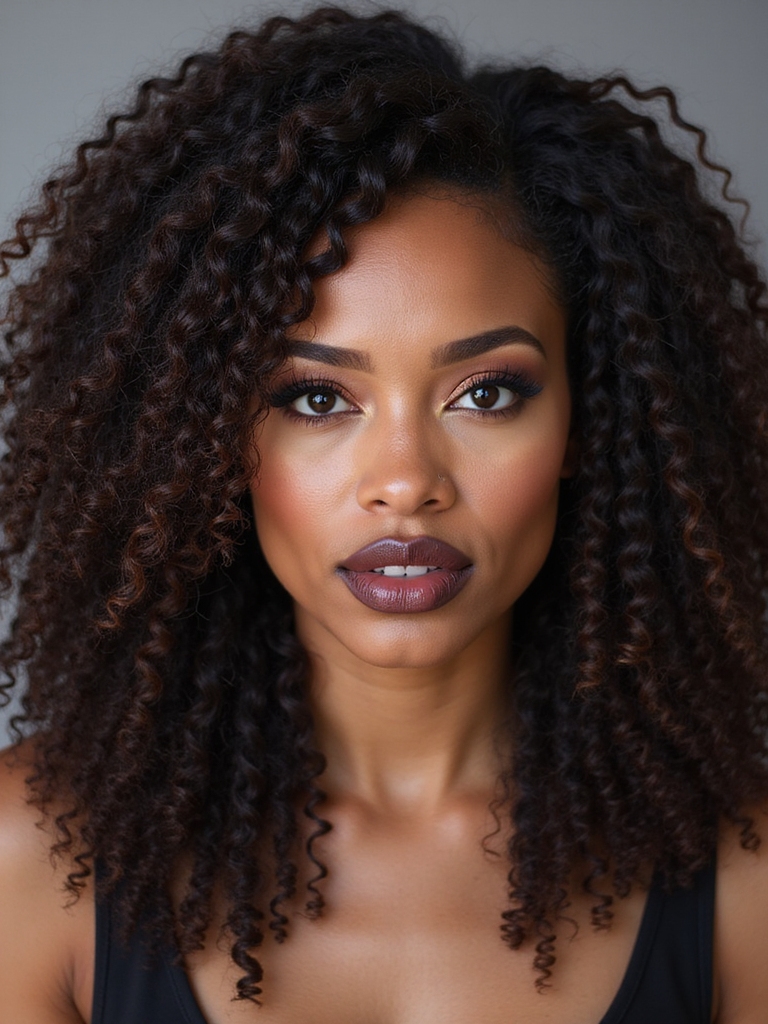
This is the safe bet. Deep chocolate brown with warm undertones adds instant dimension to coils while keeping every bit of their texture, which is why it stays the shade I recommend first to curly clients who want a real change without committing to constant lightening. It photographs rich and healthy. Here is how to keep it that way:
- Refresh with a low-commitment gloss every six to eight weeks to boost shine between visits.
- Choose a warm undertone to keep deep brown from going flat on dark coils.
- Pair it with a sulfate-free routine so the chocolate stays glossy and deep. See more chocolate brown ideas for inspiration.
A few terms that matter most for coloring curls:
📖Porosity
How readily your hair takes in and holds moisture and color. High-porosity curls grab color fast and fade fast, so they need gentler formulas and more sealing.
📖Bond builder
An in-service treatment that protects the hair’s internal bonds during lightening, key for keeping coils strong.
📖Curl clumps
The natural groupings your curls fall into. Placing color along them keeps definition intact.
Warm Auburn to Enhance Ringlets
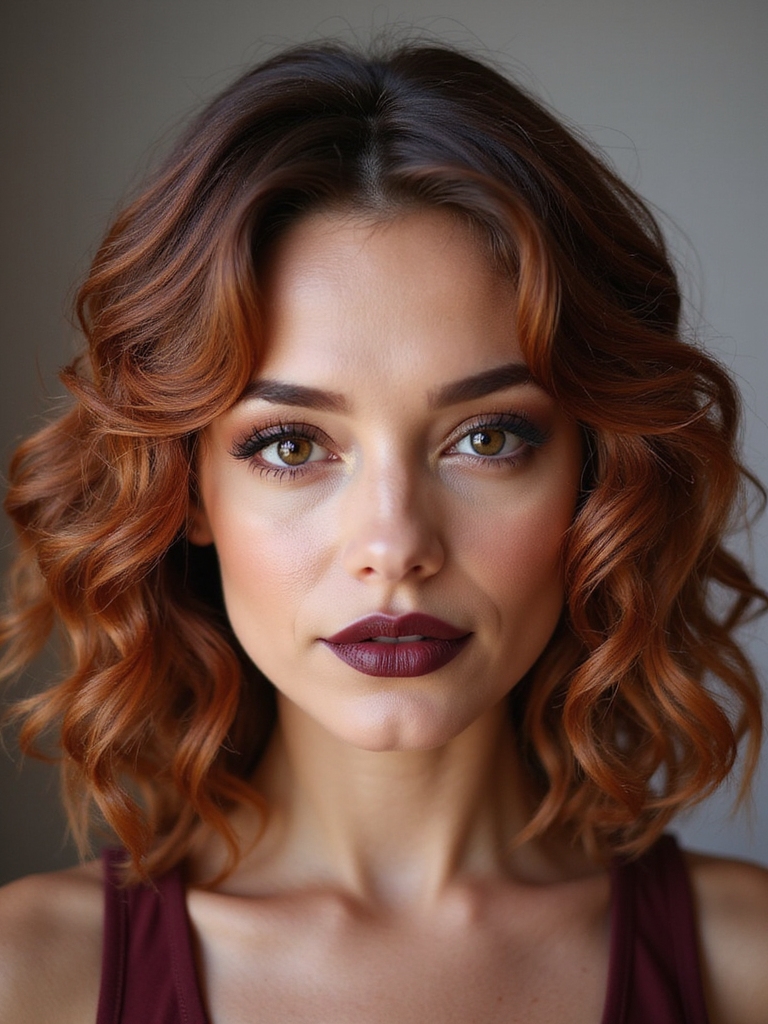
A rich auburn base gives ringlets instant depth and motion, the warm coppery tones catching light as each curl turns. It is a favorite of mine on textured hair, modern and quietly bold at once.
Why Auburn Loves Curls
I pair the auburn with a few golden-copper highlights to play up the dimension and make individual curls pop. Placed along the curl clumps, they add light without overshadowing the spiral pattern underneath.
Auburn works because it enhances the red and brown pigment most curls already carry, so the result looks luminous and homegrown. If you love this family, these auburn copper ideas show the range.
Frosted Caramel Face-Framing Highlights
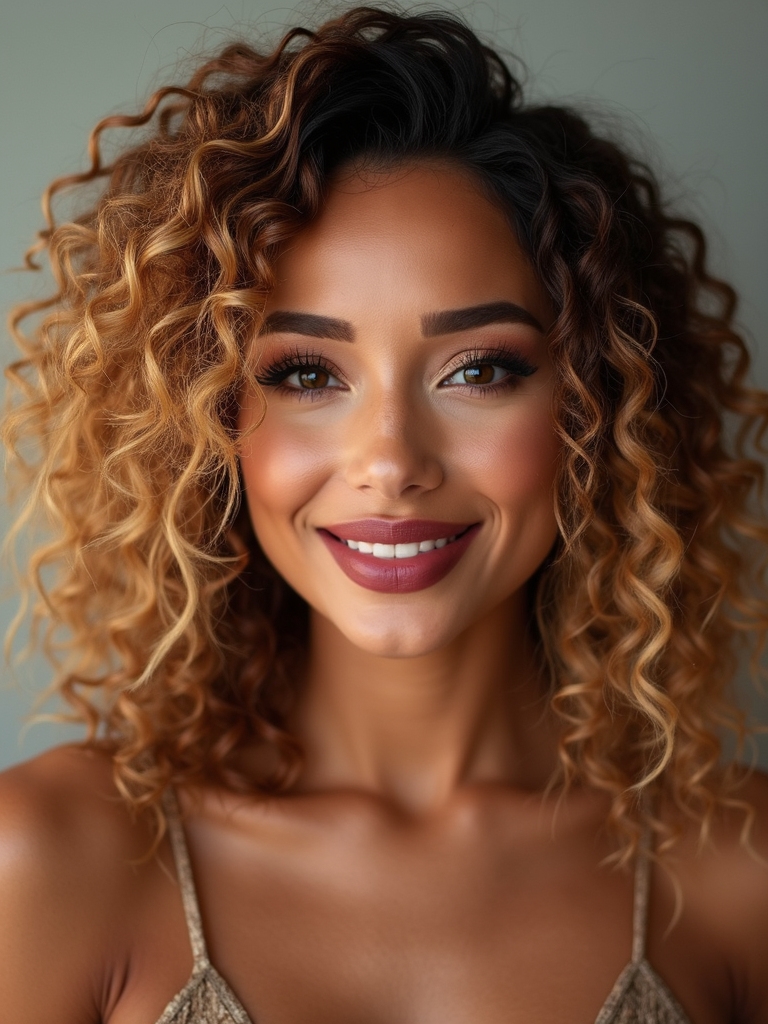
Frosted caramel highlights give curls a soft, cool-edged glow that holds up even in flat winter light. The frost keeps the caramel from going brassy, so the color stays modern through the gray months.
Placement Around the Face
I place them as face-framing slices with subtle root-shadowing behind them. That keeps the depth intact and brightens the complexion without overpowering the texture, so the curls stay the focus.
Upkeep stays low, which is the point on curly hair that you do not want to over-process. A gloss now and then keeps the caramel fresh, and the soft placement means regrowth blends in on its own.
ℹ️Good to Know
Curly and coily hair is naturally drier than straight hair, because the spiral shape makes it harder for scalp oils to travel down the strand. That is why color-treated curls need extra moisture and a bond builder; the lightening only adds to a dryness that is already built in.
Warm Honey Balayage for Loose Waves
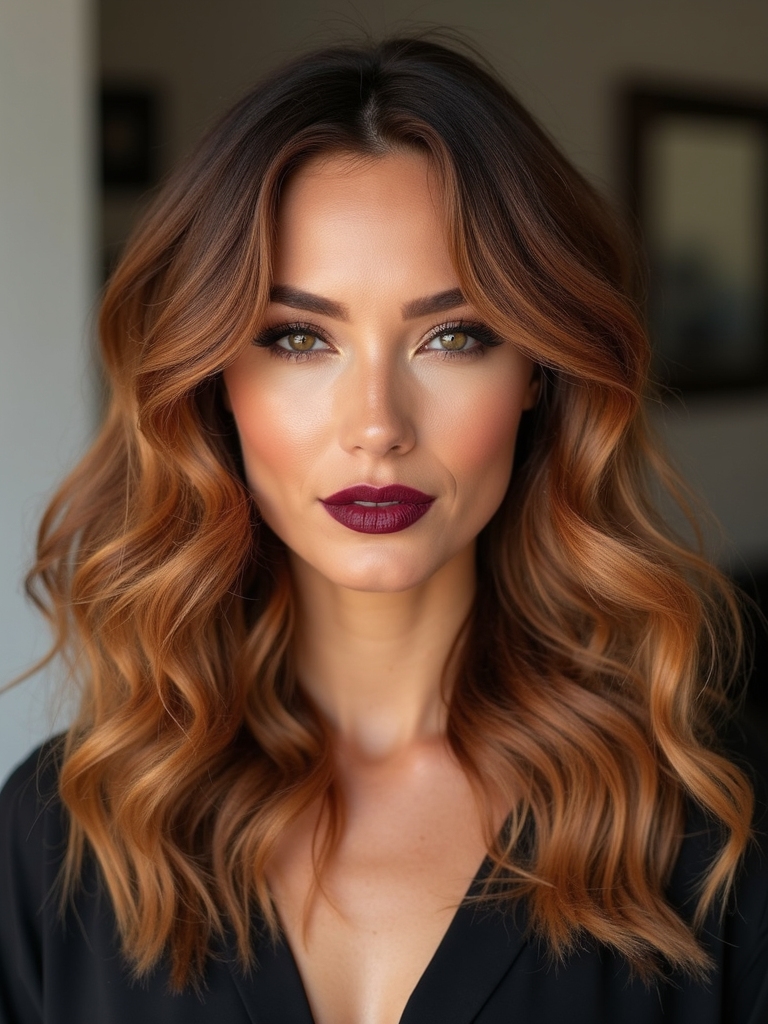
Honey balayage is made for looser waves, where face-framing pieces can brighten your features and follow the movement of the curl as it loosens and falls, catching the light along the bend of each wave the way a tighter coil never quite does. The warm tones lift the complexion and add light exactly where waves catch it.
Refresh Timing for Waves
I blend the honey into your natural base so the color grows out soft, with no hard line to chase. On a wave pattern, that soft grow-out is what keeps the look easy and the maintenance low.
I paint the brightness around the face and through the mid-lengths, never saturating the roots, so the waves keep their natural depth. A refresh every couple of months holds the warmth and shine.
Cool Ash for Sharper Curl Definition
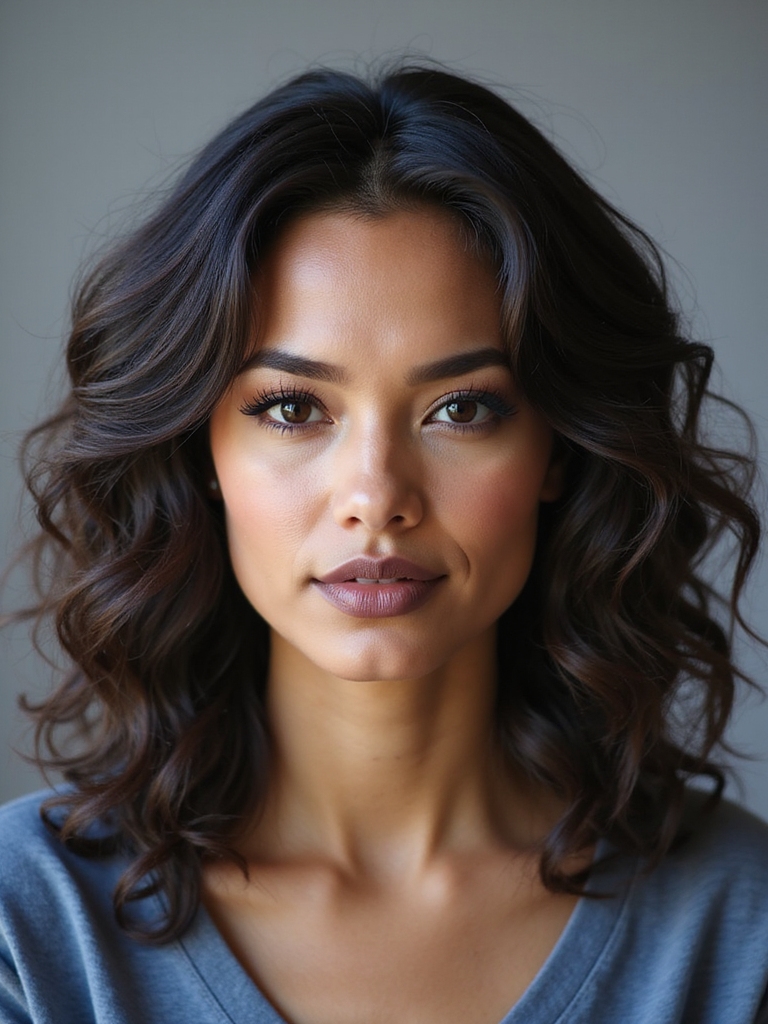
If you want curls that read sharper and more sculpted, cool ash tones are the move. They mute brass, deepen the contrast between coils, and make each spiral look more defined. Cool undertones also calm the look of frizz, which is part of why an ashy tone can make a head of curls read sharper and more sculpted even before you have touched a styling product. Keep it crisp this way:
- Ask for subtle ash balayage for soft definition, or full ash for denser texture.
- Use a purple shampoo and selective toning to keep the cool tone from fading warm.
- Keep moisture high, since ash on curls can look dry if the hydration slips.
Which winter shade fits your goal?
🎯I want depth that flatters dark coils
Deep chocolate brown or smoky mahogany: rich, low-upkeep, and easy on the texture.
🎯I want warmth and light around my face
Warm auburn or frosted caramel face-framing pieces, placed along the curl.
🎯I want a bold, modern statement
Jewel-tone sapphire or emerald accents on a demi-permanent base.
Jewel-Toned Sapphire and Emerald Accents
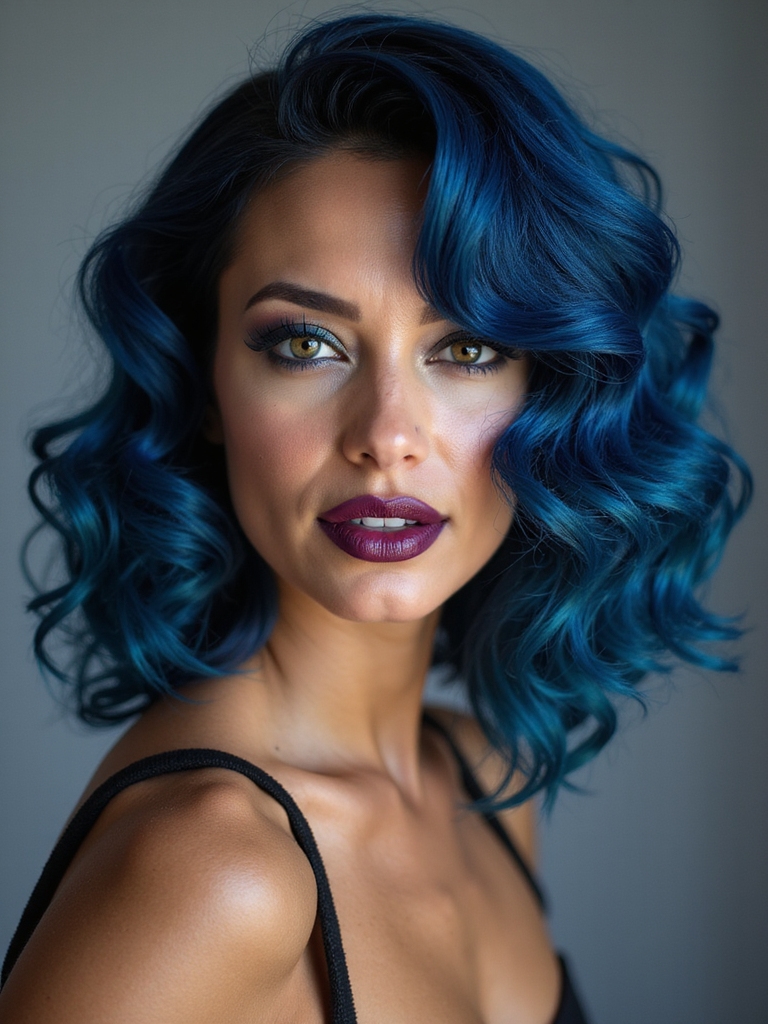
Want drama? Jewel tones make dark coils sing. A deep sapphire delivers high-fashion impact, the kind of color that turns a head full of coils into the most striking thing in a gray winter room, and it pairs beautifully with low light and minimal makeup. Worn as accents through a few sections, it stays chic and intentional. Here is how to keep it wearable:
- Anchor with a deep sapphire through sections for impact without muddying the texture.
- Add subtle emerald accents around the face or ends for dimension.
- Use a bond-friendly, demi-permanent formula so the bold color is gentle on coils.
Subtle Face-Framing Lowlights for Depth
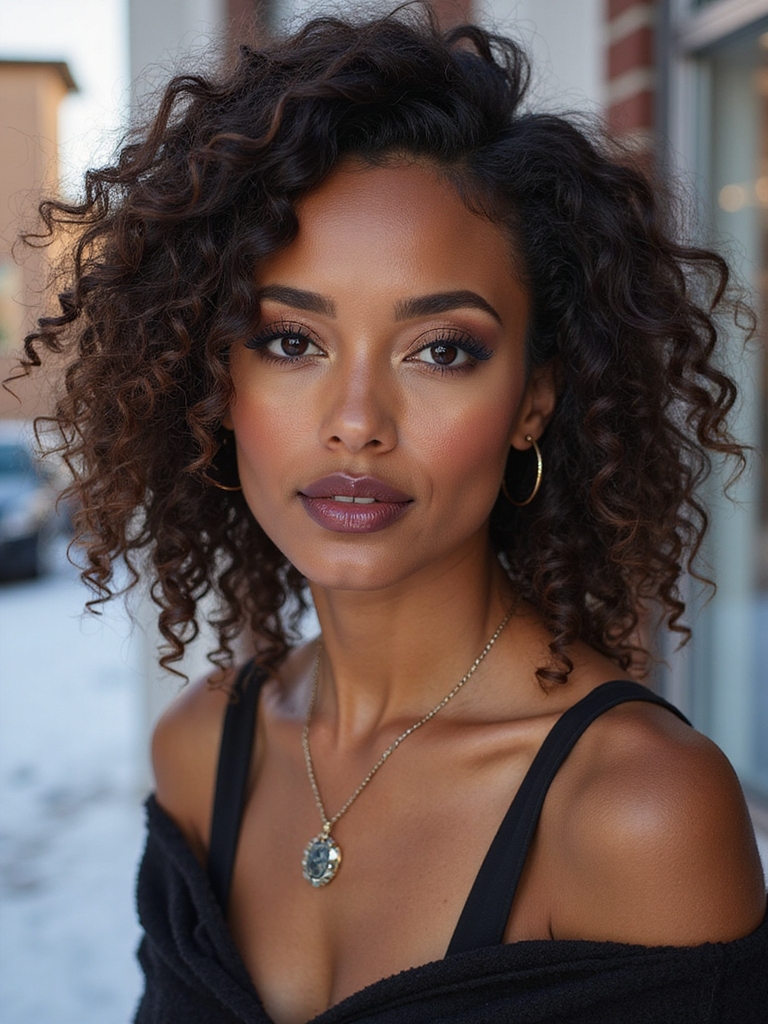
Sometimes you want depth, not brightness. Face-framing lowlights add quiet dimension around the hairline, and a few pieces a couple of shades darker than your base deepen the curl definition and gently contour the face at the same time.
Picking the Right Depth
Kept soft, the shifts settle into gentle natural shadow, so the look stays modern and easy to maintain. On curly hair, that subtlety is what makes added structure feel intentional and light.
It is a smart winter choice, when richer, deeper color feels right and you want it to flatter and add structure. The lowlights grow out softly, so the upkeep stays minimal.
| Curl Type | Best Shade | Technique |
|---|---|---|
| Tight coils | Deep chocolate, mahogany | Gloss or low-contrast balayage |
| Ringlets | Warm auburn, copper | Base color with golden highlights |
| Loose waves | Honey, caramel | Face-framing balayage, no root saturation |
Babylights Placed to Keep Curls Bouncy
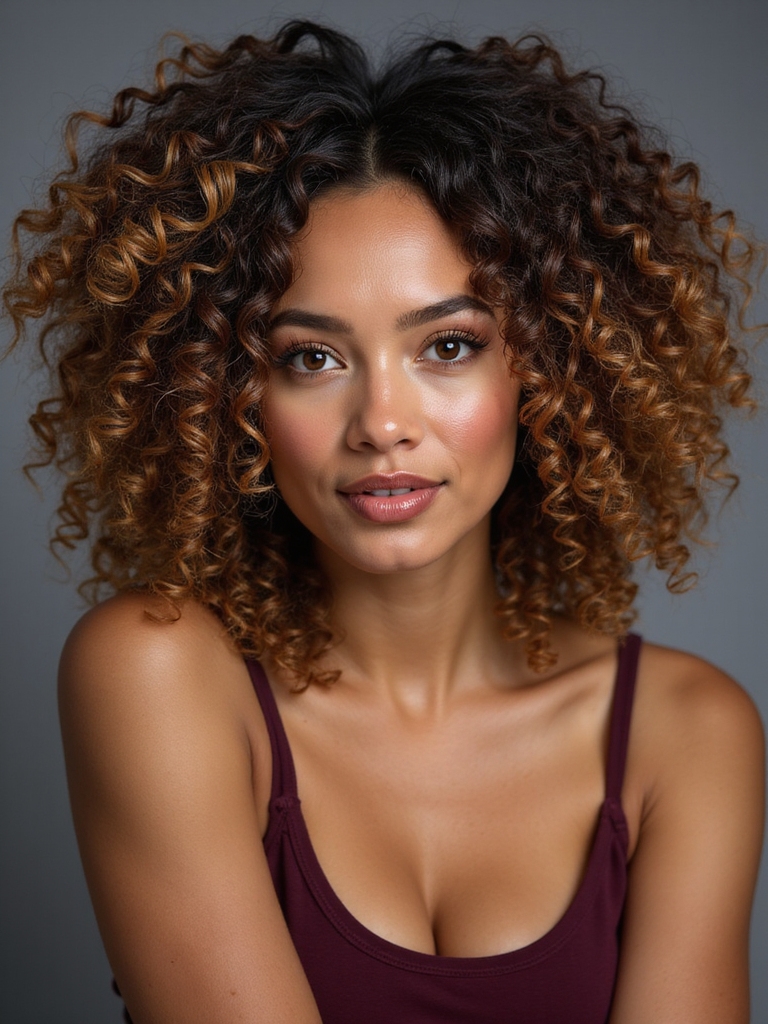
Babylights brighten texture without weighing it down, as long as they are placed for the curl. I keep them fine and strategic so the coils stay light and springy. Placement is everything. Set wrong, even the finest highlights can drag a curl out of its clump and leave the spiral looking stretched and limp instead of bouncy:
- Set fine slices at the mid-shaft and ends, where curls naturally spring.
- Avoid heavy saturation at the roots so the coils keep their bounce.
- Follow the curl clumps and your face angle so the brightness enhances movement.
Natural Shadow-Root Blending for Low Upkeep
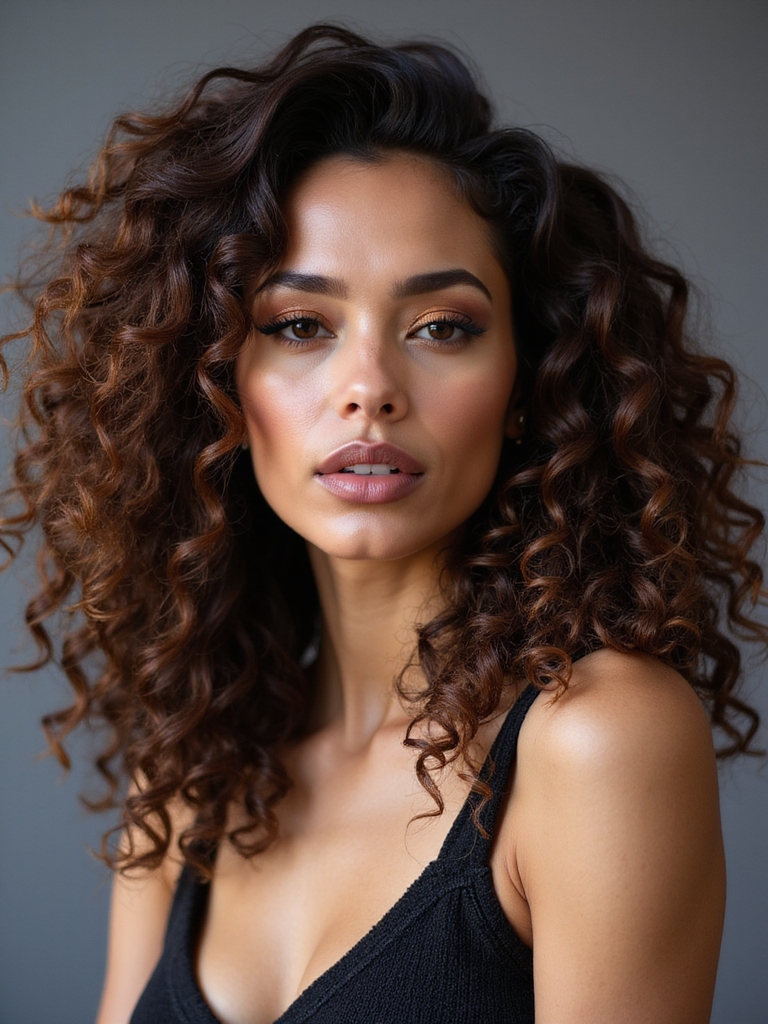
Keeping curls bright is great, but the roots have to be low-maintenance too, or you will be back in the chair constantly. A soft shadow root blends regrowth so it looks natural and intentional. Build it this way:
- Blend at the scalp with a soft demarcation so the regrowth line stays gentle.
- Use shadow roots and feathered hand-painting so new growth melts in.
- Plan on fewer salon visits, which is healthier for color-treated coils anyway.
Sulfate-Free Hydration to Protect Color
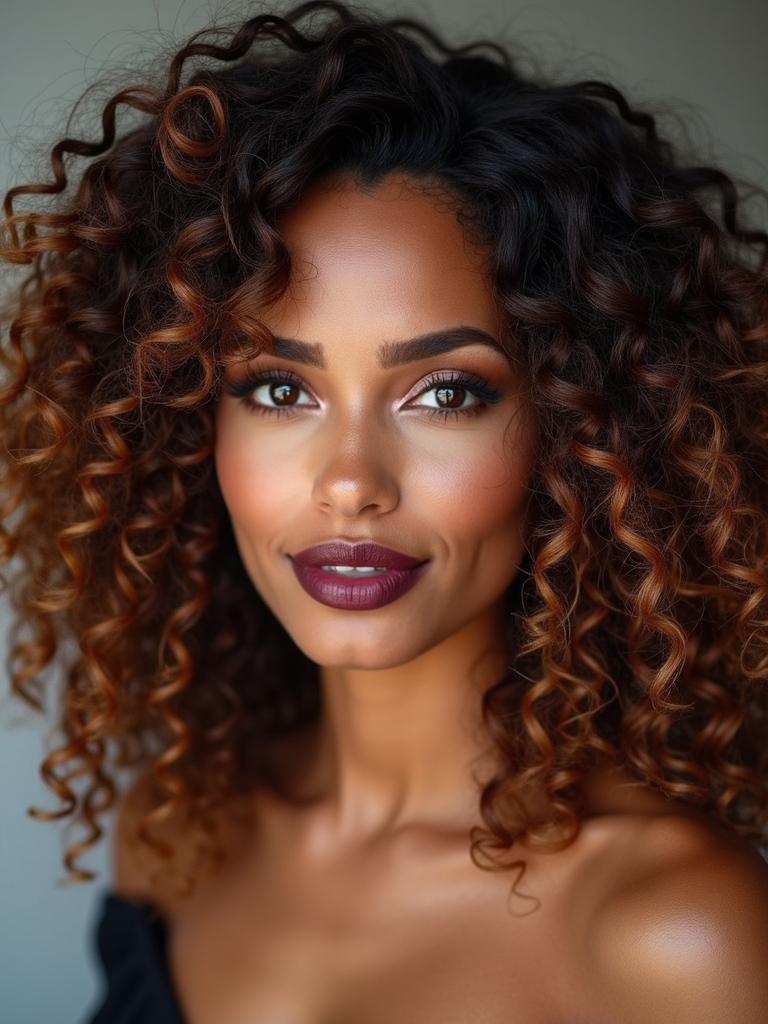
Cold air strips moisture and makes color look flat, and curls feel it first, because the same spiral shape that gives them their bounce also leaves them more exposed and quicker to dry out than straight hair in the dead of winter. So the care routine matters as much as the shade, especially in the weeks after a color service. I lean on a few staples to lock hydration without fading the tone.
These are the products I send curly clients home with:
- Sulfate-free masks and color-safe oils to seal the cuticle and hold definition.
- A bond-building treatment to keep lifted coils strong.
- A weekly protein-light mask and a leave-in to keep tone and texture lively.
Seal, Silk, and a Sulfate-Free Gloss
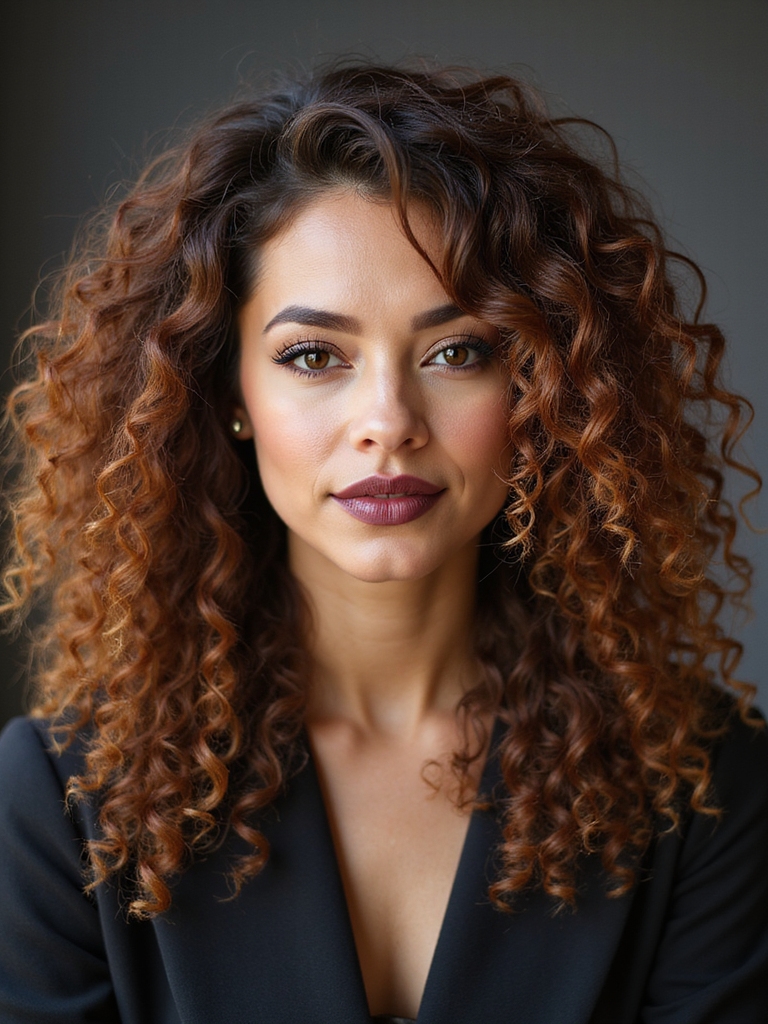
Getting colored curls through winter is about moisture and protection, so the hue and the bounce both last. I seal freshly colored strands with a lightweight oil to hold hydration in.
The Night-Time Routine That Matters Most
At night, I switch clients to a silk or satin pillowcase, or a satin bonnet, which cuts the friction that roughs up the cuticle and dries curls out while you sleep. It is the simplest habit with the biggest payoff.
Then I swap to sulfate-free, color-safe cleansers, add heat protection on any styling day, and book a gloss every so often to refresh shine. Those moves keep the color rich and the curls springy through the cold.
Mapping Color to Curl Density
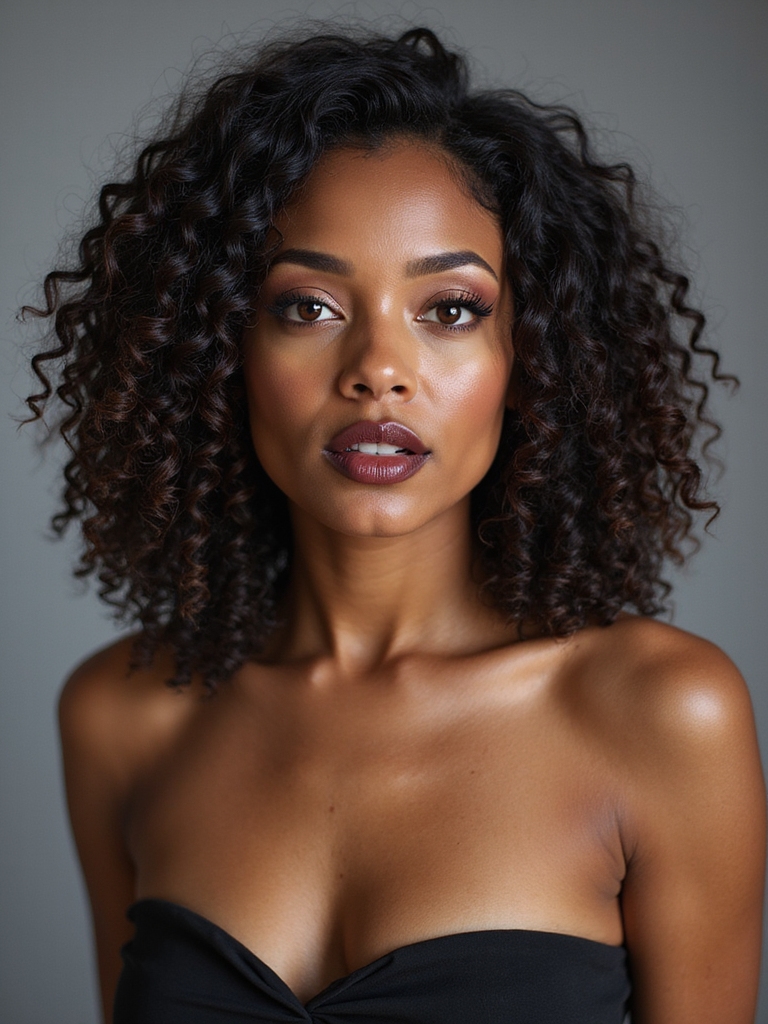
Good colorists map color to curl density the same way they map a cut, because placement changes how the whole head reads. Denser, tightly coiled areas can carry bolder saturation without looking heavy, while looser or sparser sections want a lighter touch.
So I place richer tones where the coils cluster thick, and I scatter fine, sun-kissed accents across the sparser gaps. That balance of contrast is what keeps the color looking natural and dimensional across the whole head.
It is a small shift in thinking that makes a big difference on textured hair. Matched to your density, the color looks like it grew that way, which is exactly the goal.
Coloring Without Compromising Curl
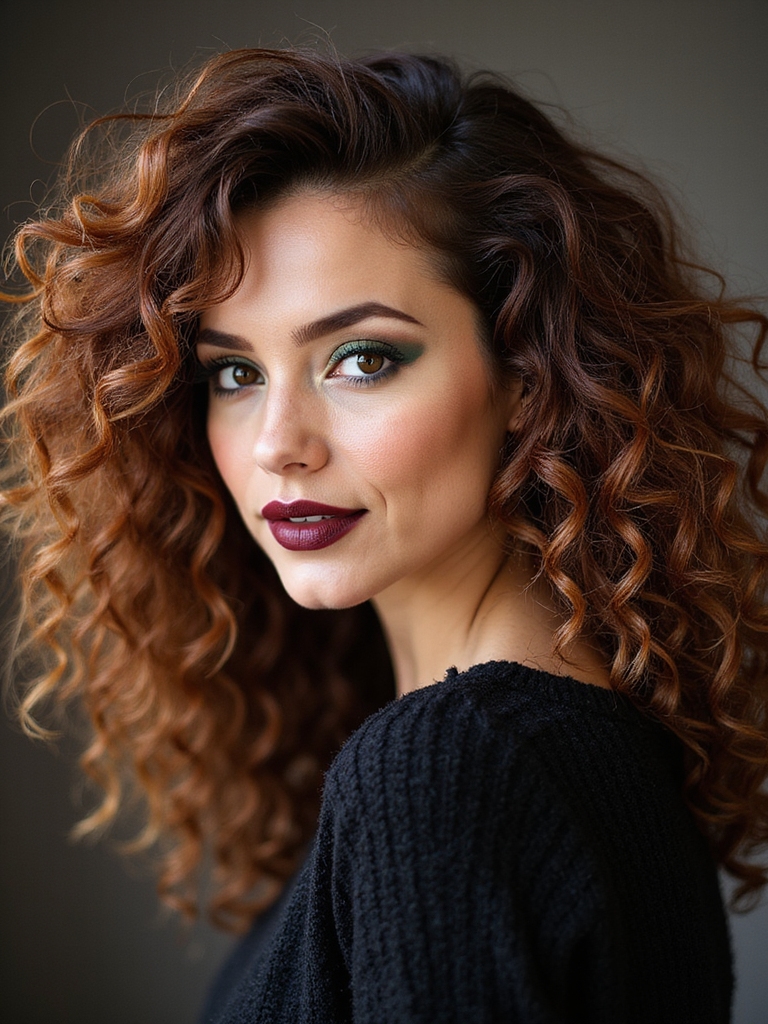
When you change tones between sections, the curl has to be the priority, since fragile coils lose elasticity fast when they are over-processed. So I design the shifts to protect the bounce, reaching for gradual lift, demi-permanent glosses, and zoned, low-contrast highlights kept gentle across the sections.
I also watch porosity closely, space the sessions out, and choose bond-friendly formulas every time. The goal is smooth color movement from section to section, with the curl pattern coming out the other side just as springy as it went in.
Targeted At-Home Touch-Ups for Curls
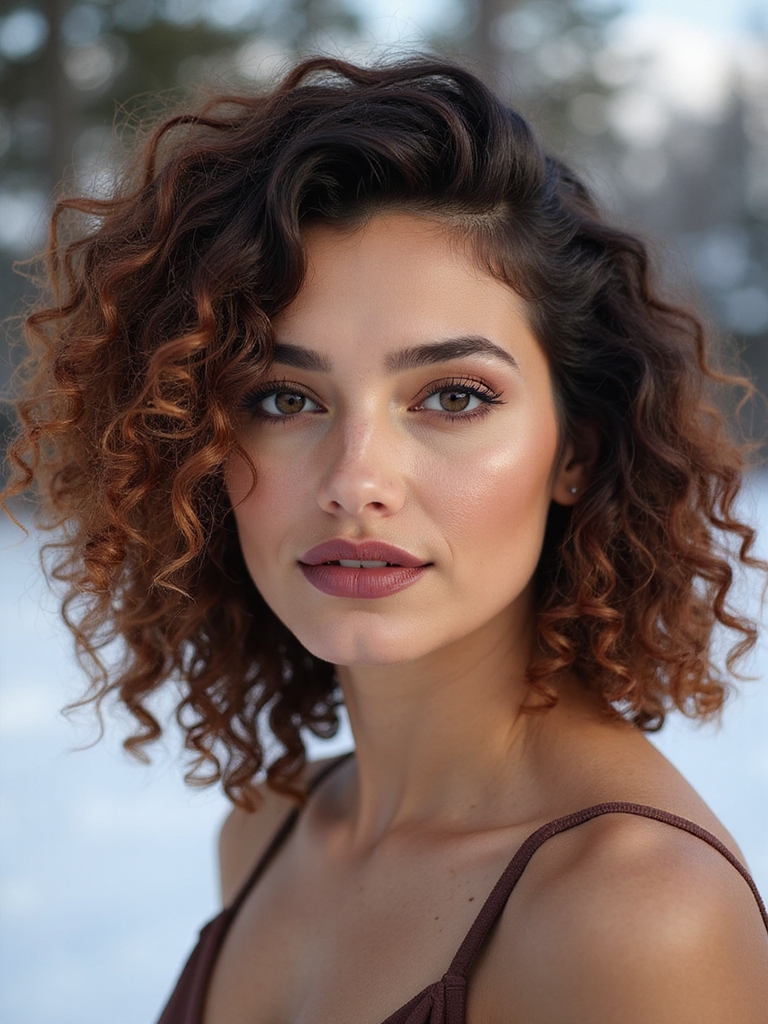
Between salon visits, the safest at-home touch-ups are small and targeted. I refresh roots with a semi-permanent kit, gloss the mid-lengths for shine, and spot-tone any brass with a purple conditioner.
What to Leave to the Salon
The thing to avoid is a full at-home lift, which is where curly hair gets damaged. I keep heat to a minimum and deep-condition after any color step, so the texture stays intact.
Small, smart fixes keep the look current without salon-level processing. Done with a light hand, they carry your color comfortably from one appointment to the next.
Styling Tips for Colored Curls
The fastest way to make winter color look its best is to keep the curls hydrated and defined. Color-treated coils drink up moisture, so a weekly deep-conditioning mask and a leave-in do more for how rich your color looks than any toner. Style on soaking-wet hair with a curl cream or gel, then diffuse on low heat or air-dry to lock in definition without roughing up the cuticle.
Protect the color from fading, too. Rinse with cooler water to keep the cuticle closed, sleep on silk or satin, and stretch the days between washes with a quick refresh of water and a little leave-in. For more on caring for textured color through the season, browse these winter brunette color ideas and styling-focused winter curly looks.
Coloring Curly Hair in Winter, Answered
?Does coloring damage curly hair more than straight hair?
Curls are naturally drier, so they feel color more, but that is manageable with the right care. The key is protecting the texture: ask for a bond builder during the service, lean on demi-permanent and gloss formulas where you can, and keep moisture high afterward. Done with care, color enhances curls without wrecking the pattern.
?What winter colors look best on curly hair?
Deeper, dimensional tones flatter curls in winter light: deep chocolate, smoky mahogany, and warm auburn all add richness while keeping texture front and center. For brightness, frosted caramel or honey face-framing pieces work, and jewel-tone accents make a bold statement on dark coils.
?How do I keep color-treated curls from getting dry in winter?
Build the routine around moisture. Use sulfate-free, color-safe cleansers, a weekly deep-conditioning mask, and a leave-in, seal with a light oil, and sleep on silk or satin. Rinsing with cooler water and stretching the days between washes also helps hold both the hydration and the color.
?How should color be placed on curly hair?
Place it along the curl pattern, following how the coils actually fall. Good placement follows your curl clumps and face angle, brightens the mid-shaft and ends where curls spring, and avoids heavy saturation at the roots so the coils keep their bounce. Color should also be mapped to density, with bolder tones where coils cluster thick.
?Can I touch up curly color at home?
Small, targeted touch-ups are fine: a semi-permanent root refresh, a gloss for shine, or a purple conditioner to spot-tone brass. Avoid a full at-home lift, which is where curls get damaged, and deep-condition after any color step. For anything more than a refresh, leave it to a stylist who colors textured hair.
Let Your Curls Lead the Color
The best winter color for curly hair is the one that follows your texture and moves with it. Pick a depth that suits your skin, place the brightness along your curl clumps, and match the saturation to your density, and the color will make your coils look richer and more defined than ever.
Then protect what you made. Moisture, a bond builder, sulfate-free care, and silk at night are what carry color-treated curls through cold, dry months looking springy and bright. Choose the shade that speaks to you, care for it well, and your curls will sing all winter. For more, these caramel highlight ideas are a warm place to start.
You Might Also Like