What if the braided bob you love did not have to start with three days of a tender, throbbing scalp? That trade-off used to feel non-negotiable. A knotless bob is the style that finally retired it, swapping the tight anchor knot for a gradual feed-in start that lies flat and pulls far less on your roots and edges.
Below are fifteen ways to wear it, from a blunt collarbone lob to micro braids that move like loose hair, plus the honest cost, timing, and care notes I give clients before they book. The shape stays sharp; your hairline gets to relax.
What to Know Before You Book
- Knotless braids feed the extension hair in gradually, so a bob shape sits flat and puts less tension on your edges than a knotted install.
- Expect three to six hours in the chair and a rough cost of $150 to $300, with micro braids and longer lengths sitting at the top of that range.
- Braid size sets the whole mood: micro braids swing like fine, free strands, while medium braids balance movement against a faster install.
The Classic Chin-Length Bob
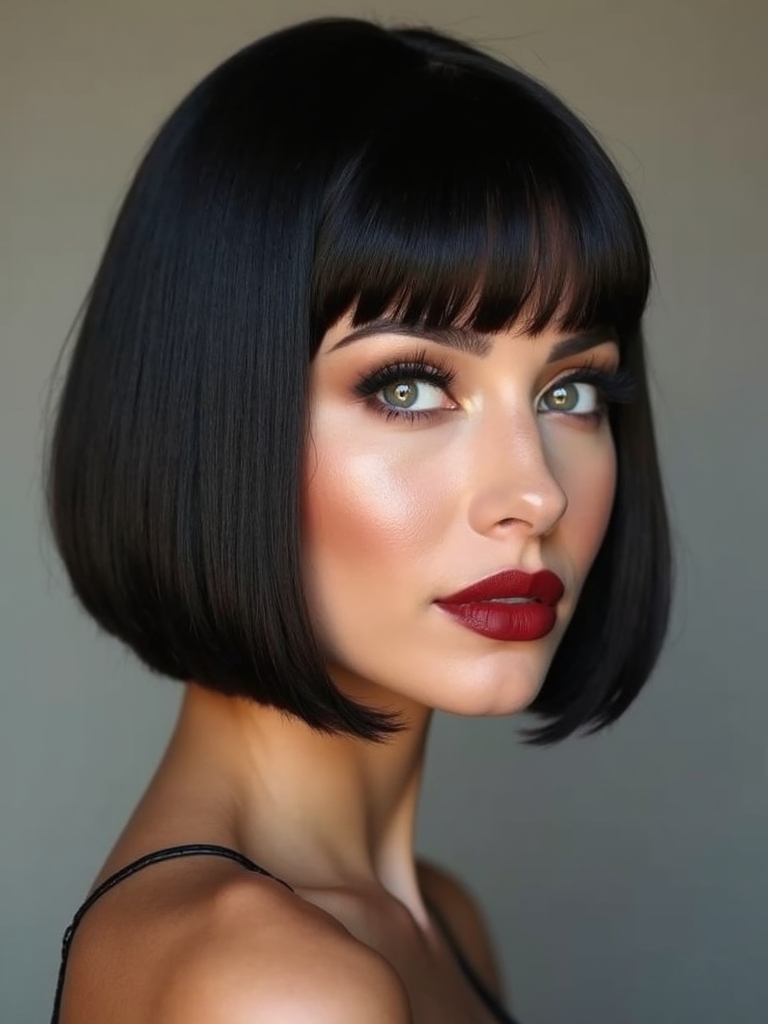
The chin-length version is where I send most first-timers, and for good reason. It’s the easiest place to get familiar with the style. Because the braids feed in gradually, they hug the head and feel light from the very first row. The hairline is where you notice it most, exactly the spot where knotted installs tend to ache.
At chin length the braids swing cleanly and frame the jaw without much weight. Comfort sells it. The relief on a client’s face when that first install does not sting is the main reason I recommend knotless over knotted. If you want a shorter, sharper take later, a very short bob on Black hair builds on the same idea.
- Sits right at the jaw, so it looks tidy without grazing your shoulders.
- The lightest length to sleep on and re-tie at night.
- Easiest size to install evenly if your braider is newer to feed-in work.
Curved Ends That Add a Soft Swing
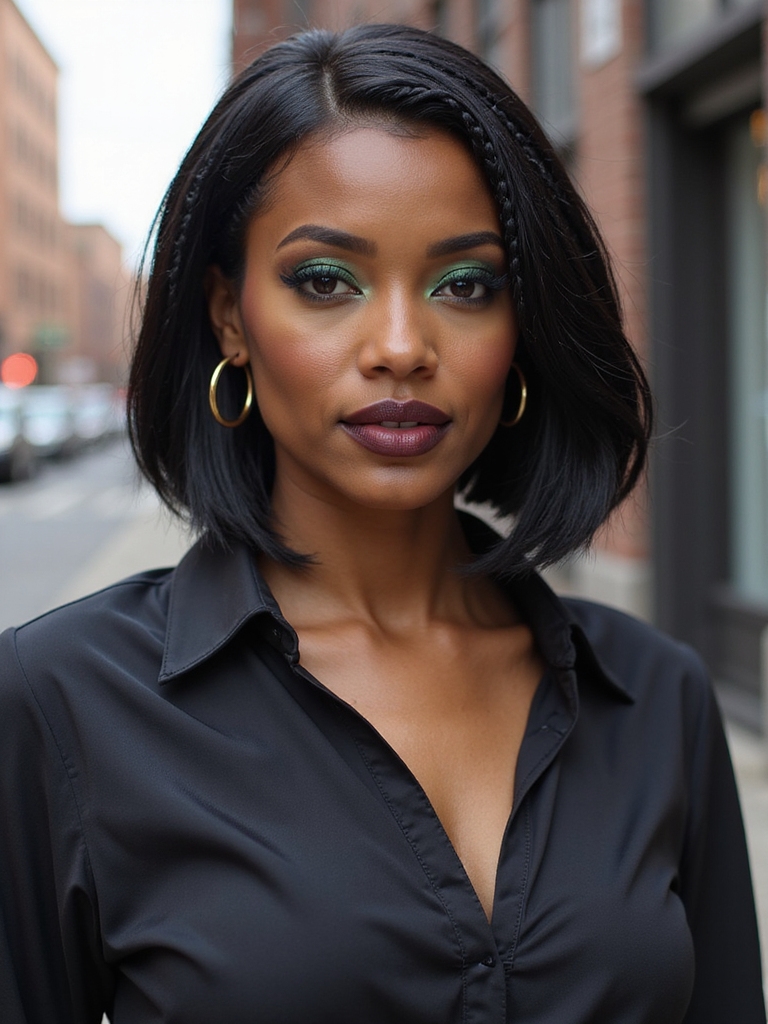
Not every knotless bob has to stop in a straight, blunt line. Setting the ends with a soft curve under gives the bob a rounded finish and a gentle swing as you turn your head, softening a strong jaw and lending the whole shape a polished, finished edge that a blunt line cannot. Here is how the curve usually gets set:
- Dampen the last inch or two of the braids, then wrap them around a flexi-rod or large roller.
- Let them air-dry fully, or sit briefly under a hooded dryer on low heat.
- Unwrap, separate gently, and smooth with a pea-size drop of light oil.
💡Reviving the Curve
If the curve drops by day two, re-wrap only the ends overnight. Re-curling the whole braid stresses the roots for no reason.
The Blunt-Cut Knotless Lob
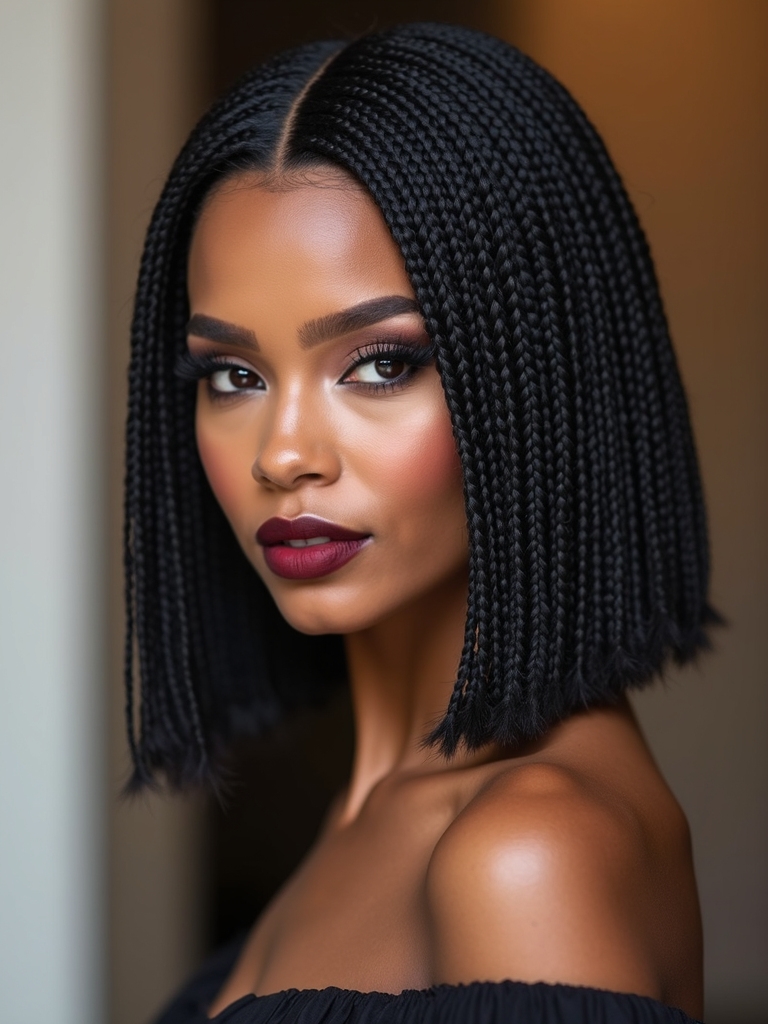
Prefer a little more length? The blunt-cut lob keeps the braids at the shoulders and finishes them in one clean, even line. Cut to a single length, the braids swing as one piece and show off how neat the work underneath really is. It is the most versatile knotless length, because you can still tie it back or pin a half-up without losing the shape. It’s the length I point clients toward most when they switch between weekday polish and weekend ease.
The blunt edge is the whole feature, so it rewards a braider who cuts a precise line. The added length stays comfortable because the knotless base still carries no root knot. If you like the braided-bob idea but want it shorter and sportier, short bob braids cover that ground.
- The longest length here that still looks like a bob without reaching mid-back.
- Holds a ponytail or half-up without bulk at the nape.
- Blunt ends are sealed with hot water so they do not unravel.
Side Part, Tucked Ends, Instant Drama
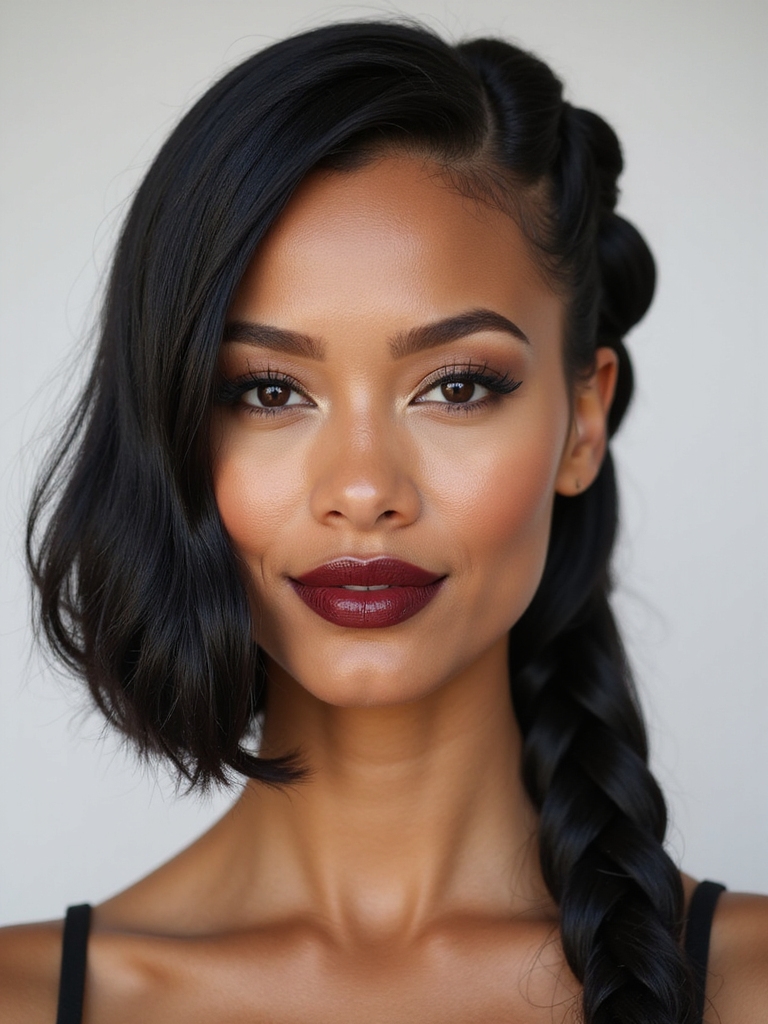
A deep side part changes a knotless bob more than people expect. Sweeping the braids hard to one side draws a diagonal line across the forehead, and tucking the longer side behind one ear puts your jaw and neck on display. This is what I suggest when someone wants the style to feel a touch dressier without changing the cut.
The part and the tuck do the work together: the diagonal softens round and square faces especially well, while the tuck keeps everything looking deliberate instead of windblown. A few drops of light oil along the part keep your edges smooth and the line crisp through the day.
Setting a clean deep part at home:
1Find your part
Run a rat-tail comb from the arch of one eyebrow straight back.
2Sweep and pin
Move the heavier side across and pin it while you smooth the edges.
3Tuck and set
Tuck the long side behind your ear and mist lightly to hold.
The Minimalist Middle Part
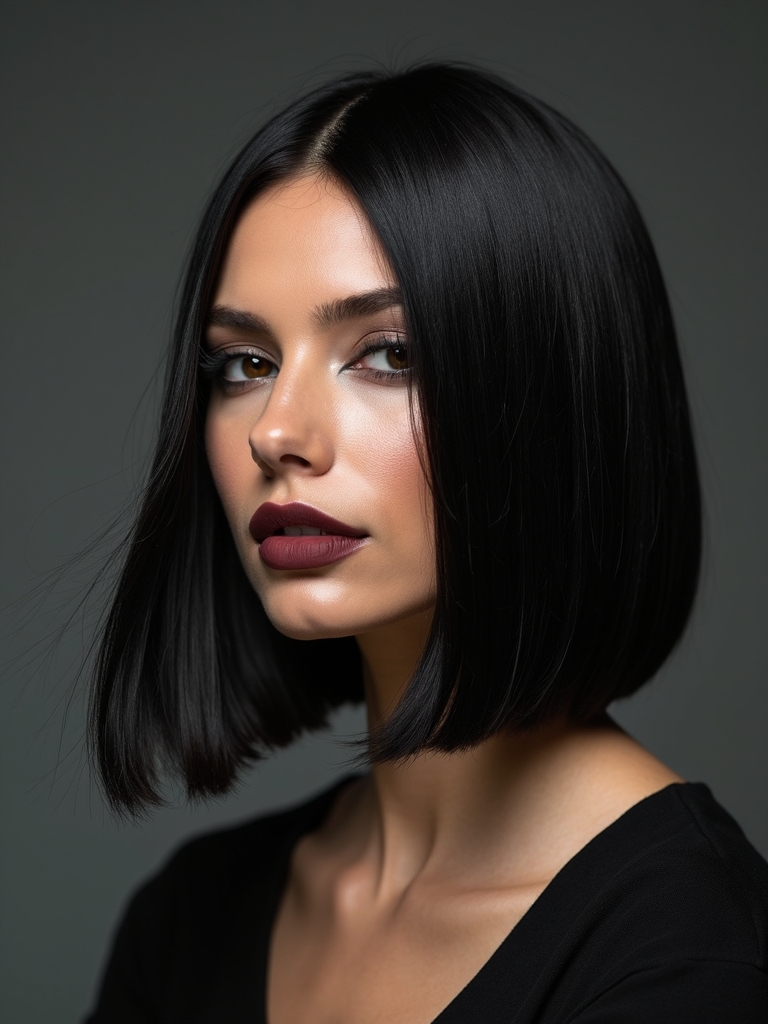
A precise center part pulls the knotless bob in the opposite direction: pared back, even, quiet. The braids fall in two equal curtains and frame the face symmetrically, which is why it flatters oval and balanced features so easily.
Best for oval and balanced faces
What makes it feel current is the restraint. There is no asymmetry or adornment doing the talking, just a clean part and the neat drape of the braids. It is a strong choice for work, or anywhere you want the style to look polished and quiet.
Keeping the part sharp is the only real upkeep. A little oil along the scalp line and a satin bonnet at night keep it from fuzzing over. If your natural texture is the star and you would rather skip extensions, a natural hair bob cut gets a similar clean shape.
Face-Framing Layers and Loose Tendrils
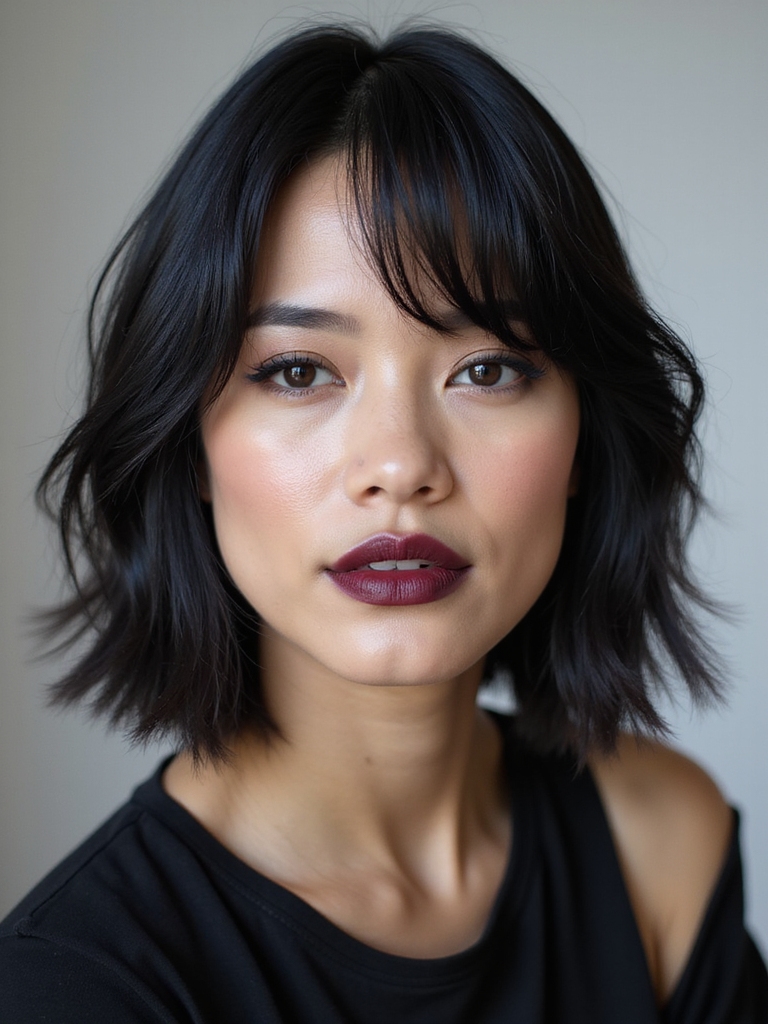
Face-framing braids and a few loose tendrils bring movement to an otherwise uniform style. Shorter braids cut around the face draw the eye to your cheekbones, while a handful of thin pieces left loose at the front soften the hairline the way curtain bangs would on natural hair, blurring the line where braids meet skin so the whole front looks gentler.
It is a small detail with a big payoff. You can curl the framing pieces, leave them straight, or set them with the same flexi-rod trick. The point is contrast: structured braids behind, softer movement up front.
- Leave only two or three loose pieces, or the front starts to look unraveled.
- Cut the framing braids a touch shorter than the rest so they actually frame.
- Revive loose tendrils with water, not heat, to avoid frizz.
The softest face-framing comes from where you place the braids. Two well-set pieces do more than a whole loose fringe ever will.
Going Asymmetrical
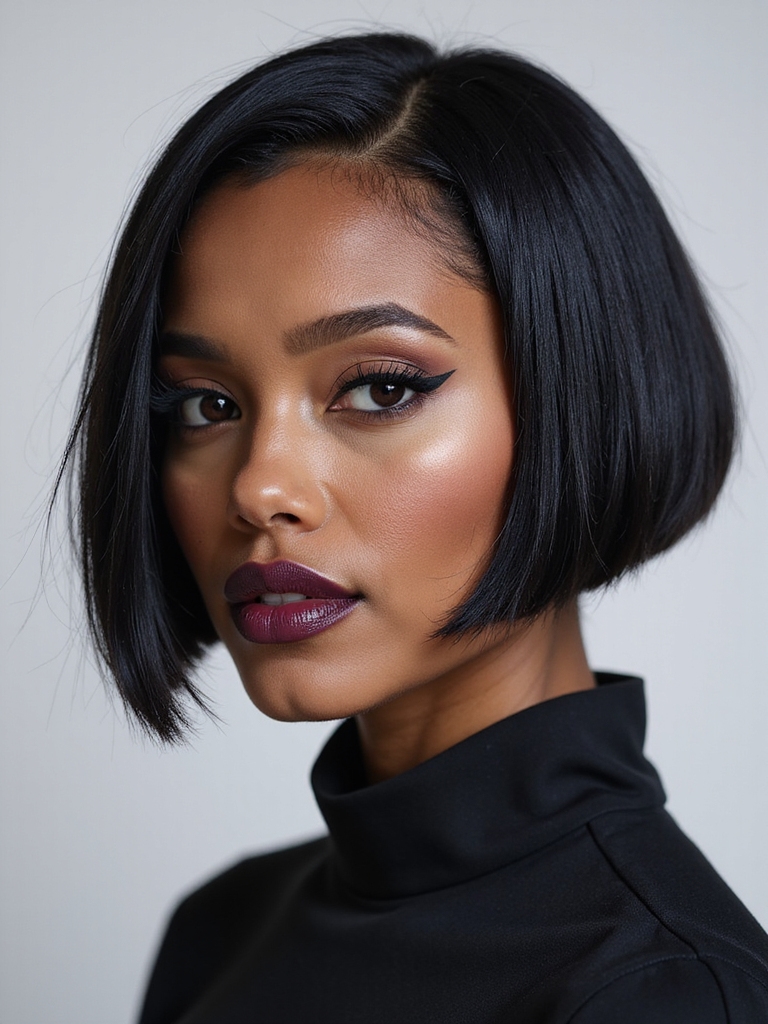
For something bolder, the asymmetrical knotless bob runs noticeably longer on one side. Because braids hold a line so cleanly, the difference looks sharp and deliberate, and a deep part on the long side exaggerates the slant. The angle does the talking. It is a fashion-forward shape that still carries all the comfort of the feed-in method underneath.
- Works best with at least a two-to-three inch length difference, or the angle gets lost.
- Pairs naturally with the deep side part from earlier.
- Plan the lengths with your braider ahead of time, while there is still room to adjust.
Shoulder-Grazing Length With Beads
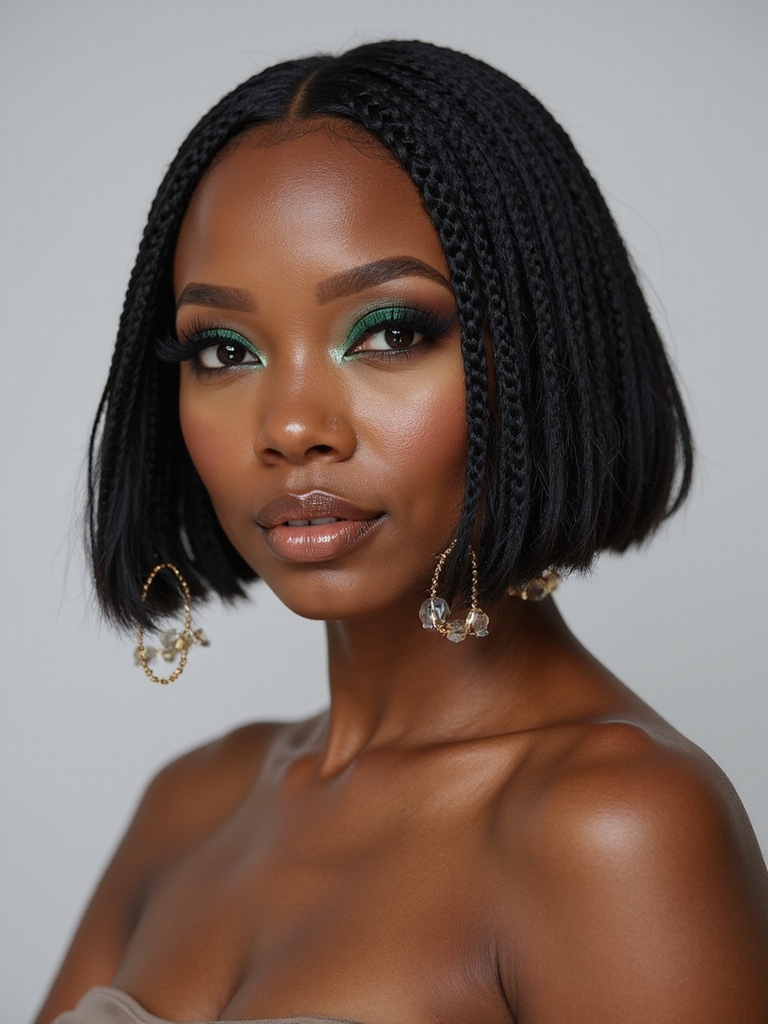
Letting the braids graze the shoulders gives them room to swing, and threading beads onto the ends adds color, weight, and a soft clack as you move. Beadwork draws on a long tradition of adornment in Black hairstyling, and on a knotless bob it turns a simple shape into something expressive and personal.
Adornment with a little extra weight
The slightly longer length shows the beaded ends off, and the small bit of weight actually helps the braids hang straight. You can go subtle with wooden beads or bright with metallic ones; the choice is yours.
Just be mindful of how much weight you add, especially near the hairline. Beads are sealed at the ends so they stay put, and at night the longer braids are tied up loosely so the beads do not press into your scalp.
Bead Placement Matters
Beads add real weight, and on fine edges that weight becomes extra pull. Keep beadwork toward the back and middle, not loaded onto the delicate braids around your hairline.
Micro-Braided for Fluid Texture
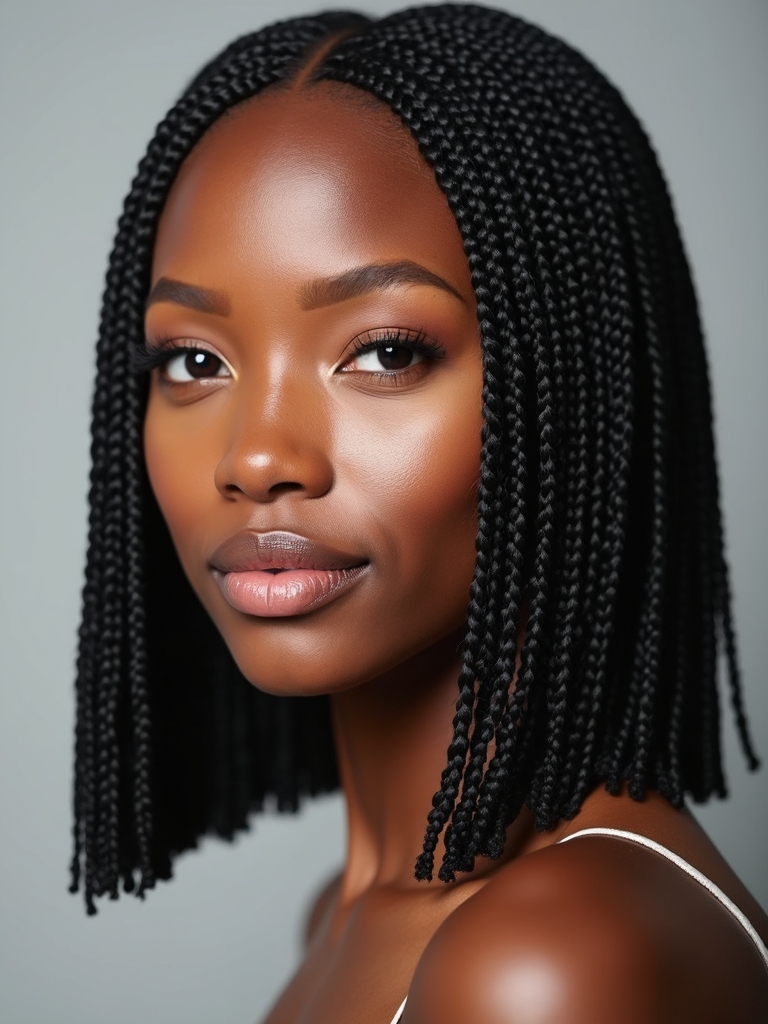
Micro braids take the knotless bob to its most refined: tiny braids that move almost like loose hair. The fineness lets them swing and fall with a softness bigger braids cannot match, and the knotless start keeps even this many small braids feeling light. They are slow, careful work.
I block out a full afternoon for these, because done right they can take six hours or more. If you love the fluid look but not the install time, a micro bob on your own hair is the fine-braid cousin. What you are paying for, step by step:
- Hours of sectioning, since micro braids mean many more parts than medium ones.
- A braider with the patience and skill to keep every braid even.
- Gentler handling for the life of the style, as fine braids fray faster.
Boho Curls Left on the Ends
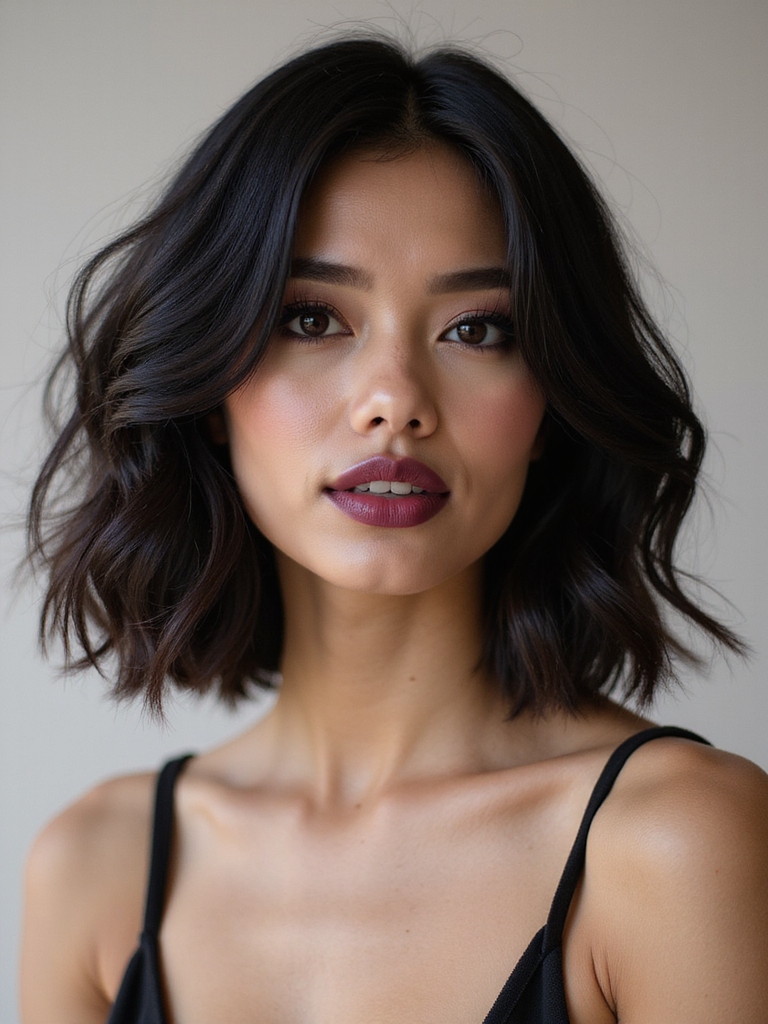
Boho curls keep the braids most of the way down, then leave curly extension hair loose at the very ends, so the bob finishes in a soft cloud of curls. It blends the tidiness of knotless braids with a romantic, undone softness. The look suits anyone who wants their protective style to feel a little less structured.
Your call entirely. You control how much curl to leave, from a light scatter to a full bohemian finish. For a fuller, curlier take on this exact idea, the boho knotless bob goes all in on the loose-curl ends.
- Use a curl refresher and a little water to revive the loose ends between washes.
- The more loose curl you leave, the more daily reshaping it asks for.
- Keep the braided section neat so the curls look deliberate.
Ombre and Balayage Without Dye
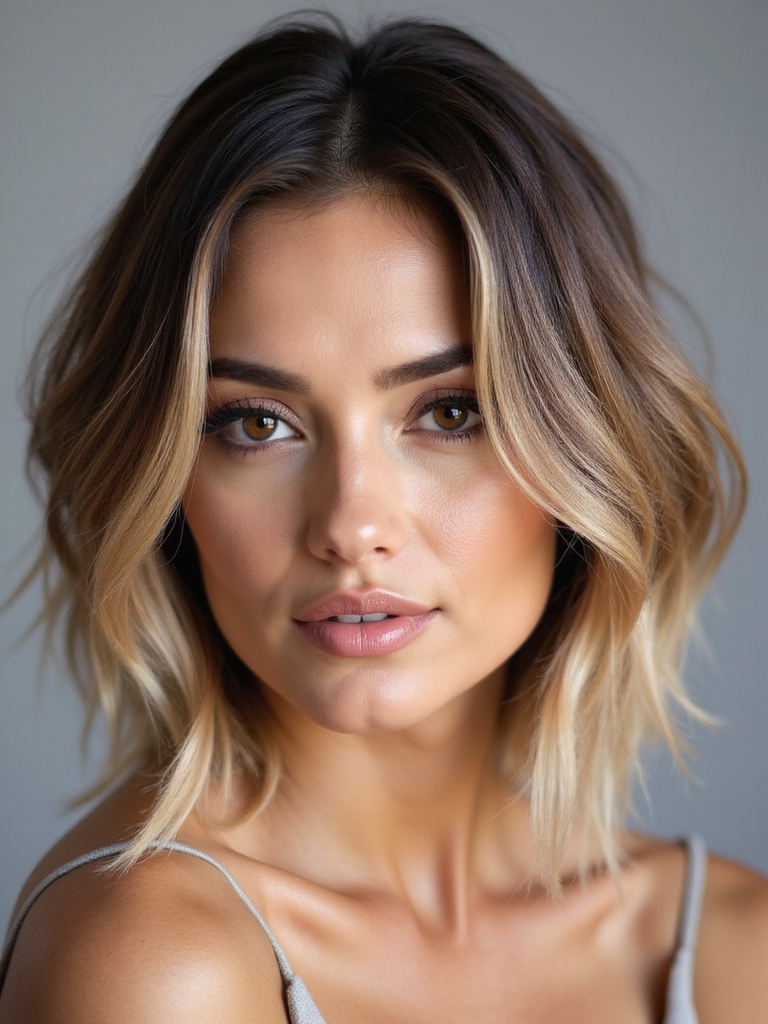
Because the color lives in the extension hair, a knotless bob lets you play with shade without touching your natural hair. Ombre fades from darker roots to lighter ends, while a balayage scatter threads lighter pieces throughout, and both pull the eye toward the swing of the bob.
The freedom is the real draw. You can try caramel one install and a soft honey the next, with no commitment and no dye on your own strands. Color looks especially rich across the dimensional surface of braids, and it needs no special upkeep beyond the usual gentle care.
Peekaboo Highlights and Accent Strands
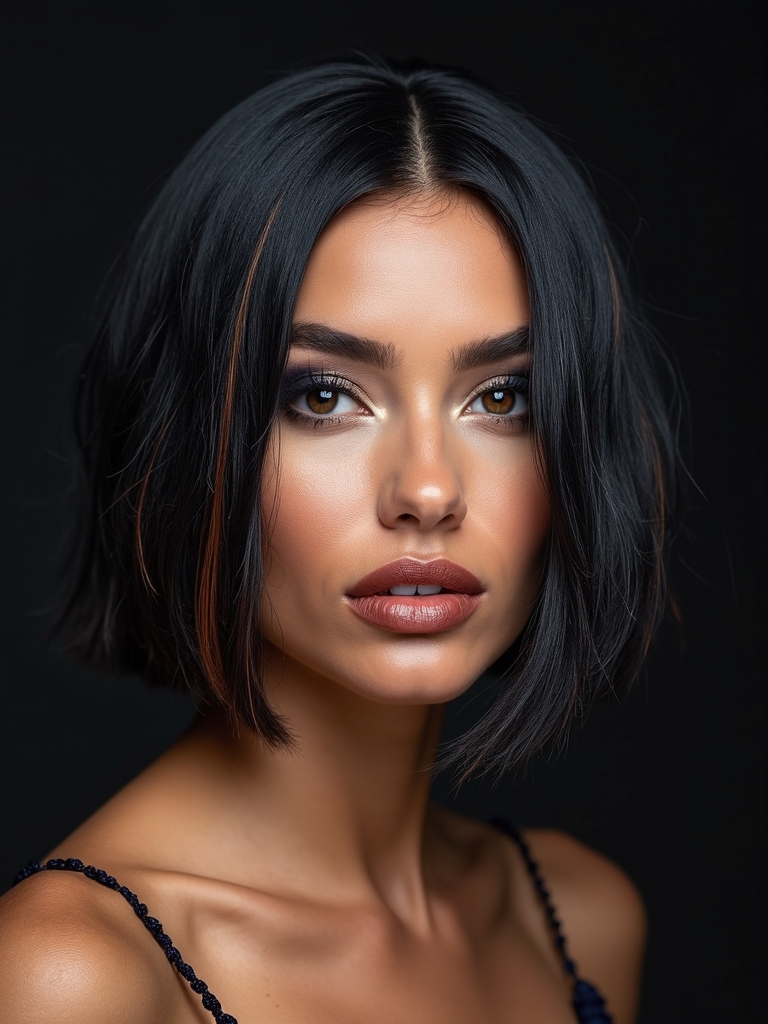
Peekaboo color hides a few bright or contrasting braids underneath the rest, so the color only flashes when the braids shift. It is the playful option for anyone who wants a pop of personality that stays subtle at a desk and shows up on a night out.
Accent strands can be any shade, from a natural caramel to a bold copper or even a soft pastel. Because the color sits in the extension hair, those strands need nothing more than the same light care as the rest of the bob.
- Tuck the brightest braids in the under-layer for the strongest peekaboo effect.
- A few accent strands near the part give a smaller, everyday hint of color.
- Blend two close shades for quiet dimension across the braids.
Keeping Tension Low at the Scalp
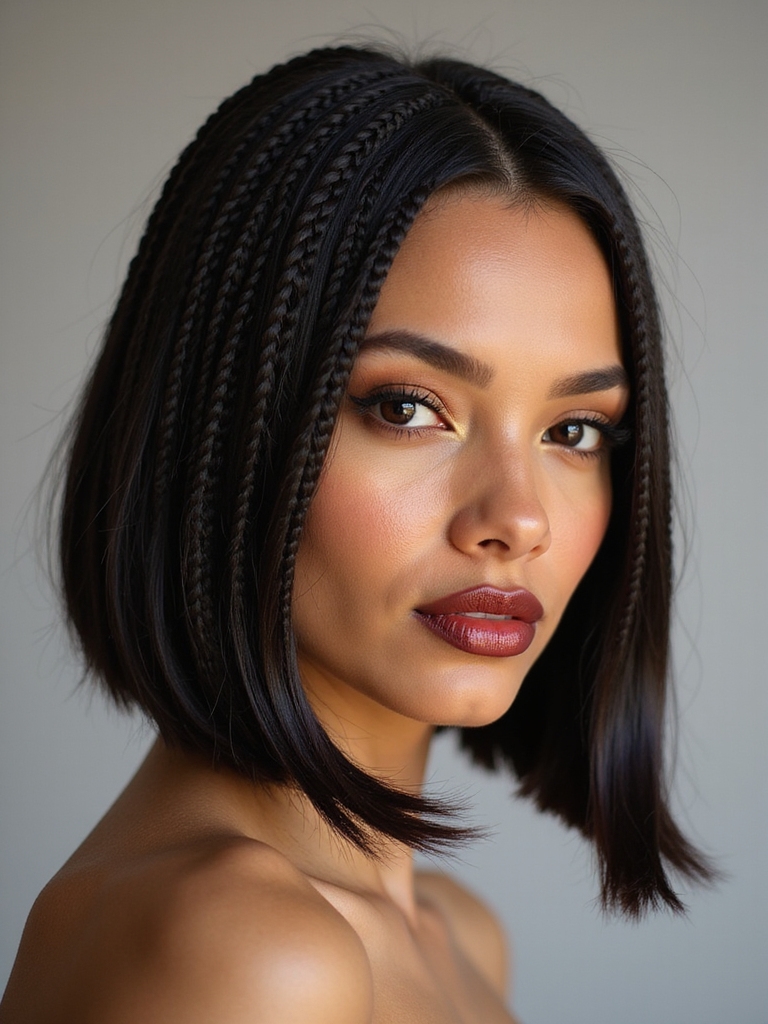
The whole point of a knotless bob is comfort, and keeping tension low is how you protect it. The feed-in start already pulls less than a knotted install, but the rest is on the install itself. What I tell every first-timer is simple: speak up the second a braid pulls, because tension is far easier to fix in the chair than after. Too-tight braids tug at your edges, and over weeks that steady pull is what thins them.
Low tension here is not a luxury; it is the safety rule. If your edges need a longer break, lower-pull options like cornrow styles or a loc bob give protection with less strain.
- Speak up during the install itself, while the tension is still easy to ease.
- A little soreness the first night is normal; sharp pain or tiny bumps are not.
- Take braids down by four to eight weeks so your edges get a real rest.
Nighttime Care and Frizz Control
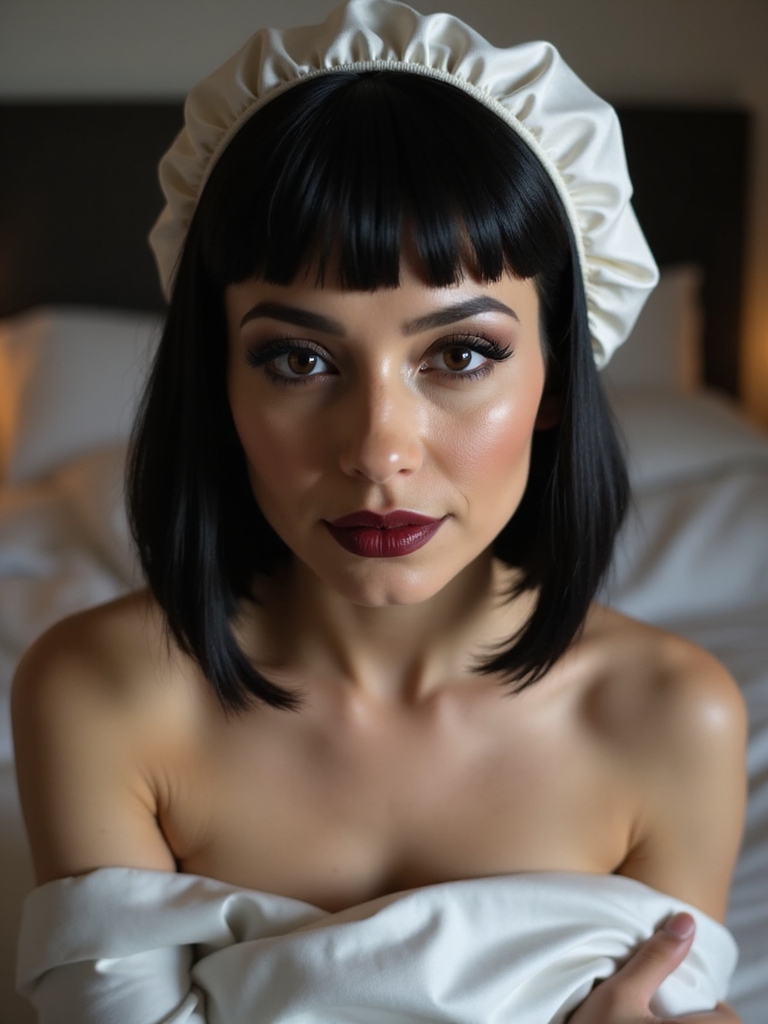
How you treat a knotless bob at night decides how long it stays neat. Friction from a cotton pillowcase is what roughs up the braids and lifts flyaways, so covering them is the single most effective habit you can build. Cover them nightly. A two-minute routine keeps a fresh install looking fresh for weeks.
- Wrap the braids in a satin or silk bonnet or scarf before bed, every night.
- Tie longer braids up loosely so they are not crushed against the pillow.
- Smooth flyaways with a light product instead of re-braiding, which stresses the roots.
Gentle Tools and Products Worth Keeping
This style asks for very little, and nothing heavy. Keep it simple. Because the look is really about low tension and healthy hair underneath, a few gentle, generic basics do the whole job. There is no need for a cabinet of products; any quality version of these works:
- A satin or silk bonnet for nighttime friction protection.
- A light scalp oil or moisturizer to keep the scalp comfortable between washes.
- A braid spray or refresher and a gentle cleanser to clean without stripping.
Who It Suits Best
A knotless bob suits almost anyone drawn to protective styling who wants a shorter, sharper shape than long braids. It is especially kind to anyone whose edges have struggled with knotted installs, since the feed-in start takes so much pull off the hairline. If your hair is fine or your edges are already delicate, lean toward medium braids over heavy ones and keep beadwork light.
It is less ideal if you want a true wash-and-go you never think about, since even the gentlest knotless braids still ask for nightly cover, a light refresh between washes, and an honest take-down by the eight-week mark. But if you want a protective style that looks finished and feels light, few shapes deliver both as well. Walk in with the length and braid size already decided, and put comfort at the top of the conversation.
A Shape That Lets Your Edges Breathe
The knotless bob earned its spot by fixing the old trade-off between a style you love and a scalp you can live with. The feed-in method keeps your edges comfortable while the bob shape stays crisp and modern, and because every bit of color, every bead, and every loose curl lives in the extension hair, you get endless room to make the style yours without ever committing your own strands.
Save this list and come back to it when you are booking. Decide on length, braid size, and finish first, then walk in ready to talk comfort with your braider. The next install you book can protect your hair and still turn heads.
Hand-Picked for You