By the third week of September, the same request starts showing up in the chair for fall blonde hair color: something warmer, please, because the icy platinum that looked perfect against a summer tan reads cold and flat once the leaves turn.
Sixteen warm, autumn-leaning shades follow, from honey and caramel to chestnut and rustic peach, each with a distinct reason it works, not just a repeated note about skin tone.
Sixteen Shades at a Glance
| Shade | Best Starting Point | Upkeep Level |
|---|---|---|
| Honey blonde | Light-to-medium natural brown | Low |
| Caramel | Brunette easing into blonde | Low-medium |
| Vanilla blonde | Existing blonde wanting warmth | Higher |
| Maple syrup | Almost any starting shade | Lowest |
| Warm ash | Cool-toned skin specifically | Medium |
Honey Blonde, the Easy Entry Point

Honey blonde is the easiest entry point into fall color, a golden, amber-leaning blonde with the glow of actual honey. Rich enough for autumn, it still comes across as unmistakably blonde instead of tipping into brown.
Why This Is the Gateway Shade
You’ll notice it works best starting from light-to-medium natural brown, since the lift needed is modest and the color settles evenly instead of fighting a stubborn base.
Because honey sits on the warm side, it grows out gently with no harsh line at the root, which keeps it one of the lower-stress shades to maintain through a busy season.
Golden Caramel for Built-In Depth

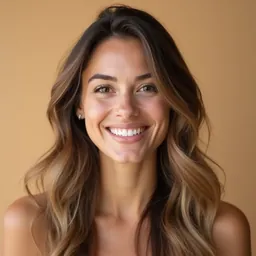
Caramel sits a touch deeper than honey, a golden-brown blonde with real richness woven through it. Painted as a balayage, it looks especially luxe against darker hair underneath.
Brown and hazel eyes pick up the most from this shade specifically, since the warm gold running through the color pulls the same gold forward in the iris.
The depth also means regrowth barely shows, which makes caramel one of the easier shades for anyone starting from brunette and easing into blonde a little at a time.
Buttery Blonde, Painted On as Balayage

Buttery blonde is soft and creamy, painted on as a balayage for a lit-from-within glow that looks expensive without ever looking loud.
- Fits someone after a lower level of upkeep, since the root-shadowed placement grows out on its own timeline.
- Sits full and dimensional on fine hair, where a flatter blonde can look thin.
- Expect the appointment itself to run longer than a single-process color, since hand-painting takes real time.
Sandy Blonde for Everyday Versatility

Sandy blonde is the understated, neutral-warm shade that looks natural instead of freshly colored, closer to wet beach sand than anything gold or bright.
You’ll notice it’s the shade most first-timers land on, since a full set of highlights takes only a couple of hours and the result still looks like hair, not a dramatic change.
It suits anyone who wants the lowest-drama version of blonde, one that grows out without an obvious line and works on fine or medium hair about equally well.
A couple of terms worth knowing before booking any of these:
📖Balayage
Hand-painted color placed for a soft, root-shadowed grow-out rather than solid foil sections.
📖Toner
A quick, gentle service that shifts existing color warmer or cooler without lifting the hair further.
Soft Cinnamon Blonde With a Spiced Edge

Cinnamon blonde leans into spice, a reddish-gold that captures the season in a single tone, somewhere between blonde and strawberry.
- Green and amber eyes pick up the most warmth against this particular shade.
- Red and copper tones fade faster than any other family here, so a color-safe shampoo actually matters.
- This one asks for a gloss roughly six times a year if you go this route; skip it too long and the red-gold fades to a duller blonde.
Warm Vanilla for Staying Bright Into Fall

Vanilla blonde is the lightest shade on this list, but it stays warm where a summer platinum would go cold. Creamy and soft-gold, it has none of the icy edge that feels out of place once autumn light shifts.
Expect more upkeep here than most of the deeper shades, since staying this light requires ongoing lift and a toner refresh (plan on $35 to $55 a visit) to hold the tone.
- Best on fair, warm-to-neutral skin; very cool complexions can look washed out.
- Use purple shampoo sparingly to control brass without tipping ashy.
- Pick this one if staying visibly bright through fall matters more to you than dialing the whole look down.
🅰️Vanilla Blonde (Stay Bright)
Highest upkeep, brightest result. Best for someone unwilling to dial the light down for the season.
🅱️Honey or Caramel (Warm Down)
Lower upkeep, deeper result. Best for someone ready to trade brightness for warmth.
Champagne Blonde, Quietly Luxe

Champagne blonde balances gold and beige into something quietly elegant, bright without ever tipping brassy.
Held up against most skin, it lands like a tone-on-tone finish more than an obvious color change, the quiet-polish look most clients actually walk in asking for.
A gloss refresh on a regular schedule keeps it from drifting yellow, which is the one real maintenance note worth knowing before booking.
Peanut Butter Blonde for Brunettes Easing In

Peanut butter blonde blends warm blonde with soft brown for a creamy, dimensional finish, the kind of color that looks rich and never lands like an obvious dye job.
- Especially popular with brunettes who want dimension without committing to full blonde.
- The brown base keeps regrowth soft, so upkeep stays low even at longer stretches between visits.
- The appeal here is warmth without the maintenance a lighter blonde would demand.
“Clients who hesitate the most before this shade usually ask the same thing: will it still look like me? It almost always does, since the brown base does most of the work and the blonde just lifts it.”
Maple Syrup Blonde, Deep and Set-and-Forget

Maple syrup blonde is a deep, amber-brown blonde with a glossy richness, sitting almost at light brown and asking less upkeep than anything lighter on this list.
- Roots are nearly invisible as they grow, since the depth barely contrasts with natural regrowth.
- Works from almost any starting shade, unlike lighter options that need a specific base to look right.
- The closest thing to a set-and-forget fall blonde on this entire list.
Warm Ash Blonde for Cool-Toned Skin

Warm ash blonde takes a cool, smoky base and softens it with warm undertones, giving you the modern coolness of ash without the gray, washed-out edge pure ash can carry.
The Fall Blonde Built for Cool Skin
This is the one shade here built specifically for cool-toned skin that can’t wear gold well; starting hair color or eye shade matter less for this pick.
Ash tones pull cool fast, so this one leans on a careful toner balance and a purple shampoo used sparingly to hold the warmth without losing the ash entirely.
Autumn Wheat, the Cautious Middle Ground

Wheat blonde is the soft, golden-beige color of a late-autumn field, sitting between sandy and honey as an easy middle ground.
Hazel and light brown eyes tend to pick up the most from this particular shade, since the beige-gold balance doesn’t compete with either warm or cool undertones in the iris.
It’s a reasonable first step for anyone unsure how warm to go, subtle enough that a change of mind doesn’t mean an obvious redo.
Amber Light Blonde for Maximum Glow

Amber blonde glows with a warm, golden-orange light, brighter and warmer than caramel, the kind of shade that turns heads specifically in autumn light.
- This one plays as a full-on statement piece.
- Warm-orange tones fade fastest here, so plan on a gloss more often than with a deeper shade.
- Pairs especially well with hazel or brown eyes, less so with cooler eye colors.
Harvest Gold, Blonde Turned All the Way Up

Harvest gold is pure, unapologetic gold, the brightest warm blonde here, built purely to maximize shine.
- Regular toning is non-negotiable here; skip it and the gold turns muddy fast.
- Suits warm and tan skin tones best, amplifying the glow without ever tipping harsh.
- This is the shade for someone ready to commit to the upkeep a bold color demands.
Before You Commit to Gold
This is the highest-maintenance shade on the list. If frequent toning appointments aren’t realistic for your schedule, a deeper option like caramel or maple syrup delivers warmth with a fraction of the upkeep.
Creamy Hazelnut for Fine Hair

Hazelnut blonde blends warm brown and soft blonde into a creamy, nutty color, similar in spirit to peanut butter blonde but a touch cooler and more restrained.
It’s a strong option specifically for fine hair, since the dimension between the brown and blonde pieces reads as texture the hair doesn’t naturally have.
Like other deeper blondes here, it asks little upkeep: soft regrowth and infrequent gloss visits deliver richness without a demanding routine.
Chestnut Blonde for a Lift Without Going Full Blonde

Chestnut blonde fuses warm brown with blonde highlights for a deep, glossy, autumnal blend, built for a brunette who wants a lift without ever going fully blonde.
- Suits warm, olive, and deeper skin tones especially well.
- The brown base means minimal lift, which keeps the process gentler than most lighter shades here.
- It brings blonde warmth into dark hair while keeping the depth that made you a brunette in the first place, with little of the commitment a full lightening service asks for.
Rustic Peach for Something Different

Rustic peach blends warm blonde with a whisper of rose-gold, a gentler, more romantic take on the pastel-warm trend that keeps resurfacing every few years.
It needs pre-lightened hair to show properly, so it works best as a next step for someone already blonde, not a first color change. The peach tone also fades faster than any other shade here, making this a refresh-often choice.
Who It Suits Best
The pattern across all sixteen comes down to two things more than skin tone alone: your starting hair color and how much upkeep you’re actually willing to give it. Brunettes get the richest, lowest-upkeep results from caramel, chestnut, and hazelnut, since they need the least lift.
Existing blondes have more room to play, including with lighter options like vanilla or amber that would take longer to reach from a dark base. For more shades in this direction, see fall and winter hair color ideas.
Whatever you choose, plan on a toner or gloss refresh roughly every two months to keep the warmth from fading, and take two or three options that fit your starting point to a colorist for an honest read on what your hair can realistically do.
Fall Blonde Questions Worth Asking
?What’s the most low-maintenance fall blonde on this list?
Maple syrup, chestnut, and peanut butter blonde all keep a brown base that needs little lift, so regrowth stays soft and gloss visits stay infrequent. Any of them painted as a balayage stretches the time between appointments even further.
?Can I go from a cool summer blonde straight to a warm fall shade in one visit?
Often, yes, if a toner alone can shift the tone. Going from a truly icy platinum to something like caramel or chestnut, though, usually needs a separate glaze or gloss appointment, typically another $40 to $60, rather than a single-visit fix.
?Which shade works if I have naturally dark hair and don’t want a dramatic change?
Caramel, chestnut, or hazelnut blonde, all painted as a balayage instead of a full foil. Each keeps enough of your natural depth that the color reads as an enhancement, not a total transformation.
?How do I know if a shade will actually suit me before booking?
Look at your current hair in natural daylight, not indoor lighting, and compare it honestly to reference photos taken in the same light. A colorist can also test a small strand before committing to a full head of color.
Let Your Blonde Catch the Season
Whichever shade pulls you in, the underlying move is the same: trade some of the coolness for warmth and let the color catch autumn light instead of fighting it. There’s a version here for nearly any starting point and any appetite for upkeep.
Start by narrowing it to two or three shades that match your current color and your patience for salon visits, then bring those specific options to a colorist rather than a single photo. An honest conversation about your starting point gets you closer to the result you actually want.
Worth a Look