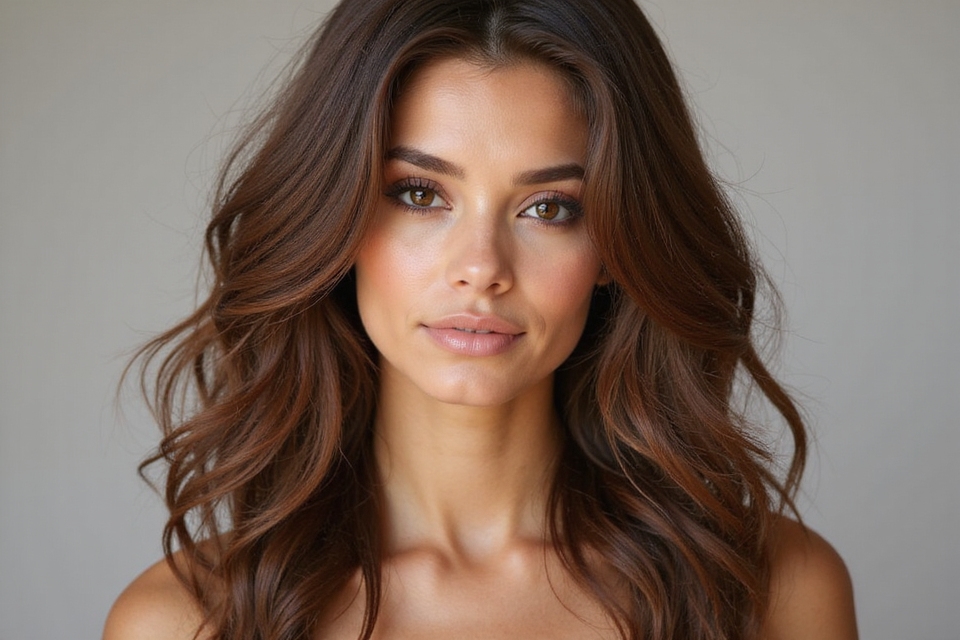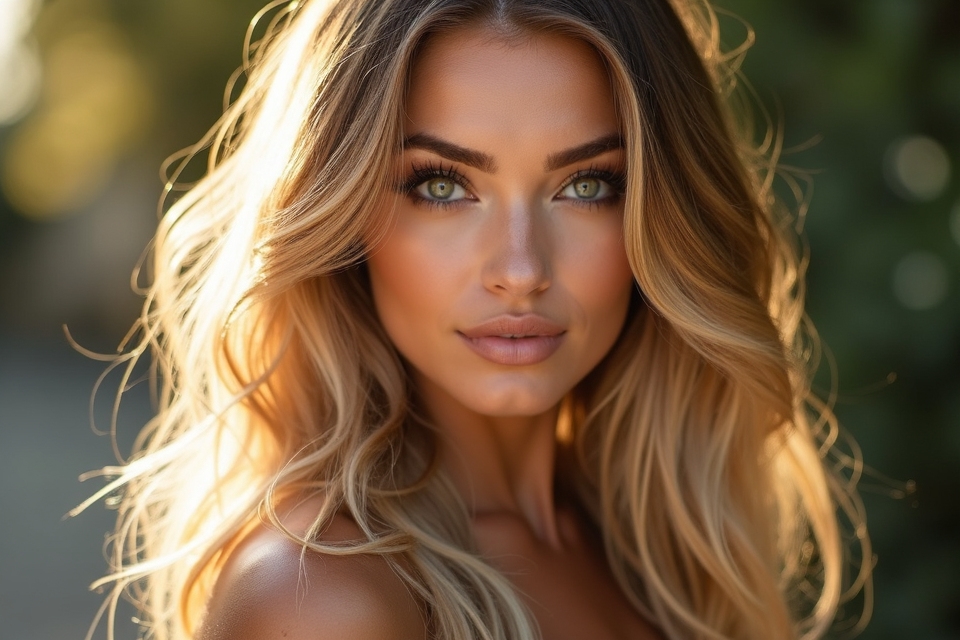
Why does bright blonde sometimes look flat? Because all-over lightness has nowhere to throw a shadow. Lowlights are the fix, weaving deeper, warmer pieces back through blonde to add dimension and make it look rich and natural again.
Below is a complete guide to blonde hair with lowlights, from choosing your tone and technique to maintenance, gray camouflage, and the balance that keeps blonde looking dimensional instead of dark.
The Quick Read
- Lowlights add deeper, warmer pieces to blonde for depth, not brightness.
- They fix flat, washed-out blonde and make it look richer and more natural.
- Warm blonde suits honey and caramel lowlights; cool blonde suits beige and mushroom.
- They soften regrowth, camouflage grays, and stretch the time between salon visits.
- Kept only a few shades deeper, they add dimension without overwhelming the brightness.
Understanding Lowlights and Their Benefits

Lowlights are the opposite of highlights: deeper, warmer pieces woven through blonde where highlights would add light. On blonde, they add the depth that flat, all-over lightness often lacks.
Their biggest benefit is dimension. Blonde can read one-note and washed-out without darker pieces for the eye to catch, and lowlights restore that richness and make blonde look natural again.
Where highlights brighten, lowlights deepen, which is exactly what over-lightened blonde needs to look full again. Our blonde hair care guide covers the base.
Choosing the Right Lowlights for Your Blonde Shade

Lowlights for blonde should sit a few shades deeper than your base and match its temperature, staying within a few levels of it.
Why temperature matters as much as depth
Warm blonde takes honey and caramel; cool blonde suits soft beige and mushroom. The gap is meant to be subtle, so the pieces settle in as natural depth instead of a visible stripe.
Match the temperature and you keep the blend; clash it, and warm lowlights on cool blonde can look muddy. When in doubt, a colorist matches the tone to your exact base.
Start from what your blonde is missing:
🎯It looks flat and one-note
A scattering of soft lowlights to give the eye depth to catch
🎯Grays are coming through
Lowlights woven to blend the regrowth as it grows in
🎯It washes me out
A warmer lowlight a level or two deep to put life back against your skin
Top Lowlights Techniques for Blondes

A colorist can place lowlights a few ways, and the method decides how defined or blended the depth looks. Many weave a couple of techniques together for the most natural result. The placement is half the look.
- Foiled lowlights for precise, defined deeper pieces
- Hand-painted lowlights for soft, blended depth
- A deeper all-over gloss for the gentlest, placement-free dimension
Balayage or Foil Lowlights

Both add depth, in different ways. Foil lowlights give defined, precise deeper pieces, while balayage paints them softly for a more blended, grown-in result.
Balayage is the lower-maintenance, more natural choice; foils suit anyone wanting more obvious dimension. See our brown hair balayage guide for the painted approach.
| Aspect | Foil lowlights | Balayage lowlights |
|---|---|---|
| Finish | Defined, precise pieces | Soft, blended, grown-in |
| Upkeep | Shows regrowth sooner | Stretches between visits |
| Best for | Obvious dimension | Natural, low-maintenance depth |
How Lowlights Enhance Different Blonde Tones
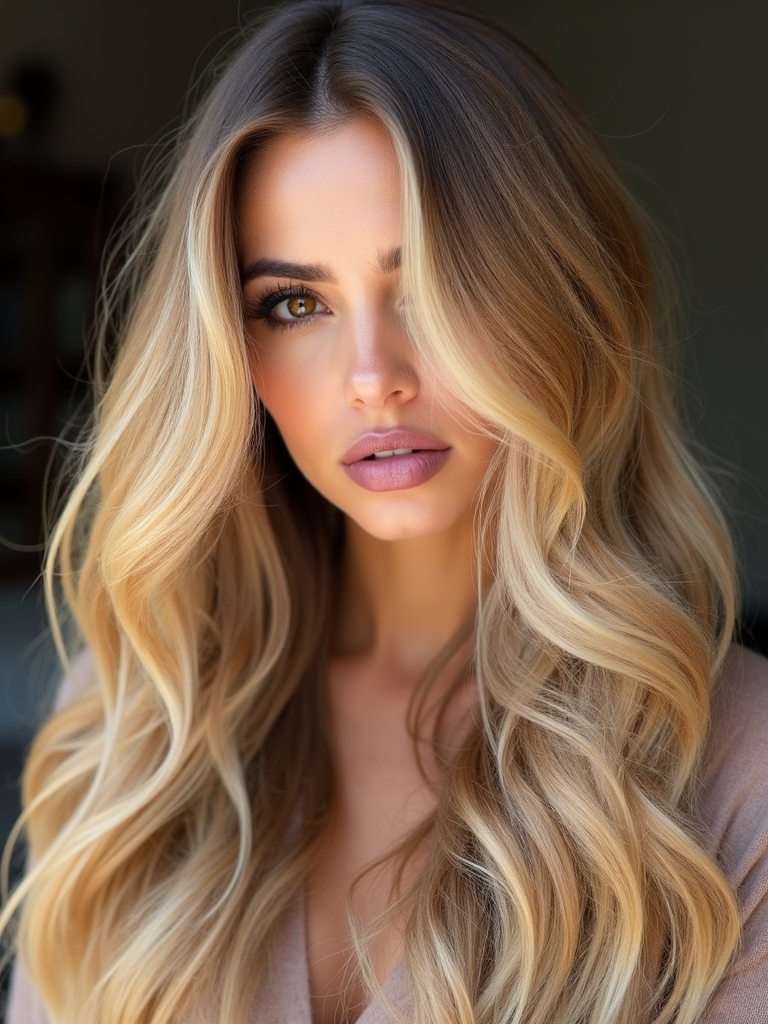
Lowlights flatter every blonde, from icy platinum to warm honey, by adding the depth that makes each read richer. On cool blonde, soft beige keeps it modern; warm blonde glows with honey depth.
Why darker pieces make blonde look brighter
Counterintuitively, the deeper pieces also make the blonde itself look brighter, because the dark gives the lightness something to shine against. Dimensional blonde comes across more luminous than a single flat shade ever could.
When a blonde tells me their color looks flat, lowlights are almost always the answer. A few deeper pieces give the whole head depth without dimming the brightness.
Lowlights for Natural and Dyed Blondes

Both natural and dyed blondes benefit from lowlights, though for slightly different reasons. Natural blondes use them to add depth and definition; dyed blondes use them to break up flat, all-over color, especially when heavy lightening has stripped the dimension away.
- Natural blonde: add definition and shape to soft, fine color
- Dyed blonde: break up the flatness that all-over lift leaves behind
- Either way, the deeper pieces restore the look of real, varied hair
🅰️Subtle depth
A few hand-painted pieces a level or two deeper. Reads as natural variation, with almost no upkeep.
🅱️Noticeable dimension
More foiled pieces, a touch deeper again. Bolder contrast, and a few more salon visits to keep it crisp.
Maintaining Blonde Hair With Lowlights

Blonde with lowlights is lower-maintenance than all-over blonde, since the deeper pieces soften both the regrowth and the contrast. Clients ask me if lowlights mean more salon time, and the answer is the opposite. A lowlight service takes about two hours and runs $80 to $150, cheaper than a full highlight, and a refresh gloss every eight to twelve weeks keeps the depth fresh for $30 to $50.
- Wash cool with a color-safe shampoo to hold both tones
- Less obvious root growth stretches the time between salon visits
- The color lasts three to four months, refreshed with a gloss instead of a full service
Seasonal Lowlights Adjustments for Blondes

Lowlights are a popular way to take blonde into fall and winter, adding warm, deeper tones for a richer, cozier look. In summer, lighter highlights brighten the same base back up.
- Fall and winter: add warm honey or caramel depth
- Summer: lighten back up with brighter highlights
- A gloss adjusts the depth seasonally without a full service
The quickest way to make bottle-blonde look expensive is not more highlights. It is a few well-placed lowlights.
DIY Lowlights Tips and Precautions

Clients ask me whether they can do lowlights at home, and for subtle ones the answer is often yes. Lowlights are more forgiving than highlights, since they deposit color instead of lifting it. Still, a few precautions keep a DIY job from going muddy.
Keep the gap between your base and the new tone small, apply to clean sections, and start subtle, since you can always add more. For placed, dimensional lowlights, a colorist gives a far more even result.
The Role of Face Shape and Skin Tone in Lowlight Selection

Placement and tone can flatter both your face and your skin. Lowlights placed around the face frame and define it, drawing the eye where you want it.
The tone, meanwhile, should match your undertone: warm for warm skin, cool for cool. Get both the placement and the tone right and the whole effect lands as flattering and lit-from-within.
Blonde Lowlight Looks to Save
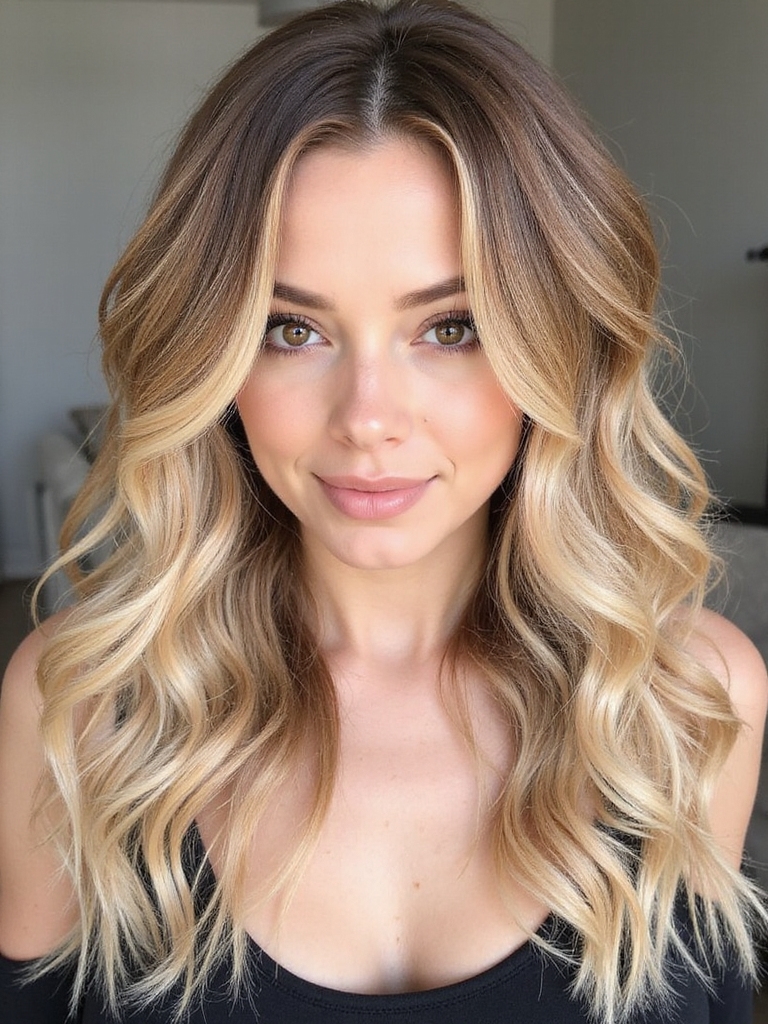
The fastest way to land the lowlights you want is to gather reference photos, from subtle beige depth to richer honey dimension. They help you and your colorist agree on the tone and amount of depth before any color goes on.
- Save looks that show how much depth you actually want
- Note whether each reads warm or cool
- Bring them in to match tone and placement. See caramel highlights
Common Mistakes to Avoid With Lowlights
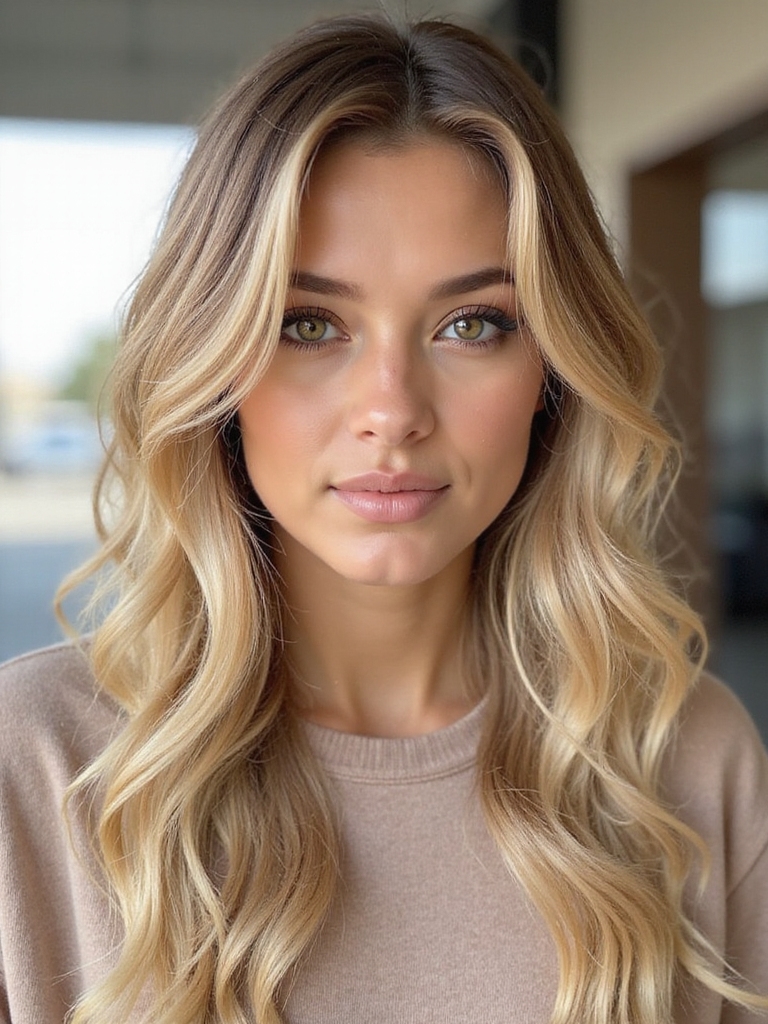
Two mistakes account for most disappointing lowlights on blonde. The first is going too dark, which overwhelms the brightness instead of deepening it.
The second is using too many, which muddies the lightness into a dull, flat brown. Keep them to a scattering only a touch deeper than the base, and they add rich, balanced dimension.
- A subtle gap from your base works; several levels darker doesn’t
- Use a scattering of pieces, not a full head
- Match the temperature so they blend, not clash
Lowlights to Camouflage Grays in Blonde Hair
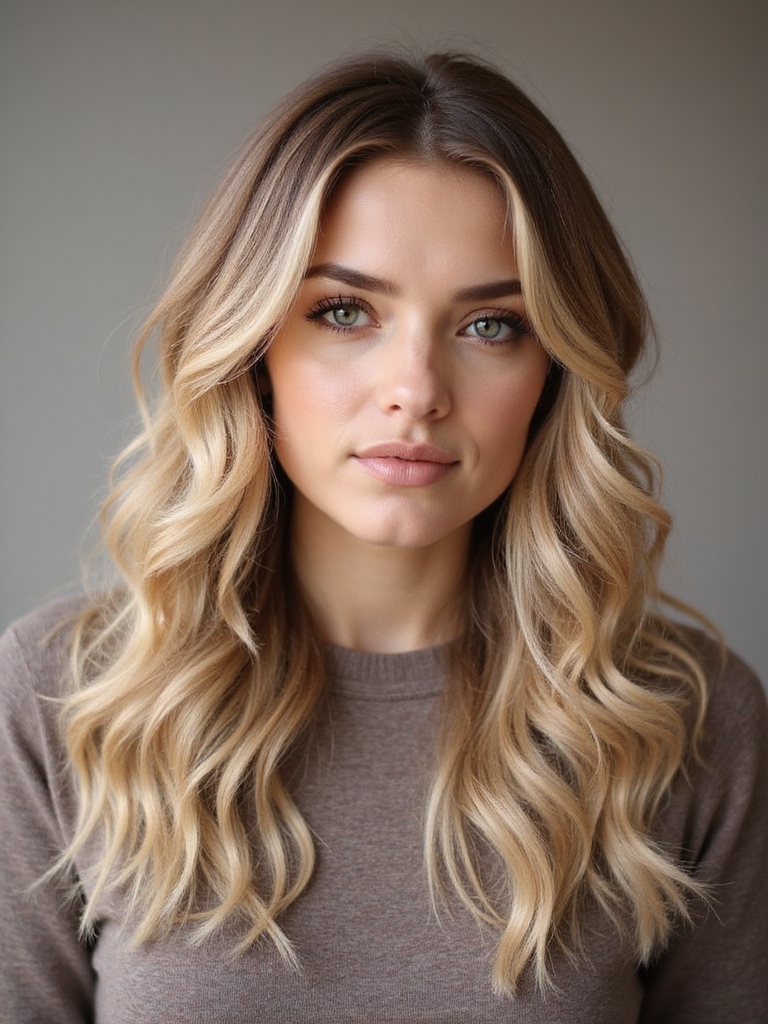
Lowlights are a clever way to blend grays into blonde. The deeper woven pieces break up and disguise both the regrowth and the gray strands coming through.
Why dimension hides grays
The dimension hides what an all-over blonde would expose. A solid block of color makes every gray obvious, while a mix of tones quietly swallows them.
It is an easy way to keep blonde looking fresh as grays come in, and the one I suggest most to clients easing into that stage. Behind the chair, I find gray-blending lowlights the gentlest path into silver, since they let the grays grow in without a stark line at the root.
Best Products for Blonde Hair With Lowlights
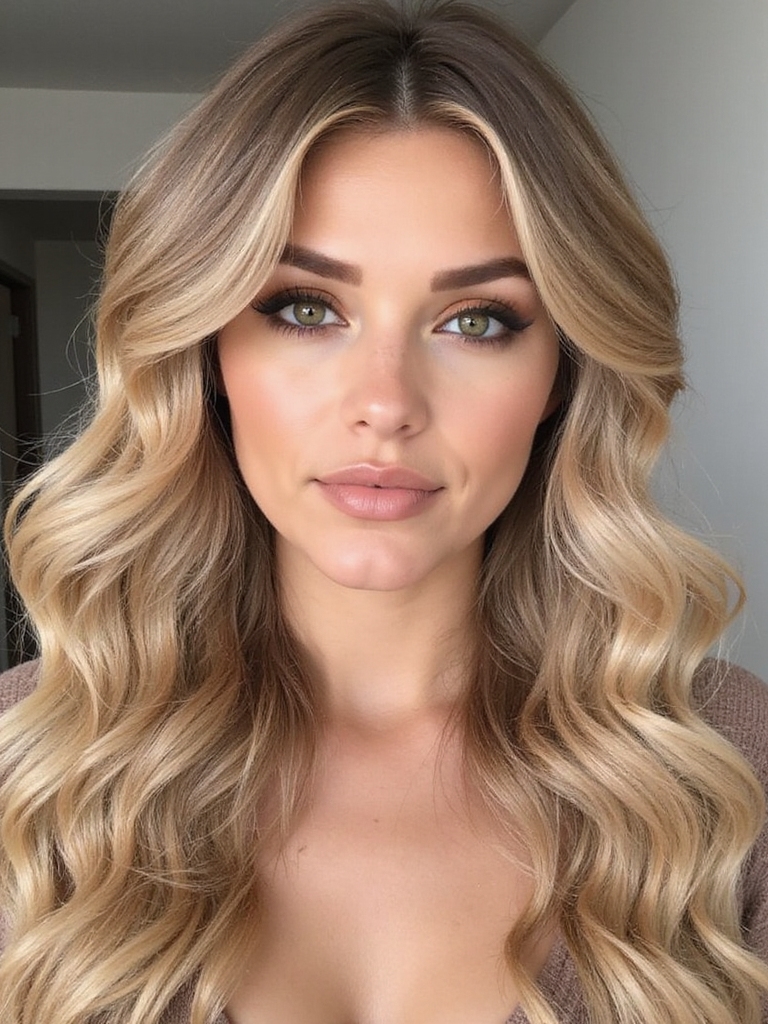
A short, well-chosen lineup keeps dimensional blonde looking its best, and it covers three jobs: protect, tone, and moisturize.
The three products that matter
A color-safe, sulfate-free shampoo protects both tones; a purple shampoo used now and then keeps the cool blonde from yellowing; and a weekly mask keeps the lightened pieces soft.
You do not need much. Three products do most of the work of keeping the dimension fresh between visits.
How Lowlights Can Transform Your Personal Style

Adding lowlights can shift blonde from bright and one-note to rich, dimensional, and grown-up. It often feels like a real style upgrade even though the cut and the overall shade stay the same.
The dimension comes across expensive and intentional, which is why so many people add lowlights when they want their blonde to feel more polished and less bottle-bright.
It is the simplest way to make blonde look more sophisticated, since the cut and the shade stay the same and only the depth changes. See more in our dark hair color ideas.
Pros and Cons of Lowlights for Blonde Hair

Lowlights have clear advantages for blonde: the depth and dimension they add, the softer regrowth, and the lower maintenance. The one thing to weigh is balance, since too many or too dark can overwhelm the brightness.
- Pro: rich dimension, softer regrowth, and lower upkeep
- Pro: camouflages grays and revives flat, washed-out blonde
- Con to manage: too many or too dark dulls the brightness, so keep them subtle. For warm depth, see blonde bob
Styling Tips
Lowlights show their dimension best with a little movement, so styling matters as much as placement. Soft waves bend the light through the deeper and lighter pieces, which is what makes the depth read; sleek, flat styles flatten the effect.
A light texturizing spray adds the bend that catches the contrast, while pin-straight, glassy hair shows it least. Finish with a glossing serum to keep the contrast luminous, and a round-brush blow-dry or a loose wave shows the lowlights off best. The healthier and shinier the hair, the more expensive the dimension looks.
Blonde Lowlights, Answered
?What is the difference between lowlights and just dyeing blonde darker?
Lowlights leave most of your blonde bright and only deepen scattered pieces, so you keep the lightness and gain dimension. A darker all-over color loses the blonde entirely. That selectivity is the whole point.
?What lowlight color suits blonde hair?
One that matches your base’s temperature: honey or caramel on warm blonde, beige or mushroom on cool. When in doubt, go a half-shade cooler than you think, since a warm lowlight is easier to add later than to lift back out.
?Do lowlights damage blonde hair?
Far less than highlights, since they deposit color rather than lifting it. They are one of the gentlest ways to refresh already-lightened hair, which is part of their appeal.
?Will lowlights make my blonde look dull or muddy?
Only if they go too dark or too many. Kept to a scattering a level or two deeper, they add richness while the blonde stays bright. Muddy comes from overdoing it, not from lowlights themselves.
Give Your Blonde Some Depth
Lowlights are the quiet way to make blonde look rich and natural, adding the depth that flat, all-over lightness lacks and even making the blonde look brighter by contrast. Best of all, they soften the regrowth and lower the upkeep.
Choose a tone close to your base but noticeably deeper, keep the amount balanced, and match the warmth to your skin. Save the dimensional blonde looks that caught your eye, bring them to your colorist, and give your blonde the depth that makes it look worth every penny.
Don’t Miss These