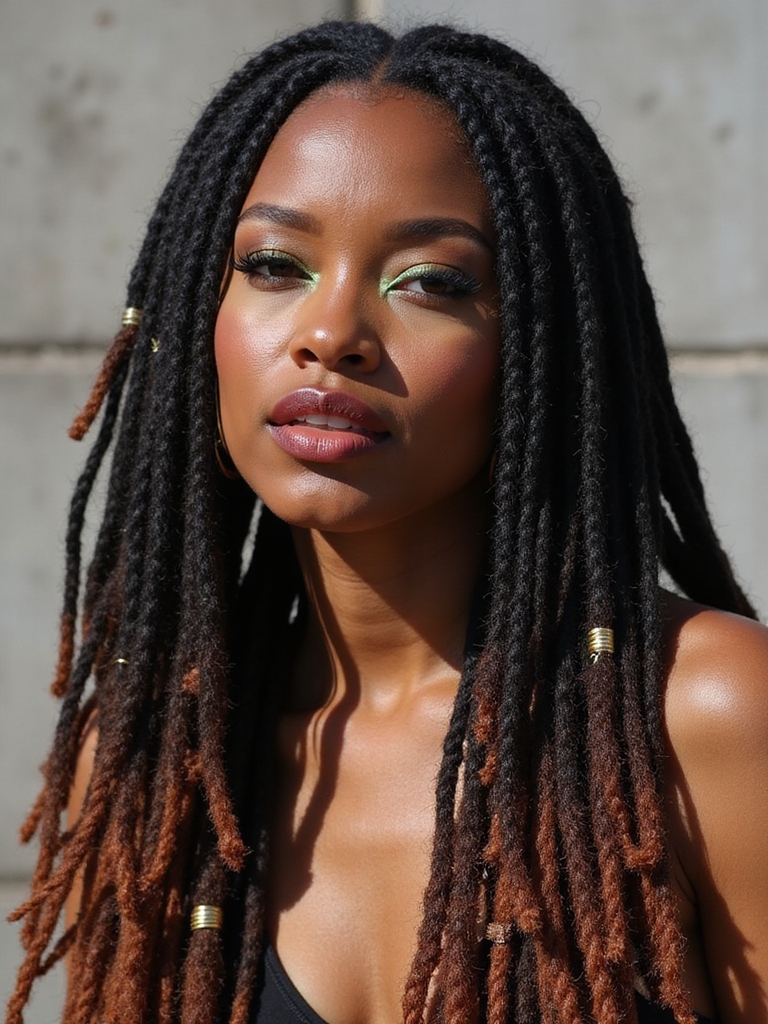
Twist hairstyles get sold as low-maintenance, and mostly they are, but the honest version includes what usually gets left out of the caption: the prep that actually protects hair, the tension that actually damages it, and the difference between a twist that lasts and one that frizzes out by midweek.
This covers the full range, from a two-strand twist most people can do at home to Senegalese twists and faux locs that need a stylist and a few hours, along with the details that decide whether a set protects hair or quietly wears it down.
Twist Hairstyles, Straight Answers
Are twist hairstyles actually protective? Yes, when installed and worn correctly. Tucking the ends away and cutting down on daily manipulation is what lets hair hold length and moisture between washes.
How long does a set take, and what does it cost? A home two-strand twist is an hour or two and costs whatever’s already in the bathroom cabinet. A salon-installed Senegalese or faux-loc set runs several hours and lands past the $150 mark, depending on length and density.
What’s the one rule that actually matters? Tension. A twist should feel secure, never tight enough to tug at the hairline, since that pulling is what damages edges over time, not the style itself.
What Makes Twists Work

Twists do two jobs at once. They tuck fragile ends away from daily friction, and they seal moisture in so hair stays soft between washes. That combination is what earns them protective-style status, and it’s why so many naturals keep coming back to them.
- Cuts down on the daily manipulation that causes breakage
- Stretches a wash-day routine out to a week or more
- Doubles as a finished look and the setup for a later twist-out

The Products a Twist Set Actually Needs

Twists live or die on moisture, since coily and kinky hair runs dry on its own, and twisting it dry is a fast route to frizz and breakage. Most stylists point to layering hydration first as the fix, aiming for definition and a healthy sheen without the greasy weigh-down.
Fewer products are needed than the aisle suggests. A moisturizing leave-in as the base layer, a twisting cream or butter for hold, and a light oil to seal are usually enough, along with a satin scarf or bonnet at night.
- Leave-in conditioner: the hydration layer everything else builds on
- Twisting cream or butter: adds definition and hold without stiffness
- Light oil to seal, plus satin for overnight protection
Prepping Hair Before You Twist

How good a twist set looks is mostly decided before the first twist goes in. Frizzing early or looking uneven almost always traces back to skipped prep, which is why stylists treat this step as non-negotiable.
- Start on freshly washed, deep-conditioned hair for the cleanest base
- Detangle on damp, conditioned hair with a wide-tooth comb or fingers
- Work section by section, keeping each one moisturized before it’s twisted
The Two-Strand Twist

The two-strand twist is the foundation everyone starts with, and the one most people can do at home. Split a section into two strands and wrap them around each other down to the ends.
Worn as-is, it’s a clean, finished style. Unraveled after a few days, it turns into a soft, defined twist-out, so a single install does double duty. Bigger sections read as chunkier and quicker to install; smaller sections take longer but hold their definition further out.
- Twist every section the same direction so the set looks uniform
- Bigger sections: quicker install, bolder texture, shorter wear
- Smaller sections: slower install, finer definition, longer wear
The Rope Twist
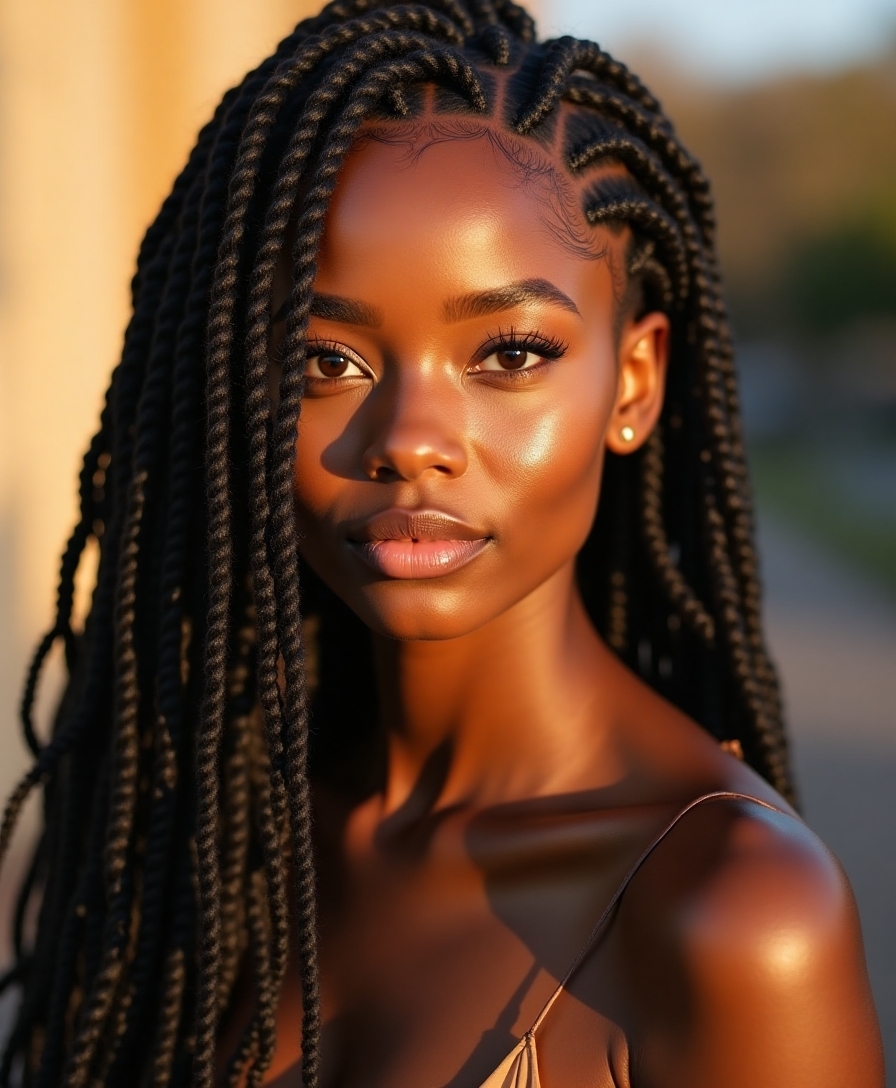
A rope twist looks close to a two-strand at first glance, but the technique underneath is different, and that difference is what gives it a tighter, more sculpted line.
Each of the two strands gets twisted in one direction first, then the pair winds around each other in the opposite direction. That counter-twist is what makes the rope hold its shape and resist unraveling longer than a basic twist manages on its own.
It’s a small technical upgrade with a real payoff. Most stylists suggest practicing the basic two-strand version first before moving on to this one.
The Flat Twist
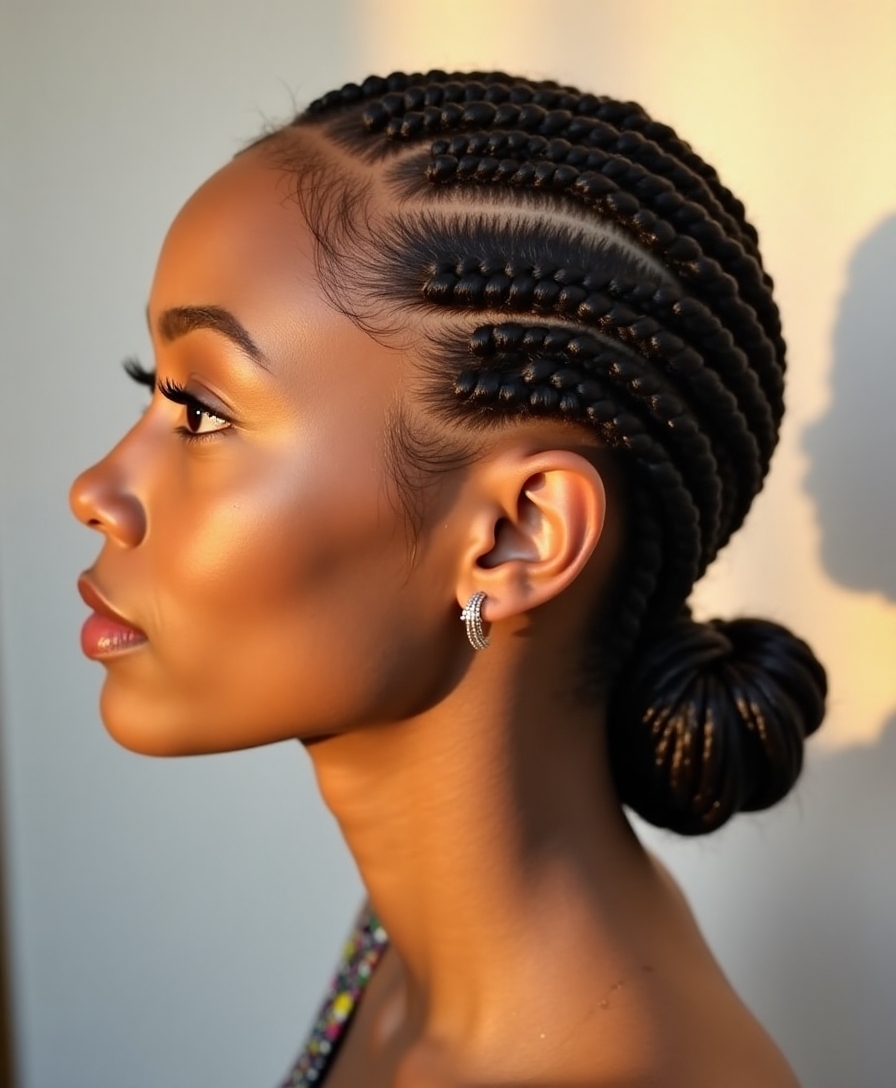
A flat twist is the twist family’s answer to a cornrow: two strands worked flat against the scalp, picking up new hair as they go, so the finished line lies close to the head instead of standing off it.
- Take a section at the hairline and split it into two strands
- Twist over each other, feeding in hair as you move back, cornrow-style
- Keep tension even and gentle near the edges so it lies flat without pulling
Senegalese Twists

Senegalese twists are a rope-twist style built with smooth, added hair for length and a sleek, uniform finish. Alongside cousins like Marley and Havana twists, they deliver long, even twists regardless of natural length, which is part of why they’re such a popular choice for everyday wear and special occasions alike.
- Best installed by a stylist experienced with the technique and parting
- Marley twists use coarser, more textured hair; Senegalese use smoother hair
- Secure should never mean painful; tight tension at the roots is a warning sign, not a feature
Two checks most stylists run during a long-install session:
1Root check
A gentle tug test at a few points along the hairline confirms the twist moves without resistance or pain.
2Break check
Sections that feel unusually tight or hot at the scalp get redone before the appointment continues.
The Protective Twist Updo
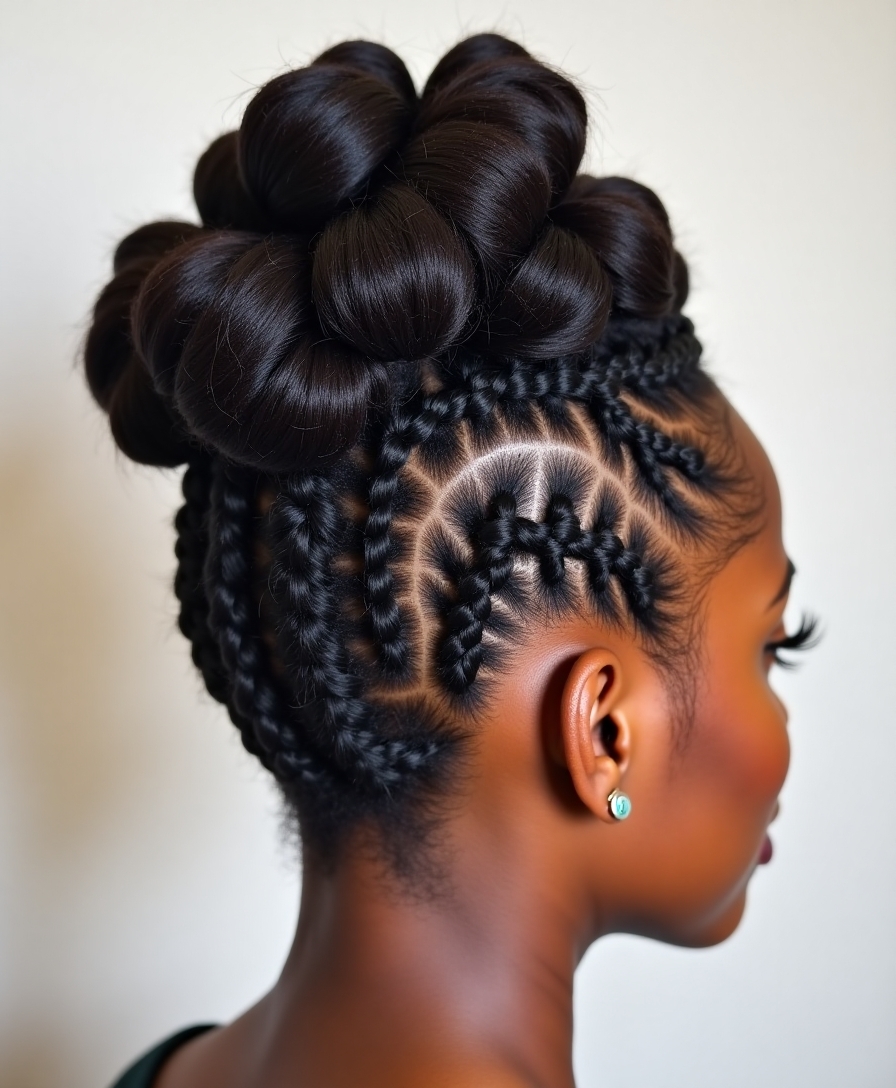
Gathering finished twists into an updo is one of the fastest ways to dress the style up, and it’s a common request before a wedding or big event, since pinned-up twists look sophisticated with almost no extra time invested.
Because the twists are already done, building the updo takes minutes; a loose-hair updo usually needs a full hour to get to the same finish.
- Gather into a high or low bun and pin generously
- Tuck and roll the ends under for a cleaner finish
- Leave a few twists loose at the front to soften the shape
Accessorizing Twists

Twists work as a canvas for adornment, and beads, cuffs, and thread have long carried meaning in African and Black hairstyling traditions. A few well-chosen pieces turn a simple set into something more personal.
- Gold or metal cuffs slide on for instant polish with zero commitment
- Beads at the ends add movement; thread-wrapping adds color and pattern
- A silk scarf tied at the base dresses up an everyday set fast
Mixing Twists and Braids
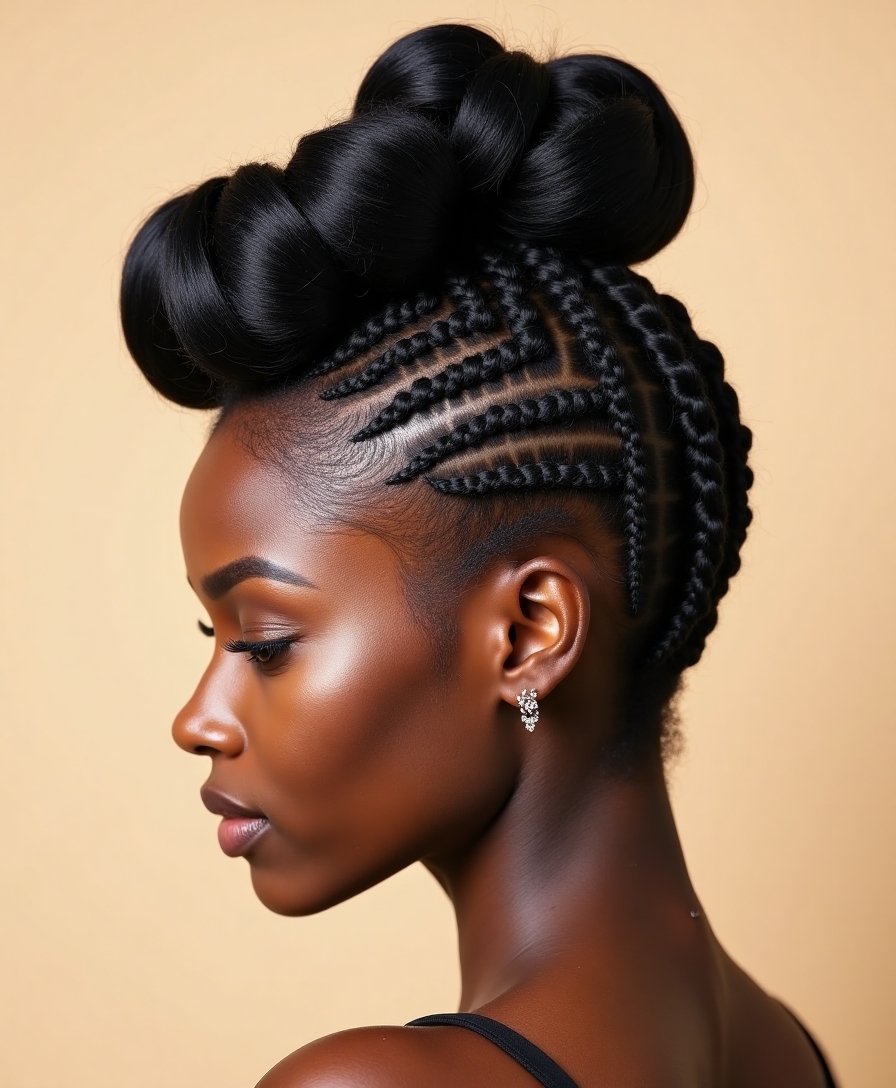
Twists and braids don’t have to be an either-or choice. Cornrowed sides with twisted lengths, or a braided crown flowing into twists, add contrast and structure that neither style delivers entirely on its own.
Combining the two also puts sleekness and volume exactly where they’re wanted, which is a big part of what makes the pairing look intentional. Our cornrow hairstyles guide has more on the braided side of that combination.
- Cornrows at the sides, two-strand twists left long on top
- A braided section adds a crisp, graphic line against softer twists
- Keep the parting clean; the contrast is the whole point
Faux Locs
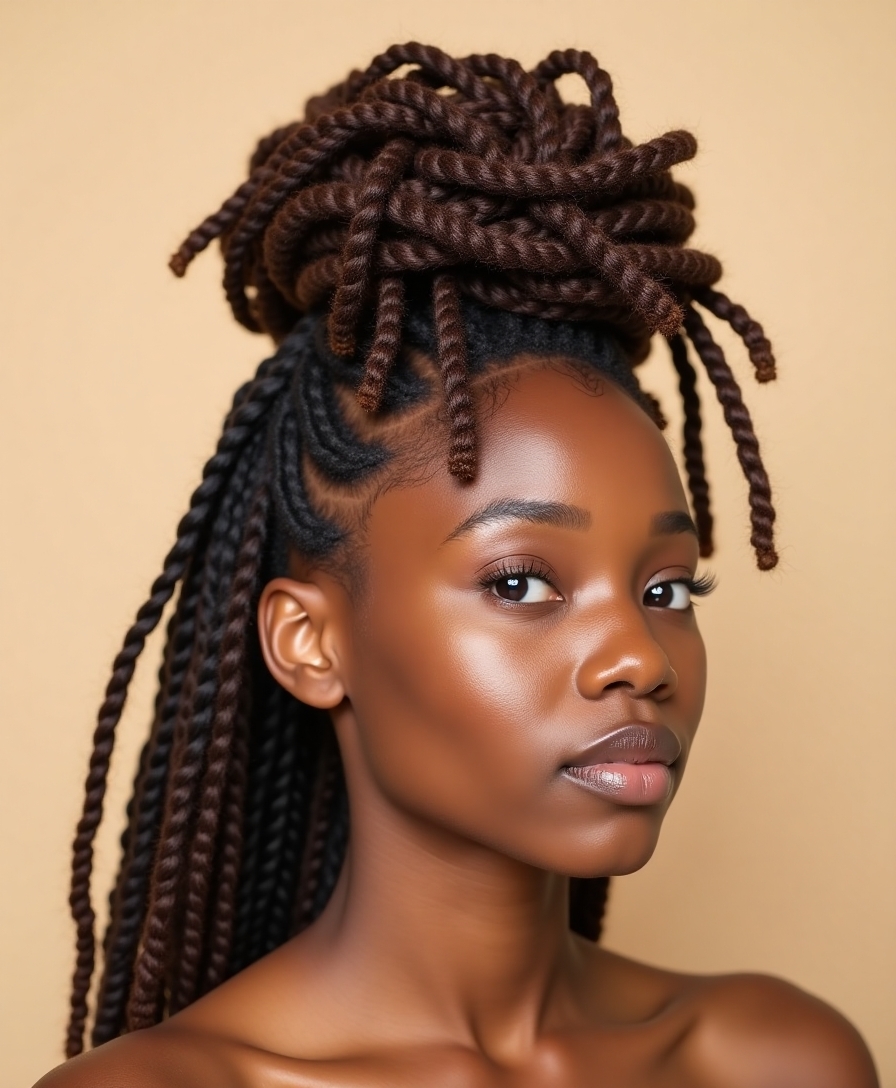
Faux locs deliver the look of locs without the long-term commitment, wrapping twisted natural hair in added hair to mimic a true loc. They’re a way to try the aesthetic for a season rather than years.
The Look of Locs, On Loan
They’re a real time investment, often several hours to install, and typically land in the $150 to $300 range at a salon. They also carry more weight than plain twists, which makes gentle tension at the roots even more important.
Worn with care, a set holds for weeks and protects the hair underneath. The moment the roots feel tight or sore is the signal to book a fix right away.
Keeping Twists Fresh
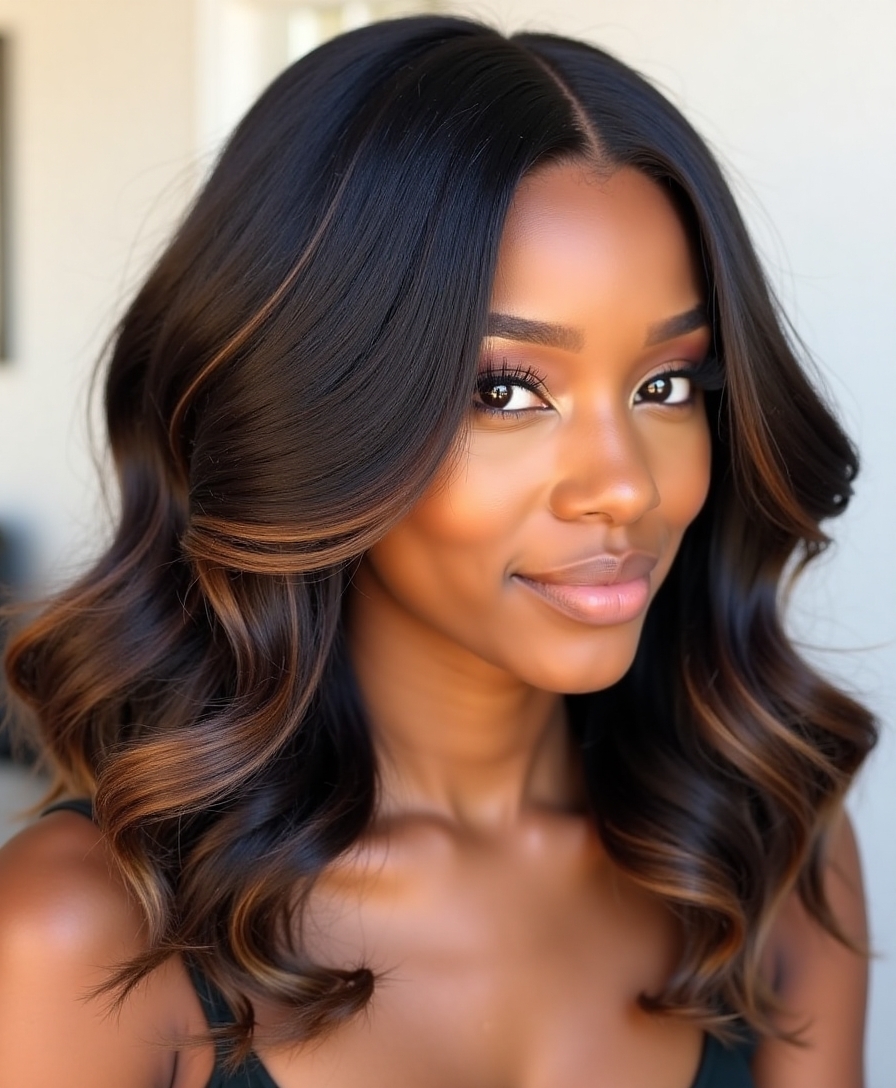
A set can look fresh for weeks with a light touch, and the goal is moisture without buildup or frizz. Over-handling is usually the real enemy, more than time itself.
- Mist with water or a light leave-in every few days to keep hydration up
- Seal occasionally with a small amount of oil, focused on the lengths
- Resist re-twisting too often, since it stresses the roots and shortens the set’s life
Protecting Twists Overnight

How a set gets slept on decides how it wears, more than almost any product applied during the day. Twists that frizz within days usually trace back to what’s on the pillow, since cotton pulls moisture out and roughs up the surface.
Satin First, Everything Else Second
Satin or silk is close to non-negotiable here. Wrap the twists in a scarf or bonnet each night, or sleep on a satin pillowcase as backup. For longer twists, gathering them loosely up keeps them from getting crushed flat.
This overnight habit has been part of Black haircare for generations, and it still does more for how long a set lasts than any single product on the shelf.
A couple of ideas about twists that don’t hold up:
❌ Myth: Myth: twists mean no washing until takedown.
✅ Reality: Fact: the scalp still needs a gentle cleanse roughly twice a month. Skipping washes entirely just trades frizz for buildup and itch.
❌ Myth: Myth: any pillowcase works as long as hair is wrapped first.
✅ Reality: Fact: cotton under a satin scarf still snags on loose edges and baby hairs at the perimeter. Satin from scalp to ends is what actually protects a set.
Adding Volume to Twists
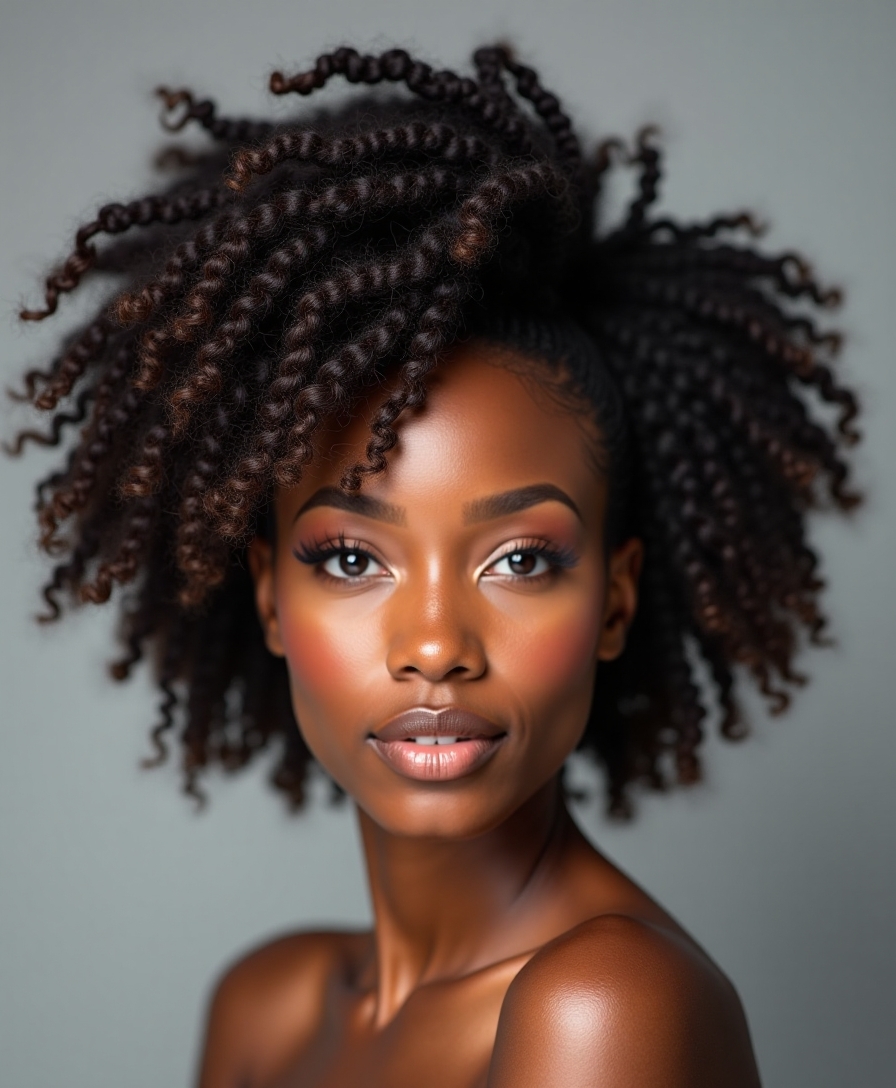
A flat-feeling set can gain fullness without a full redo. Most of the volume comes down to root placement and section size, decided back at install.
- Smaller sections read as more numerous, fuller-looking twists overall
- Fluff the roots gently with a comb’s tail once the set is finished
- A twist-out, unraveled after a few days, delivers the most volume of all
Creative Partings

The parting isn’t just where twists begin; it’s part of the design, and changing it can make the same set look entirely different. Geometric, diagonal, or curved partings turn a plain install into something custom.
Clean partings are also a sign of a careful install, since they keep the scalp easy to reach and moisturize between washes.
- A clean center or side part looks classic and flattering
- Triangle or box partings add a graphic, modern edge
- A zigzag or curved part softens the look and can hide thinning spots
A quick gut-check before choosing a parting:
1Want low-maintenance and classic?
A center or side part holds up longest between touch-ups.
2Want something that reads as bold and intentional?
Try a triangle or box parting pattern instead.
Securing Twists Right
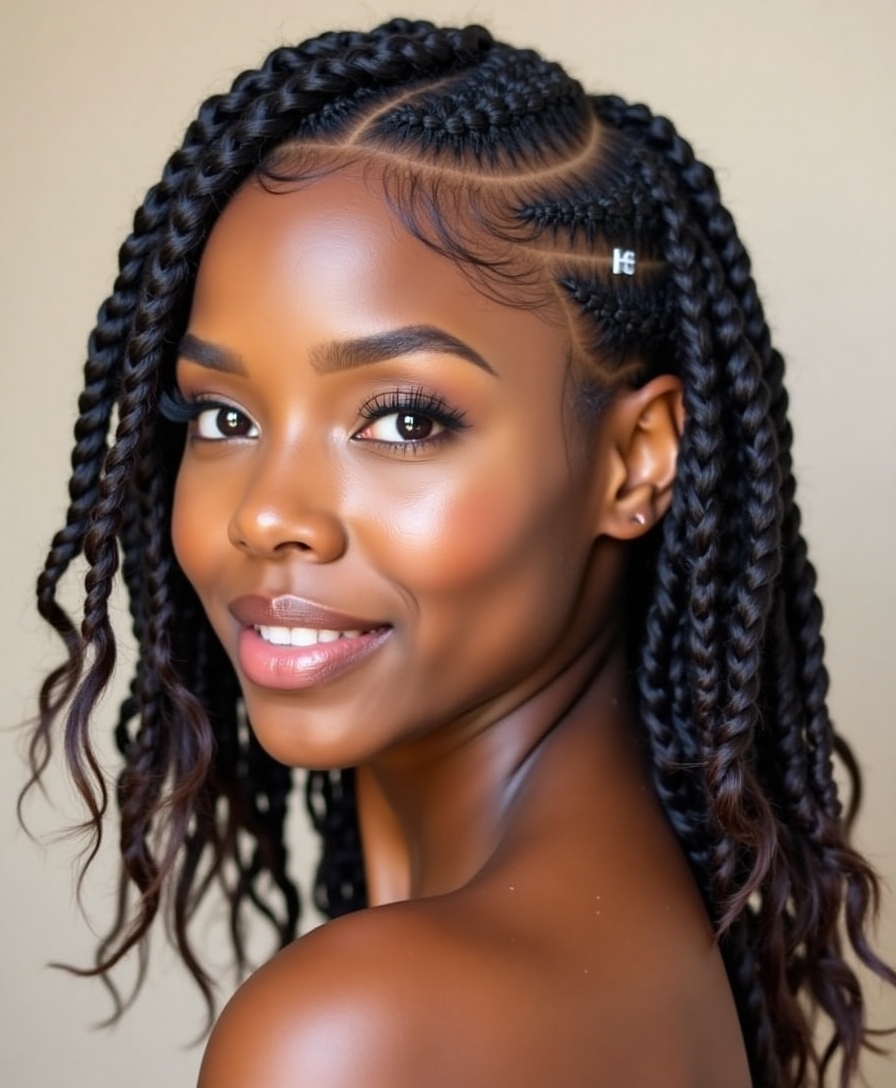
Ends are where a twist comes undone first, so how they’re finished decides how long the whole style holds. The right method depends on hair type and twist size.
- Coily ends often hold on their own with a little cream smoothed in
- Looser textures can be sealed briefly in hot water or with a small band
- Avoid tiny rubber bands; they bite into hair and cause breakage at the ends
Mini Twists

Mini twists are tiny two-strand twists worked all over, and they’re among the longest-lasting of the at-home options. The trade-off is time, since a full head takes real patience to install.
- Hold for weeks and can be styled up, down, or half-up
- Smaller sections give a fuller, more textured twist-out once unraveled
- Take down gently on moisturized hair, since small twists tangle easily as they grow out; our mini twists guide covers the install itself
Two ways to get a mini-twist set:
🎯DIY at home
Costs little beyond product, but a full head realistically takes several hours split across a day or two.
🎯Booked with a stylist
Costs more, often landing past the $100 mark for a full head, but finishes in one sitting with even, consistent sections.
The Half-Up Twist Style
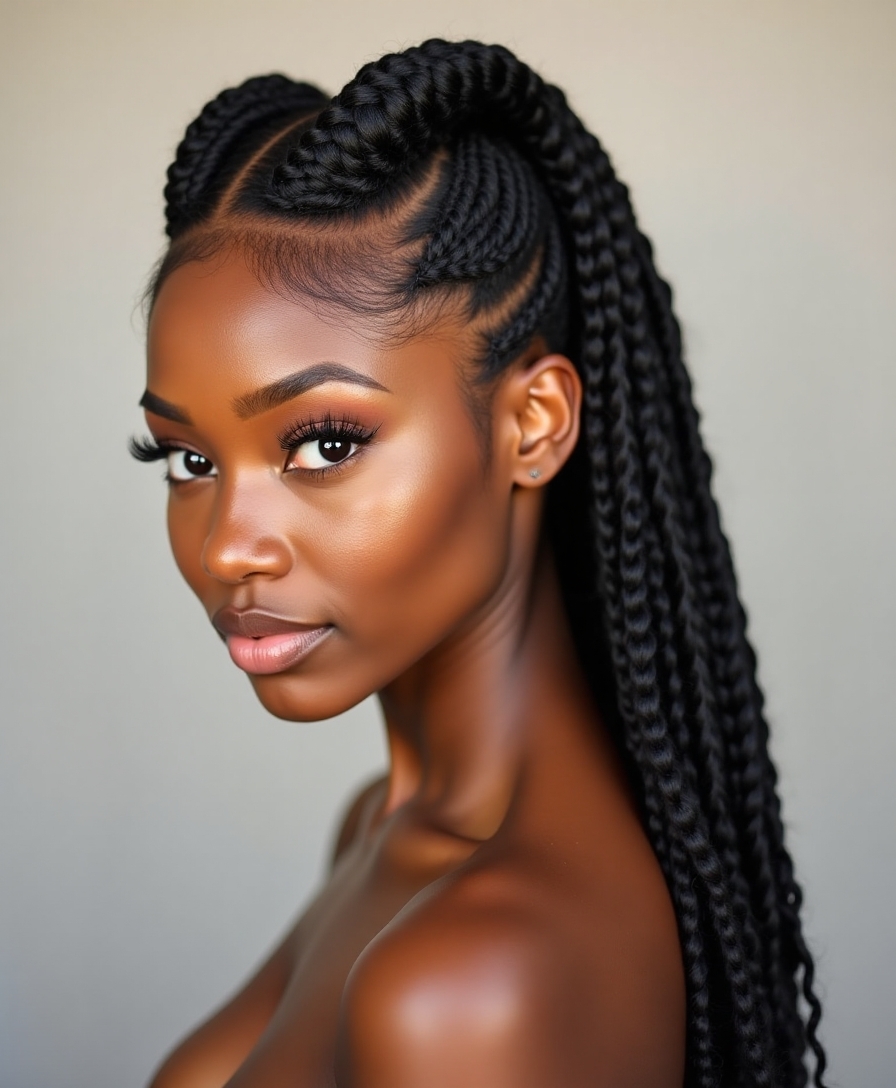
A half-up twist style gathers the top section into a bun or puff and leaves the rest down, which answers the everyday question of keeping hair off the face while still showing off length.
It’s a two-minute style: gather the top half, secure it into a bun or high puff, and let the rest fall loose. A few twists pulled forward at the front soften the whole shape.
From Twists to a Chic Bun
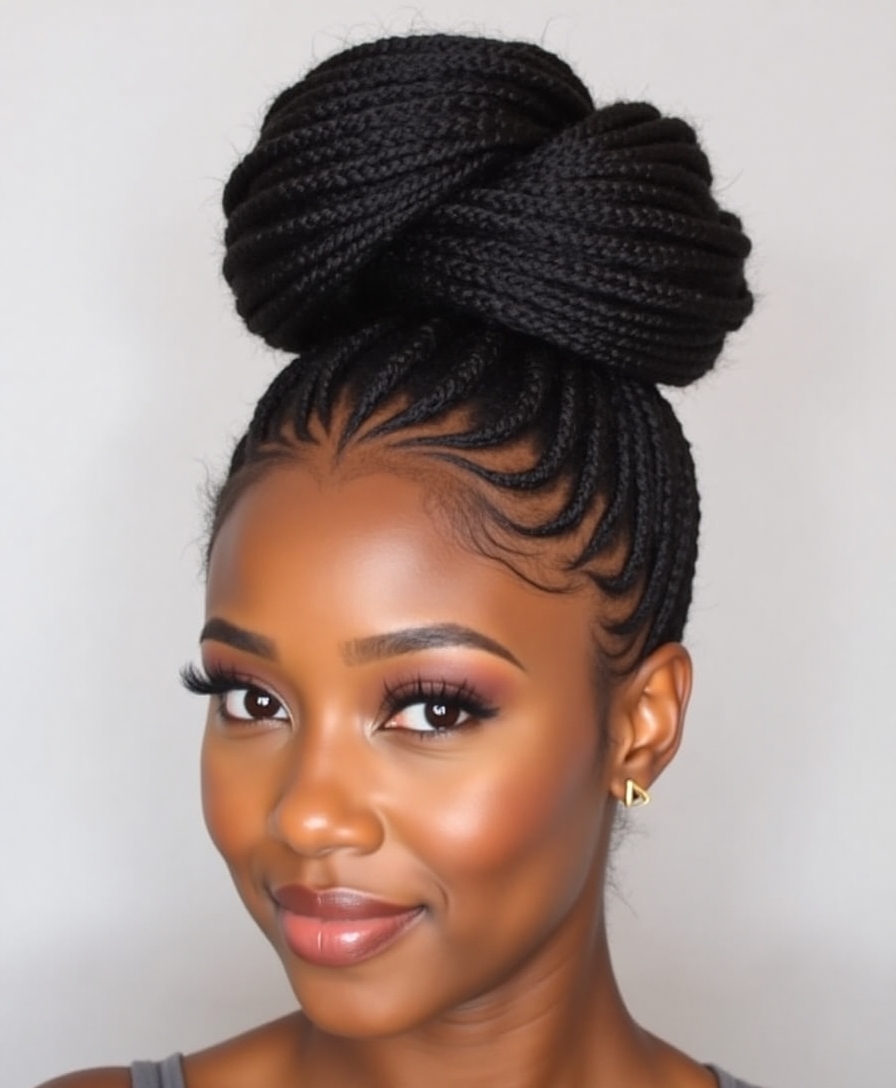
Gathering an entire set into a single low or high bun is one of the fastest polished moves available when time is short. It works for the office, an event, or a humid day that calls for hair fully contained.
Because twists already hold their own shape, the bun stays neat with minimal pinning, which is most of the appeal.
- Gather into a ponytail, then wind it into a bun while pinning
- A satin scrunchie or a wrapped twist hides the elastic
- Smooth edges with a brush and edge control for a sleeker finish
Twists Across Textures
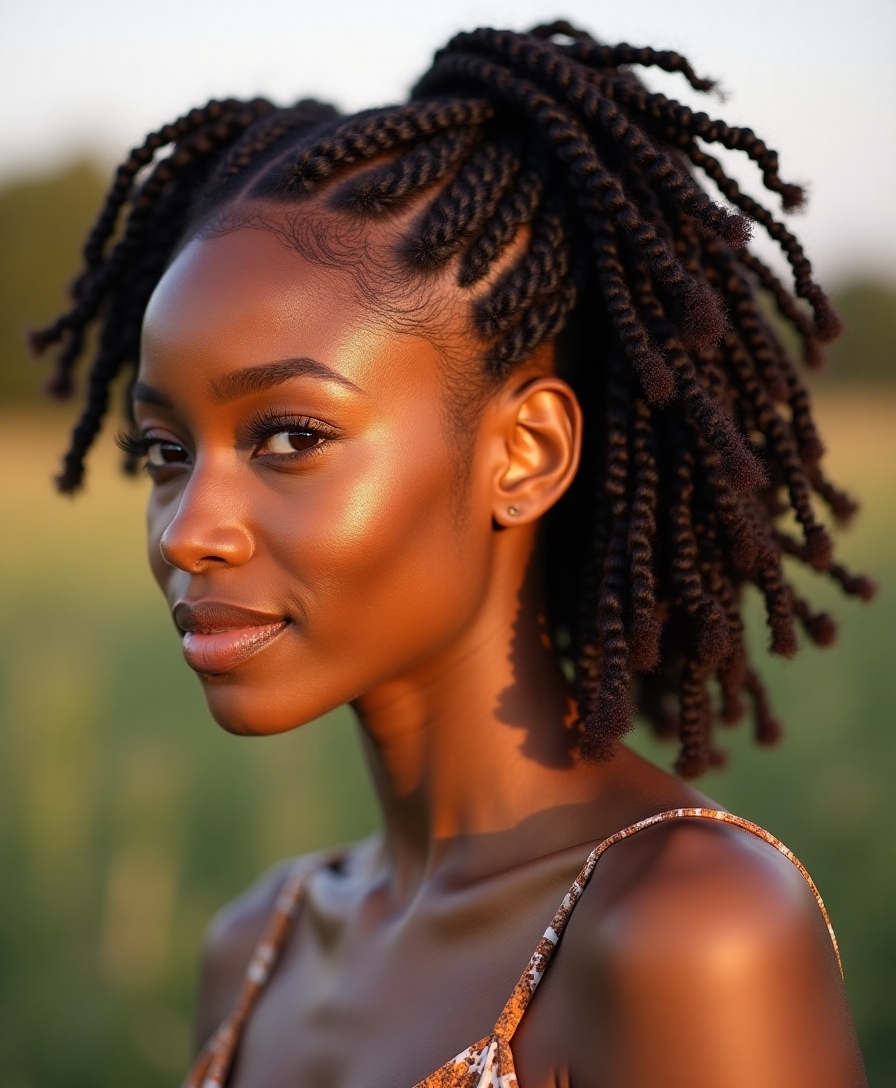
Twists work across the full range of curl and coil patterns, but the approach shifts with the pattern, and matching technique to texture is what makes the style hold and look its best.
- Tightly coiled hair holds twists well and needs the richest moisture
- Looser curls may need a firmer cream or gel so ends hold and don’t slip
- Finer or transitioning hair does best with smaller sections and gentler tension
Color on Twists
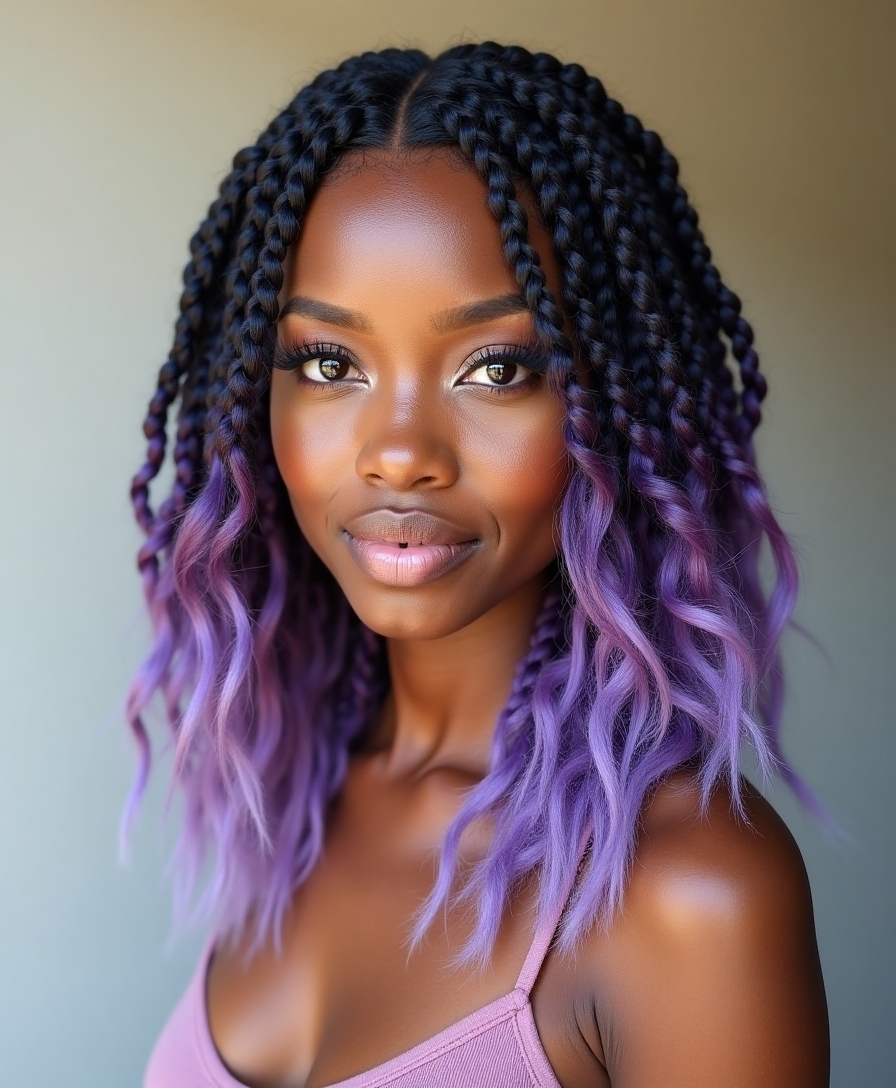
Color and twists make a striking combination, whether the color goes on natural hair before twisting or arrives pre-applied on added hair for a Senegalese or faux-loc set.
Using colored added hair is the gentler route, delivering a bold shade with zero processing on natural strands, which keeps the hair underneath healthy. Coloring natural hair directly asks for more care around the service, since coily hair runs drier already and twisting adds its own stress.
The twisted texture itself does something flat color alone can’t: it adds real dimension and movement, which is part of why colored twist sets photograph so well.
Styling Tips
A few habits separate a set that looks intentional every day from one that only looks good on install day. Smooth the hairline with a light gel or edge cream whenever it needs polish. Re-tensioning at the root is what actually damages edges over time.
Rotate partings occasionally to rest the scalp along any one line, and keep a small bottle of leave-in nearby for midday touch-ups. Small, frequent care beats one big fix at the end of a set’s life.
What People Actually Ask About Twists
?Does a twist set damage hair, or protect it?
It protects hair, when installed and worn correctly. Damage almost always traces back to tension that’s too tight at the hairline, or a set left in far past the point it needed to come down, not to twisting as a technique.
?Can twists be washed while they’re still in?
Yes, though most people stretch washes further than usual to protect the style and save time. A diluted shampoo applied at the scalp, followed by a gentle rinse and a full, patient air-dry, cleans the roots without unraveling the twists themselves.
?What’s the actual difference between Marley, Havana, and Senegalese twists?
Mostly the hair used to build them. Marley hair is coarser and more textured for a natural look, Havana hair is bouncier and looser, and Senegalese twists use smoother, silkier hair for a sleeker, more uniform overall finish.
?Is there a hair type twists don’t work well on?
Not really, though the technique needs to shift a little. Very fine or slippery hair may need a stronger hold product and noticeably smaller sections, since the ends on fine strands tend to slip loose earlier than on coarser hair.
?How do you take a set down without damaging hair?
Slowly, and on moisturized hair, working in small sections starting from the ends and working up toward the root. Rushing a takedown, or starting at the root, is one of the more common ways people lose hair they would otherwise have kept.
The One Rule Worth Remembering
Every version of this style rewards the same habits: real moisture before installing, tension that never crosses into pain, and satin protection every night. Get those right and a set pays back weeks of easy mornings.
Before booking anything elaborate, think honestly about the size, length, and technique that fits the time and budget available, not just the photo saved to a phone.
Worth a Look