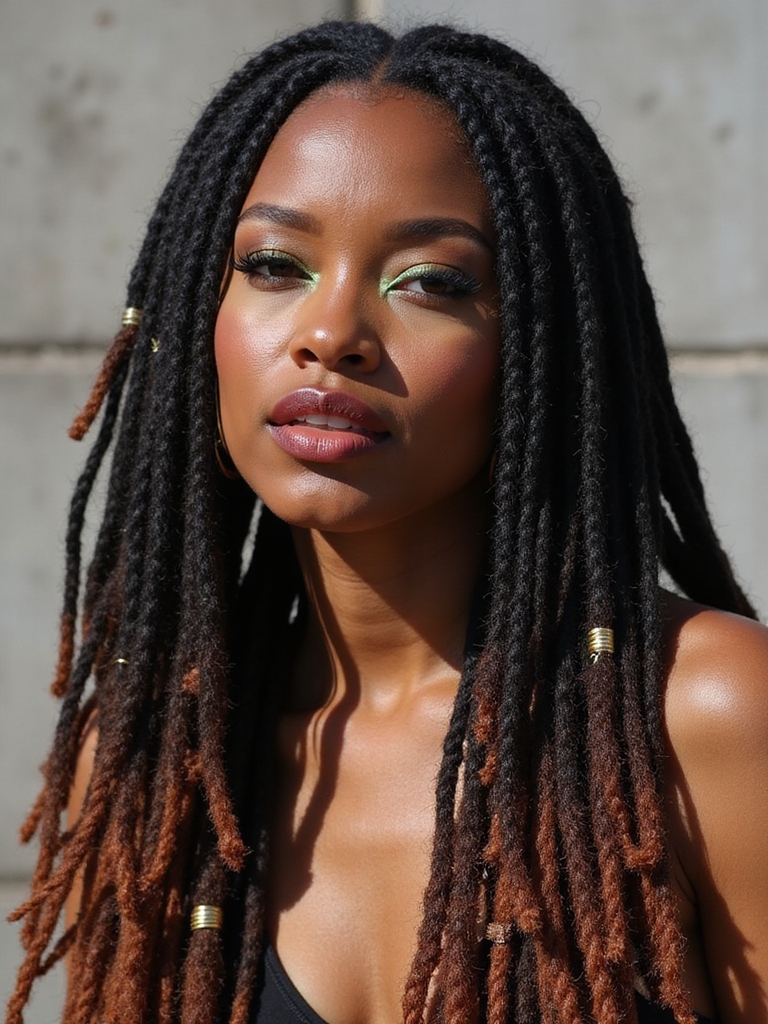
Minutes into a rushed morning, the hair is still damp, the clock is already losing, and a curling iron is nowhere near the routine. The simple hairstyles that read the most pulled-together are almost never the complicated ones: a twist, a tuck, one pin placed correctly does more work than ten minutes of fussing ever could.
Nineteen versions follow below, most of them doable on second-day hair, each with a short how-to. A few basics, clear elastics, bobby pins, a claw clip, and dry shampoo, cover nearly all of them. For even more low-effort options, the easy hairstyles roundup goes further.
The Bare-Minimum Kit
- Most of these styles work best on second-day hair, which holds texture and grip that fresh-washed strands lack.
- A handful of tools cover nearly every look here: clear elastics, bobby pins, a claw clip, and dry shampoo.
- Undone, slightly imperfect versions of these styles usually look more natural than an overly smoothed one.
The Classic Low Ponytail

A low ponytail sits somewhere between effortless-in-the-literal-sense and dressed-up, worn smooth at the nape for polish or left a little loose for something more relaxed. It rarely reads wrong for an occasion.
One small detail lifts it from basic to deliberate: hiding the elastic entirely.
- Gather hair at the nape and secure with a sturdy elastic.
- Loop a thin piece of hair around the base and pin it underneath to hide the band.
- Smooth the top with a drop of serum, or leave it soft for an undone finish.
The Messy Bun for Busy Mornings

Few styles forgive a rushed morning like the messy bun, where the less precise version usually looks better than the careful one. Flip the head forward, gather everything into a high ponytail, twist it loosely around the base, and secure with a second elastic.
Loosening a couple of pieces around the face finishes the look; the slight imperfection is the entire point, not something to smooth away afterward. The messy bun hairstyles guide has more variations on this same idea.
The Sleek Top Knot

When the messy bun’s opposite mood is needed, a sleek top knot delivers polish in under two minutes. It reads sharp and modern, and it lifts the whole face by pulling everything up and off the forehead.
What Actually Makes It Sleek
Brush everything smoothly up to the crown, secure a high ponytail, twist the length into a tight coil, wrap it into a knot, and pin it in place.
A small amount of gel or smoothing balm run along the edges is the actual difference between a sleek knot and a frizzy one; skipping that step is the most common reason this style falls short.
The Braided Headband

Laying a small braid across the crown like a band gives a romantic look that keeps hair off the face without an actual accessory involved.
It works on hair left mostly down, which makes it a fast way to dress up a wash-and-go day.
- Take a small section above one ear and braid it back toward the other side.
- Pull it across the crown and pin behind the opposite ear.
- Tuck the tail underneath and leave the remaining length down.
The Twisted Half-Up

A twisted half-up keeps hair out of the eyes while leaving the length down, and the whole thing takes about 30 seconds start to finish. It’s a favorite for anyone growing out face-framing pieces that haven’t settled into place yet, since it tames them without pinning the whole front section back.
- Take a section from each side above the ears.
- Twist each one back and join them at the center back of the head.
- Secure with a small clip or elastic, then gently tug the twists to loosen them.
The Quick High Ponytail

A high ponytail brings instant energy, lifting the face and reading younger and sportier than its low counterpart. The only real rule is committing to the height; for more variations on the shape, the ponytail hairstyles guide covers the full range.
- Tip the head back and gather everything up to the crown so it sits high.
- Secure tightly, then wrap a small section of hair over the elastic for polish.
- A light mist of hairspray on flyaways keeps the shape sharp through the day.
This one shows up constantly during the awkward stretch when layers are too short to sit in a ponytail but too long to leave alone. A quick session with this move usually solves it for good.
The Everyday French Twist

A French twist sounds formal but works as a quick weekday updo, folding all the length into one clean, vertical seam. It looks like far more effort than it actually takes, and the finished shape holds up fine under a blazer or a coat collar without crushing.
- Gather hair to one side and twist it up against the head.
- Fold the twist under itself to form a vertical roll.
- Pin along the seam, tucking the ends down inside the fold.
Quick Beach Waves

Soft, undone beach waves come closest to a no-fuss style that still looks finished, and a curling iron isn’t required to get there.
Skipping the Curling Iron
For the heatless route, braid damp hair into one or two loose braids before bed, then take them down the next morning. For a faster version, twist sections and pass a flat iron over them, or mist a salt spray on natural waves and scrunch.
Either way, raking fingers through the finished waves breaks up any uniformity so the result reads relaxed instead of freshly set.
The Easy Side Braid

A loose braid swept over one shoulder feels easy and a little romantic, and it works as the rescue style for a day the hair hasn’t been washed. The braided hairstyles guide has more options once this one becomes routine.
Making It Look Fuller
Second-day texture actually helps this one hold better than freshly washed hair would. Sweep all the hair over one shoulder, braid it loosely, and secure the end.
Gently pulling the edges of the braid outward afterward is what turns a tight, schoolgirl braid into something soft and grown-looking.
The Twisted Bun With a Hair Stick

A single hair stick turns a plain twisted bun into something more deliberate, and it holds the whole shape without a single pin involved.
One Stick, No Pins
Gather the hair into a low or mid ponytail, twist the length into a rope, and wind it into a bun.
Hold the bun in place and push the stick through the base, scooping a small amount of hair as it goes so the anchor actually catches.
Pin-and-Tuck Your Bangs

Twisting the front pieces back and pinning them is the tidiest fix for a fringe that’s being grown out, or just tired of sitting in the eyes.
It also works as a pretty detail on otherwise loose hair, not only as a grow-out solution.
- Take the front section on one side and give it a tight twist back from the face.
- Pin it flat behind the ear, hiding the pin under the twist itself.
- Repeat on the other side, or leave it asymmetrical for a softer effect.
| Style | Effort | Best for |
|---|---|---|
| Messy bun | Under a minute | Everyday, gym, errands |
| Sleek top knot | About 2 minutes | Work, polished daily wear |
| Hair-stick bun | About 2 minutes | Dinner out, no pins needed |
The Half-Up Bun

Twist the crown section up into a small knot and leave everything else loose, and the result is playful, keeps hair off the face, and works on nearly every length. Some call it a half-up top knot; the mechanics stay the same either way.
Gather the top half as if starting a half-ponytail, twist it into a small bun, and secure with an elastic or small clip. Leave the length loose underneath.
Freeing a strand or two at the temples softens the shape and gives the whole look a current, unfussy feel in under a minute.
The Fast Faux Bob

Faking a chin-length bob on long hair takes about two minutes, no scissors involved, and it’s the easiest way to test whether short hair would suit before committing to a real cut.
- Tie a low ponytail, then roll the length up and under toward the neck.
- Pin the rolled bundle in place across the back of the head.
- Tug a few pieces loose at the front to mimic a soft, face-framing bob.
The Quick Chignon

A chignon is a low, tucked bun that reads instantly polished, which is why it shows up so often as a wedding-guest and office staple. This version skips the formal technique for something faster.
- Tie a low ponytail at the nape, leaving a small gap above the elastic.
- Flip the ponytail up and through that gap, tucking the ends inside.
- Pin the rolled ends and smooth the top for a soft, low finish.
Texturized Loose Waves

Sometimes the simplest style is just natural texture, coaxed to look intentional rather than left to its own devices. A small amount of product turns limp, undone hair into soft, textured waves with no tools involved.
On damp hair, scrunch in a texturizing or sea-salt spray, then let it air-dry. Once dry, scrunch again and break the pieces apart with fingers for a finished, beachy result.
“The clean, formal version of this bun takes real practice and a mirror behind a mirror. The everyday version skips most of that, and it still reads finished from three feet away, which is really all a weekday look needs to do.”
The Braided Ponytail

Combining two of the easiest styles produces a braided ponytail, which looks more involved than the roughly thirty seconds it actually takes.
Tie a ponytail at any height, then loosely braid the length and secure the end with a second elastic. Gently puff out the braid afterward for fullness.
It’s the move for a day an everyday ponytail needs to feel a notch more finished, with almost no added time on top of the base style.
The Headwrap or Scarf Style

On a genuine no-time, no-wash day, a scarf hairstyle handles the job with no actual hair styling involved. Tied well, it turns unwashed hair into a deliberate, finished statement instead of a cover-up.
- Pull hair into a low bun or ponytail to keep it contained underneath.
- Fold a square scarf into a triangle and tie it back like a band, or wrap it fully turban-style.
- Leave a couple of pieces loose around the face so the result looks styled, not hidden.
Turning a plain ponytail into a braided one in three moves.
1Tie it first
Secure a regular ponytail at whatever height suits the day.
2Braid the length
Loosely braid from the elastic down and secure the end.
3Puff for fullness
Gently pull the braid’s edges outward to soften and widen it.
Flipped-In Ends

Hair worn down that looks flat and tired usually just needs the ends addressed. Flipping only the last few inches under transforms the whole look in a couple of minutes.
Run a flat iron or a round brush over just the ends, bending them gently inward toward the neck. The rest of the length stays exactly as it was.
It’s the smallest possible move that takes a flat blow-dry or air-dry from unfinished to deliberate, and it shows up especially clearly on a bob or a lob.
Keeping the Hold Through the Day

What separates a style that holds until evening from one that slides out by noon usually comes down to prep, not technique. Slippery, freshly washed hair works against nearly every quick style on this list.
Building in a little grip before starting turns a five-minute style into one that lasts the entire day without a midday rescue.
- Work on second-day hair, or mist dry shampoo or texture spray through clean hair first.
- Match the elastic to the job: a sturdy one for ponytails, a soft spiral one to avoid dents.
- Set the finished shape with a flexible-hold hairspray, pinning only where it actually counts.
What to Expect
None of these styles demand a special skill, but nearly all of them improve with a little repetition. The first attempt at a top knot or a French twist usually looks less clean than the fifth, simply from muscle memory building up.
A two-minute style stays a two-minute style only once the steps stop requiring conscious thought. Until then, set aside a little extra time and expect a few pieces to need re-pinning.
Simple Hairstyle Questions, Answered
?What are the best simple hairstyles for second-day hair specifically?
The messy bun, side braid, and beachy waves rely most directly on the grip and texture that fresh-washed hair lacks. On freshly clean, slippery hair, a light mist of dry shampoo or texture spray beforehand can fake that same hold.
?Do these styles work on short hair or a bob?
Several translate well. A half-up bun, a twisted half-up, pin-and-tuck front pieces, and flipped-in ends all work on a bob or lob. Full updos like the chignon and French twist generally need more length to wrap and secure properly.
?What’s the single most useful tool for these styles?
A good claw clip covers more ground than almost anything else on this list, useful for everything from a half-up bun to holding sections while building a braid or twist.
A Couple of These Is All It Takes
Nineteen options is a lot to hold in mind on a rushed morning, but the goal was never to master all of them. Two or three that fit a given hair length and texture are enough to solve most mornings for good.
Worth trying: pick one from this list this week, on a day there’s no rush, and practice it once before needing it for real. By the third attempt, it usually stops feeling like a project and starts feeling automatic.
Worth a Look