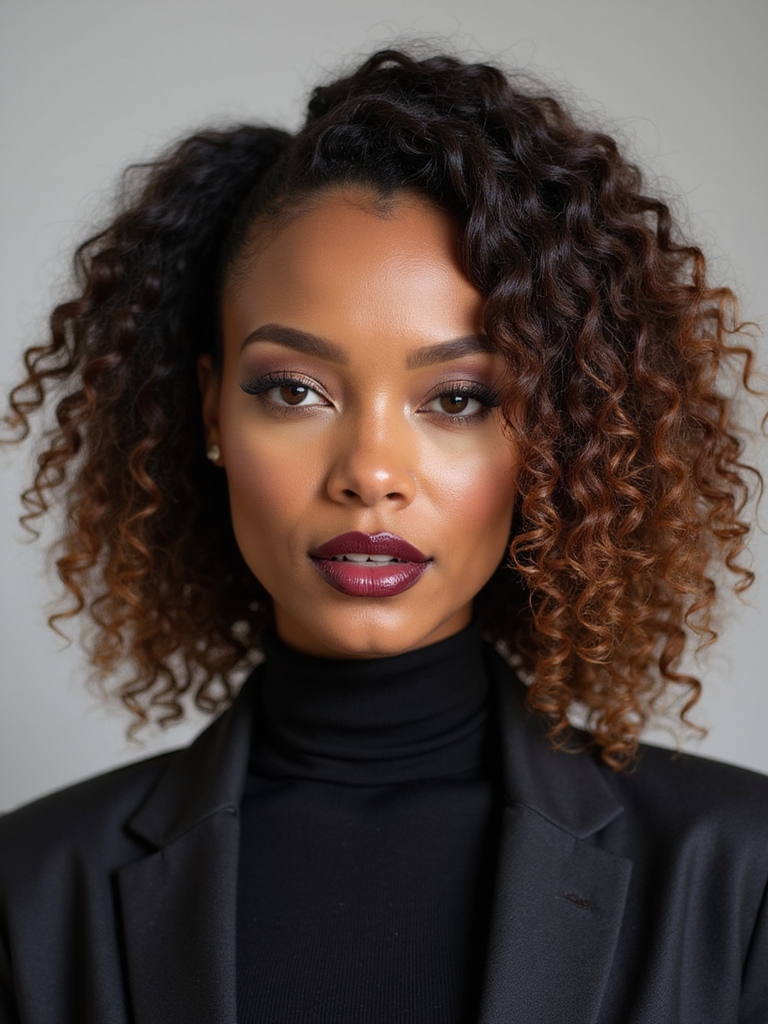
Bangs are the most underrated winter accessory there is. While everyone else fusses over hat hair, a good fringe frames your face the second you walk in from the cold, hides a flat, hat-crushed forehead, and gives you a finished look even when the rest of your hair has surrendered to the weather. The right bangs do half your styling for you all season.
But winter is hard on bangs too—static, dry air, hat flatness, and the oil that builds when you wash less all hit your fringe first. So this is the full guide: which bangs flatter which face, how to wear them under a hat, and how to keep them fresh through the season. These winter hairstyles with bangs are about choosing the right fringe and actually keeping it looking good.
Bangs in Winter, in Short
The best winter bangs depend on two things: your face shape and your tolerance for upkeep. Curtain bangs and long, blended fringe are the lowest-maintenance—they grow out softly and forgive a flat day. Blunt and micro bangs are bolder and higher-upkeep, needing frequent trims and styling. Soft, wispy, and side-swept bangs sit in the easy middle.
Whatever you choose, winter bangs live on a few habits: a round brush or quick blow-dry to fight flatness, dry shampoo to handle the oil that comes with washing less, and a touch of oil or a dryer sheet for static. Master those, and bangs are the easiest way to look polished in the cold.
Why Bangs Are a Winter Hair Essential
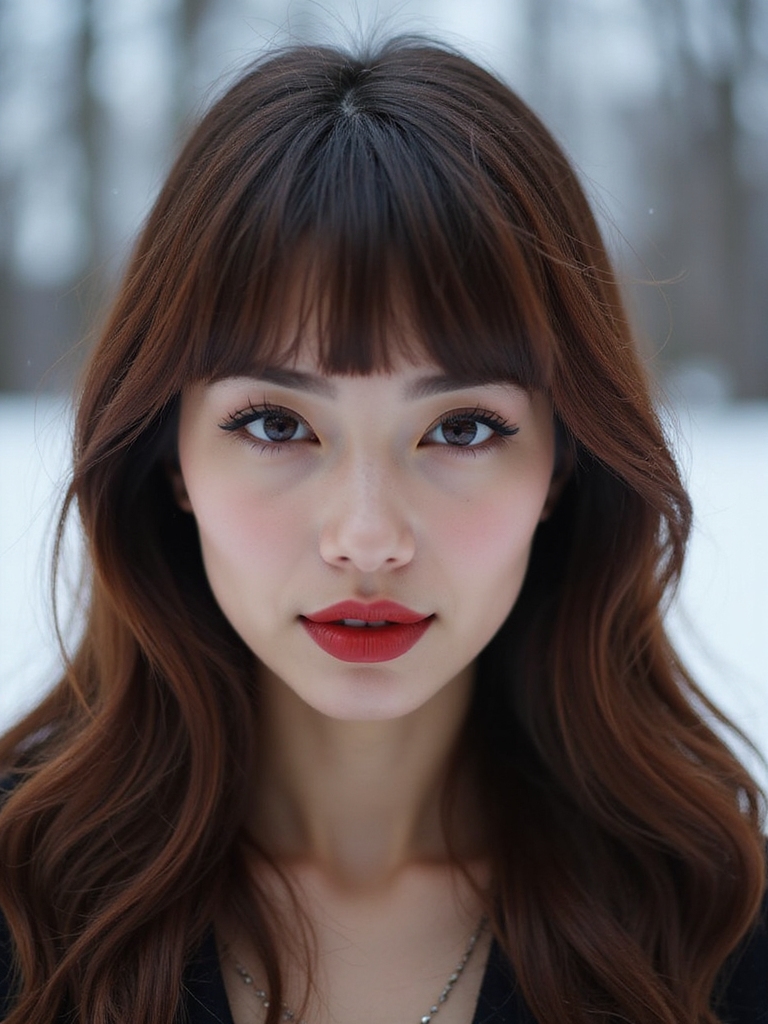
Bangs earn their keep in winter more than any other season. When a hat flattens your crown and dry air dulls your length, your fringe is the one part of your hair that stays front and center, framing your face and doing the work the rest of your hair can’t. A good fringe means you look styled even on a day you did nothing. I tell clients on the fence the same thing: winter is when bangs pay off most.
They also solve the hat-hair problem in reverse—a beanie crushes your roots, but your bangs poke out underneath, framing your face the whole time. You take the hat off and your face is still framed, even if the back is flat. It’s the lowest-effort way to look put-together in the cold.
- Frame your face even when a hat flattens everything else.
- Poke out from under a beanie, so your face stays framed.
- Make you look styled on a no-effort day.
Choosing the Right Bang Style for Your Face Shape
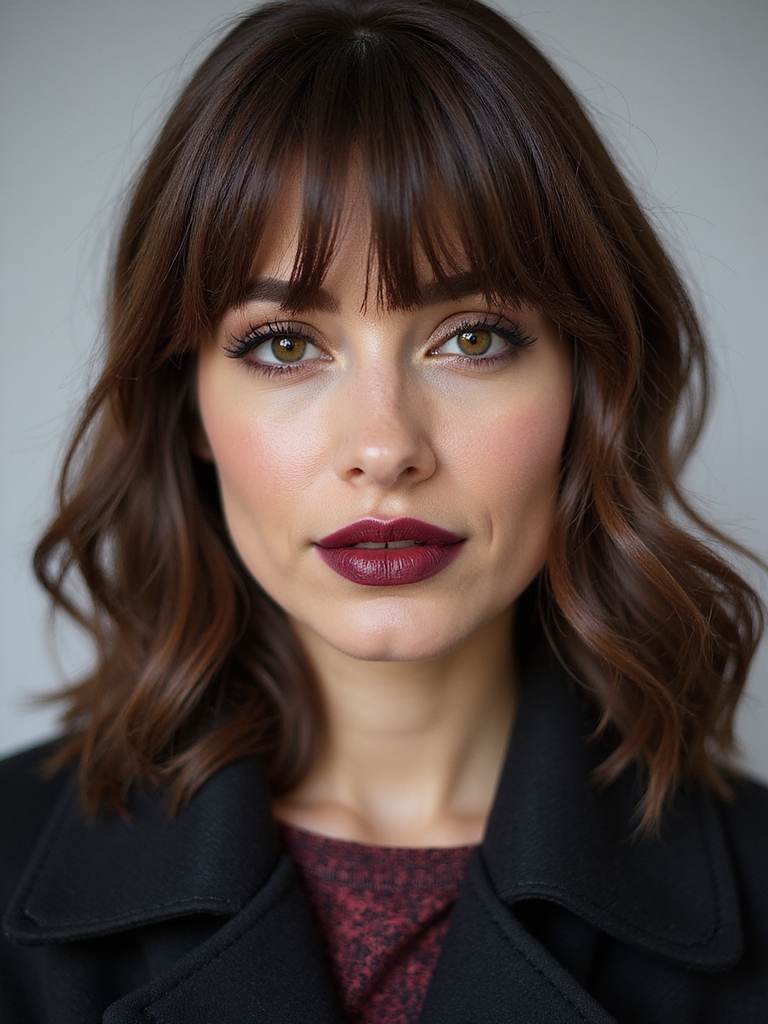
The single most important thing about bangs is matching them to your face shape, and winter is a great time to experiment since hats hide a grow-out. Round faces are flattered by longer, side-swept, or curtain bangs that add length and angles; the bangs for round face guide goes deep.
Oval faces suit almost anything, blunt to wispy—see the bangs for oval face guide. Long faces look best with blunt or full bangs that shorten the face, and heart-shaped faces are softened by curtain or wispy bangs that balance a narrow chin. Bring a photo and ask your stylist what suits you before you commit.
- Round face: longer, side-swept, or curtain bangs add angles.
- Long face: blunt or full bangs shorten and balance it.
- Heart face: curtain or wispy bangs soften a narrow chin.
| Face shape | Best bangs |
|---|---|
| Round | Long, side-swept, or curtain |
| Long | Blunt or full |
| Heart | Curtain or wispy |
| Oval | Almost anything |
Curtain Bangs for Soft, Framing Volume
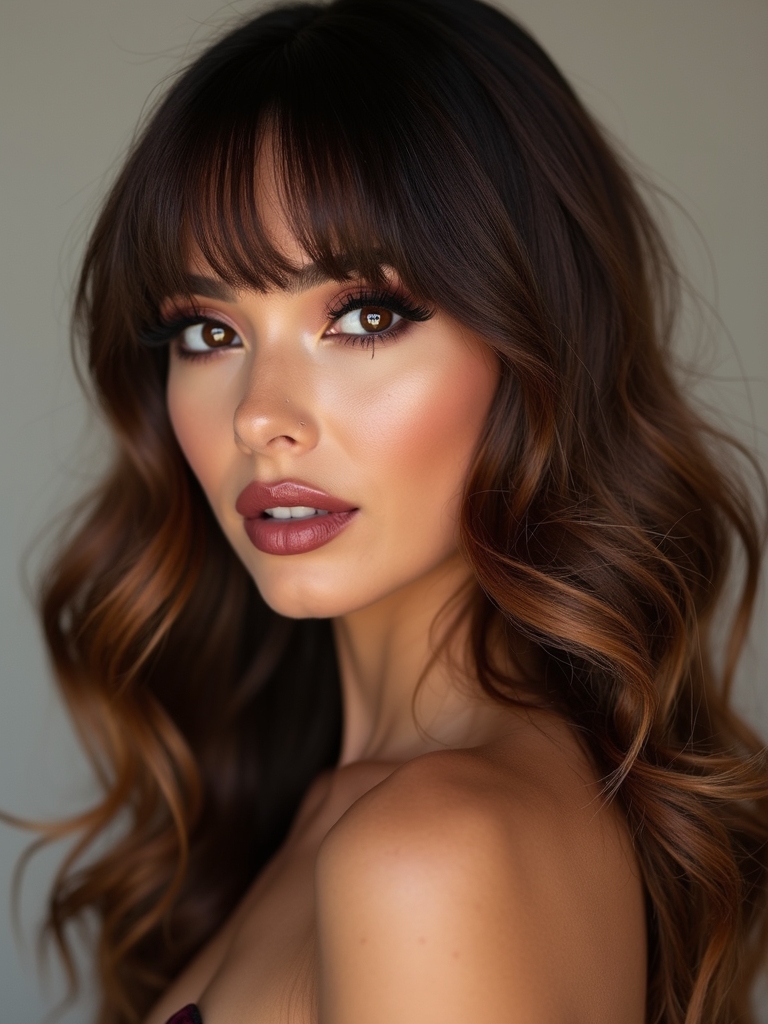
Curtain bangs are the most flattering and forgiving fringe there is, which makes them the winter favorite—they part in the middle and sweep to either side, framing your face like, well, curtains. Almost any face suits them, and the grow-out is painless, since they just melt down into your length.
Why They’re So Easy in Winter
Curtain bangs are low-maintenance by design: a quick round-brush at the roots gives them volume, and they blend into your length as they grow, so a missed trim doesn’t ruin them. They also tuck behind your ears under a hat and sweep back into place after.
They suit straight, wavy, and curly hair alike—on coily texture, a good stylist cuts them in their natural curl state and a little longer to account for shrinkage. The curtain bangs guide covers every variation. They’re the fringe I recommend most for a first-timer.
Blunt Bangs: Sharp Contrast With Chunky Knits
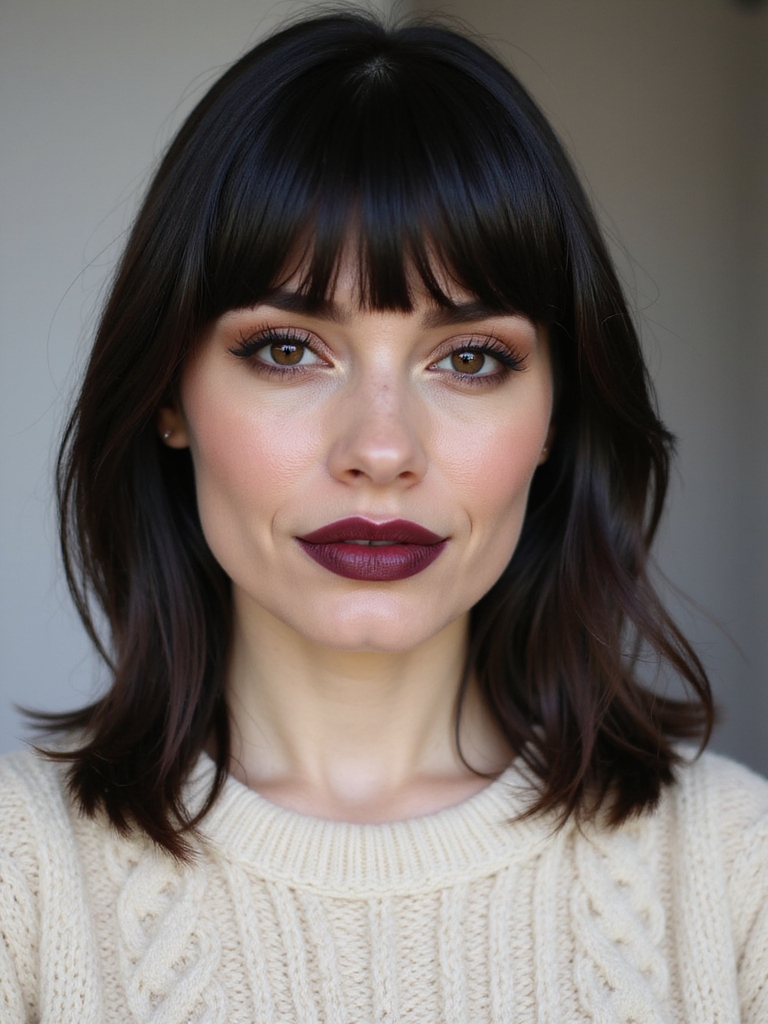
Blunt bangs are the boldest fringe, cut straight across in a sharp, heavy line, and against winter’s chunky knits and big coats they look striking and modern. The contrast of a sharp fringe and a cozy sweater is a whole mood.
They ask more of you: a blunt fringe wants a two- to three-week trim or the sharp line blurs, and it shows oil and flatness fast, so winter dry shampoo is a must. But nothing else makes as bold a statement. They suit oval and long faces especially, and straight hair holds the blunt line best.
🅰️Blunt Bangs
Bold and sharp, but a trim every 2 to 3 weeks to keep the line.
🅱️Curtain Bangs
Soft and forgiving, and the grow-out blends in instead of fighting you.
Wispy Bangs for a Light, Airy Look
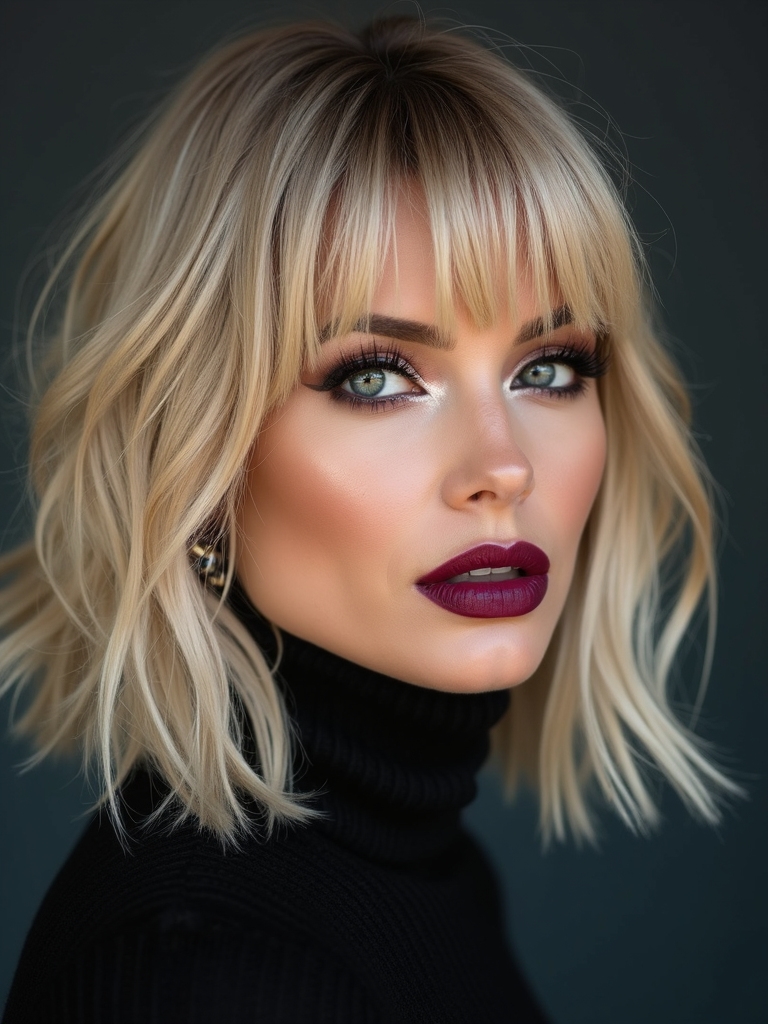
Wispy bangs are the soft, feathered, see-through fringe that adds face-framing without the commitment of a heavy bang. They’re light and airy, barely-there pieces that frame your face and leave your forehead open, which makes them gentle and modern. For winter, they’re the low-stakes way to try bangs.
- Light, feathered pieces frame your face without weight.
- Forgiving as they grow, and easy to blend back.
- The lowest-commitment way to test a fringe.
Side-Swept Bangs for Timeless Sophistication
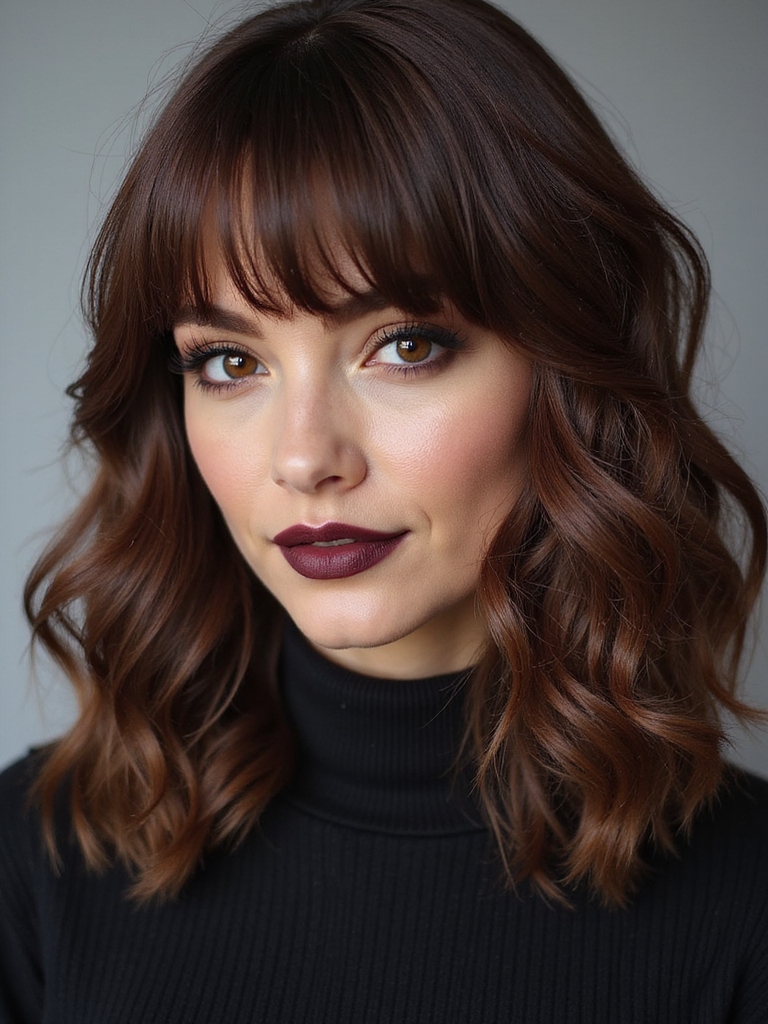
Side-swept bangs sweep across the forehead to one side, and they’re the timeless, sophisticated fringe that flatters almost everyone. They add a soft angle to your face and blend into your length, so they feel polished and never trendy.
In winter, side-swept bangs are practical: they sweep to one side under a hat and stay out of your eyes, and a deep side part gives them volume. A quick round-brush sets the sweep. They suit round and square faces especially, since the diagonal line softens them.
👍Why bangs win in winter
- +They work even when a hat has flattened the rest of your hair
- +Make you look styled on a no-effort day
- +Hide a flat forehead and hat hair
👎What they ask of you
- –Go static and flat against your forehead
- –Need their own wash and refresh rhythm
- –Bold styles need frequent trims
Textured Micro Bangs for Edgy Winter Style
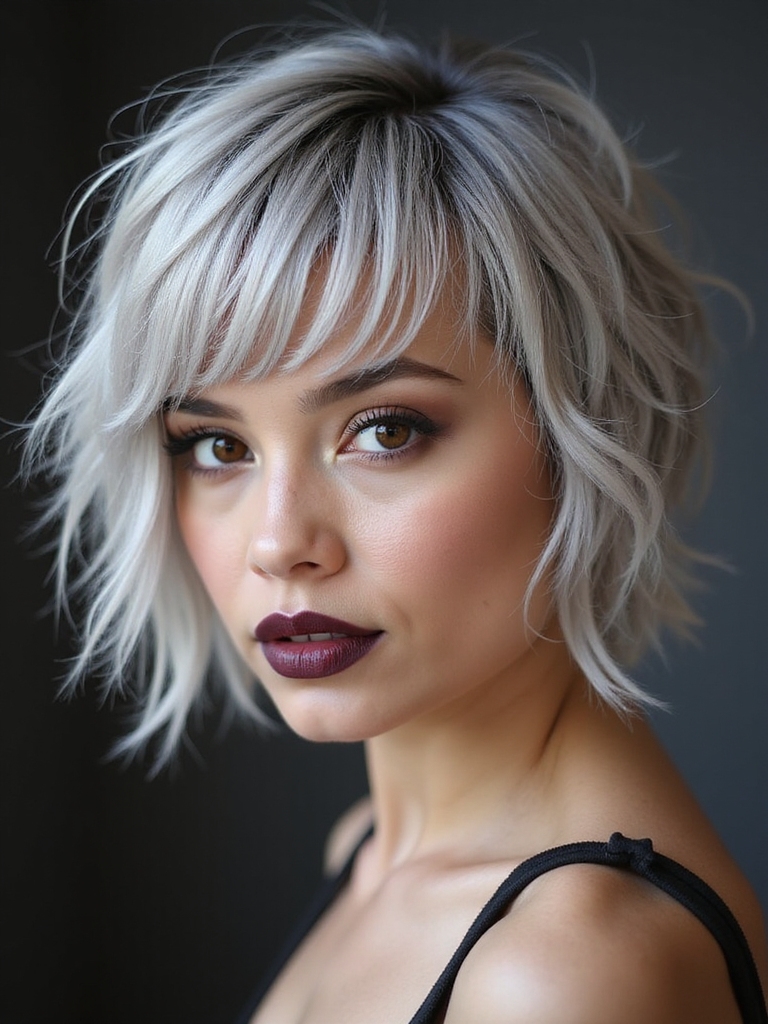
Micro bangs—a very short, baby fringe cut high on the forehead—are the boldest, edgiest bang trend, and textured rather than blunt, they read modern and cool. They’re a real statement, the fringe for someone who wants to stand out.
Are Micro Bangs Right for You?
Micro bangs are high-commitment: they need frequent trims and they’re not for everyone, since they fully expose the forehead. But on the right person with the confidence to wear them, nothing is more striking.
They suit oval and heart faces best, and a textured, piecey cut keeps them from looking too severe. In winter, they’re the one fringe a hat can’t flatten, since they’re too short to crush.
Long Fringe Blended Into Layers
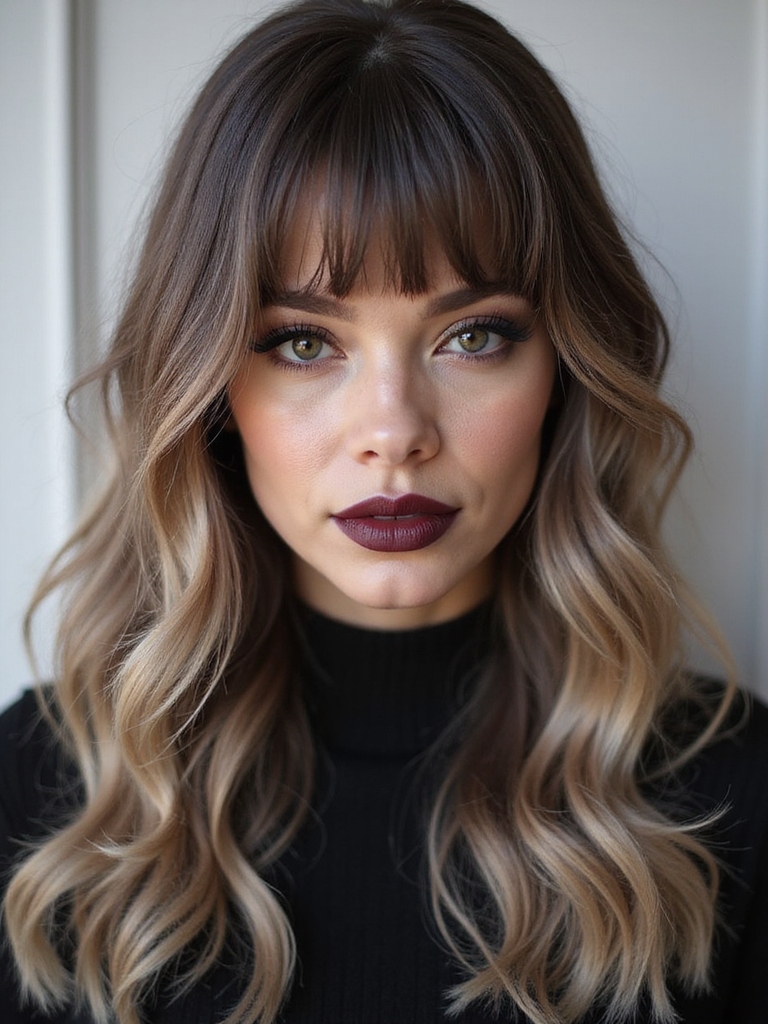
A long fringe blended into your layers is the grown-up, low-maintenance bang—longer than a classic fringe and melted into your face-framing layers, so there’s no hard line and no awkward grow-out. It’s barely a bang, more a soft frame.
This is the fringe for anyone who loves the face-framing of bangs but hates the upkeep. It blends as it grows, needs trimming only occasionally, and styles with a round brush in seconds. It suits every face shape and is especially good on thick hair, which a blunt bang can overwhelm.
📋Your winter bang kit
- ✓Dry shampoo to refresh oily, flat bangs
- ✓A small round brush to re-set the shape
- ✓A heat protectant for daily styling
- ✓A drop of oil or a dryer sheet for static
Curtain-to-Long Bangs for Thick Hair
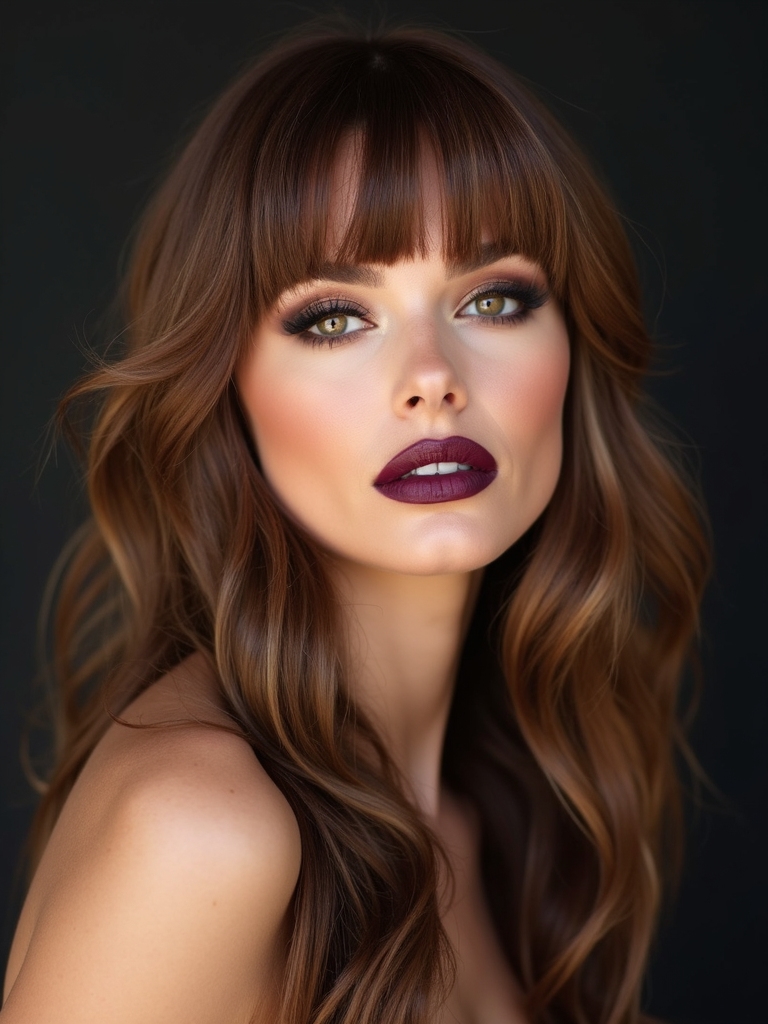
Thick hair needs a bang with length and movement, and curtain-to-long bangs deliver—curtain bangs cut a little longer and graduated into the length, so the thickness has somewhere to go and never sits as a heavy block. On thick hair this is the most flattering fringe, since it frames without overwhelming. It moves and sweeps where a blunt bang would sit flat and dense.
A texturizing trim through the bang keeps thick hair light. It’s the fringe I point thick-haired clients toward, because a blunt bang on thick hair can read like a helmet. The curtain bangs curly hair guide helps if your thick hair is also curly.
- Longer curtain bangs give thick hair’s weight somewhere to go.
- Frames the face without the helmet effect of a blunt bang.
- A texturizing trim keeps thick bangs light and moving.
Styling Bangs Under Hats and Beanies

The biggest winter bang problem is the hat, and the fix is simple: style your bangs before the hat goes on, not after. Round-brush them dry and set them, then when you pull on a beanie, your bangs sit out underneath, already shaped. The mistake is putting the hat over damp or unstyled bangs—they dry crushed and flat against your forehead.
A travel-size dry shampoo and a small round brush in your bag let you reset them anywhere, and if your bangs do get hat-flattened, a quick mist of water plus a round-brush blast brings them right back. The winter hairstyles for medium hair guide covers styling the rest to match.
- Style and set your bangs before the hat goes on, not after.
- Never trap damp bangs under a hat—they dry crushed.
- Water plus a round brush revives hat-flattened bangs.
Protecting Bangs From Static and Flatness
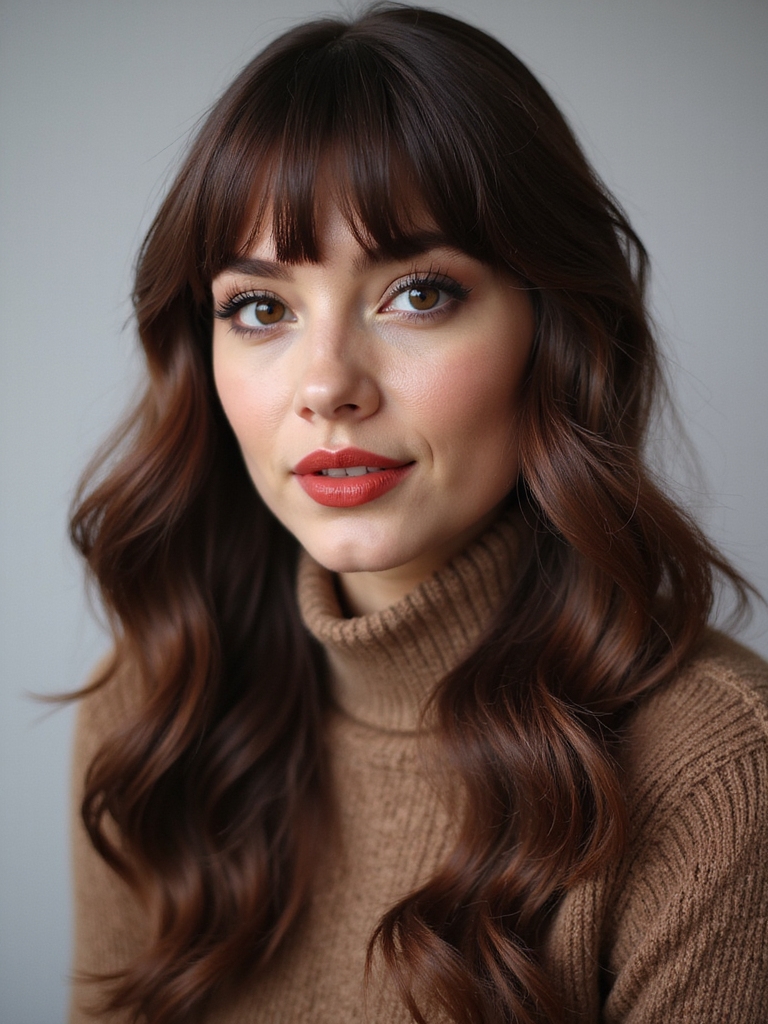
Bangs are the first place static shows in winter, since they sit right against your forehead and frame your face. Dry air charges them into a frizzy halo, and the fix is moisture: a tiny drop of oil smoothed over them, a dryer sheet run lightly across, or a hydrating cream keeps them sleek and static-free.
Flatness is the other enemy—bangs go limp and greasy as the day goes on, especially when you wash less in winter. A quick hit of dry shampoo at the roots of your bangs revives volume instantly. Treat your fringe like its own small project, separate from the rest of your hair, and it stays fresh.
Heat-Styling Tips to Avoid Winter Damage
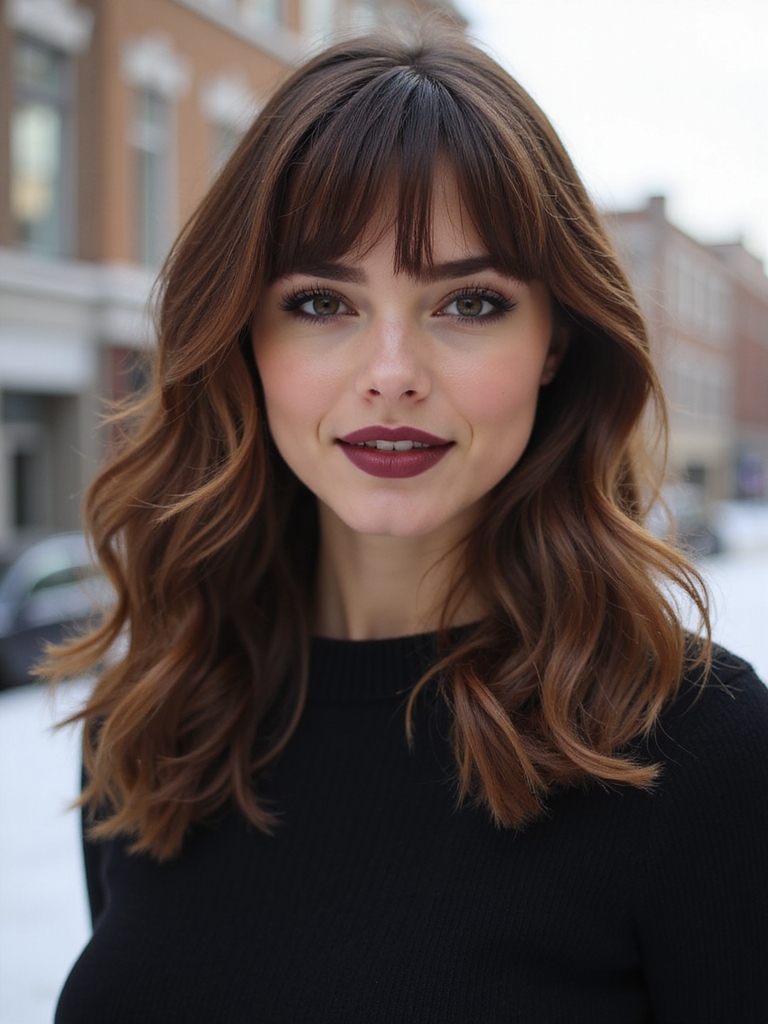
Bangs get styled with heat more than any other part of your hair—a daily round-brush or flat-iron—and in dry winter air that adds up to fried, broken fringe fast. The fix is a heat protectant, even on bangs, and lower heat than you think you need.
Bangs are fine, fragile, and right in your eyeline, so damage shows immediately. Mist a heat protectant before you round-brush, use the cool-shot button to set them, and give them a heat-free day when you can. Healthy bangs hold their shape far better than fried ones.
Quick Refresh Techniques for Oily or Flat Bangs
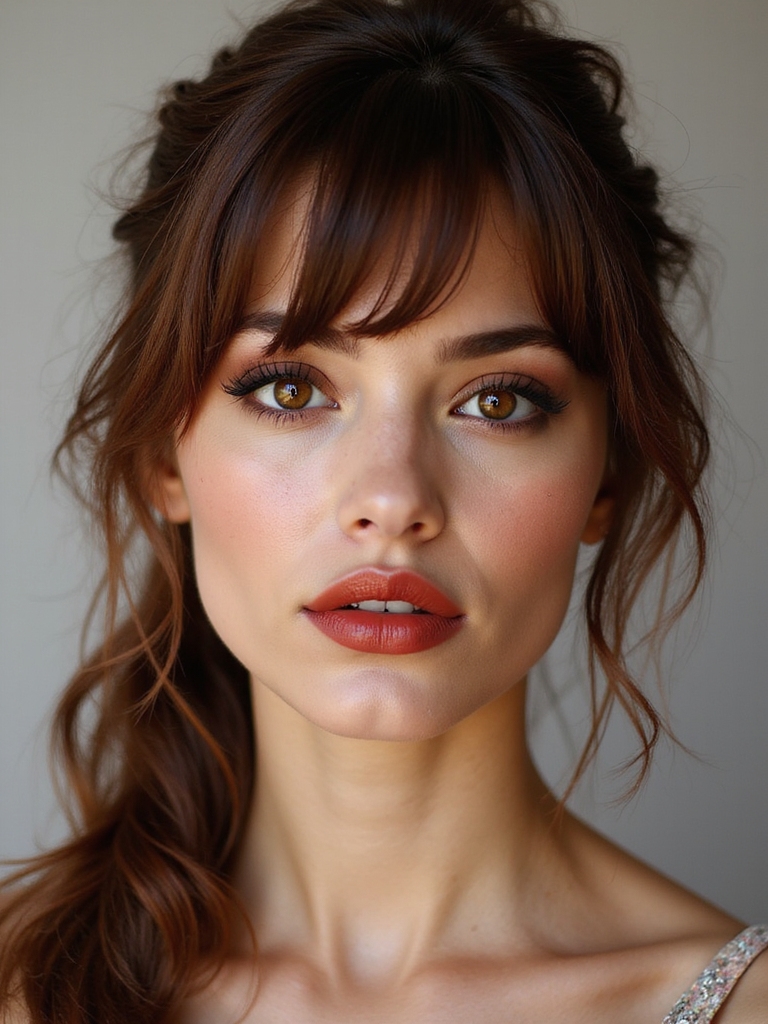
Bangs get oily and flat faster than the rest of your hair, because they touch your forehead all day—so the skill that saves winter bangs is refreshing them without washing your whole head. Dry shampoo at the roots soaks up oil and adds grip, a quick round-brush re-sets the shape, and a spritz of water revives a crushed bang in seconds.
Dry shampoo on your bangs alone lets you stretch a wash for your whole head while keeping your fringe fresh, which is exactly what you want in winter when over-washing dries everything out. Most people end up washing their bangs every day or two and the rest of their hair far less. It’s the trick that makes bangs livable in the cold.
- Dry shampoo soaks up the oil bangs collect against your skin.
- A round brush re-sets a flat bang in seconds.
- Refresh your fringe alone so you can wash the rest less.
Color Tricks to Enhance Bangs in Low Light

Winter’s flat light dulls everything, and a small color trick on your bangs brightens your whole face. A few face-framing highlights worked into your fringe and the front pieces catch what little light there is and lift your complexion, where a flat, all-one-color bang can look heavy.
Money-piece highlights—brighter pieces right at the front and through the bangs—are the trendy version, and they’re low-maintenance since they sit only at the face. Even a gloss to add shine makes bangs look healthier in low light. It’s a small change with an outsized effect on how bright your face looks.
- Face-framing highlights in the bangs catch low winter light.
- Money-piece brightness lifts your complexion at the front.
- Even a gloss adds the shine that flat light steals.
When to Trim or Change Your Bangs for the Season

Bangs put on about half an inch a month, so holding their shape means a trim every three to four weeks, and winter is the ideal time to keep that rhythm, since a hat covers any awkward in-between length. Most salons trim bangs free between cuts, so there’s no excuse to let them grow shaggy. I do more free bang trims in January than any other month.
Or Change Them Entirely
Winter is also a great time to change your bangs, precisely because a hat covers a grow-out or a regret. Want to try a fringe? Now’s the time. Want to grow your blunt bangs into curtain bangs? The hat hides the messy middle stage.
So whether you’re keeping your fringe sharp or transitioning it, lean into the season’s cover. Book your free bang trims, or take the leap on a new shape while the weather hides the awkward part.
Common Mistakes to Avoid
A few mistakes ruin winter bangs faster than the weather. The biggest is the wet-hat mistake—pulling a beanie over damp or unstyled bangs, which dries them crushed flat against your forehead with no fixing them until you re-wet and restyle.
Always set your bangs dry first. The second is over-washing, or worse, never refreshing: bangs need their own care rhythm, washed or dry-shampooed more often than the rest of your hair, or they go greasy and flat by midday.
The third is skipping heat protection on a part of your hair you heat-style daily—bangs fry and break fast in dry air without it.
And the last is choosing a bang that fights your face shape or your patience: a high-maintenance blunt or micro fringe will wear on you if you can’t get in for a trim every second week, while curtain or long blended bangs forgive almost everything. Match the fringe to your real life, and bangs become the easiest thing about winter hair.
Winter Bangs, Answered
?What bangs are best for winter?
Curtain bangs and a long blended fringe are the most winter-friendly—they grow out softly, forgive a flat day, and tuck under a hat easily. Blunt and micro bangs are bolder but need more trims and styling. Match the fringe to how much upkeep you’ll actually do.
?How do I stop my bangs from going flat or greasy in winter?
Dry shampoo at the roots of your bangs revives volume and soaks up oil, so you can refresh your fringe without washing your whole head. A quick round-brush re-sets the shape, and styling them before a hat goes on stops the crush in the first place.
?How often do bangs need trimming?
Every three to four weeks for most bangs, and every two to three for blunt or micro fringe. Most salons trim bangs free between full cuts, so there’s no reason to let them grow shaggy. Winter is a good time to keep the schedule, since hats hide a grow-out.
Let Your Bangs Do the Work
Bangs are the closest thing to a winter hair cheat code. They frame your face when a hat has flattened everything else, they make you look styled on a no-effort day, and the right shape suits you through every kind of cold weather. Choose the fringe that matches your face and your patience, learn to set it before the hat and refresh it through the day, and bangs become the part of your hair you never have to worry about.
So if you’ve been on the fence about bangs, let winter be the season you try them—the hats are hiding any grow-out anyway. Take a photo of the fringe you love to your stylist, ask what suits your face, and book it. By spring you’ll have bangs you’ve already learned to live with, and a face that looks framed and bright through the worst of the cold.
Next Up