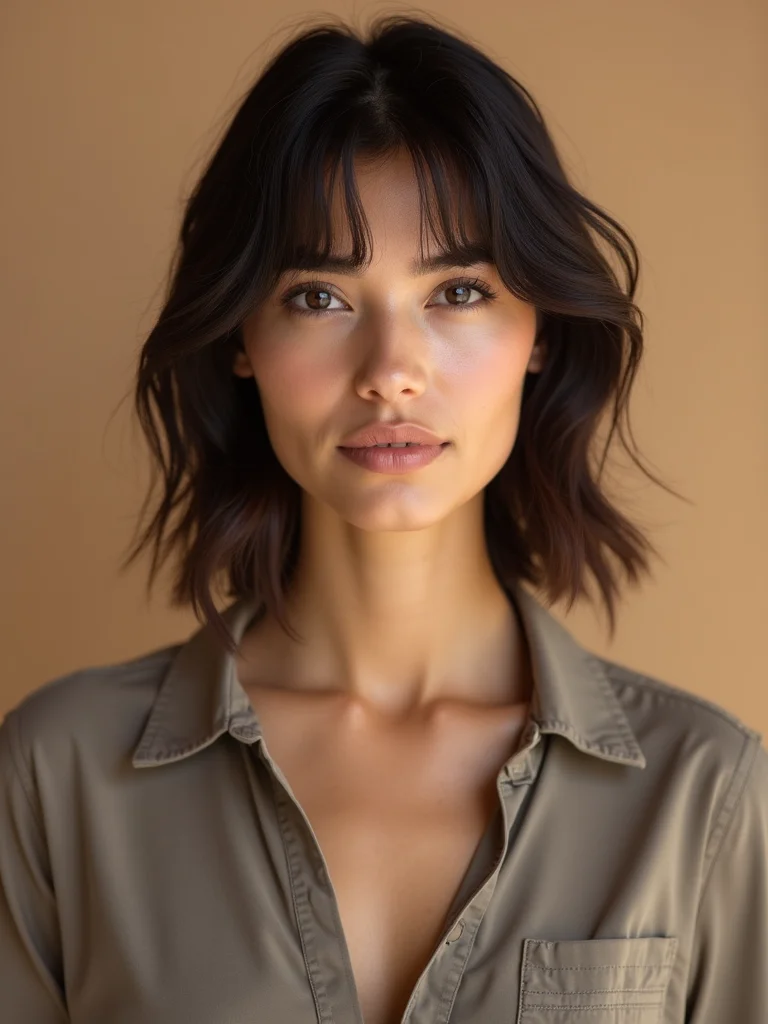
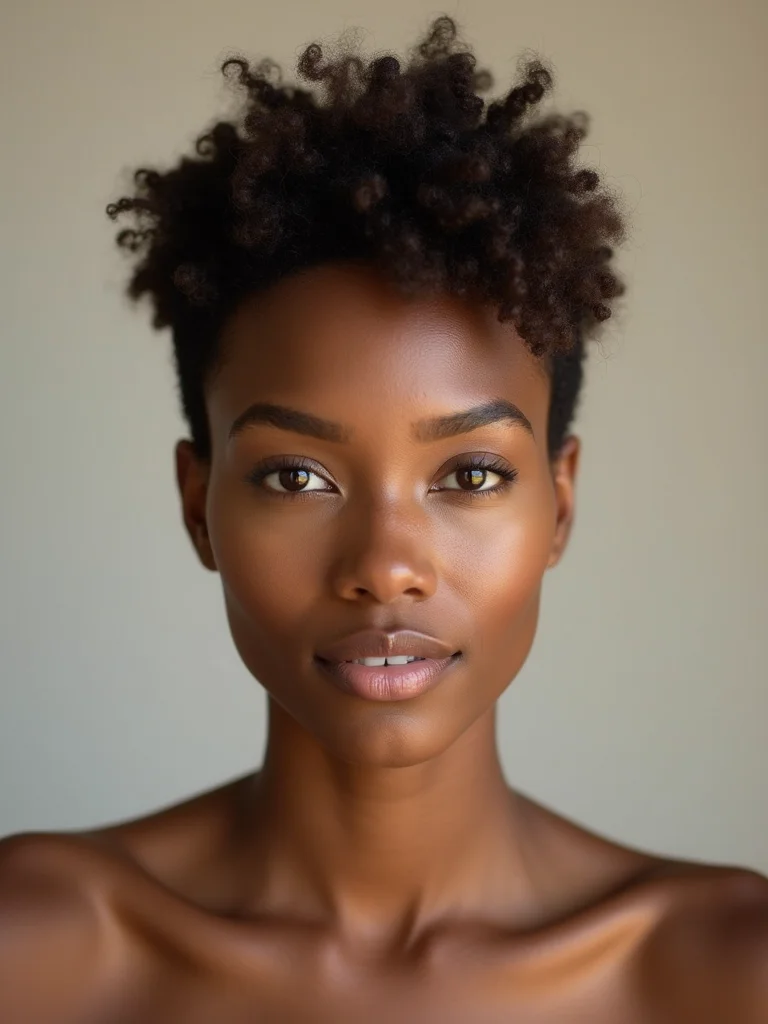
Ask five stylists why a bob works, and the answer keeps landing in the same place: it draws a clean line right at the jaw or collarbone, exactly where a face is already defined. What changes from one bob to the next is everything else, length, weight, texture, finish, and that’s where most of the real decision-making happens.
Fifteen versions follow, each with the exact language stylists use to describe it and who it tends to flatter most.
The Bob Decision, Boiled Down
- Length and weight do most of the flattering work; face shape decides the finer details.
- Fine hair leans blunt for density; thick hair leans layered to lose bulk.
- A curly bob has to be trimmed while the coils sit undisturbed in their own pattern, or the finished length runs short.
The Classic Chin-Length Bob

Picture a bob with no other detail attached, and most people land here: one clean line at the jaw. Stylists treat this length as the benchmark every other bob gets measured against, since it frames the face at its strongest point and pulls the eye toward the cheekbones.
The ask is simple: a one-length cut sitting at or just below the jawline. Oval and balanced faces wear it with no adjustments needed; rounder faces do best asking for it to graze slightly lower, so the line doesn’t add width right where the face is already widest.

The Sleek One-Length Bob

A sleek one-length bob skips layers entirely, so it falls as a single, glossy sheet that swings as one piece when it moves. The look comes across polished and deliberate, the kind of cut that photographs well from any angle.
Getting the Line Right
The exact request matters here: one uniform length, a blunt and sealed perimeter, no internal layering at all. It needs straight or straightened hair to hold that glossy line, and works hardest on medium-to-thick hair, where the extra weight gives it real swing.
Fine, thin hair can still wear it, but the same one-length cut does more of the density-faking work there than almost anywhere else on this list.
The Tousled Textured Lob

For anyone who finds a short bob cut intimidating, the tousled lob is the low-risk entry point. Sitting at the collarbone with soft, broken texture, it delivers most of a bob’s freshness without giving up the length needed to tie back on a rushed morning.
It’s about as universally wearable a cut as this list gets, flattering a wide range of face shapes and textures with almost no adjustment. A sea-salt spray and a rough dry cover the entire daily routine.
ℹ️Why This One Gets Recommended So Often
Stylists point to the lob as the safest recommendation for someone unsure about going short, since it can always be cut shorter later, but a true bob can’t grow back into a lob overnight.
The Blunt Cut Bob With Edge

A blunt bob is cut to one precise length with a sharp, sealed bottom edge, and that crisp line carries the entire look. It comes across bold and confident, and it’s the version most often recommended for fine hair, since none of the weight gets layered away.
The trade-off shows up fast: a blunt line reveals every uneven end, so it asks for tighter trims than almost anything else here. A basic reshape runs $40 to $70 at most salons, against effectively no cost for the do-nothing styling routine once it’s cut right.
- Ask for: one length, blunt and sealed at the perimeter
- Best for: fine or fine-to-medium hair that wants density
- Needs the tightest trim schedule on this list to stay sharp
The Soft Layered Bob for Movement

A soft layered bob works gentle layers through the length to add movement and remove weight, so the hair falls with shape. It’s the standard recommendation for thick hair that feels bulky in a blunt cut.
The same layering builds volume on flatter hair too, which makes this a flexible option rather than a single-purpose fix.
Fine hair can wear it, but the request needs to be specific: soft, blended layers, since heavy layering on fine strands can leave the ends looking sparse.
🅰️Blunt bob
Keeps every bit of weight for maximum density; asks for tighter trims to stay sharp.
🅱️Layered bob
Removes weight for movement; more forgiving on regrowth, less dramatic on fine hair.
The Angled A-Line Bob

An A-line bob keeps more length up front than at the back, so the front pieces angle down past the jaw. The angle itself does the slimming work: the longer front softens and lengthens the face while the shorter back adds a bit of lift.
Why the Angle Does the Work
It suits most face shapes, and stylists reach for it especially on round and square faces, where the downward line draws the eye into a slimming diagonal.
The shape is precise enough that it needs regular trims to hold the angle; left to grow out unchecked, the crisp line softens into something closer to a plain lob.
The Curly Bob With Defined Coils

A curly bob is built around the hair’s natural coils, shaped so they spring into a full, rounded silhouette. Layers give the curls room to move and frame the face with their own volume.
Curl pattern makes the rules on this one. The cut has to happen while the curls sit in their own shape, not pulled straight between fingers, because stretching a coil to trim it hides exactly how much length disappears once it springs back. Skip that step and the result comes out shorter and lopsided.
- Ask specifically for a specialist who works curl by curl, undisturbed
- Curl cream plus a diffuser defines the shape day to day
- A silk pillowcase protects the shape overnight between wash days
The Wavy Beach Bob

A wavy beach bob trades sharp lines for soft, undone movement, the kind that looks like a day spent outdoors. The wave itself adds body, which is why stylists favor this cut for fine or medium hair that needs a little extra life.
- A wand or texturizing spray builds the wave if it isn’t already natural
- Grows out with no hard line to track, unlike a blunt cut
- The messier the finish, the more the style is actually working
The Inverted Bob for Volume

An inverted bob is cut shorter at the back with graduated, stacked layers that build height, balanced by longer pieces framing the front. Hair with no natural lift gets that height engineered directly into the shape, rather than relying on styling to fake it.
- Best for: flat or fine hair that wants built-in volume at the crown
- The stacked back does most of the lifting; a quick blow-dry finishes it
- Grows out faster than a blunt line, so the graduation needs regular upkeep
The French Girl Bob With Fringe

The French-girl bob trades precision for relaxed, undone charm: a soft, jaw-skimming cut worn with a light fringe and very little fuss. It looks chic without looking styled, which is exactly the point.
The Appeal of Imperfection
Its softness flatters a wide range of faces, and the fringe pulls the eye up toward the eyes and brows. Styling leans on a rough dry and fingers. The flat iron mostly stays in the drawer.
Anyone drawn to the idea of a fringe but wary of a high-maintenance one tends to land here first.
The Side-Part Bob for Face Framing

Nothing about a side part requires scissors, yet it changes more about a bob’s face-framing than almost any other single adjustment. It sends the hair sweeping across the forehead on a diagonal, adding a little root volume and framing the face without a single cut.
That diagonal line is especially flattering on round and square faces, where it breaks up width and pulls the eye across on an angle.
It’s a free experiment before booking anything more permanent; moving the part alone shows most of the effect.
A quick starting point by what matters most:
🎯Lowest effort
A collarbone lob or a wash-and-go bob, cut to natural texture so it air-dries into shape.
🎯Most dramatic change
A blunt chin bob or a sharp A-line, cut with real commitment to the line.
🎯Most face-framing without a cut
A deep side part on the bob already in the chair.
The Stacked Bob for Lift at the Back
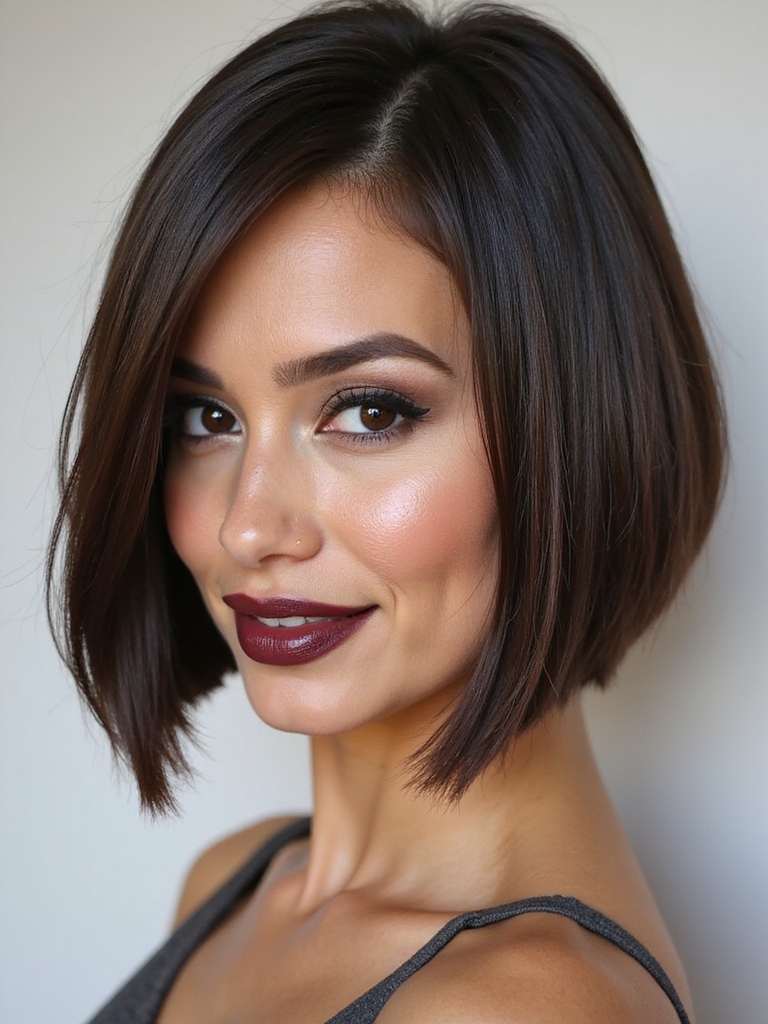
A stacked bob layers the back into a rounded, lifted shape while keeping the sides an even length. Where an inverted bob plays a dramatic short back against long front pieces, this version stays softer and more rounded all around, with no sharp front angle.
It suits hair that sits flat at the crown especially well, and it photographs cleanly from behind. Like any graduated shape, it depends on regular trims to keep the roundness from blurring as it grows out.
- Best for: flat hair that wants soft, rounded volume
- Ask for: layered, rounded graduation at the back, even length at the sides
- Needs consistent trims to hold the curve
The Collarbone-Grazing Lob

The collarbone lob is the longest, most versatile member of the whole bob family, sitting exactly where it can be tucked, tied back, or worn down without a fight. It’s the natural starting point for anyone unsure about going short, since it delivers a bob’s fresh feel with a built-in safety net of length.
- Forgiving as it grows out, with no awkward in-between stage
- A few soft layers plus a texturizing product keep it light
- Long enough to gather into a low ponytail on demand
The Bob With Curtain Bangs

Adding curtain bangs to a bob is one of the simplest ways to soften and frame the face. They part near the middle and sweep open to either side, melting into the length so the fringe reads as part of the cut.
They flatter a wide range of face shapes and grow out into face-framing pieces with no real awkward phase, which is why they’re the fringe most often suggested to someone trying bangs for the first time.
- Ask for: curtain bangs blended into the front length
- Sweep each side back over a round brush for the classic open shape
- Grows out gracefully; almost no maintenance penalty versus a bob without bangs
| Fringe type | Forehead coverage | Grow-out |
|---|---|---|
| Curtain bangs | Light | Blends in gradually |
| Blunt full fringe | Heavy | Needs its own trim schedule |
The Low-Maintenance Wash-and-Go Bob

Not every bob needs a flat iron and twenty minutes of effort. A wash-and-go bob is cut and shaped specifically to fall into place on its own, so washing it, adding a little product, and air-drying is the entire routine.
Why the Ask Matters More Than the Length
The real work happens in the cut, not the styling. A stylist shapes it to the hair’s natural texture, straight, wavy, or curly, so it dries the way it’s actually meant to fall.
Naming the goal upfront changes the outcome: telling a stylist the priority is wash-and-go gets a noticeably different cut than asking for a bob and leaving styling as an afterthought.
What Upkeep Actually Looks Like
Across every version above, upkeep splits into two separate costs: the trim schedule and the daily styling time. A blunt or stacked bob asks more of the first; a lob or wash-and-go bob asks almost nothing of either.
Most pros map the decision the same way: a few dollars of product and five minutes a day is the trade for a low-maintenance shape, while a sharper, more structured bob trades that convenience for a more dramatic line.
- Sharpest lines (blunt, A-line, stacked): tightest trim schedule
- Softest shapes (lob, wash-and-go, wavy): least daily styling
- Curly and textured bobs: upkeep is about the cut being right from the start
What Stylists Get Asked Most About Bobs
?Is there one bob length that suits the most face shapes?
The collarbone lob comes closest. Its extra length forgives more face-shape mismatches than a shorter, more structured bob would, since there’s enough hair to adjust the part or add a soft layer without changing the whole shape.
?Can a bob be tried without fully committing to short hair?
Yes. A lob or a soft layered bob at shoulder length is close enough to test the idea, and both still gather into a small ponytail if the change feels like too much on day one.
?What’s the one detail that changes a bob request the most?
Naming the priority out loud. “A bob that’s easy to style” and “a bob that looks sharp for two weeks after a cut” point a stylist toward two different shapes, even if the length ends up nearly the same.
Fifteen Bobs, One Real Decision
Underneath the length and the layers of any bob haircut, the actual decision is always the same: how much of the routine goes toward the trim schedule versus how much goes toward daily styling time, and which trade-off actually fits a real week.
Anyone torn between two versions is generally better off trying the softer, more forgiving one first; it’s easier to sharpen up later than to grow out a cut that turned out to be too much commitment too soon.
More to Explore