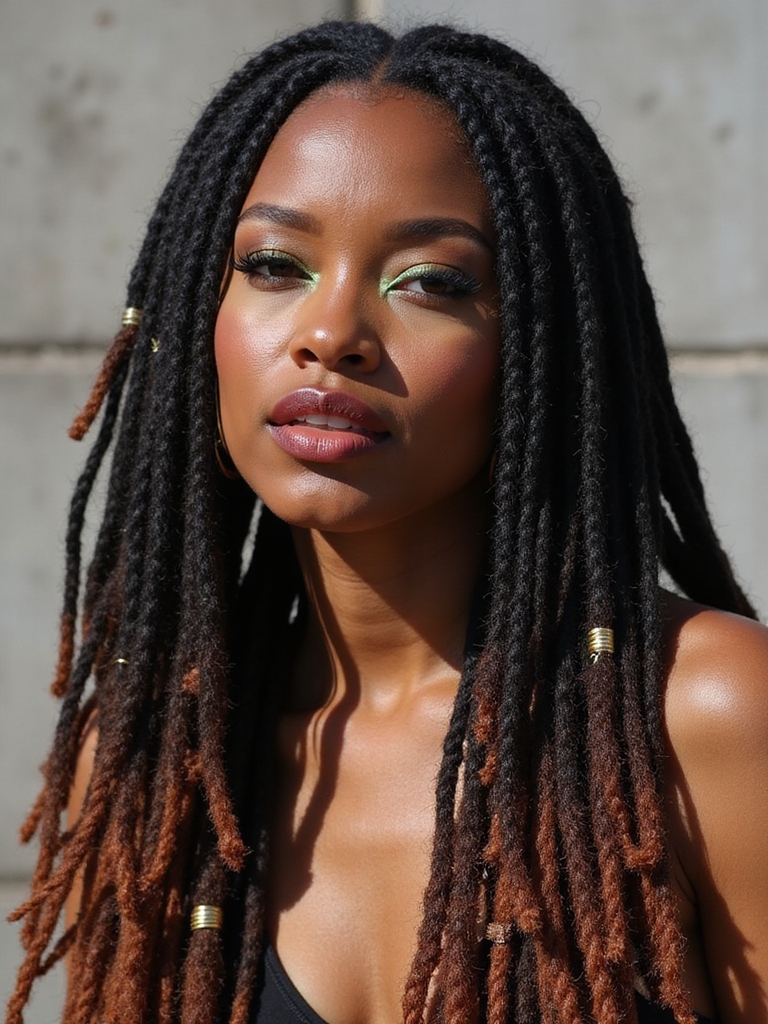
Most people assume a protective style means a costly trip to the salon and a bag of human-hair extensions. Brazilian wool hairstyles turn that assumption on its head: the hair is soft acrylic yarn, it costs a fraction of the price, and it comes in colors human hair never will.
Worn for generations across West Africa, Brazil, and the diaspora, wool styles are affordable, lightweight, and open to real creativity. Here is how Brazilian wool works, twenty-one ways to wear it, and how to keep your own hair and scalp healthy underneath.
Brazilian Wool, the Quick Version
- Brazilian wool is soft acrylic yarn braided or twisted into the hair, a low-cost alternative to human-hair extensions.
- It comes in any color and protects your ends like other protective styles, with deep roots in African and diaspora culture.
- Seal the yarn ends with a quick dip in hot water so they do not unravel, and keep the install gentle at your edges.
- Moisturize the scalp underneath, since wool can be drying, and take the style down on time, around four to six weeks.
- It is about the most affordable protective style there is, and most versions can be done at home.
What Brazilian Wool Hair Actually Is
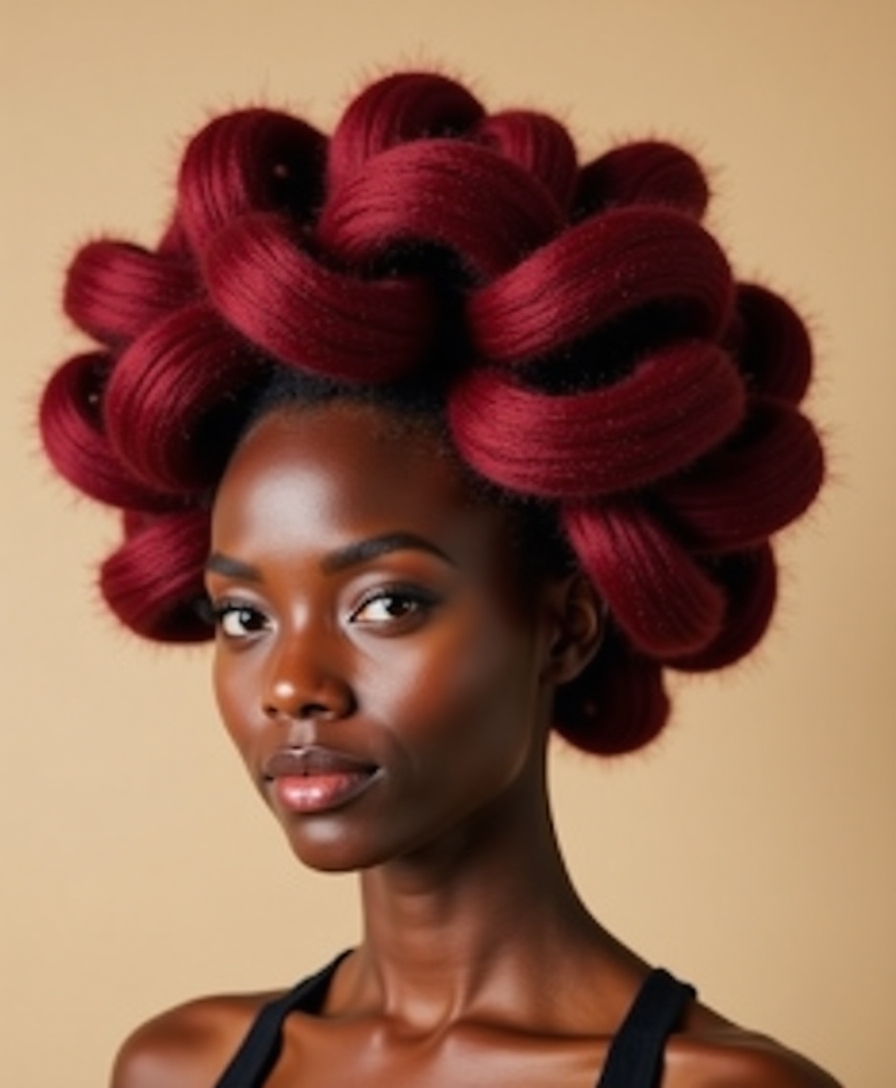
Brazilian wool is not hair at all, but soft acrylic knitting yarn, braided straight into your sectioned hair or crocheted onto cornrows, the way you would use extensions. It’s a common request from anyone chasing something bold and full without a bold price tag:
- A skein of yarn costs a fraction of a pack of human hair
- It is feather-light, so it does not strain your roots
- It holds curls, twists, and braids that synthetic hair cannot

The History Behind the Style
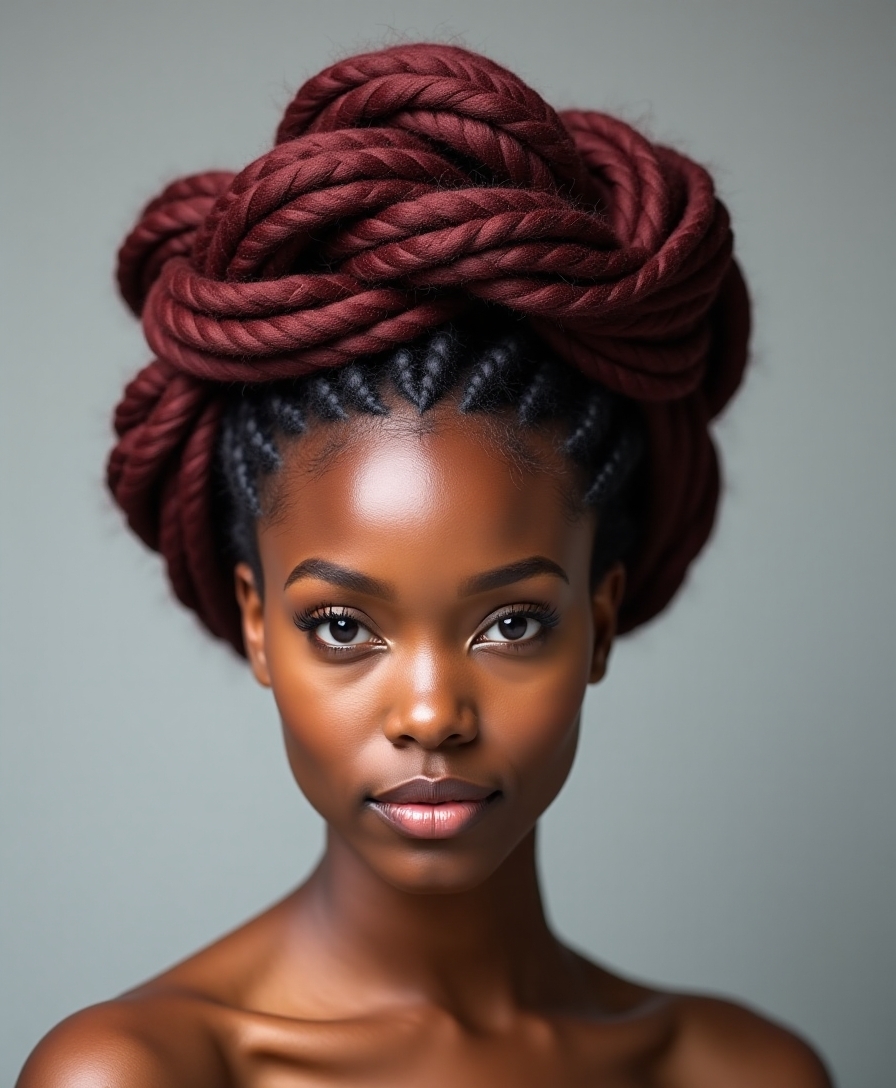
Wool braiding has deep roots in West Africa, where in countries like Nigeria and Ghana yarn long served as a cheaper, longer-lasting alternative to thread and hair for elaborate braided styles. Carried across the Atlantic, it became widely worn in Brazil, the country its common English name now points to. It belongs to the wider family of protective styles:
- Long used across West Africa as an affordable braiding material
- Adopted widely in Brazil and the diaspora, giving it its common name
- Valued for letting anyone wear bold, protective styles on a budget
Watch the Tension at Your Edges
Acrylic yarn can be drying against the scalp and a little rough if installed too tight. Keep the braids snug rather than painful, moisturize your scalp through the weeks, and give your edges a rest between installs.
Choosing the Right Wool

Not all yarn is equal. Acrylic wool made for hair is softer and less itchy than craft yarn, and it is the kind to look for. The craft-yarn shortcut is the mistake I see most: it itches within a day, and the client blames the style instead of the cheap fiber.
Color and thickness are your main choices. Thicker yarn builds fuller styles fast, while thinner yarn gives finer, more detailed braids.
- Choose soft acrylic hair yarn, not rough craft yarn
- Thicker yarn for full, fast styles; thinner for detail
- Buy a little extra so you do not run short mid-install
Bold, Colorful Wool Styles
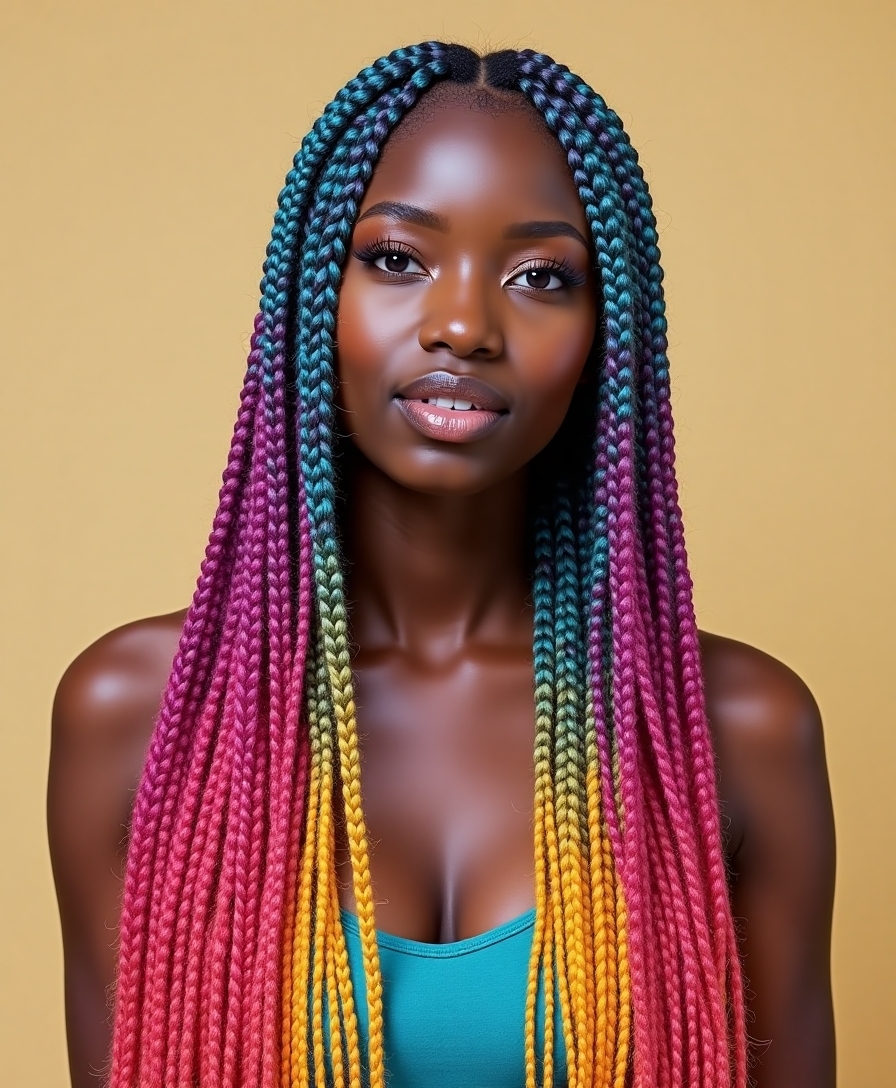
This is where wool shines. Because it is dyed yarn, it comes in every color imaginable, from deep burgundy to bright blue, with no bleaching or dye touching your real hair.
You can go a single bold shade, blend two tones, or weave in a pop of color through natural braids, all with zero real commitment to the shade:
- Any color you like, with no dye on your own hair
- Blend two shades for an ombre or marled effect
- Comes out again in weeks, whenever a different shade sounds better
Two things people get wrong about wool hair:
❌ Myth: Wool is only for long, dramatic styles
✅ Reality: Not at all. A short wool bob or cropped twists use a fraction of the yarn and suit anyone who wants the look without the length.
❌ Myth: Wool feels heavy and hot
✅ Reality: The opposite. Acrylic yarn weighs far less than human-hair extensions, so even a long, full set sits surprisingly easy on your head.
Natural-Tone Wool
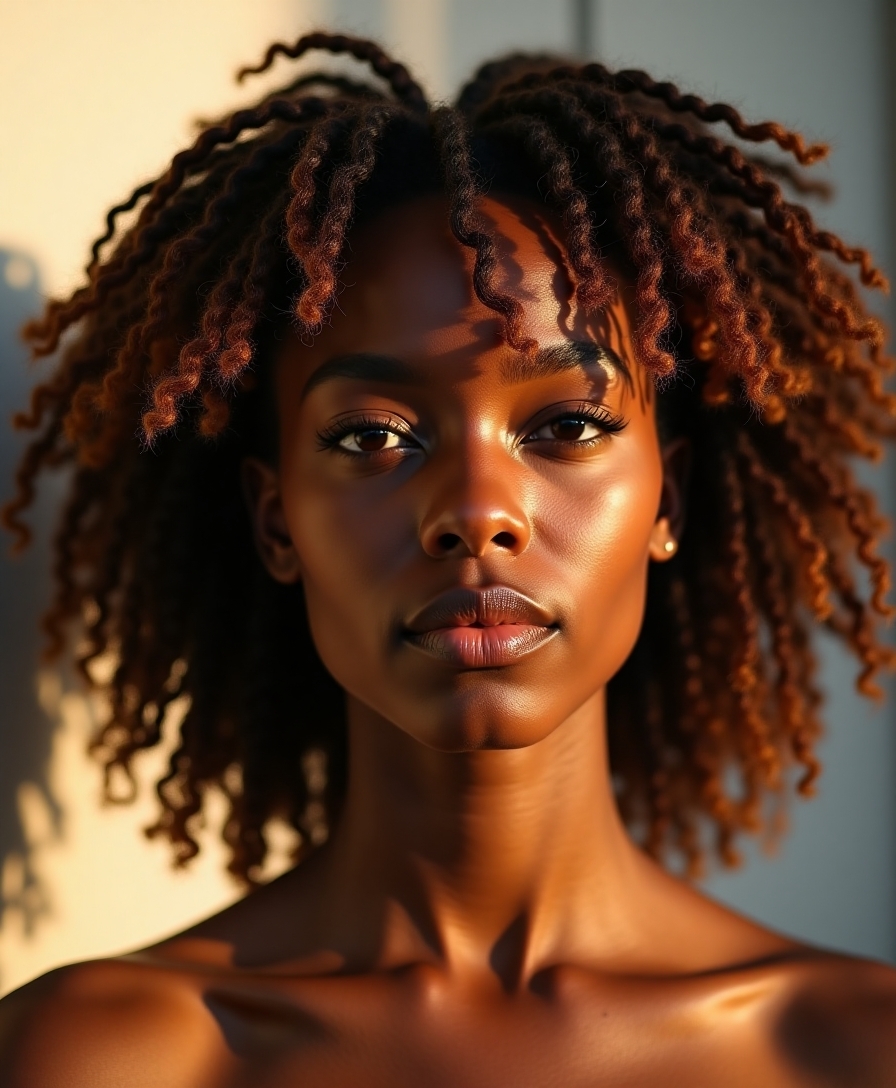
If bright is not your thing, natural-tone wool in black, brown, and auburn reads like classic braids or twists, just softer and cheaper. It is the everyday, goes-with-everything option.
These shades blend smoothly with your own hair, so the style looks like an extension of you rather than a statement:
- Black, brown, and auburn for an everyday look
- Blends smoothly with your natural color
- Office- and occasion-friendly without trying hard
Brazilian Wool Braids
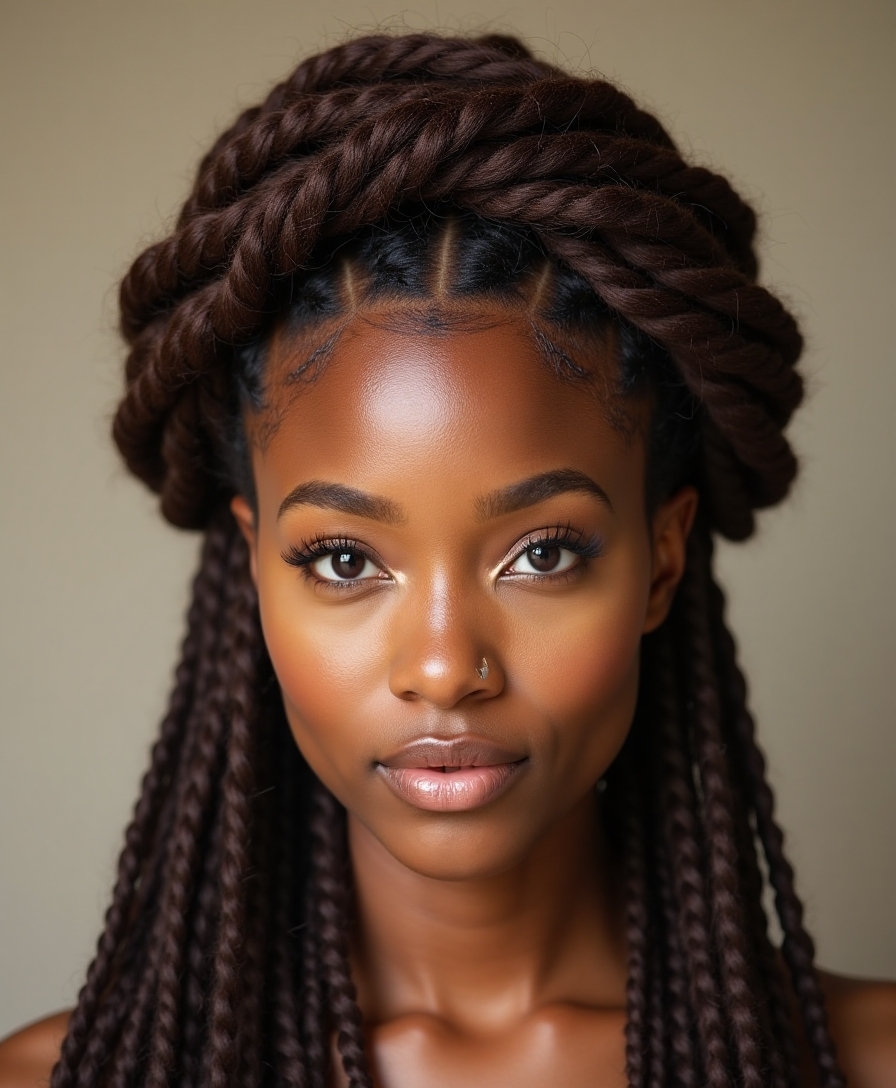
Wool braids are the classic starting point: your hair braided together with yarn for length, fullness, and protection in one step. They can be thick and bold or fine and neat, much like traditional braids.
Because the yarn weighs so little, even waist-length braids stay comfortable all day, and they hold their shape far longer than braids of your own hair alone.
👍Why people love wool
- +Far cheaper than human-hair extensions
- +Any color, with no dye on your own hair
- +Light, so it does not strain your roots
👎What to weigh
- –Can dry the scalp without regular moisture
- –Should be spot-cleaned, not soaked
- –A tight install still risks your edges
Brazilian Wool Twists
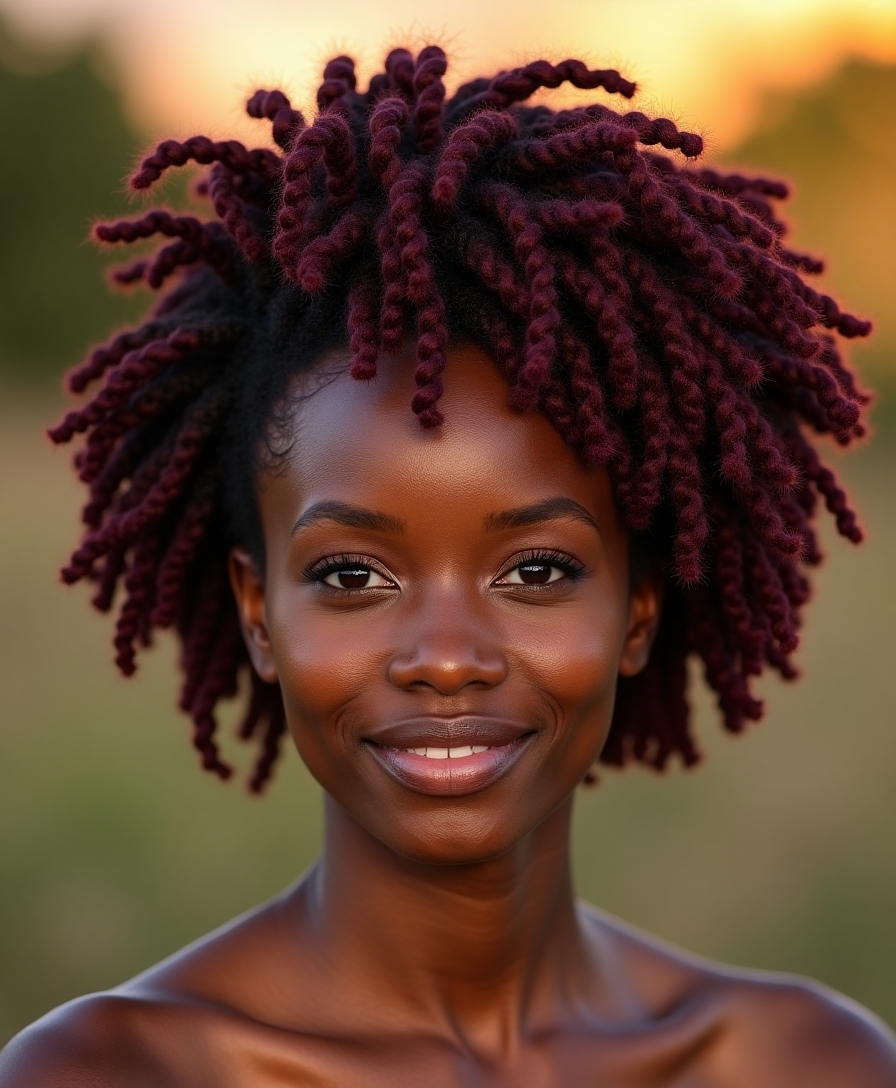
Prefer a softer texture? Wool twists trade the three strands of a braid for two, giving a rounder, springier finish that suits a relaxed look. They sit alongside other twists in the protective-style family.
Two-strand wool twists are quicker to install and gentler to take down than braids, which makes them a good first wool style.
A little gel smooths the twist ends, and the style lasts for weeks with simple care.
Wool Extensions for Length
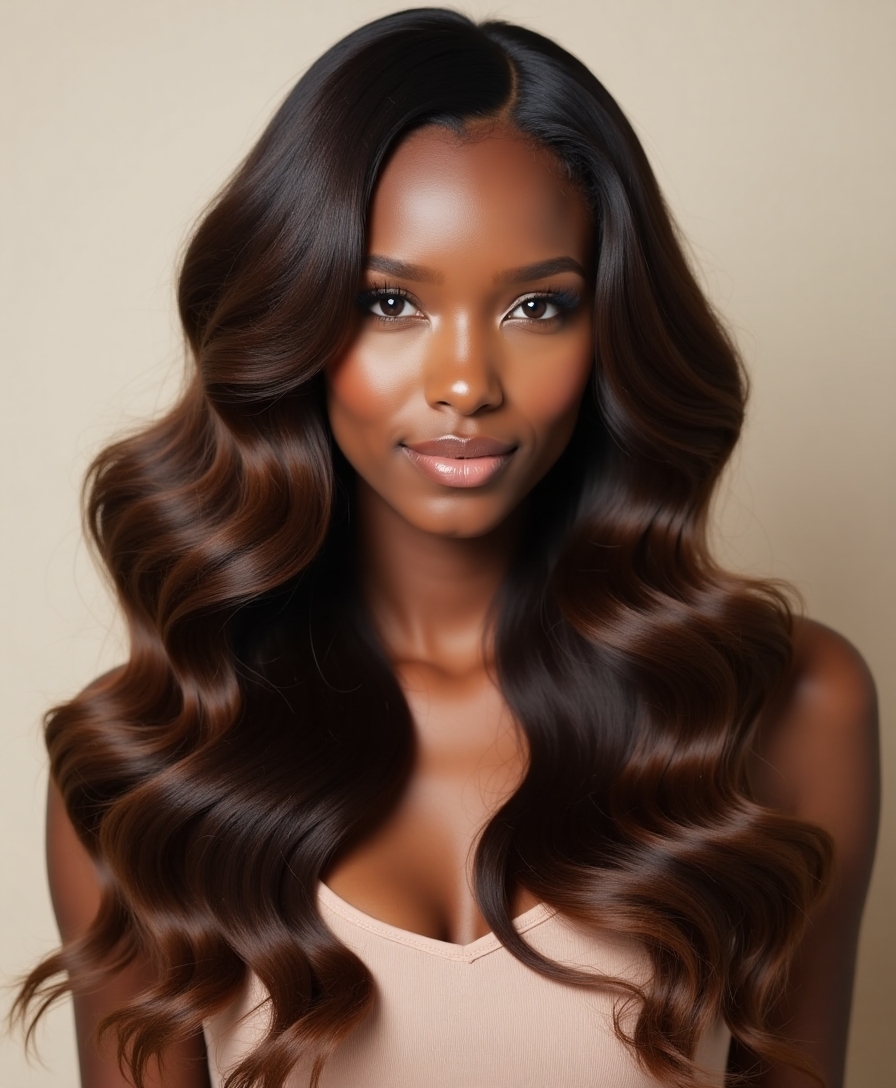
Want dramatic length without the cost of human hair? Wool extensions add as much length as you like, since yarn comes by the yard and weighs almost nothing.
This is how people achieve floor-skimming braids and full, sweeping styles that would be heavy and expensive in human hair. The wool carries the length while your own hair stays tucked and protected.
Keep the install gentle at the roots, because even light yarn adds up in volume, and you want the weight spread evenly.
💡Sealing the Ends Properly
Seal every yarn end with a quick dip in just-boiled water, then let it cool, before you wear the style out. It melts the acrylic tips just enough to stop them from unraveling, so your braids and twists stay neat for the full install.
Chic Short Wool Styles

Wool is not only for long looks. Short wool styles, like a cropped twist-out or a chin-length bob, are quick, light, and full of personality, and they use noticeably less yarn than a full-length set:
- A short wool bob for a bold, low-maintenance look
- Cropped twists for shape without the length
- Far less yarn and time than a full long style
Building Volume With Wool
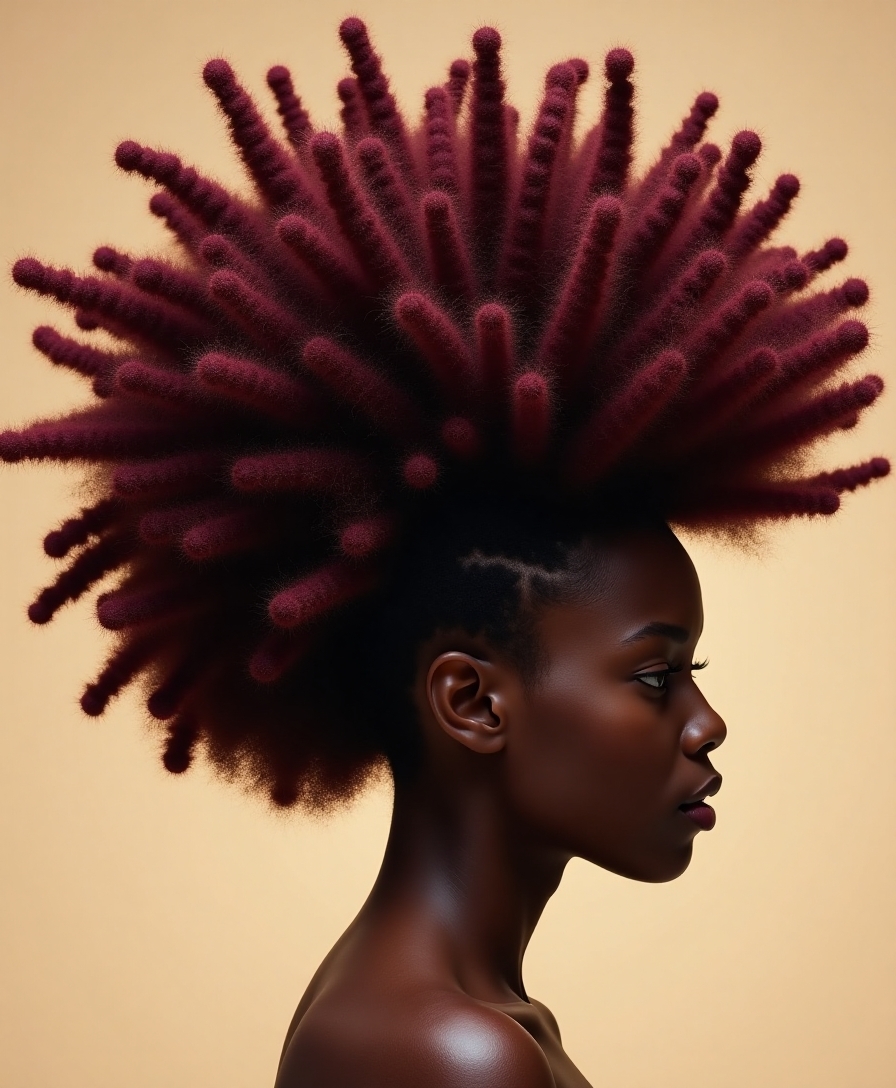
For anyone whose own hair is fine or thin, wool adds instant volume that your hair cannot manage alone. A little yarn woven through the base fills out braids and twists into something full and lush.
It is a favorite trick for fine-haired wearers who want the fullness of thick natural hair without the wait:
- Weave yarn through the base for instant fullness
- Builds the look of thick hair on a fine head
- Never heavy, even built up full and thick
Blending Wool With Your Natural Hair
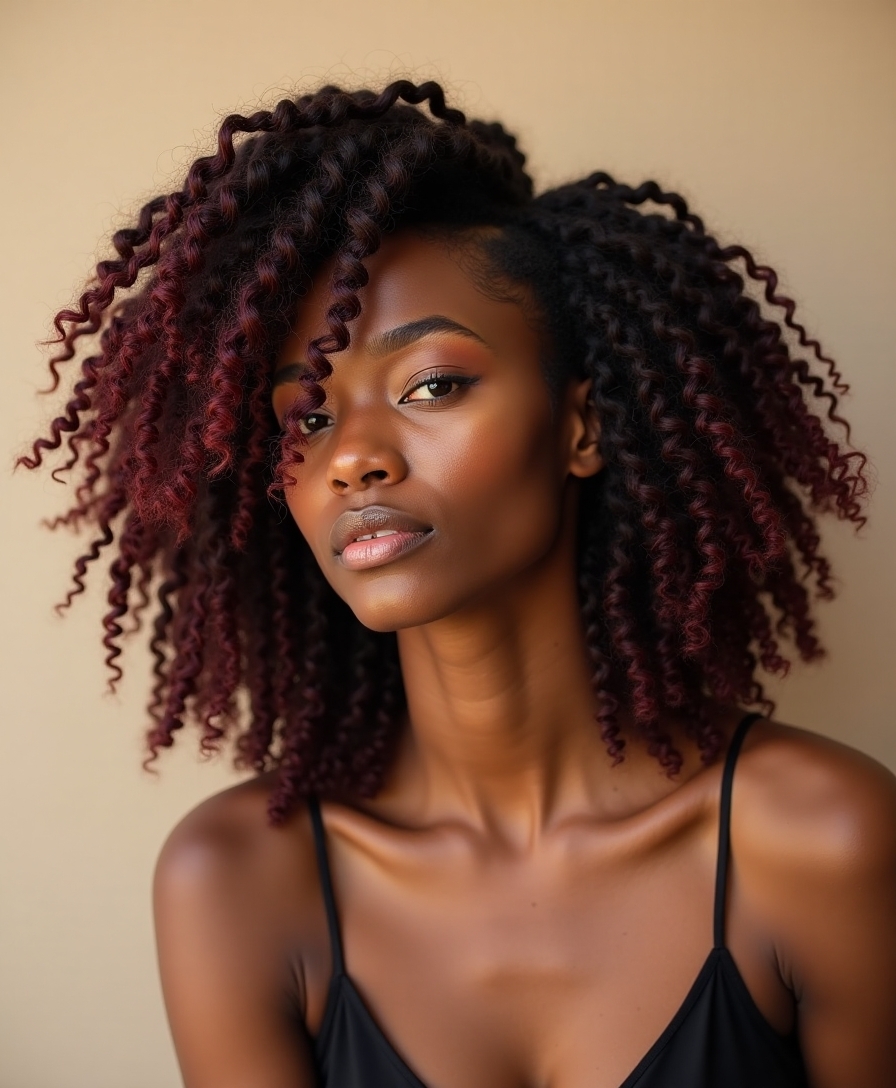
You do not have to cover every strand. Blending wool with your own hair lets your natural texture show at the roots or through a section, for a look that is part you, part yarn.
This works beautifully on natural and coily hair, where the wool picks up the texture and the two read as one. Match the wool color to your hair, or contrast it on purpose for effect.
The Wool Updo
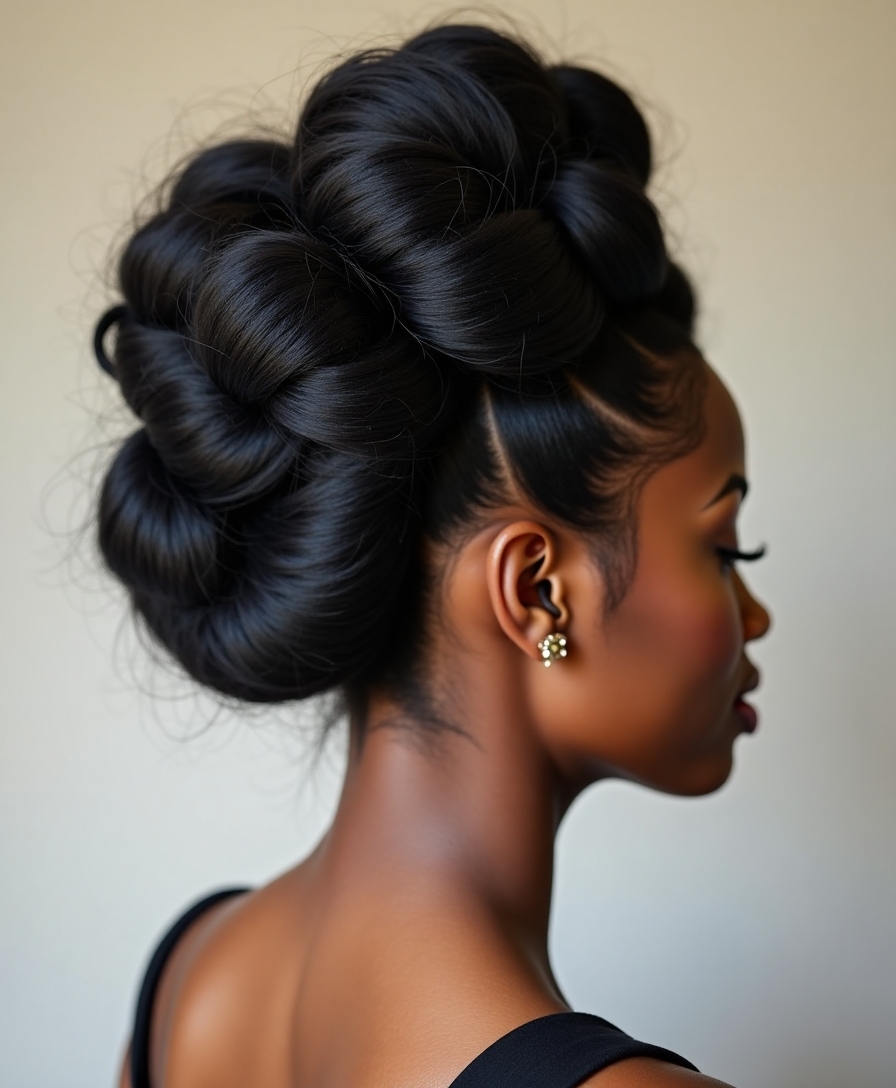
Once your wool braids or twists are in, they gather into an updo as easily as any other style, and the low weight makes big, sculptural shapes easy to hold:
- Gather long wool braids into a high bun or crown
- The light yarn holds shape without dragging or sagging
- Pin and go; wool updos stay put through a long day
Caring for Wool While It Is In

Wool needs slightly different care than human hair, mostly because it does not like to get soaked. Spot-clean the scalp rather than fully washing, and the style stays fresh for weeks:
- Clean the scalp with diluted shampoo on a cloth, not a full soak
- Moisturize the scalp underneath, since yarn can dry it out
- Wrap in a satin scarf at night to stop frizz and fuzz
Accessorizing Brazilian Wool
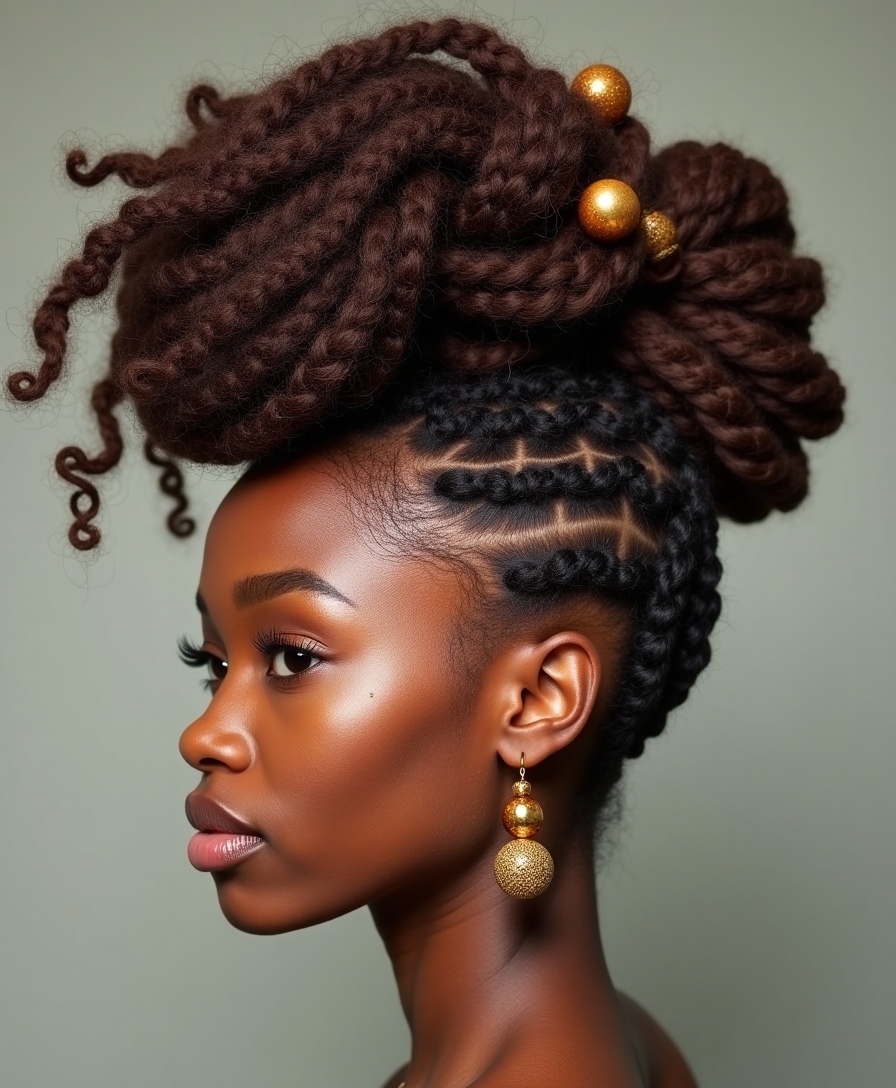
Wool styles take accessories beautifully. Cuffs, beads, and thread wraps slide onto yarn braids as easily as onto hair, and they add a personal, finished touch.
Small additions, big personality
Because the yarn is soft and grippy, beads and cuffs actually stay put better than they do on slippery human hair.
Add a few at the ends or scatter them through the length, and a simple wool style turns into something that looks like yours alone.
Creative Wool Patterns
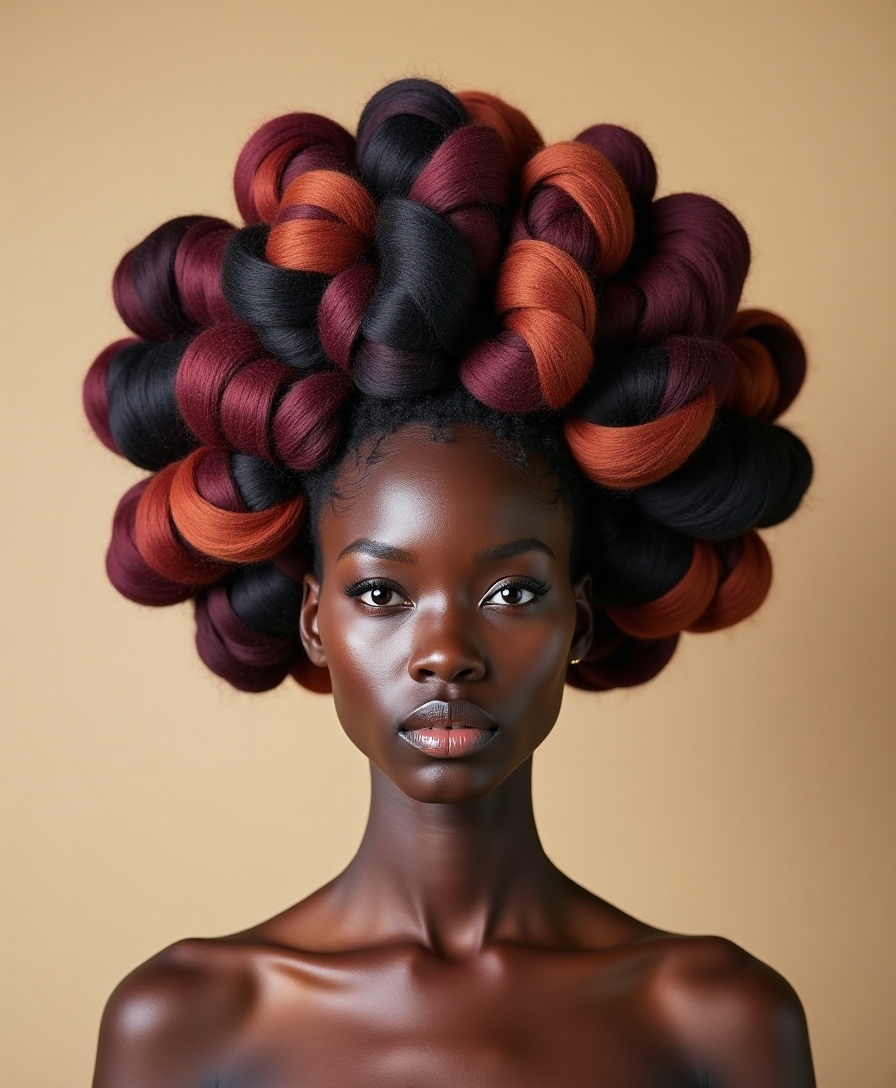
For the adventurous, wool is a canvas. Patterned parts, geometric sections, and woven color blocks are all easier in yarn than in hair, because the wool holds a crisp line.
This is where wool styling becomes real artistry, and where heritage braiding techniques meet personal creativity:
- Geometric or curved parts that hold a crisp line
- Color-blocked sections for a graphic effect
- Woven patterns that show off braiding skill
Keeping Your Scalp Healthy
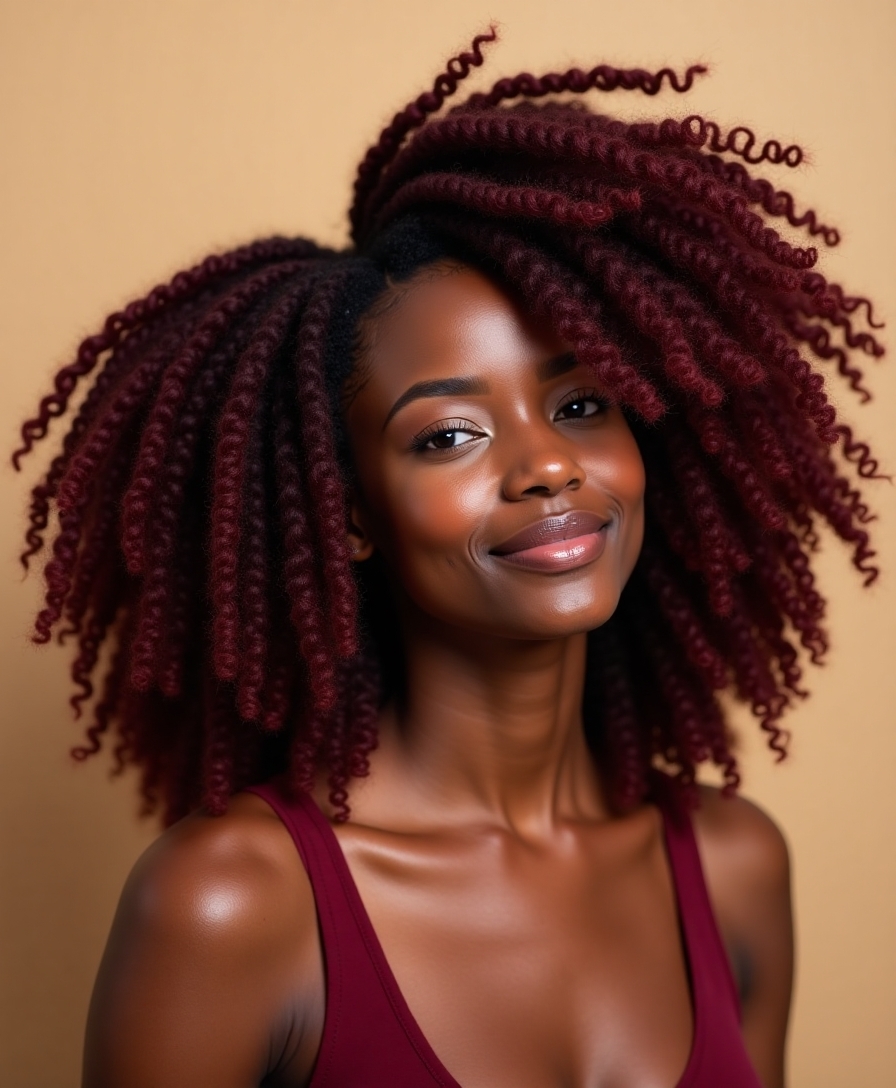
The hair underneath is what matters most. In my chair, the clients whose wool styles come down healthiest are always the ones who kept the scalp moisturized. A healthy scalp keeps the style comfortable and protects your own hair, and it takes only a little routine.
Moisturize with a light oil or spray a couple of times a week, never let the install stay damp, and take it down on time. Yarn left in too long can tangle with new growth and dry the scalp.
Springy Wool Curls
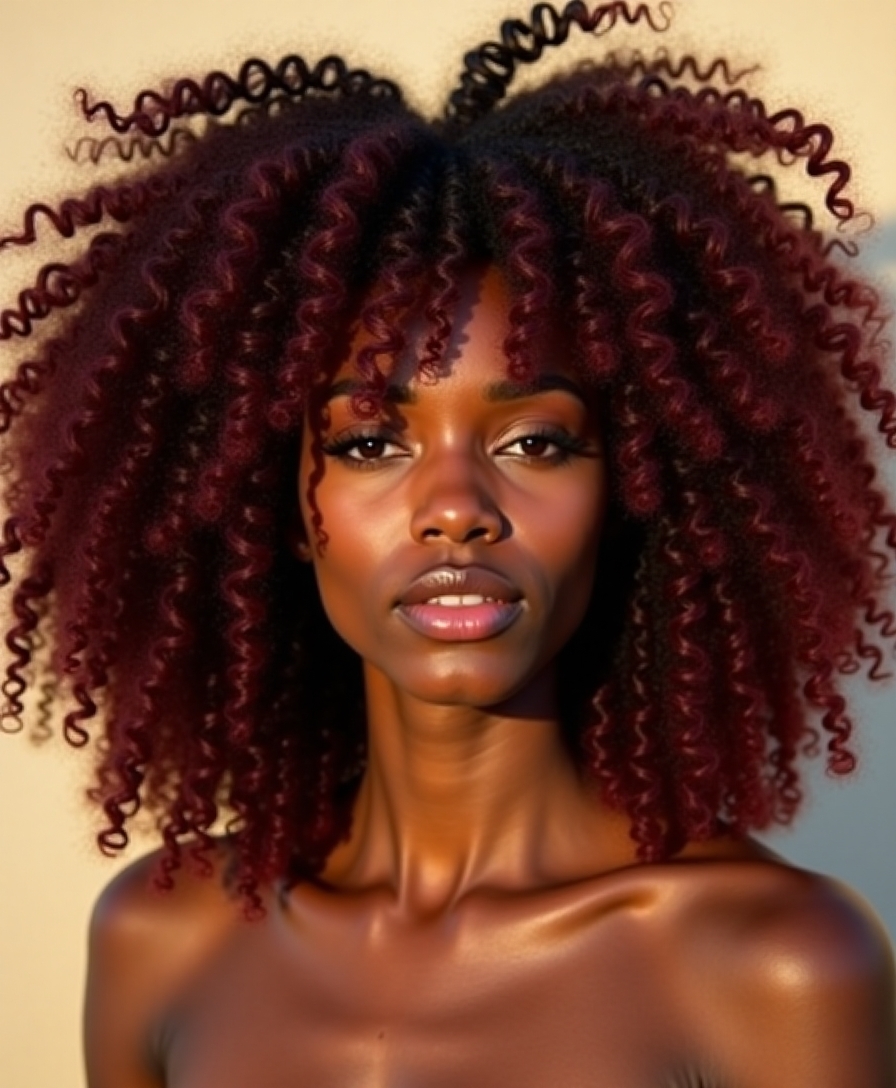
One of wool’s best tricks is curls. Wrap damp wool braids around rods or twist them tight, dip in hot water to set, and you get springy, bouncy curls that hold for the life of the style.
Curls that never drop
Unlike a curl in your own hair, a wool curl does not drop in humidity or after a workout, which makes it a favorite for special occasions.
Take the curls out gently at the end, and the wool can often be re-used for another style.
Quick Wool Styles
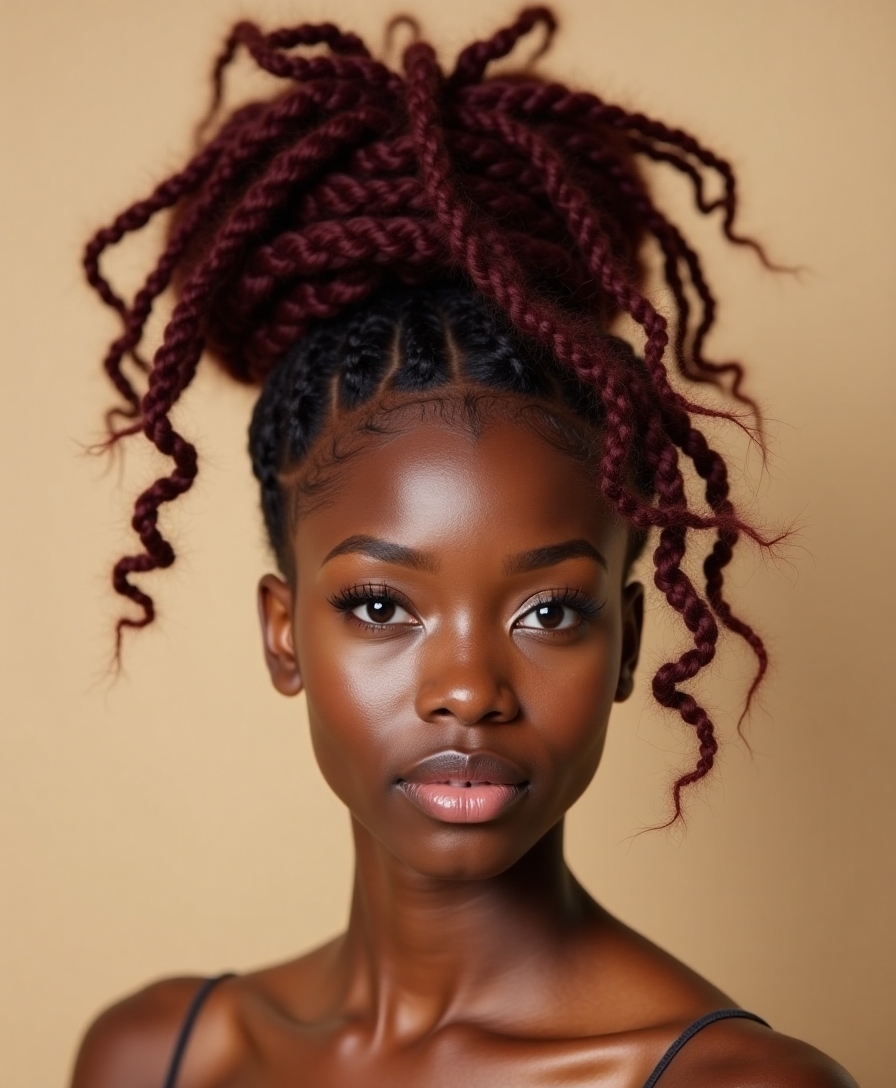
Not every wool look takes hours. Quick wool styles, like a few chunky twists or a half-head of braids, give the color and protection of wool in a fraction of the time.
Big change, small time
These are the styles to reach for when you want a change for the weekend without committing a whole evening to the install.
Keep them simple, seal the ends, and you have a fresh look in an hour or two.
The Cultural Roots of Wool Hair
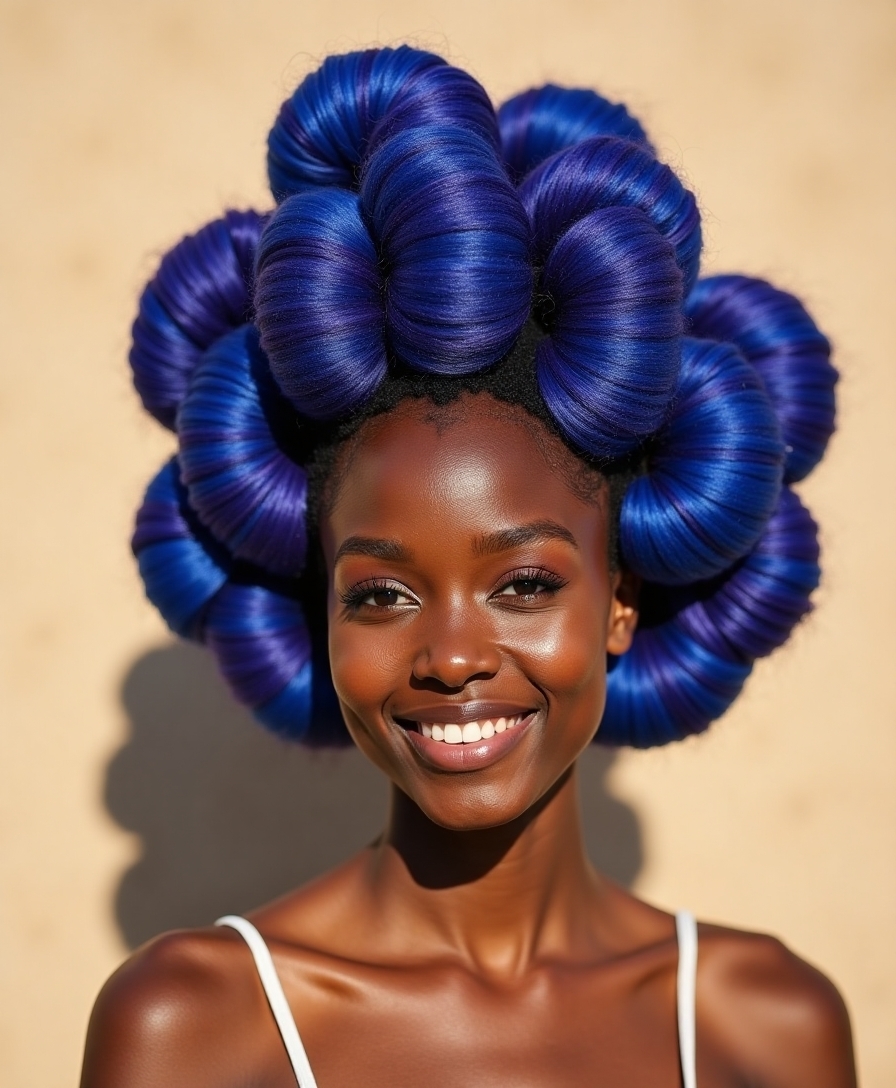
Beyond the technique, wool hair carries a story of resourcefulness: making bold, elaborate, lasting styles possible for women who could not afford imported human hair. If the look is new to you and outside your own background, wearing it with that history in mind, and crediting where it comes from, is part of wearing it well:
- Born of ingenuity, not just fashion: beauty on any budget
- A living tradition across West Africa, Brazil, and the Caribbean
- If it is new to you, wear it with credit to its roots
Growing Out a Wool Style
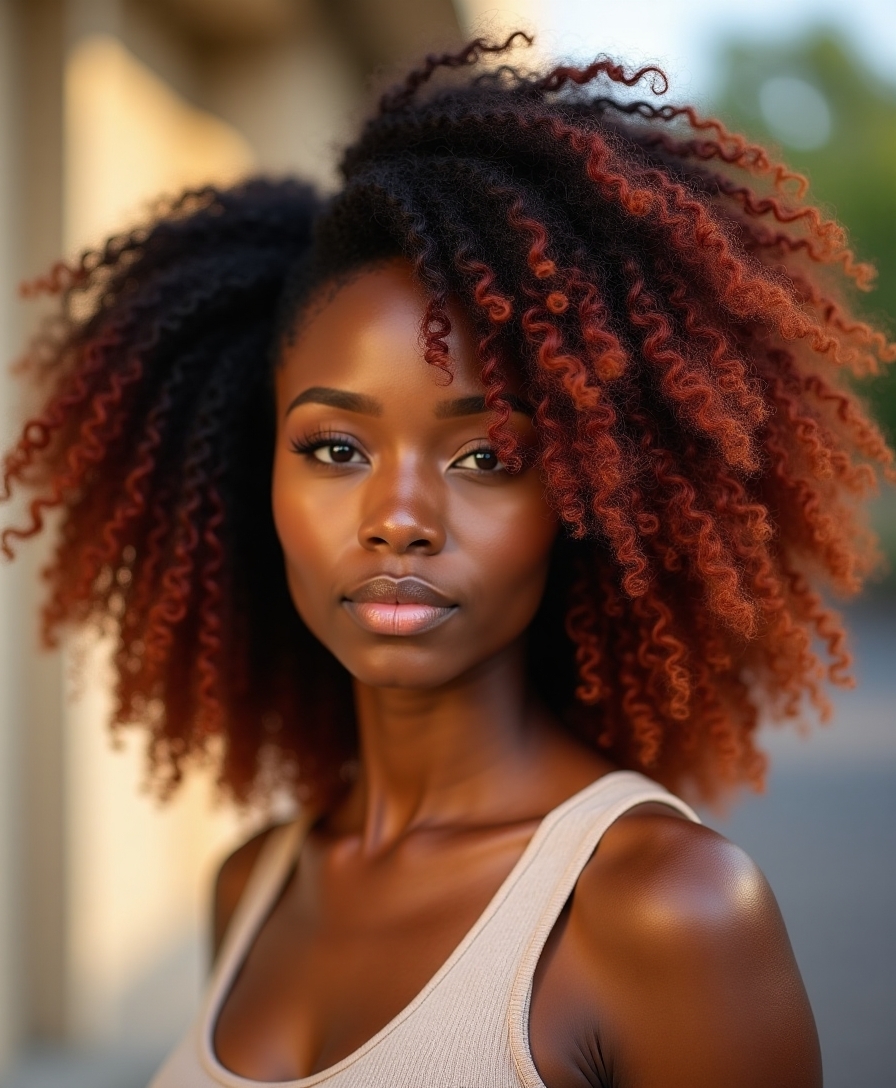
Wool styles are not forever, and taking one down is part of the rhythm. After four to six weeks, new growth starts to tangle with the yarn at the roots, and it is time to take it out.
Unravel slowly and gently, working from the ends, and expect a small amount of loose hair to come with it; that’s simply the ordinary daily shedding the style kept contained rather than any new breakage.
Cleanse, deep-condition, and give your hair a few days to rest before the next install. Your own hair should feel soft, not stripped.
The DIY Wool Route
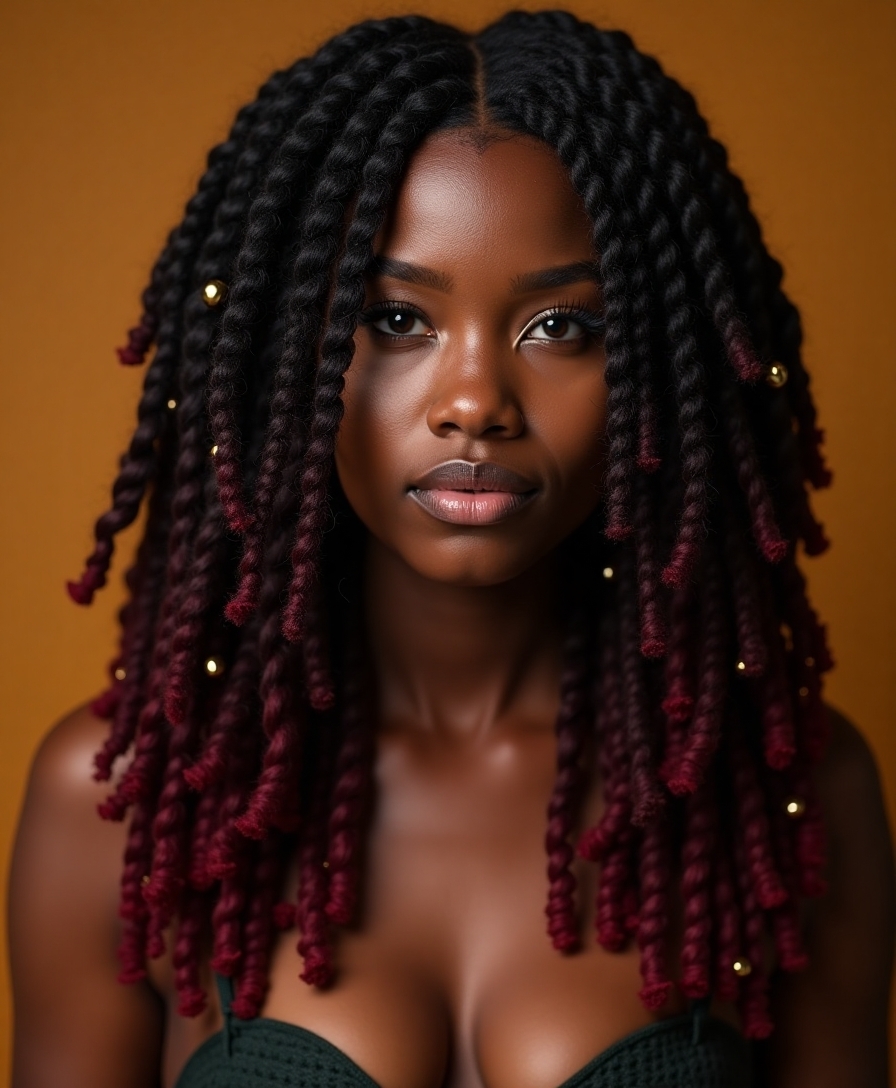
One of wool’s biggest draws is that you can do it at home. The yarn attaches one of two ways: braided straight into your own sectioned hair, or crocheted onto a base of cornrows with a small hook. A full head takes roughly three to six skeins, and at around $5 a skein, a full install typically lands under $30 in yarn, a fraction of the $50 to $200 a human-hair install can run.
Affordable, creative, and yours
Start with something simple like chunky twists, section cleanly, and watch your tension at the edges. Your first try will be slow, maybe three or four hours, but the savings and the creative freedom are worth the practice.
For more protective options to rotate with, see these protective styles and box braids.
Common Mistakes to Avoid
The most common wool-hair mistake is using rough craft yarn instead of soft acrylic hair yarn; it itches and sheds. The second is installing too tight, which strains the very edges every protective style is meant to protect.
After that, the usual suspects: leaving the style in past six weeks, skipping scalp moisture, and soaking the yarn until it frizzes. Get those few things right and the style behaves.
Brazilian Wool Questions, Answered
?Does Brazilian wool damage your hair?
No, when worn correctly. Like any protective style, it shields your hair while it is tucked away; the damage people blame on wool actually comes from tight installs, a dry neglected scalp, or leaving the style in far too long, not from the yarn itself.
?How long does a Brazilian wool style last?
Around four to six weeks. After that, new growth starts to tangle with the yarn at the roots and the take-down gets harder, so it is time to take it down, cleanse, deep-condition, and let your own hair rest before the next install.
?Can you wash Brazilian wool hair?
Spot-clean rather than soak. Acrylic yarn holds water and frizzes if you drench it, so clean the scalp with diluted shampoo on a cloth or cotton pad, rinse lightly, and dry the hair well so the install does not stay damp for days.
?What kind of yarn do you use?
Soft acrylic yarn made for hair, not rough craft yarn. The hair-grade kind is gentler on the scalp and sheds far fewer fibers, which is well worth the small extra cost over the cheapest craft yarn you might find in a bargain bin.
?Can I do Brazilian wool hair myself?
Yes. Most styles are DIY with a few skeins of yarn, a crochet hook or just your fingers, and a little patience. Start with something simple like chunky twists, watch your tension at the edges, and seal the ends in hot water so they hold.
Beautiful, Affordable, and Yours
Brazilian wool hairstyles prove that a bold, protective, striking look does not need a salon budget. The yarn is cheap, the color range is huge, and the styles run from sleek office braids to floor-length statement curls, all while your own hair rests underneath.
Treat it like any protective style, with a gentle install, a moisturized scalp, and on-time take-down, and wear it with a nod to the heritage it comes from. If you have been curious, pick one simple style and try it; few looks give back this much for so little.
Don’t Miss These