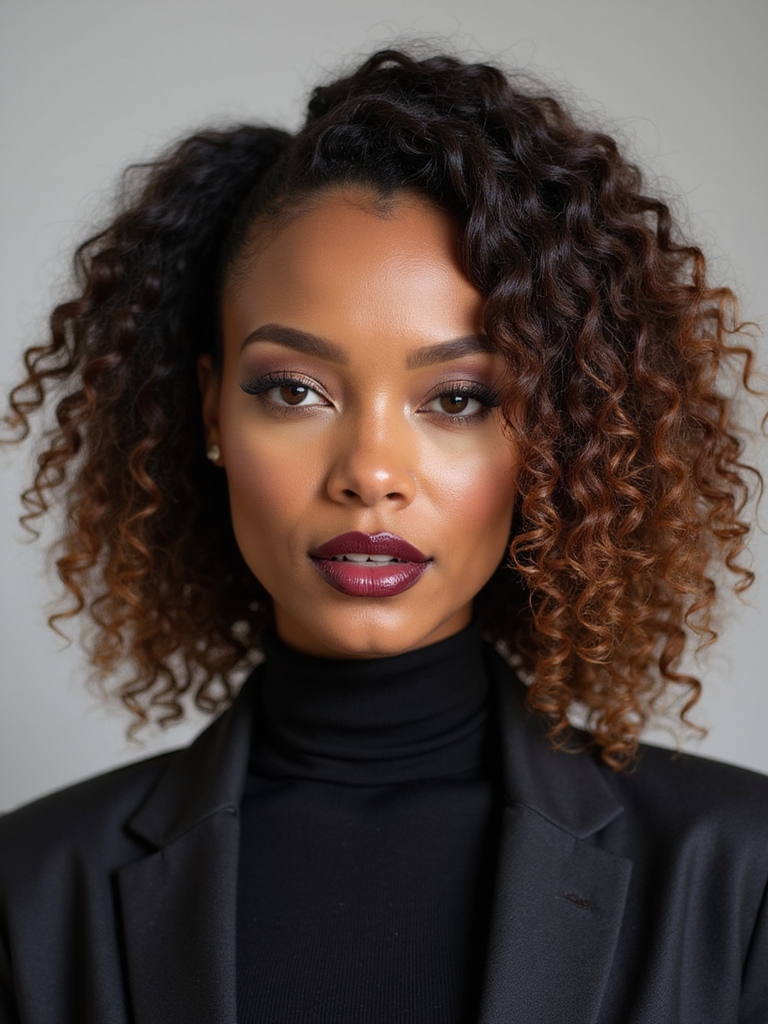
Why does your hair look great when you leave the house and flat, staticky, and ringed with a dent by the time the beanie comes off? Winter beanie hairstyles have to fight the wool, the friction, and the pressure all working against you at once. A beanie is winter’s most practical accessory and its most aggravating one for hair.
But the right style going in, plus a couple of tricks for the moment it comes off, means you never have to choose between staying warm and looking good. Here are fifteen beanie-friendly hairstyles and the prep, refresh, and care that keep them intact.
The Short Version
Beanies flatten roots, create static against wool, and leave a dent line. The fix is partly the style, low or textured looks that survive a hat, and partly the prep and refresh that bring volume back after.
Choose hairstyles that sit low or hold their texture, prep with an anti-static product, and keep a few refresh tricks ready. A silk-lined beanie solves most of the static and friction in one move.
Why Your Hair Loses Volume Under a Beanie
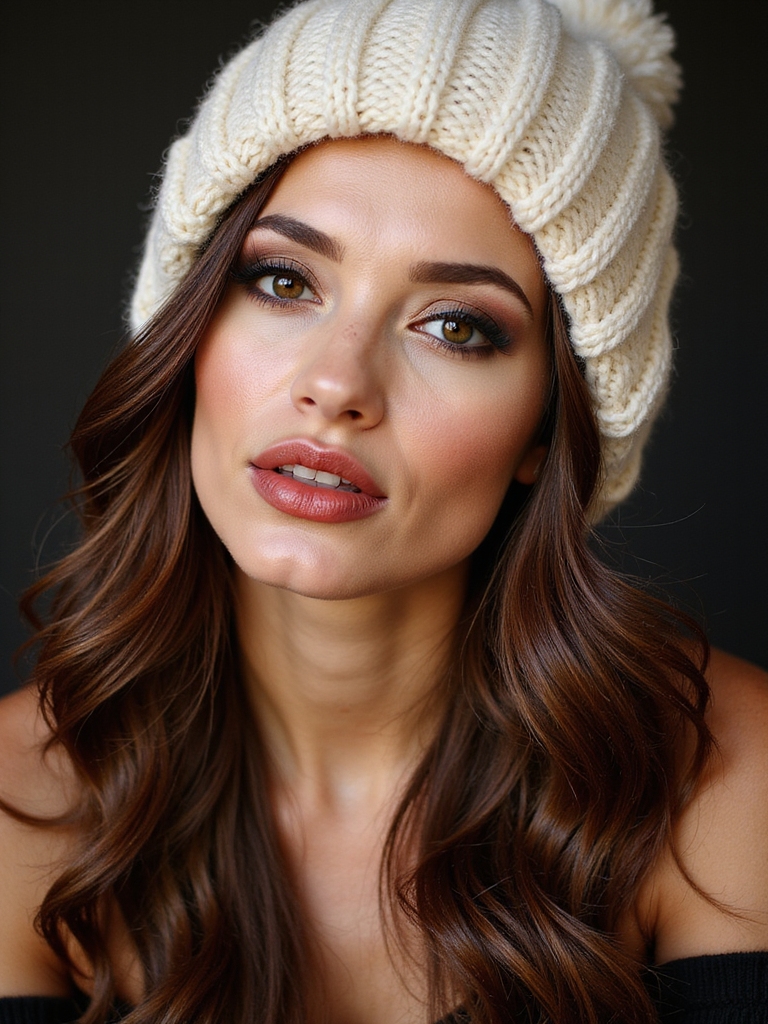
Before fixing beanie hair, it helps to know why it happens. A beanie presses your roots flat against your head and holds them there for hours, so the volume you styled in simply gets crushed out. Add the friction of wool and the static it generates, and you get flat, floaty, dented hair the moment you take the hat off.
Knowing the cause points to the fix: style your hair so the volume sits where the beanie does not crush it, and protect it from the wool. Everything that follows works on one of those two fronts.

Quick Prep: Products That Prevent Static and Frizz
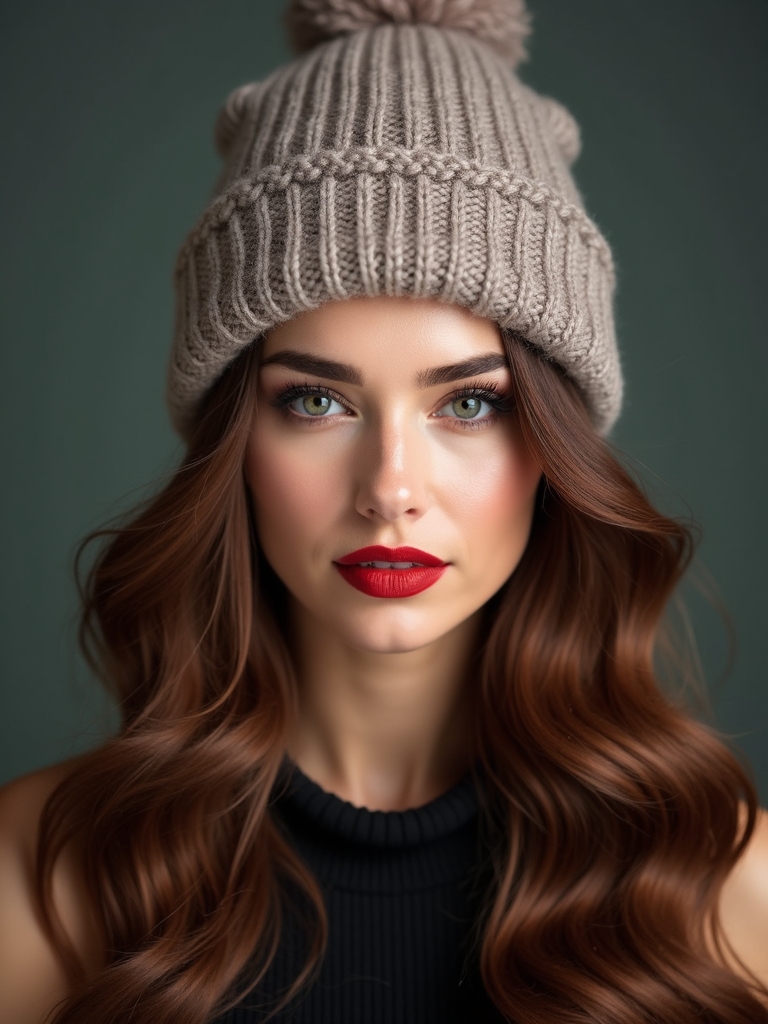
The right prep before the beanie goes on saves you a lot of trouble later. The enemy is dryness, since dry hair generates the most static against wool, so the answer is moisture and a smooth surface.
I smooth a little leave-in or light oil over the lengths and a touch of cream on the ends before styling. A flexible hairspray adds grip that helps a style survive the hat without going stiff.
Skip heavy products at the roots, which only speed up the flattening.
💡Stylist Tip
The fastest fix for the dreaded beanie dent line is to part your hair on the opposite side the moment the hat comes off. Flipping the part lifts the flattened roots instantly and hides the crease, no products needed. It is what I do on myself every single winter.
Low, Loose Ponytail That Withstands a Hat

A low, loose ponytail is among the most beanie-proof styles, because it sits at the nape, below where the hat presses. The hat cannot flatten what is already gathered low and out of its path.
I gather it loosely at the nape, leave it a little soft, and secure it with a silk scrunchie that will not dent the hair. When the beanie comes off, the pony still looks intact.
- Sits low at the nape, below the hat’s pressure
- A silk scrunchie avoids dents
- Stays neat when the beanie comes off
Messy Bun With Volume-Friendly Placement

A messy bun is a beanie staple, but placement is everything. Worn too high, the bun fights the hat; worn at the right spot, it tucks in and keeps your hair contained. Here is how to place it.
- Set the bun low or to the back, where the beanie sits flat.
- Keep it loose and undone so a little flattening only helps.
- Pull a few face-framing pieces out after the hat comes off.
Two beanie-hair myths:
❌ Myth: Beanies cause hair loss
✅ Reality: They do not. Beanies flatten and create static, but normal winter shedding is seasonal and has nothing to do with your hat.
❌ Myth: You cannot wear your hair down with a beanie
✅ Reality: You can, with textured waves or a beanie-friendly cut. Sleek, fine hair flattens most; texture and the right length hold up.
Beanie-Ready Braids That Keep Their Shape

Braids are a beanie’s best friend, because the braided structure holds its shape no matter how long the hat sits on top. A braid does not flatten the way loose hair does, so it looks the same coming off as going on. I braid loosely, whether a single braid, two, or a side braid, and tuck the length under or let it hang.
When the beanie comes off, a quick tug to loosen the braid and a few pieces pulled free at the front is all the refresh it needs. The layered braids guide has more braid options.
- Braids hold their shape under any hat
- Single, double, or side braids all work
- A quick loosen is the only refresh needed
Half-Up Styles That Stay Put Beneath a Beanie
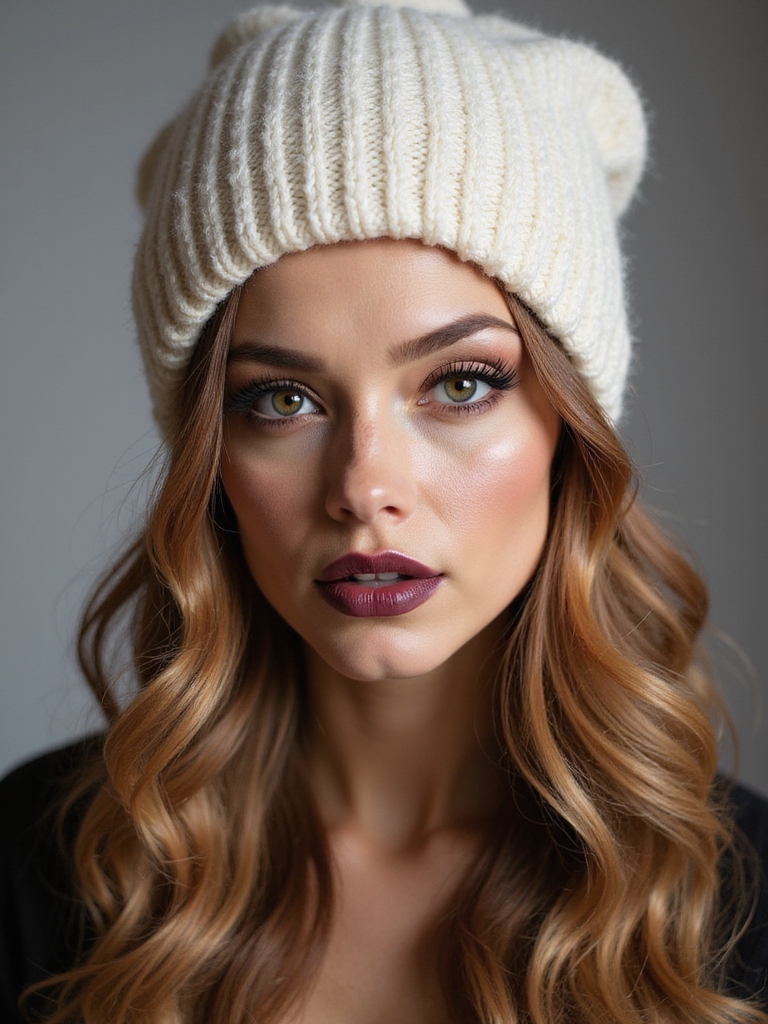
A half-up style is a clever beanie compromise: it keeps the top section secured while the rest hangs loose. The point is securing the top half low enough that the beanie does not sit right on the elastic.
Securing It Low Enough
I clip or tie the top half back at the crown, low enough to clear the hat band, then let the bottom fall loose. The secured top keeps some shape while the loose bottom stays soft.
When the hat comes off, the half-up still frames the face, with only the loose ends needing a quick refresh.
“Clients always ask how to avoid hat hair entirely, and the honest answer is you cannot fully, so stop fighting it. Pick a style that looks good a little flattened, like a low pony or a braid, and keep a dry shampoo in your bag. Working with the beanie beats battling it every time.”
Sleek, Flat Styles for Minimal Bulk

Sometimes the smart move is to work with the flatness instead of fighting it. A deliberately sleek, flat style with a center part looks intentional under and after a beanie, because there is no volume to crush in the first place.
Embrace the Flat
I smooth the hair flat with a little serum and a clean center part, then let the beanie sit right on top. It comes off looking exactly as polished as it went on, no dent, no frizz.
It is the most foolproof option for anyone who lives in a hat all winter.
Textured Waves That Bounce Back After a Hat

If you love your hair down, textured waves are the most beanie-resilient option, because their built-in texture springs back where smooth hair would stay flat. The wave has structure the hat cannot fully crush. Here is how to keep them bouncing.
- Set soft waves with a salt spray for grip and structure.
- Let the beanie sit over them; the texture holds better than sleek hair.
- Tousle with your fingers when the hat comes off. See the heatless waves guide.
👍Beanie-Friendly Styling: Wins
- +Low and braided styles survive any hat
- +Texture bounces back better than sleek hair
- +A silk lining stops static at the source
👎Watch-Outs
- –Fine, flat hair flattens the most
- –High buns fight a fitted beanie
- –Heat curls drop fastest under a hat
The Perfect Hat-Friendly Top Knot

A top knot can absolutely work with a beanie if you place it right. Worn high, it pokes out the top of a slouchy beanie or sits just under the edge of a fitted one, depending on your hat.
I gather everything into a high, low-tension knot before the beanie goes on, so there is nothing to flatten underneath. When the hat comes off, the knot keeps its shape with no hat-hair to fix.
- Place the knot high, above where the beanie sits
- Keep the tension low so it does not strain the scalp
- Pokes out a slouchy beanie or tucks under a fitted one
Side Twist or Roll to Protect Face-Framing Layers

Face-framing layers and bangs suffer most under a beanie, getting flattened and pushed into your eyes. A side twist or roll pins those front pieces out of the way and protects them from the hat.
I twist the front section back along one side and pin it, so the layers stay smooth under the beanie and fall right back into place when it comes off. It saves your most visible pieces from the worst of the flattening.
Heatless Curl Methods to Avoid Hat Flattening

Heat-styled curls flatten fastest under a beanie, so heatless methods are the smarter winter choice, both kinder to your hair and more resilient under a hat. Here are the methods that hold up.
- Set curls overnight with damp braids or foam rollers.
- Let them set fully so they hold structure under the hat.
- Refresh with a light mist when the beanie comes off. More in the simple winter styles guide.
Refresh Tricks for Hair After a Beanie

No style is fully beanie-proof, so a thirty-second refresh routine for the moment the hat comes off is the real secret weapon. Indoors, a few quick moves bring your hair back to life.
I flip my head over and shake the roots, mist a little dry shampoo or texture spray to lift the dent, and run my fingers through to rebuild volume. For static, a quick smooth with a tiny bit of hand cream or a dryer sheet settles it instantly.
Accessorizing Under a Beanie: Scarves and Silk Liners

The single best upgrade for beanie hair is what you put between the hat and your head. A silk or satin lining, either a separate scarf or a beanie that comes lined, stops the wool from generating static and friction in the first place.
You can buy satin-lined beanies or simply tie a silk scarf over your hair before putting on a regular beanie. Either way, your hair comes out smoother, less static, and far less flattened. The sweater-weather styles guide covers more cold-weather accessory tricks.
Cutting and Layering Tips for Beanie-Friendly Hair
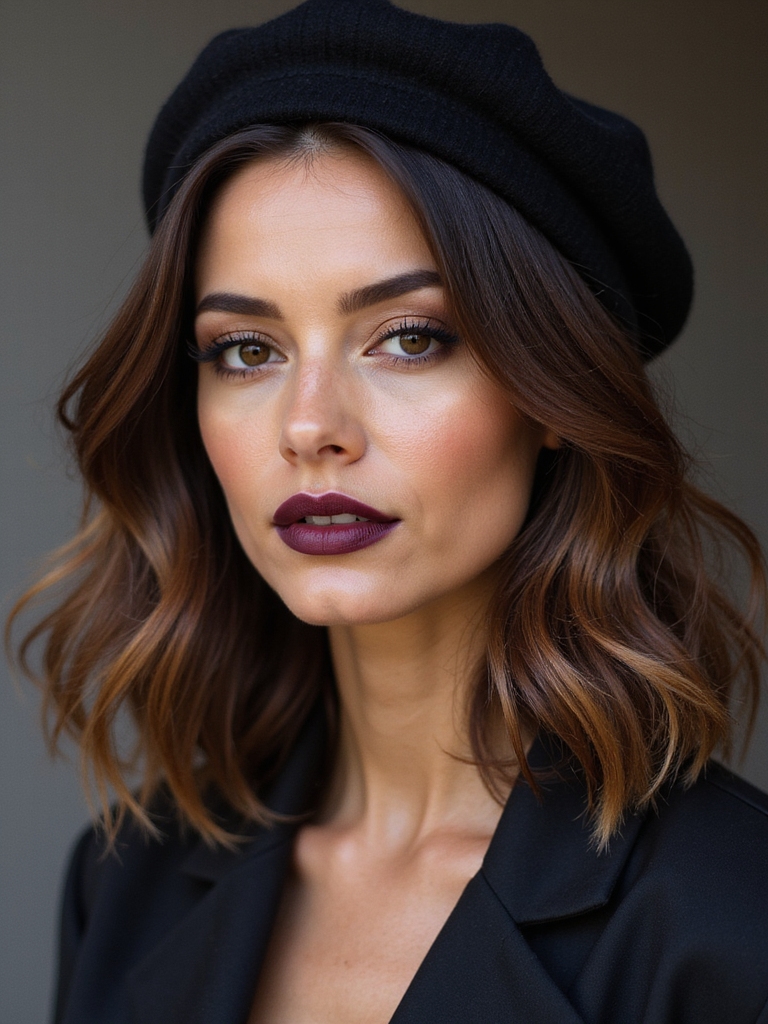
Some cuts simply handle a beanie better than others, and a good stylist can shape your hair with hat season in mind. A quick shaping trim to soften bulky layers usually runs $25-40 on top of a regular cut, well worth it if you live in a beanie all winter. Here is what to ask for.
- Long layers that fall back into place rather than kinking.
- Skip blunt, heavy bangs that flatten badly under a hat.
- A collarbone or longer length that clears the hat band. See the layered cuts guide.
Sleep-Smart Silk Routine for Cold Months

What you do at night protects tomorrow’s hair as much as today’s beanie does. Sleeping on or under silk keeps your style intact and your hair hydrated, so it starts each cold morning in better shape and resists static all over again.
I sleep on a silk pillowcase or tuck my hair into a satin bonnet, then refresh in the morning with a quick mist instead of restyling from scratch. Well-rested hair takes a beanie far better than dry, friction-roughed hair does.
- Sleep on silk or in a satin bonnet
- Keeps hair hydrated and static-resistant
- Refresh in the morning instead of restyling
Beanie Hair Questions, Answered
?How do I stop hat hair from a beanie?
Style your hair so there is little volume to crush, like a low pony, a braid, or deliberately sleek hair. Then line your beanie with silk to cut static, and flip your part when you take the hat off to lift any dent.
?Why is my hair so staticky under a beanie?
Dry hair plus wool is the recipe for static. Moisturize before the hat goes on, choose a silk-lined beanie, and carry a dryer sheet or a little hand cream to smooth flyaways on the spot.
?Can I wear my hair down with a beanie?
Yes, especially with texture. Soft waves and layered cuts spring back after a hat far better than sleek, fine hair, which flattens and stays that way. A quick tousle, a flip of the part, and a little dry shampoo bring it right back to life.
?What hairstyle is easiest under a beanie?
A low, loose bun or ponytail. Both sit out of the hat’s path, take seconds to do, and survive the commute without a dent. Braids are just as reliable if you have a couple of extra minutes to spare.
?Do silk-lined beanies really help?
Truly, yes. A silk lining is smooth where wool is rough, so the friction that builds static and roughs up your hair never gets a chance to start. It is the single most effective beanie-hair upgrade you can make.
Warm Head, Good Hair, Both
Beanie season does not have to be a daily compromise between comfort and your hair. Once you know that the wool and the pressure are the real culprits, the solutions are simple: style low or textured, prep against static, line your beanie with silk, and keep a thirty-second refresh in your back pocket. None of it takes more than a couple of minutes.
Pick a few of these that suit your hair and your favorite hat, and the beanie stops being the enemy of a good hair day. Stay warm, and let your hair come off looking as good as it went on.
Favorites to Revisit